The 5-Year Cost Breakdown: Veneer vs. Solid Wood in Singapore's Urban Homes
Living in Singapore, where space is a premium and every square centimetre counts, the furniture we choose does more than just fill a room. It becomes a long-term companion in our HDB flats and condos, from the narrow corridors of a Tampines maisonette to the open-plan layouts of a Punggol waterfront residence. The decision between veneer and solid wood furniture is not merely an aesthetic one; it is a financial calculation that spans years. This article provides a detailed 5-year cost comparison, moving beyond the initial purchase price to consider longevity, maintenance, and the hidden costs of ownership in our unique urban environment.
Understanding the Materials: A Primer for Singaporean Homeowners
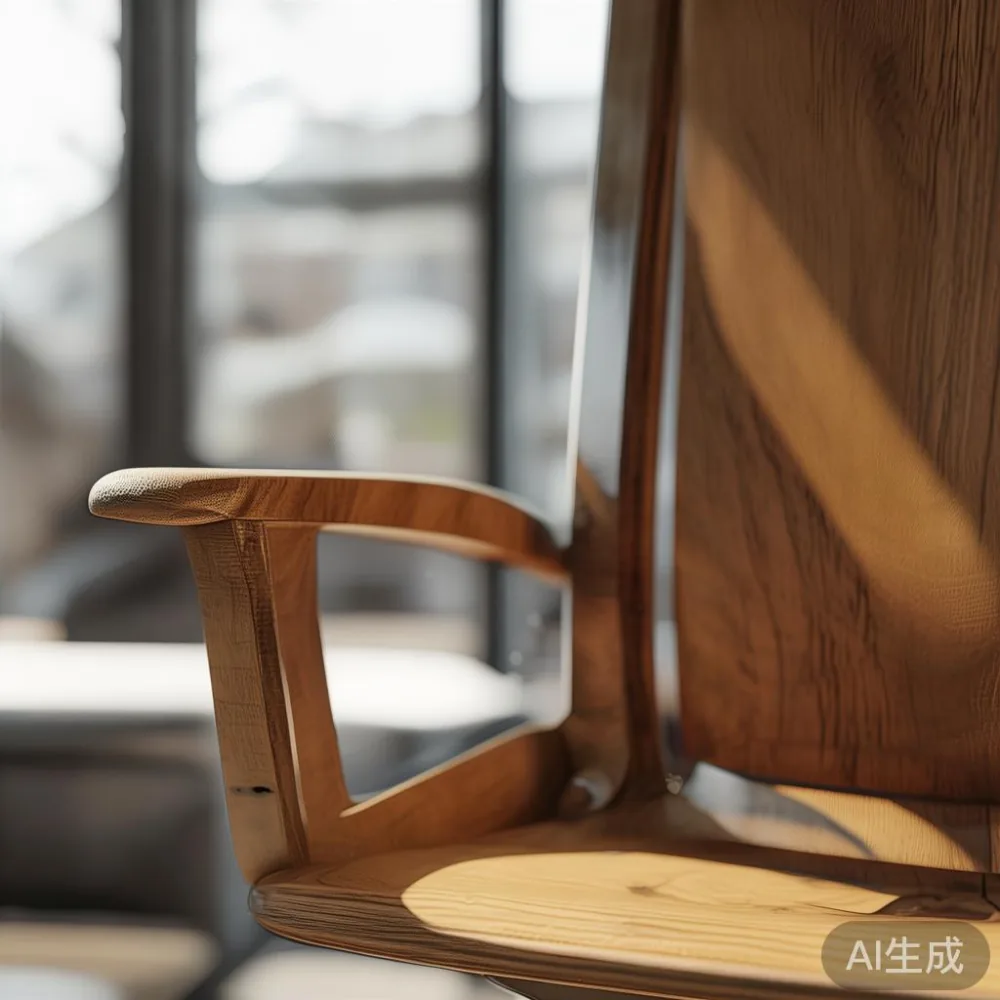
Before diving into numbers, it is important to understand the fundamental difference between the two materials. Solid wood furniture is crafted from a single, continuous piece of lumber, such as oak, walnut, or teak. Its structure is honest and its grain patterns are unique. Veneer, on the other hand, is a thin layer of real wood applied over a substrate, which is often a composite material like Medium-Density Fibreboard (MDF) or particleboard. Think of veneer as a high-quality photograph of wood, while solid wood is the original painting. The distinction is critical when considering how furniture will withstand the Singaporean climate, which sees average humidity levels between 70% and 80% year-round.
Initial Investment: The Upfront Cost of Furnishing a Singapore Home
The most significant difference between veneer and solid wood is the initial purchase price. For a standard dining table suitable for a Singaporean family of four, a veneer option might cost SGD 800, while a comparable solid wood piece could easily reach SGD 2,500. This disparity extends to other pieces. A veneer bed frame for a master bedroom might be priced at SGD 1,200, whereas a solid wood equivalent could cost SGD 3,000. The price difference is a direct reflection of the material quality, craftsmanship, and the amount of genuine wood required. When furnishing an entire home, this initial investment gap can be substantial. For example, furnishing a 3-bedroom HDB flat in Bedok with veneer furniture might total SGD 15,000, while outfitting the same space with solid wood could require an initial outlay of SGD 35,000 or more.
Longevity and Durability: A 5-Year Perspective on Wear and Tear
The true cost of furniture reveals itself over time. Veneer furniture, while affordable, is susceptible to damage in the humid Singaporean climate. The thin wood layer can peel, bubble, or warp at the edges when exposed to moisture. A common problem in local homes is the failure of veneer along the joints of a dining table, especially after a few years of use. Solid wood, however, possesses a natural resilience. It can absorb and release moisture without structural failure, making it far more durable in our environment. A solid wood dining table will develop a beautiful patina over the years, adding character, whereas a veneer table may simply look worn and tired. This difference in longevity is a key factor in the 5-year cost analysis, as it directly impacts the need for repairs or replacement.
Hidden Costs: Maintenance, Repair, and Replacement Scenarios
The initial price is only part of the story. Veneer furniture often comes with hidden costs that add up. Repairing peeling veneer is a delicate job that requires professional skills, costing SGD 150 to SGD 300 for a single dining table. If the substrate underneath is damaged, the piece is often irreparable, forcing a complete replacement. Over a 5-year period, a veneer wardrobe might need one significant repair, adding to its total cost. Solid wood furniture, conversely, is highly repairable. A deep scratch or dent can be sanded out and refinished by a professional for a fraction of the cost of replacement. A colleague of mine, Sarah, who lives in a condo in Tampines, shared her experience last month. She bought a veneer coffee table for SGD 1,200. After two years, the veneer started peeling at the corners. Repairing it cost SGD 200, and it still looks imperfect. She now regrets not investing in a solid wood piece, which would have been a one-time expense.
Resale Value: The Forgotten Financial Metric
In a market like Singapore, where people move homes and redecorate, the resale value of furniture is a practical consideration. Solid wood furniture holds its value remarkably well. A 5-year-old solid wood dining table might retain 60-70% of its original value, especially if it has been well-maintained. Veneer furniture, however, depreciates rapidly. A 5-year-old veneer set may have a resale value of less than 20% of its purchase price, if it can be sold at all. This difference is important for homeowners who view furniture as a long-term asset. When it's time to move from a Punggol apartment to a new condo, solid wood pieces can be sold to offset the cost of new ones, whereas veneer items are often discarded, contributing to waste and representing a total financial loss.
Is Solid Wood Furniture a Better Financial Choice for Singapore's Humid Climate?
This is the central question for many homeowners. The answer depends on your priorities and budget. If your primary concern is the lowest possible initial cost and you are prepared to replace furniture every 3-5 years, veneer might seem like the economical choice. However, when you factor in the costs of repairs, replacements, and the lack of resale value, veneer often becomes the more expensive option over a 5-year period. Solid wood requires a higher initial investment, but its durability, repairability, and strong resale value make it a financially sound choice for the long term. In Singapore's climate, the ability of solid wood to withstand humidity without degrading is a significant advantage that saves money on maintenance and premature replacement. For those who value quality and longevity, solid wood is the more prudent financial decision.
Practical Considerations for Singaporean Living Spaces
Beyond cost, the physical properties of the furniture matter in our homes. Solid wood furniture is heavier, with a dining table weighing 40-50 kg compared to a veneer table's 20-25 kg. This is a consideration for HDB dwellers working through narrow lift corridors, especially in older estates. However, solid wood's sturdiness provides peace of mind. A solid wood bed frame offers superior support for a good night's sleep, which is invaluable in a fast-paced city. The weight also means it is less prone to wobbling or damage from daily use. When considering a MIDHILL French provincial sofa for a living room, one must appreciate the solid wood frame that provides unmatched stability compared to a lightweight veneer alternative. This structural integrity is an investment in daily comfort and safety.
Style and Aesthetics: The Timeless Appeal of Solid Wood
Furniture is also an expression of personal style. Solid wood offers a timeless, authentic aesthetic that complements various design philosophies. It pairs beautifully with a French provincial for bedroom, creating a warm, elegant retreat. The natural grain and texture of solid wood cannot be replicated by veneer, which often has a uniform, artificial appearance. For those who appreciate a Mid-century modern TV console, the clean lines and honest construction of solid wood are hallmarks of the style. A veneer piece might mimic the look, but it lacks the substance. A Modern for guest room aesthetic, which often emphasizes natural materials and minimalist forms, is perfectly executed with solid wood furniture. The ability to refinish solid wood also allows for style updates over time, a flexibility that veneer simply does not offer.
Making the Right Choice for Your Home and Lifestyle
Ultimately, the choice between veneer and solid wood is a personal one. It involves balancing your budget with your lifestyle, aesthetic preferences, and long-term plans. For a young professional renting a studio apartment in Bedok, veneer might be a practical starting point. For a family planning to stay in their HDB flat for decades, investing in solid wood is a decision that will pay dividends in comfort, durability, and financial value. As you consider your options, remember that furniture is an investment in your daily life. It is the foundation of your home, the surface where memories are made. Choosing quality is choosing to live well.
Exploring Light Luxury: A Different Perspective on Material Value
The concept of light luxury furniture, whether French, American, or post-modern, often incorporates solid wood as a key element. This is not merely a trend but a reflection of the material's inherent value. A how to style French bed in bedroom guide will almost invariably feature a solid wood frame, as it provides the necessary grandeur and durability for the style. The tactile experience of solid wood—the cool smoothness of a marble table top on a solid wood base, the substantial feel of a best Italian light luxury wardrobe for 2026—is part of the luxury experience. Veneer, by its nature, feels less substantial and lacks the depth of character that defines high-end furniture. A MIDHILL TV console in a light luxury setting relies on the integrity of its solid wood construction to achieve its sophisticated look and feel.
Conclusion: A Financial and Lifestyle Decision for the Long Haul
When viewed through a 5-year lens, the financial argument for solid wood furniture becomes compelling. While the initial cost is higher, the total cost of ownership—factoring in repairs, replacements, and resale value—is often lower than that of veneer. Beyond the numbers, solid wood offers intangible benefits: durability in our humid climate, timeless aesthetic appeal, and the peace of mind that comes from owning a well-made object. For Singaporean homeowners, solid wood is not just furniture; it is a long-term investment in the quality and character of their homes.