The Anatomy of Price: What Actually Drives the Cost of Solid Wood Ergonomic Chairs
In the world of furniture, few materials command the same respect and mystique as solid wood. It speaks of tradition, craftsmanship, and a tangible connection to nature. Yet, walk into any showroom in Singapore, whether in a sprawling Tampines HDB flat or a high-rise Bedok condo, and you'll encounter a vast price range for what appears to be the same thing: a wooden chair. A simple search for 'ergonomic chair' can yield options from SGD 200 to over SGD 3,000. So, what exactly separates a SGD 350 dining chair from a SGD 1,800 ergonomic chair designed for long hours at a home office? The answer lies not in a single factor, but in a complex interplay of material, design, labour, and the very real-world logistics of life in Singapore.
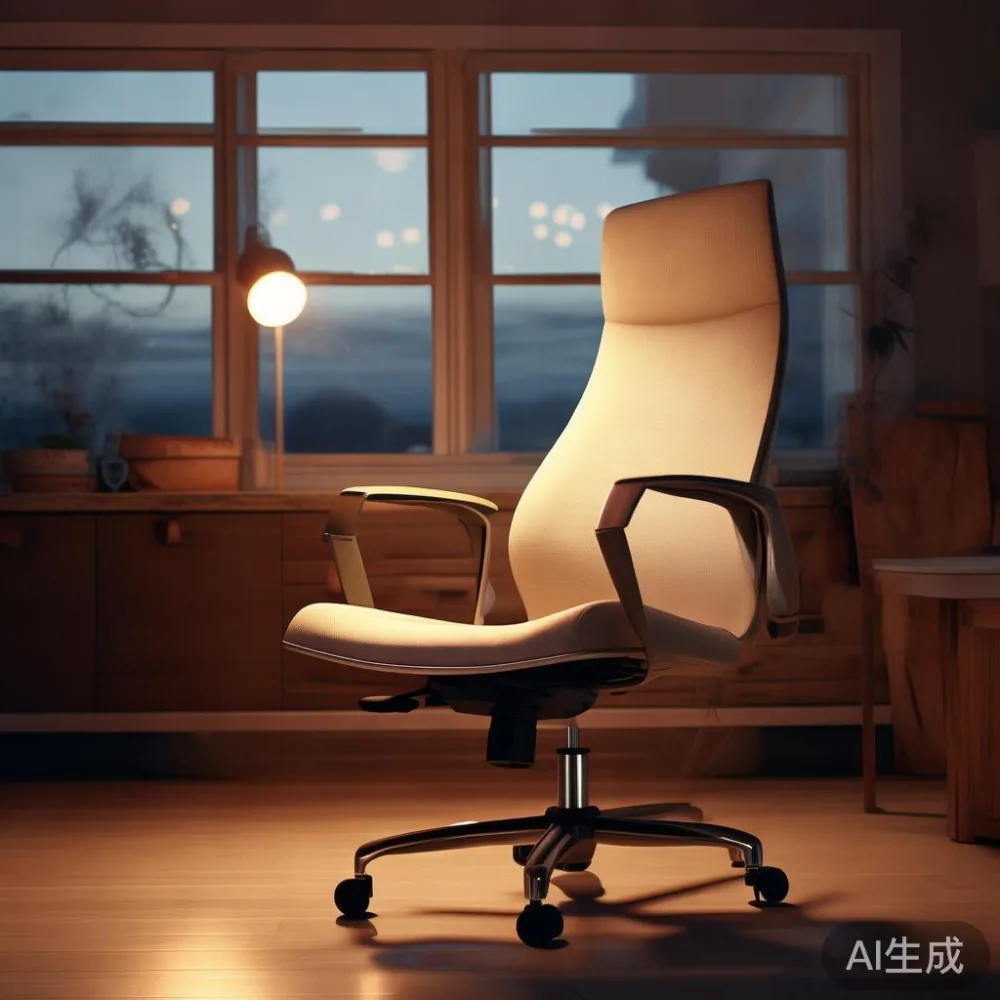
Is a Chair Just a Chair? The Foundation of Value
At its most basic level, a chair is a structure for sitting. But a solid wood ergonomic chair is a feat of engineering disguised as a simple piece of furniture. The price begins with the raw material itself. Not all wood is created equal. The species of wood is the first major determinant of cost. For example, a chair made from Rubberwood, a common and sustainable choice in Southeast Asia, will be significantly less expensive than one carved from American White Oak or European Ash. The difference is density, grain stability, and durability. A White Oak chair can weigh 15-18 kg, while a Rubberwood equivalent might be 10-12 kg. This weight isn't just about heft; it reflects the density and long-term resilience of the material.
Beyond the species, the grade of the wood is critical. A board with a 'clear' grade, featuring minimal knots and a uniform grain pattern, will cost more than a 'select' or 'common' grade with natural imperfections. These imperfections, while adding character, can weaken the wood and require more complex joinery to work around. For a piece like a solid wood sofa or a dining table, using premium, clear-grade wood across all visible surfaces adds a substantial amount to the final price. The wood must also be properly kiln-dried. This process, which can take 15-25 days, reduces the wood's moisture content to a level suitable for Singapore's humid climate, preventing warping, cracking, or splitting later on. A manufacturer that skips this step to save money will produce a chair that may look fine in the showroom but could fail within a year in a local HDB flat.
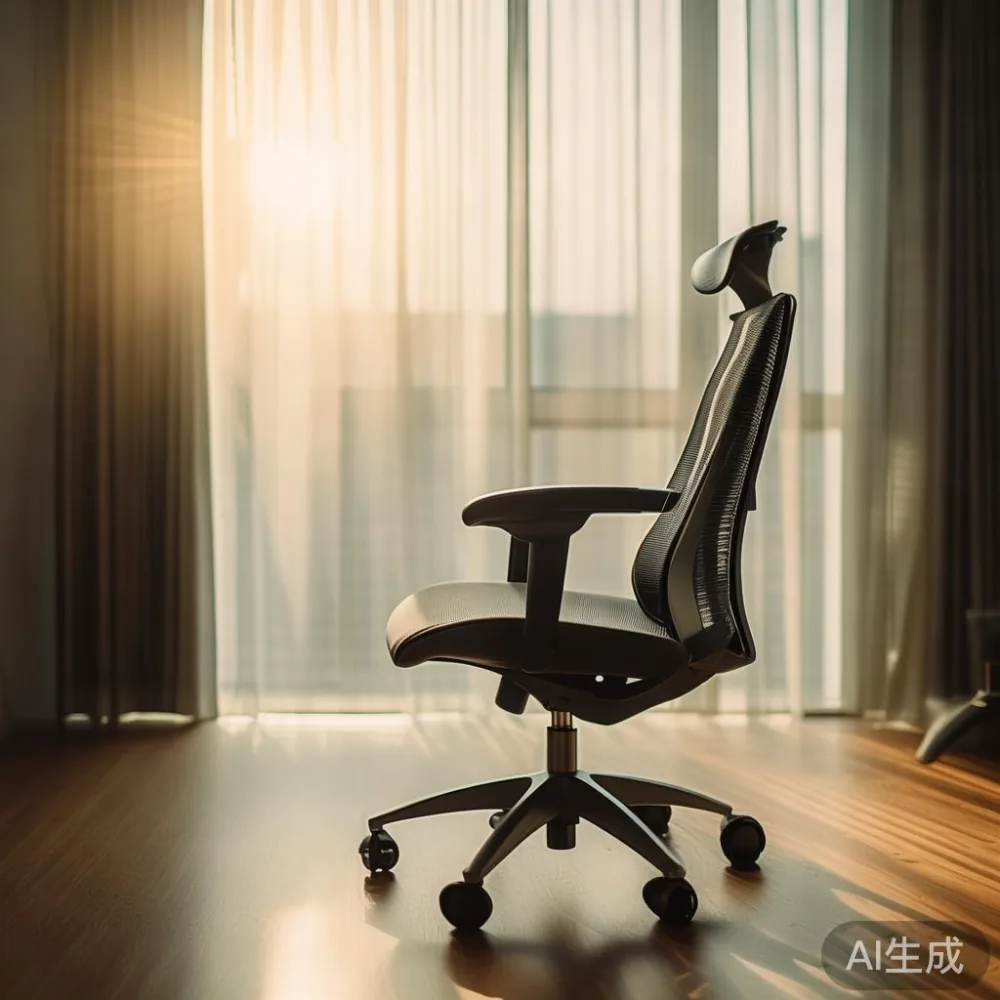
From Workshop to Home: The Singaporean Logistics Puzzle
Once the chair is built, it must travel from the workshop—often in Foshan, China—to your home in Singapore. This journey is a hidden cost driver that every Singaporean can relate to. The process starts with packaging. A high-end ergonomic chair is not simply bubble-wrapped. It's typically encased in multiple layers of cardboard, with reinforced corners, custom foam inserts to protect curved armrests and the backrest, and plastic corner guards. This packaging can add 2-3 kg to the shipping weight and increase the box dimensions to 120 cm x 60 cm x 70 cm. Shipping this securely via sea freight adds a base cost. Then there's the final-mile delivery.
Consider the challenge of delivering a large item to a Singapore HDB flat. The lift width in most older blocks is about 110 cm. A standard ergonomic chair box might fit, but a larger piece like a wardrobe or a marble table top can be a nightmare. The delivery team must work through narrow corridors, tight turns, and sometimes even carry items up several flights of stairs if the lift is out of service or too small. This requires skilled, experienced personnel and specialised equipment. For orders over SGD 350, many brands, including those from Foshan, offer free shipping, but this cost is already factored into the price of the item. For smaller orders, a delivery fee of SGD 50 to SGD 120 is common, reflecting the labour and logistics involved. This is a significant consideration when you buy a nightstand or a small dining table online.
Last month, I visited a colleague in her new Punggol condo. She had just purchased a beautiful solid wood bed frame online. The delivery team of three men spent 45 minutes just getting the 180 cm x 200 cm frame through her front door and into the master bedroom. They had to remove the door and use protective cloths to prevent scratching. She paid a SGD 80 'white glove' delivery fee, which she understood was necessary for the peace of mind. This experience highlighted how the physical realities of Singaporean living spaces directly influence the final cost of furniture.
The Price of Comfort: Ergonomics and Design Labour
When we talk about an 'ergonomic chair', we are no longer just talking about a seat; we are talking about a sophisticated tool designed for the human body. The price of this design is a major component. A simple dining chair requires a basic understanding of seating. An ergonomic chair requires a deep understanding of biomechanics. Designers must consider lumbar support, the angle of the seat pan, the flexibility of the backrest, the adjustability of the armrests, and the range of motion for the tilt mechanism.
Creating this design involves extensive prototyping and testing. A manufacturer might create 5-7 physical prototypes, each with subtle adjustments to the curve of the lumbar support or the tension of the tilt mechanism. Each prototype is tested by people of different heights and weights to ensure it provides support for an 8-hour workday. This R&D process, which can take 3-6 months, is an invisible cost that is passed on to the consumer. The final design is then translated into technical drawings for the production team.
This is where the concept of light luxury comes into play. A French light luxury ergonomic chair might feature elegant, sweeping curves and a focus on graceful proportions, using premium fabrics and polished brass accents. An American light luxury version might emphasise bold, clean lines and a more substantial, sculptural form, often using rich leathers and brushed steel hardware. The difference in price reflects not just the materials but the design philosophy and the labour required to execute it. A post-modern light luxury chair, with its unique shapes and mix of materials, might require even more complex construction, pushing the price higher. For example, a chair with a solid wood frame paired with a marble table top for an armrest is a far more complex and expensive piece to manufacture than one with all-wood components.
Why Does That Wardrobe Cost So Much? Craftsmanship and Joinery
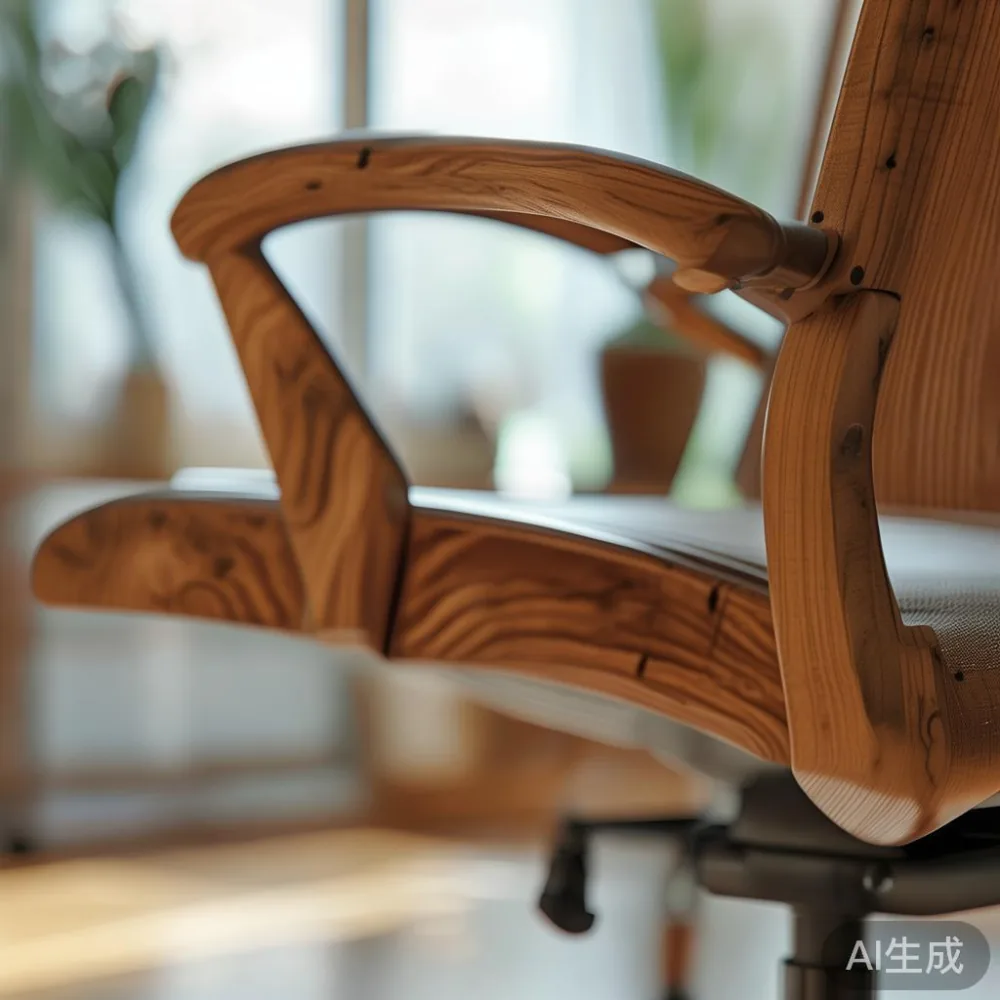
The difference between a mass-produced chair and a well-made one is often in the details of its construction. This is especially true for larger items like a wardrobe or a dining table. The way the pieces of wood are joined together determines the chair's strength, longevity, and quality. The most basic, cheapest method is using staples, screws, and dowels. A more solid and traditional method is mortise and tenon joinery, where a protruding tenon on one piece fits into a cavity (mortise) on another. This creates an incredibly strong, interlocking connection that can last for generations.
Creating a mortise and tenon joint is labour-intensive. It requires precision cutting, often done by skilled workers or sophisticated CNC machines, and cannot be rushed. A chair with 12 mortise and tenon joints will be significantly more expensive than one held together with screws. This focus on craftsmanship is a hallmark of brands that offer a 10-year structural warranty. The warranty is a promise of quality; it assures the buyer that the joinery and construction are sound enough to withstand daily use for a decade. This level of assurance is something you pay for.
When considering how to choose a Japandi wardrobe, for instance, you are often evaluating the balance between minimalist design and high-quality joinery. A Japandi piece will have clean lines but will rely on superior craftsmanship to ensure it remains stable and functional without heavy ornamentation. The price reflects the expertise needed to achieve this balance. Similarly, a customer looking at a MIDHILL wardrobe is paying for the meticulous dovetail joints in the drawers and the solid wood panels that are unlikely to warp over time. This level of construction is simply not found in cheaper, flat-pack alternatives.
The Hidden Costs of Ownership and Guarantees
The sticker price of a chair is not the end of the story. The true cost of ownership includes the longevity of the piece and the services that come with it. This is where warranties and refinishing services become a key part of the value proposition. A 10-year structural warranty is a significant commitment from a manufacturer. It means they stand behind their joinery, the stability of the frame, and the integrity of the materials for a full decade. If a leg on a chair were to break under normal use within that period, the company would replace or repair it at their cost. This peace of mind has a value, and it's built into the price of higher-end furniture.
Equally important is a lifetime refinishing service. Solid wood furniture, unlike laminate or veneer, can be restored. Over years, a chair's finish can become scratched, faded, or stained. A lifetime refinishing guarantee means the manufacturer will, for the life of the original owner, strip the old finish and reapply a new one for a nominal fee. This extends the life of the chair indefinitely, preventing the need to replace it. This service is a hallmark of quality, indicating that the manufacturer believes their product is durable enough to be refinished multiple times. It's a feature you won't find on a cheaper piece.
For a Singaporean homeowner, this is particularly valuable. With the high cost of living, buying furniture that can be refreshed to match changing decor or simply to look like new after years of use is a smart investment. A SGD 1,500 ergonomic chair with a lifetime refinishing guarantee could last 30-40 years, whereas a SGD 300 chair might need to be replaced in 5-7 years. Over the long term, the more expensive option can be more economical, not to mention better for the environment.
Understanding the Value Proposition
So, when you see a wide price range for solid wood furniture, you now know it's not arbitrary. It's a reflection of the wood's quality, the labour of the designer and craftspeople, the complexity of the joinery, the robustness of the packaging, and the costs of local delivery. A light luxury sofa priced at SGD 4,000 is not just a place to sit; it's the result of hundreds of hours of design, the use of premium imported materials, and the promise of a decade of structural integrity. A marble table top adds significant weight and complexity, requiring a stronger base and more careful handling, all of which add to the cost.
When browsing for furniture in Singapore, it's worth asking the right questions. What wood is it? Is it kiln-dried? What kind of joinery does it use? What does the warranty cover? Understanding these factors allows you to see beyond the price tag and assess the true value. A customer looking for 'for sale Post-modern furniture' might be drawn to a unique aesthetic, but they should also investigate the build quality to ensure it's a sound investment. The same goes for someone searching for 'top 10 Mid-century modern furniture'; the list should be judged on craftsmanship, not just style.
In the end, the price of a solid wood ergonomic chair is a story. It tells you where the wood came from, how it was shaped by human hands, and the journey it took to reach your home in Singapore. It's an investment in comfort, health, and a piece of furniture that can become a part of your family's history. While a cheap chair might solve an immediate need, a well-made ergonomic chair is an investment in your well-being and a proof of enduring quality.