Humidity and Wood Furniture in Southeast Asian Homes
Singapore’s warm, humid climate can be friendly to people and demanding to solid wood furniture. Relative humidity often rises above 80% during monsoon periods, while air-conditioned rooms can become unusually dry within hours. For wooden dining tables, bed frames, wardrobes, nightstands, marble tables, and seating, those changes make expansion, contraction, joint movement, surface haze, and fungal staining more likely. The solution is not simply to buy furniture with a thick coating. It is to understand how moisture moves through wood, choose stable construction, measure the room, and maintain a sensible care routine.
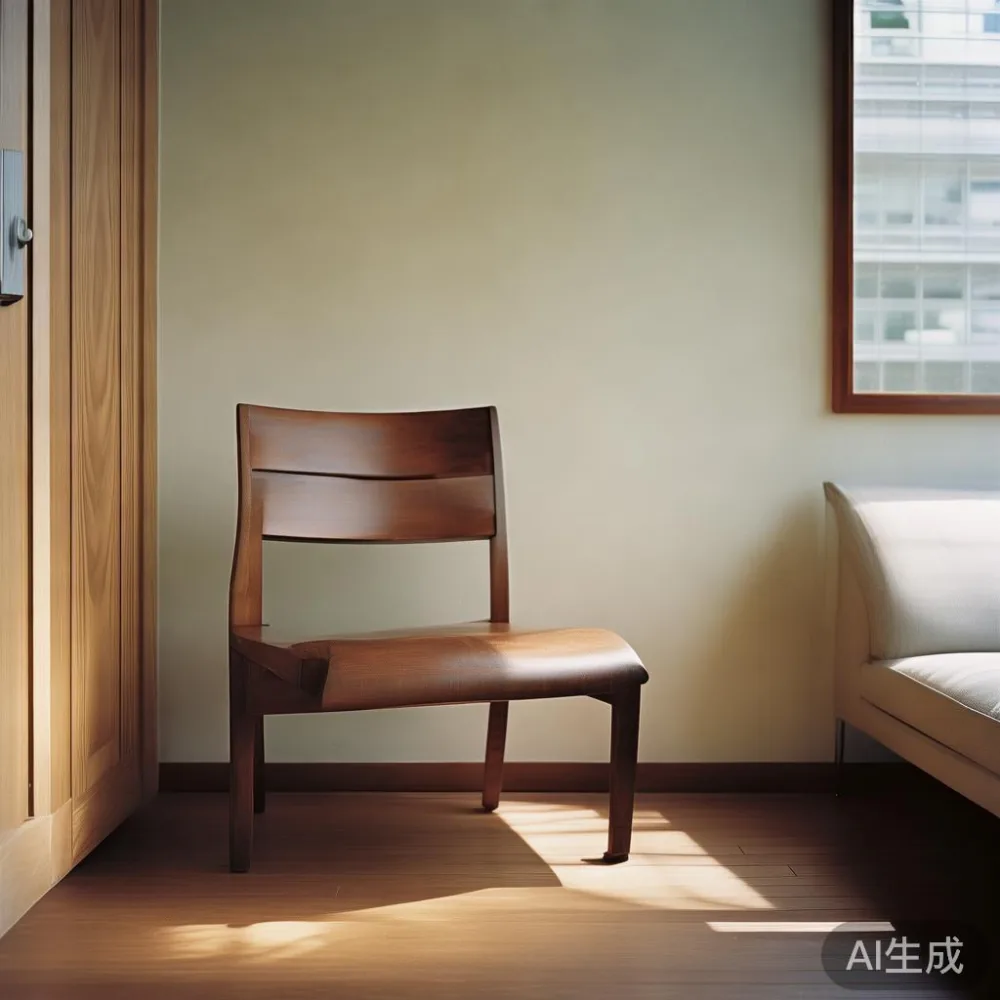
Southeast Asia does not have one fixed humidity level. A west-facing HDB living room in Tampines may behave differently from a Bedok condo unit near the coast, and a Punggol bedroom can experience rapid daily changes when the door is opened to a dry, air-conditioned corridor. In practical terms, a wood product should acclimatise at its destination for 7 to 14 days. Air movement matters too: closed cabinets need ventilation, while furniture placed against a cold return-air grille should be moved at least 30 cm away.
This guide explains how humidity affects wood, what apartment dimensions reveal before delivery, and how owners can protect furniture without making their homes feel heavy. It also considers the narrow lift and corridor measurements common in Singapore housing and the inclusion of 9% GST in a furniture budget.
How does humidity change solid wood furniture?
Wood is hygroscopic: it takes in moisture when the surrounding air is humid and releases it when the air is dry. The movement is small in one direction and larger across the grain. A 180 cm solid oak dining table might expand by only 1 to 2 mm along its length, but a wide 90 cm top can change by roughly 3 to 6 mm across the grain during severe seasonal variation. That amount is modest, yet repeated swelling and shrinking can loosen joints, open small gaps, and make coatings feel uneven.
In Singapore, a relative-humidity reading between 55% and 70% is a reasonable target for most occupied interiors. Coastal humidity may sit outside that range for days, so a hygrometer remains useful. Place one in the bedroom or living room at about 100 cm above the floor. Check it at 8 a.m. and 8 p.m. on several days. If the display repeatedly climbs above 75%, consider improving airflow or using a dehumidifier with a tank capacity of 20 to 30 litres.
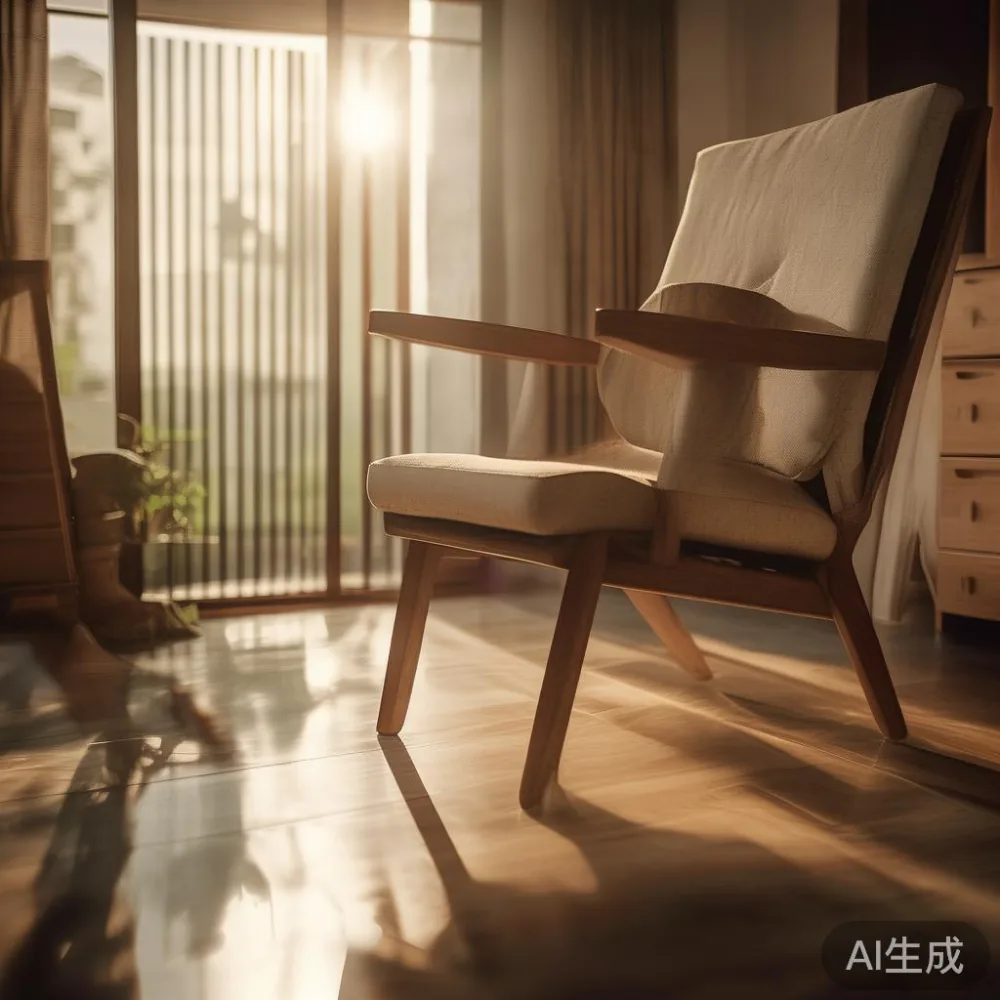
The risk depends on the panel. A well-seasoned solid wood table, a mortise-and-tenon bed frame, and a properly fitted wardrobe can tolerate normal movement. Particleboard, thin veneer, and laminated panels may react differently because their adhesives and layers respond differently to moisture. A marble table is less sensitive across the slab, although its base, fixings, and cabinetry still need protection from water.
Should Singapore homeowners air-condition an entire room to control furniture humidity?
Overcooling can create a second problem. Air conditioners may lower relative humidity to 20% or 30%, especially during long night cycles. A wooden surface can then contract more noticeably, and leather or upholstered components attached to an ergonomic chair may develop tension at the seams. A comfortable indoor target near 24 to 27°C and 55% to 70% relative humidity is usually more balanced than chasing the lowest possible moisture reading.
Do not aim air directly at a solid wood sofa, bed frame, wardrobe, or nightstand. Keep the return grille at least 30 cm from large furniture panels where possible, and avoid placing a dining table under a vent. If condensation appears on a window, treat that as a sign that room ventilation, insulation, or dehumidification needs attention rather than assuming the furniture itself has failed.
For HDB flats and condos, doors and corridors are also part of the moisture story. During delivery, do not leave a new wardrobe beside a wet mop bucket or in a room where laundry is drying. Allow wooden goods to acclimatise before installing them tightly against a wall. Leave a 20 to 30 mm rear ventilation gap where the design permits, and follow the maker’s instructions if the installation requires a different clearance.
What delivery measurements matter in Tampines, Bedok, and Punggol?
Humidity care begins before the furniture reaches the unit. Measure the lift door, lift car, turning corners, corridor width, stair access, and the final doorway. For example, record a lift opening of 90 cm, a car depth of 130 cm, a corridor width of 120 cm, and a flat entrance door of 85 cm. Compare those figures with the packaged dimensions of each item. A solid wood sofa may be difficult to manoeuvre even if it fits through the door on paper because the diagonal length matters.
Packaging should remain intact until the furniture is inside the correct room. Heavy dining tables and wardrobes commonly weigh 70 to 160 kg, while a large bed frame may require 2 to 4 people and lifting straps rated above 100 kg. Ask the supplier for a written plan when a product exceeds the lift-car dimensions. A crew that has measured the route in advance is less likely to damage walls, floors, or door frames.
In Singapore, build the all-in budget in SGD and add 9% GST if the quotation does not include it. A dining table priced at SGD 1,850 becomes SGD 2,016.50 with GST. A wardrobe at SGD 2,400 becomes SGD 2,616.00. Delivery often adds SGD 80 to SGD 250 for a standard apartment route, while carrying a large item up a staircase may add SGD 150 to SGD 500. Confirm insurance, assembly, and return terms in writing.
MIDHILL’s export experience across 15 or more countries is relevant here because packing standards must survive heat, humidity, and long transit routes. For local customers, the delivery plan should still be adapted to the actual HDB block or condo, not treated as a generic doorstep job. Allow 7 to 14 days for production or preparation, plus 1 to 5 delivery days depending on stock and access. A 10-year structural warranty can give confidence in joinery, but it does not replace sensible moisture maintenance.
How should each wooden furniture category be protected?
For a dining table, place it away from an open balcony door that admits rain and use coasters with a base of at least 8 cm. Wipe spills within 10 minutes, especially around ring marks and joints. Avoid leaving wet food covers or damp cloths on the surface overnight. In humid periods, a breathable furniture wax applied every 6 to 12 months can help slow moisture exchange, although the product must suit the finish.
A bed frame needs space for airflow and stable support. Check the headboard fixings at 3, 6, and 12 months. Do not push a solid wood bed frame into a corner where ventilation is poor, and keep bedding from touching wet window frames. For a wardrobe, allow the doors to operate fully and inspect the bottom edge after heavy rain. Hanging clothes provide little protection against damp air, so a dry room is still useful.
A nightstand should not sit directly beneath a leaking air-conditioning pipe, and its drawer should not be used to store damp towels. For a marble table, dry the stone promptly with a soft cloth and clean the joints around the base. Marble is less vulnerable to humidity than timber, but standing water can stain the surface or affect adhesives underneath.
Upholstered seating requires a related routine. A solid wood sofa should be vacuumed with a brush attachment every 1 to 2 weeks, and cushions should be distributed periodically to prevent permanent compression. If you are considering how to style European sofa in apartment, scale the seating to the living room and leave 60 to 75 cm of circulation space behind it. Low humidity can also make leather or fabric feel stiff, so avoid placing a sofa directly in a strong draught.
For a coordinated living room, the phrase Industrial for small living room can describe a layout direction rather than a humidity solution. Combine compact furniture with clear pathways and modest ornament. Keep the room visually calm so it does not feel crowded.
Can a French light luxury interior work with humid weather?
French light luxury can suit Singapore apartments when pale finishes, restrained profiles, and durable materials are chosen with the climate in mind. A solid wood dining table with a light natural finish may brighten a compact HDB dining area, while a fabric sofa with removable covers can be serviced more easily. Post-modern light luxury also works through clean geometry, slim legs, and a small number of well-proportioned forms rather than excessive decoration.
The material should be matched to the use. A Modern light luxury wardrobe with ventilated backing, adjustable shelves, and soft-close hinges is more practical for a humid bedroom than a tightly sealed decorative cabinet with weak ventilation. Keep collectible objects and papers in sealed boxes, and leave 30 mm behind freestanding units where the manufacturer allows it.
A dining table is often the centre of a condo living area, but it should not be treated as an indoor storage surface. In a Punggol home where the dining zone is near the balcony, use a mat under plants and keep water away from the table legs. In Bedok, where coastal dampness may persist longer, inspect the underside of the tabletop after cleaning.
Seating deserves the same attention. If the room includes an ergonomic chair, keep its five-star base clear of carpet fibres and avoid dragging it across damp flooring. Check the lift mechanism every 6 months, and tighten fasteners only to the maker’s specification. An ergonomic chair can provide comfortable posture, but humidity control protects the seat frame, armrests, and gas lift from environmental swings.
For a bedroom project, the question “is Japanese wardrobe worth it” is partly a humidity question. Good Japanese-style storage may use quality hardware, precise fittings, and useful internal zoning, but those features matter only if the unit is installed away from dampness. Compare the wood moisture content, panel construction, warranty, and ventilation provisions rather than relying on a style label.
What should I inspect after a rainy week or an air-conditioned night?
Begin with a 5-minute visual inspection. Look for water marks, dull patches, swollen edges, loose veneer, gaps between panels, and musty smells. Pay attention to the back of a wardrobe, the underside of a dining table, and the lower edge of a nightstand. Do not rub a suspicious mark, because moisture may still be moving through the wood.
Measure relative humidity again. If it is above 75% for many hours, improve ventilation, run a dehumidifier, or move drying laundry out of the room. If it falls below 35% for long periods, reduce direct air-conditioning exposure and allow the furniture to acclimatise gradually. Sudden changes are harder on wood than a stable reading slightly above the preferred range.
For an upholstered ergonomic chair, lift the seat cushion slightly and check for damp foam or a musty odour. Remove the cushion only if the manufacturer permits it, and air it for several hours in a dry, ventilated space. Never use a high-temperature dryer, because heat can damage foam, fabric, and adhesives.
For coated wood, follow the care instructions for the specific finish. Oils, water-based lacquers, and waxes have different maintenance intervals. Test any product on a hidden 5 cm area and wait 24 hours. If a joint has opened, contact the supplier rather than filling it with household glue or paint.
Last month I visited a Singapore apartment where a new solid wood dining table had been installed beside a west-facing window. The owner had seen it develop a pale ring after a drinks tray was left in place for 2 hours. The table was wiped dry and the tray removed; after the humidity returned below 70%, the mark was treated according to the finish instructions. The incident was a good reminder that a coaster is not a substitute for wiping spills promptly.
How can owners maintain furniture without over-maintaining it?
Use a simple schedule. Check the hygrometer twice daily during a particularly wet week. Dust seating and tables weekly, inspect floor-contact points every 3 months, and review the dining table finish every 6 months. Keep coasters, felt pads, and a soft microfibre cloth near the dining zone. Avoid moving a heavy dining table across the floor without lifting it, because dragged legs can damage both the floor and the table joints.
For a solid wood sofa, lift the cushions and vacuum underneath every 2 to 4 weeks. Rotate loose cushions monthly so wear is distributed. A bed frame needs a hardware check after the first month, then every 6 to 12 months. Wardrobe runners and hinges should be cleaned with a dry cloth; lubricate them only when the manual recommends a product.
Choose care products compatible with the finish, and keep records of delivery dates, warranty documents, and refinishing history. A lifetime refinishing service is helpful for a major piece, but routine humidity control determines how often that service is needed.
When comparing light-luxury designs, consider the best Italian light luxury bed for 2026 by looking for stable joinery, replaceable components, matte finishes that conceal minor marks, and dimensions that can pass through your building’s access route. Likewise, the best Italian light luxury sofa for 2026 is not only about appearance; removable covers, replaceable cushions, and accessible frame components matter in a humid apartment.
For local sourcing, a Foshan factory can offer useful production knowledge, but the buyer should still request dimensions, timber specifications, moisture-control details, and delivery assumptions in plain language. Confirm whether the quoted product is solid wood, engineered wood, veneer, or a combination. Ask how long the piece should acclimatise and what the supplier will do if humidity-related movement develops.
MIDHILL’s furniture language can remain light and aspirational while the practical choices stay grounded: use solid wood where it suits the room, choose finishes suited to humidity, and measure access before ordering. A 14-day return window is another reason to inspect a piece promptly and keep packaging until the furniture has acclimatised.
A good rule is to keep relative humidity near 55% to 70%, remove water within 10 minutes, provide air around large wooden surfaces, and avoid placing furniture directly against cold air outlets or damp walls. These habits take only a few minutes each week and help protect a dining table, bed frame, wardrobe, nightstand, marble table, solid wood sofa, and ergonomic chair through Singapore’s changing seasons.