Humidity-Proof Solid Wood Furniture: Perfect for Singapore
Singapore’s equatorial climate can make indoor relative humidity fluctuate sharply. A Tampines HDB flat may experience about 60% RH on a rainy afternoon and 45% RH when an air-conditioner works hard, while a Bedok condo near the sea can receive moisture through ventilation, glazing, and balcony doors. These changes affect solid wood furniture long before a visible mould spot appears: the timber expands, contracts, and responds unevenly.
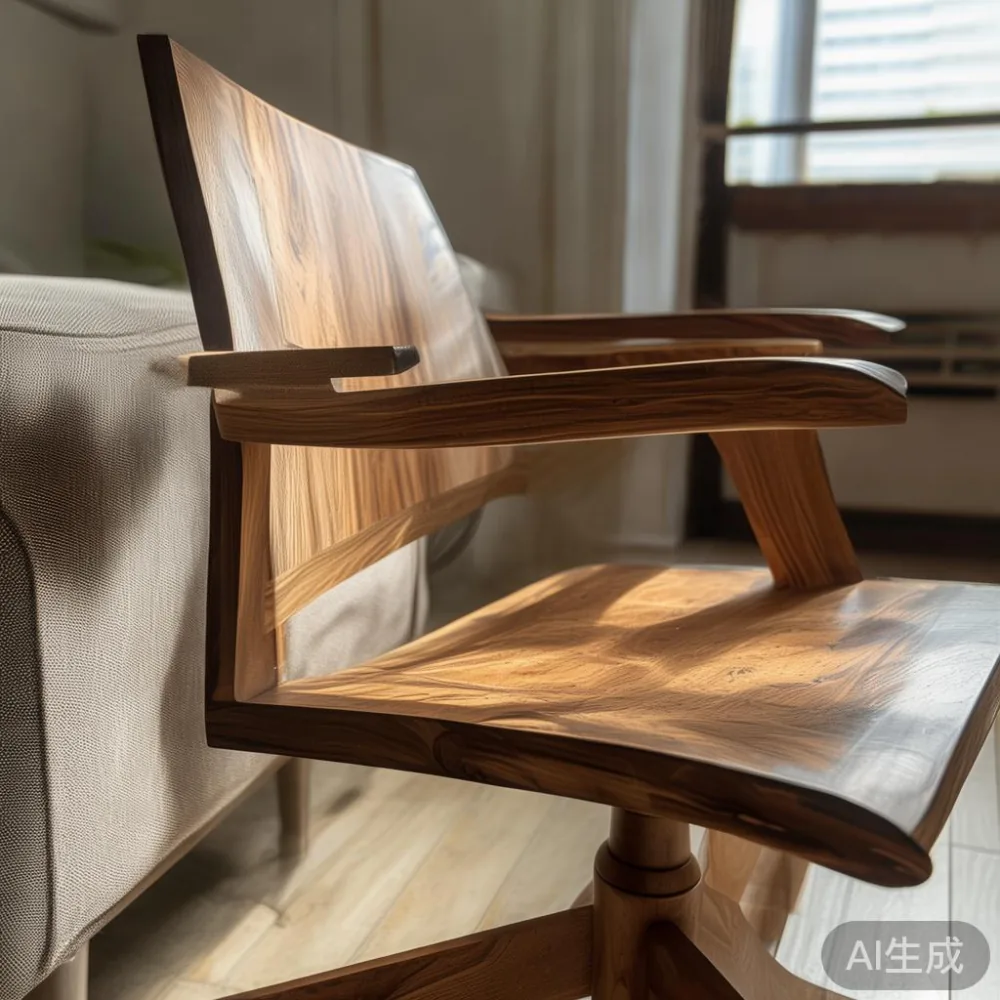
That is why furniture for Singapore should be specified with climate-aware joinery, properly finished surfaces, sensible placement, and realistic delivery planning. MIDHILL designs solid wood furniture for export markets, including more than 15 countries, and supports each piece with a 10-year structural warranty, lifetime refinishing service, and 14-day returns. Its production facility dates to 2008.
Humidity control cannot remove every risk, especially in a compact home where an ergonomic chair, solid wood sofa, bed frame, dining table, wardrobe, nightstand, and marble table may share limited space. The practical approach is to combine stable indoor conditions with furniture that tolerates normal seasonal movement. Think French light luxury for restrained profiles, American light luxury for generous comfort, or post-modern light luxury for graphic forms—each translated for Singapore apartments rather than treated as a climate category of its own.
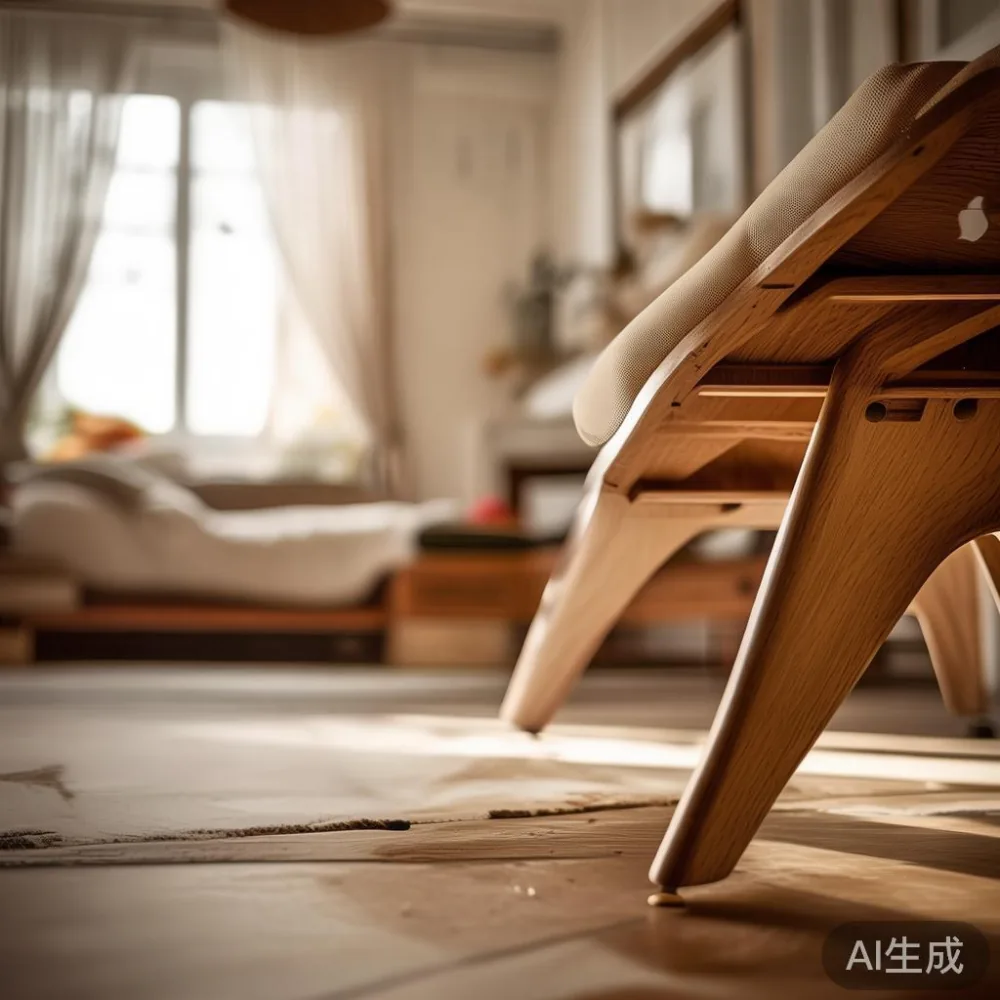
What relative humidity actually does to solid wood?
Wood is hygroscopic: it exchanges moisture with the surrounding air. Solid timber generally changes dimension across the grain when relative humidity rises. A 180 cm-wide oak dining table might move by roughly 2–4 mm with moderate humidity variation; a 200 cm-long solid wood bed frame can show similar movement. The movement is normal. Splits, lifted edges, stuck drawers, and joint failure occur when movement is excessive, abrupt, or restricted.
In Southeast Asia, outdoor conditions often sit near 80–90% RH for much of the year. Indoors, air-conditioning may pull readings down to 40–50% RH. A new dining table delivered into a room at 42% RH can absorb moisture after installation. If the same room later reaches 78% RH, the timber responds repeatedly. Veneered sheet goods can move too, but they often have less visible movement along an engineered edge; solid wood needs appropriate construction and a finish that can accommodate dimensional change.

For a practical Singapore home, aim for approximately 45–60% RH and avoid rapid swings of more than 10% RH within 24 hours. Place a calibrated hygrometer near the floor and another by a frequently used wardrobe. Readings within 3% of each other suggest reasonably even conditions. If condensation appears on a window or marble table, manage ventilation and cooling before adjusting the wood.
Humidity also affects different products differently. An upholstered ergonomic chair may develop mould if foam and textile remain damp, although the frame must also be stable. A solid wood sofa with loose cushions can hide a damp floor problem. A marble table is not hygroscopic in the same way as timber, but its stone, sealant, and contact points still need care. A wardrobe with tall doors needs expansion clearances and reliable alignment. A nightstand near a bathroom should not be treated like a moisture-resistant bathroom cabinet.
How should I protect a solid wood dining table in a humid HDB flat?
For a dining table, control the room rather than trying to make the timber motionless. In many HDB layouts, the dining area is close to the kitchen, where steam and cooking moisture collect. Use the hob’s extraction fan, keep windows closed during peak afternoon rain when outdoor RH is above 80%, and run air-conditioning when the room feels persistently damp. A table placed 60–90 cm from a window receives less direct condensation than one against the glass.
Leave about 5–8 mm of breathing space between the tabletop and walls where practical. Do not seal a solid wood dining table permanently beneath a heavy plastic mat. Felt pads under the legs protect the floor and allow slight cleaning access, while coasters with a diameter of at least 8 cm help limit ring marks. Wipe spills within 10 minutes and dry the surface with a soft cloth; do not use a soaked rag.
Singapore’s lift and corridor dimensions deserve attention before delivery. A standard residential lift door may be about 80–90 cm wide, while a full-size dining table can exceed 200 cm. Tables are often better carried upstairs vertically, but check the route, ceiling height, turning radius, stair landings, and any service lift. MIDHILL can coordinate delivery requirements before dispatch. Delivery normally takes 7–21 days after order confirmation, subject to the destination and stock position, and shipping over US$350 is free under the stated policy.
What humidity level is safe for an ergonomic chair and a solid wood sofa?
An ergonomic chair should sit in a stable zone, usually away from an open balcony door where rainwater can enter. Its solid wood components—seat frame, back structure, arm supports, and base—need the same dimensional tolerance as case goods. Upholstery adds another layer: keep the seat dry, remove cushions when cleaning, and avoid placing damp clothing against the fabric.
For a solid wood sofa in a Bedok or Punggol home, leave at least 10–15 cm behind the back for airflow if the wall is cool or damp. A gap of 30–45 cm is more comfortable in a living room and helps a standing fan distribute conditioned air. Keep the sofa at least 30 cm from a persistent condensation point, such as a misting unit or poorly sealed window. Check underneath every 2–3 months in humid months, particularly if the home is unoccupied during the day.
Office workers often move an ergonomic chair between a master bedroom and a home-study desk. Treat repeated relocation as a potential source of stress: tighten fasteners gradually and check the mechanism every 6 months, not every day. A chair rated for a user of up to 120 kg requires a sound base, correct adjustment, and a level floor. The same schedule—checking fixings and joints every 6 months, inspecting surfaces every 12 months—fits most solid wood furniture.
Choose light-coloured textiles and pale timber finishes carefully in high-humidity rooms. They show soil and water marks sooner, although colour does not change the timber’s hygroscopic behaviour. A breathable upholstery, replaceable cushion covers, and a wipeable hard-wax oil finish generally suit Singapore conditions better than an untreated surface.
How do I keep a wardrobe and nightstand dry?
A wardrobe in a compact condominium bedroom can be affected by two different moisture sources: outdoor air admitted through the balcony and indoor humidity trapped in a narrow corridor. The useful design response is airflow within the cabinet, discreet ventilation where needed, and doors that can expand without binding. For an American light luxury wardrobe, broad panels and generous storage can make ventilation even more important.
Leave 5–8 cm behind a freestanding wardrobe when the wall is exterior-facing, or at least 2–3 cm for controlled interior conditions. Do not push a solid wood wardrobe hard against a cold wall. Check the top and base for dampness twice during unusually wet periods. Hanging clothes absorb ambient moisture, so use the wardrobe’s internal storage thoughtfully and avoid overfilling the rails.
A nightstand should stand where a mattress cannot press against its back and drawers. Keep it 20–30 cm away from an ensuite bathroom door if warm moist air enters that space. Use a coaster and tray for a cup, and move laundry out of a small bedroom. If a nightstand has a marble top, dry the stone and joint lines carefully because trapped water can affect the adhesive interface even when the marble itself does not warp.
For bedroom planning, the phrase how to style European wardrobe in bedroom is useful for proportion and finish, but climate placement matters equally. A European-style fitted unit that reaches the ceiling may improve storage yet restrict inspection and airflow. By contrast, a freestanding design with a 5–8 cm service gap offers more practical access in humid weather.
Can a bed frame warp near an open balcony?
A bed frame can move across the grain as moisture changes, especially if one side receives more humid air than the other. A solid wood bed frame in Punggol should be kept away from an open sliding door, not merely away from visible rain. Position it so no side is against a cool exterior wall, and maintain about 15–20 cm of clearance on more exposed sides where the room permits.
Allow the frame to acclimatise gradually after delivery. Remove the protective packaging, retain the finish and hardware, and keep the room within 45–60% RH where possible. Do not place the frame directly on a damp carpet. Check the centre support every 6 months and inspect fixing points after the first 30 days, when the furniture has settled into its final position.
There is a style angle to a Japandi bed, but placement comes before decoration. If you are working out how to style Japandi bed in room, begin with airflow, wall clearance, and access to the under-bed area. Pale oak or ash visually lightens a small bedroom, while a low profile can reduce visual clutter in an HDB room. Yet a low bed placed beside a humid balcony still needs protection.
Mid-century modern for bedroom planning works well with a solid wood bed frame because the material can be shown rather than concealed. For a broader room scheme, luxury Mid-century modern furniture may include tapered legs, clean lines, and warm wood tones. Choose a finish with a proven cleaning protocol and avoid an expectation that the timber will remain perfectly motionless throughout the year.
How often should I clean and refinish furniture in Singapore?
Clean solid wood every 1–2 weeks during humid months, then monthly when air-conditioning keeps the room stable. Use a lightly damp microfibre cloth, follow the grain, and dry immediately. Avoid ammonia, silicone spray, and furniture polish unless the manufacturer confirms compatibility with the finish. Keep moisture away from joints, seams, and hardware.
Inspect dining tables and desks every 3 months for small changes, and wardrobes, bed frames, and nightstands every 6 months. Look for drawer alignment, loose joints, finish wear at armrests, and dampness beneath legs. An ergonomic chair needs a different routine: clean the seat and back every 2–4 weeks, vacuum mechanisms every 3 months, and check height, tilt, and arm adjustments every 6 months.
Refinishing should follow wear rather than humidity alone. A table with a 1–2 mm deep scratch may only need spot care, while a sunlit tabletop with worn finish may need sanding and recoating after 3–5 years. MIDHILL offers lifetime refinishing, so retain proof of purchase and photographs of the original finish. The service scope should be confirmed for shipping, handling, and the specific piece.
For a solid wood sofa, vacuum cushions weekly and remove loose covers for cleaning according to their care label. A marble table should be wiped with a neutral cleaner and checked for dull patches that may indicate residue. Never use lemon juice, vinegar, or acidic household cleaners on stone or unknown timber finishes.
What should buyers check before delivery to Singapore?
Check the room’s measurements, not only the furniture. For a 180 cm dining table, allow a surrounding zone of at least 90 cm on the two main sides; 120 cm is preferable where chairs are pulled out regularly. A bed frame needs the mattress size plus 5–10 cm on each side for stability, while a 200 cm wardrobe may need 90 cm of open door space in front.
Measure the lift door, lift car, corridor turns, entrance, and bedroom door. If the largest lift opening is 80 cm, a 70–90 cm nightstand can usually pass through more easily than a 120 cm sideboard. Protect corridor walls with the delivery team’s approved covers, and confirm whether the building requires a booking through the property manager.
Budget in SGD for the full ownership journey, not only the product. A dining table may cost SGD 1,280–2,680 depending on timber, dimensions, and finish; an ergonomic chair may range from SGD 380–1,180; a solid wood sofa from SGD 2,180–5,600; a bed frame from SGD 980–2,280; a wardrobe from SGD 1,680–4,200; a nightstand from SGD 280–680; and a marble table from SGD 980–2,880. Singapore GST at 9% may apply to imported purchases, and the seller should clarify whether the displayed price includes tax, delivery, and any customs charge.
For product guidance, a search for american sofa set design can help with scale and upholstery planning. Likewise, the best Coastal sofa for 2026 should be understood as a style shorthand, not a moisture guarantee. A pale, relaxed coastal palette suits Singapore homes visually, but a solid wood sofa still needs dry placement, airflow, and careful cleaning.
My own test was practical rather than showroom-based. Last month I visited a colleague’s three-room Tampines flat and placed a sample oak panel in the living room for 21 days. The flat sat near 74% RH during wet afternoons and about 47% RH after air-conditioning. The panel’s width changed by about 0.6 mm, and the drawer on a matching nightstand developed a slight drag before returning to normal alignment as conditions stabilised. The result reinforced a simple rule: finish quality and controlled environment matter together.
The right furniture for Southeast Asia is not furniture that never moves. It is furniture engineered to move within safe limits, paired with a home that manages moisture sensibly. Specify solid timber carefully, measure the delivery route, maintain approximately 45–60% RH, inspect every 6 months, and use the 14-day return window to assess fit and finish in the actual room.