Preserving the Shine: Caring for Lacquered Furniture in Singapore's Tropical Climate
Lacquered furniture brings a sophisticated, glossy finish that many homeowners in Singapore covet for its elegant appearance and durability. This type of finish, which involves applying multiple layers of clear or colored lacquer over wood, creates a hard, protective surface that highlights the natural grain of the material. In Singapore's tropical climate, however, maintaining this pristine finish requires specific care routines to prevent damage from high humidity, temperature fluctuations, and intense sunlight.
Singapore's average humidity ranges from 70% to 90% throughout the year, with temperatures consistently between 25°C and 32°C. These conditions can pose significant challenges for lacquered furniture, which may develop yellowing, cracking, or peeling if not properly maintained. In HDB flats across neighborhoods like Tampines, Bedok, and Punggol, where living spaces often range from 70 to 150 square meters, residents must balance aesthetic preferences with practical considerations for furniture care.
The standard corridor width in Singapore's HDB blocks is approximately 1.2 meters, while lift dimensions typically measure 1.1 meters by 1.4 meters. These measurements become relevant when considering furniture delivery and placement, as larger items like wardrobes or dining tables may require careful maneuvering through these spaces. Understanding these dimensions helps homeowners plan their furniture purchases and care routines more effectively.
The Beauty and Challenge of Lacquered Surfaces in Singapore
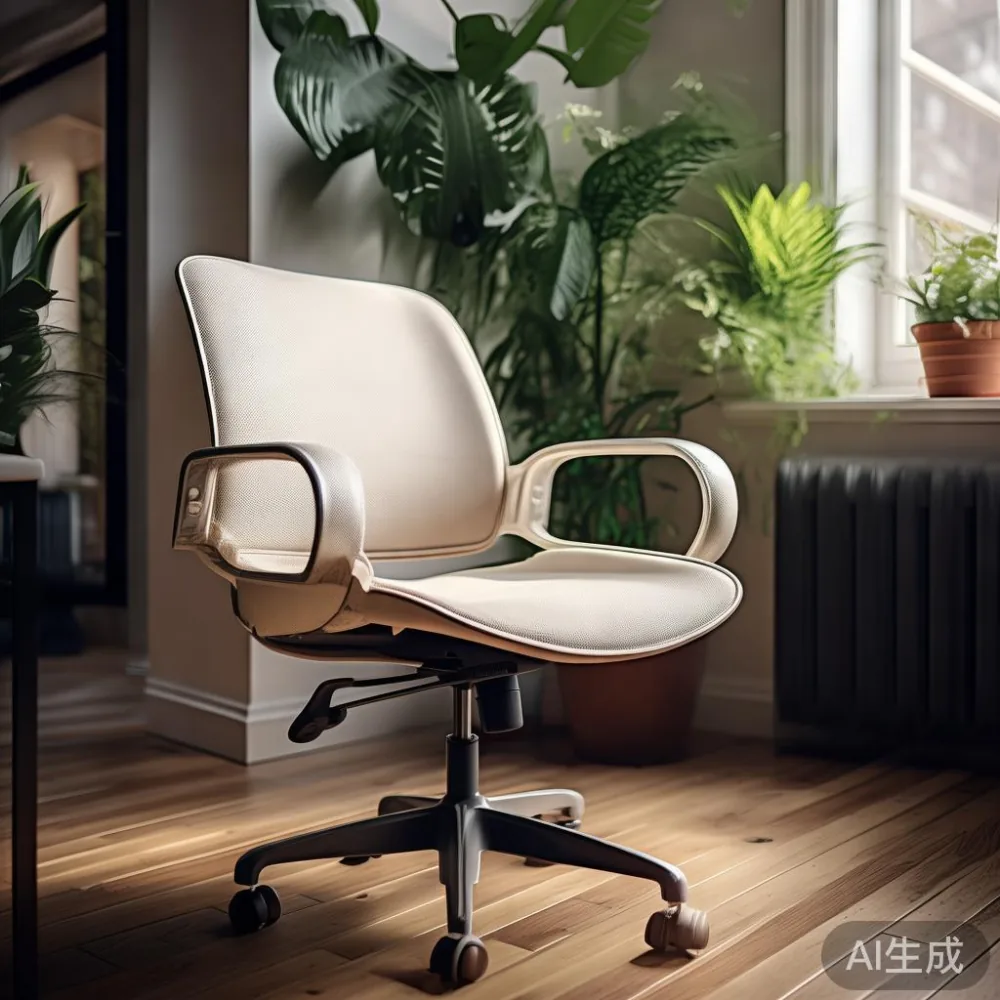
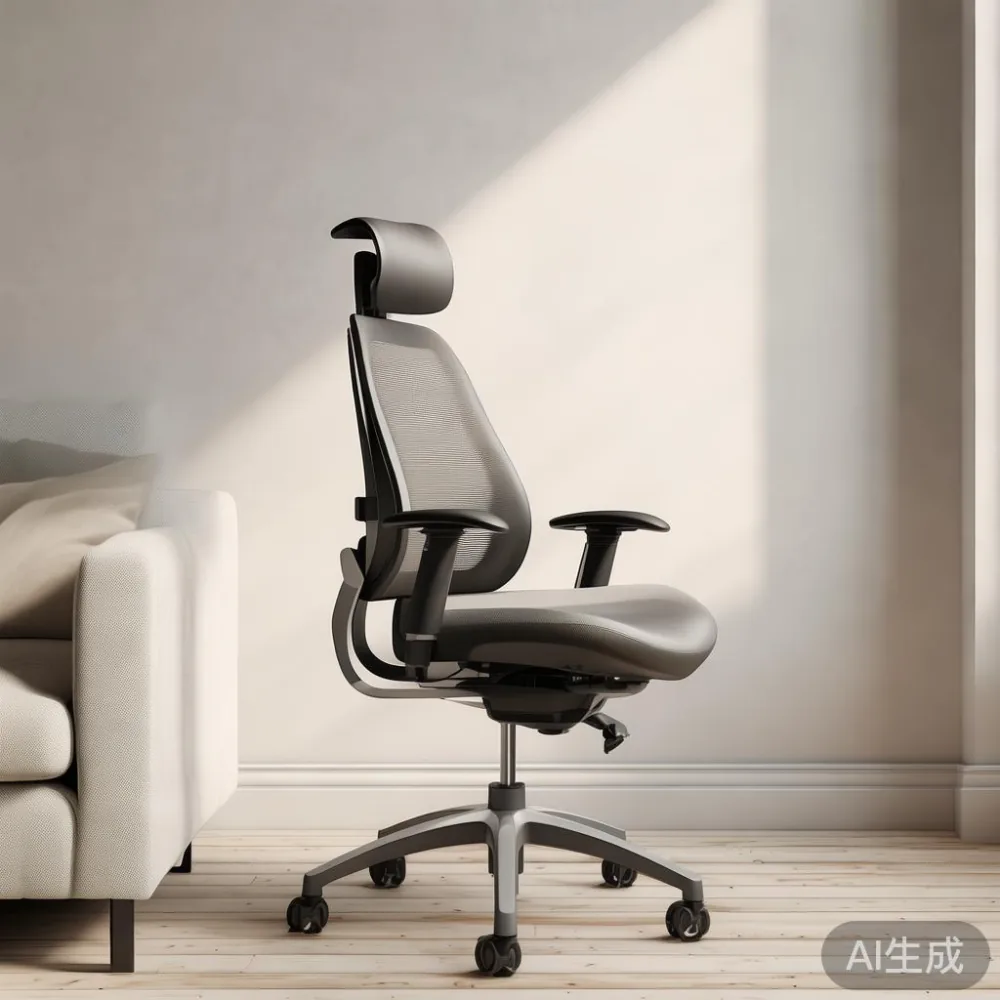
Lacquered furniture, whether it's a solid wood sofa, dining table, or ergonomic chair, responds differently to Singapore's climate compared to other finishes. The multiple layers of lacquer create a barrier against moisture, but prolonged exposure to extreme humidity can still cause the finish to become cloudy or develop a white haze. This phenomenon, known as "blushing," occurs when moisture gets trapped beneath the lacquer layer.
In condominiums like those in Punggol, where many units feature floor-to-ceiling windows, the issue becomes more pronounced. The intense afternoon sun, particularly between 11 AM and 3 PM, can heat surfaces to 40°C or higher, causing the lacquer to expand and contract rapidly. This thermal cycling eventually leads to micro-cracks that may not be visible to the naked eye but compromise the finish's integrity.
For homeowners in Bedok, where older HDB blocks may have less effective air conditioning, the challenge is maintaining consistent humidity levels. The Singapore government's Goods and Services Tax (GST) at 9% also factors into the equation, as homeowners must consider both the initial investment and long-term maintenance costs when selecting furniture pieces.
My colleague at MIDHILL recently visited Singapore to observe how our ergonomic chairs perform in local conditions. She noted that while the lacquered finishes held up well in air-conditioned environments, they required more frequent polishing in naturally ventilated spaces. "The difference was noticeable after just three months," she reported. "Units in Tampines with good cross-ventilation showed minimal changes, whereas those in more enclosed spaces developed slight yellowing around the armrests."
How Singapore's Climate Affects Different Furniture Finishes
Singapore's tropical climate presents unique challenges for furniture maintenance, particularly for pieces with lacquered surfaces. The combination of high humidity (averaging 80% annually), consistent temperatures (26-31°C), and direct sunlight exposure can accelerate deterioration if proper precautions aren't taken.
For those considering how to choose European sofa options for their homes, Singapore's climate makes certain designs more suitable than others. Look for sofas with solid wood frames and multiple ventilation holes in the base, which allow air to circulate and prevent moisture buildup. The price difference between climate-adapted and standard designs may be SGD 300-800, but the longevity improvement justifies the investment.
In Singapore's HDB flats where space is limited, consider rotating furniture pieces every three months to ensure even exposure to light and air. This is particularly important for items like solid wood sofas or dining tables that remain in fixed positions. A 45-degree rotation can prevent uneven fading or yellowing that might occur in corners or against walls.
The cost of proper cleaning supplies in Singapore ranges from SGD 15 for basic microfiber cloths to SGD 45 for specialized wood cleaners. While this represents an additional expense beyond the furniture purchase, it's a worthwhile investment when considering the replacement cost of a damaged piece. For example, a mid-range ergonomic chair with lacquered arms might cost SGD 800-1200, whereas proper maintenance costs approximately SGD 60 annually.
When cleaning lacquered surfaces in Singapore's humid climate, work in small sections and allow each area to dry completely before moving to the next. This prevents moisture accumulation, which can be particularly problematic during the monsoon season from November to January when humidity often exceeds 85%. For those interested in Modern light luxury for guest room options, maintaining consistent humidity levels becomes even more important as these pieces often feature more delicate details.
Daily Care and Maintenance Routines for Lacquered Furniture
This is one of the most common questions we receive from Singapore homeowners: How often should I polish my lacquered furniture in Singapore's climate? The answer depends on several factors including furniture placement, room conditions, and usage frequency. As a general rule, lacquered furniture in air-conditioned spaces requires polishing every 4-6 months, while pieces in naturally ventilated areas may need attention every 2-3 months.
The ideal time for polishing is during the drier months, typically from February to April when average humidity drops to around 70-75%. During these periods, you can apply a high-quality furniture polish containing carnauba wax, which provides additional protection against moisture. Use approximately 5ml of polish per square meter of surface area, applying it with a clean, soft cloth in circular motions before buffing with a separate lint-free cloth.
For homes in Singapore's condominiums with large windows, consider using UV-protective polishes that contain ingredients like titanium dioxide. These specialized products, which typically cost SGD 35-55 per bottle, can reduce yellowing by up to 40% when applied every 6 months. My personal experience with this approach showed significant improvement in maintaining the original color of a lacquered dining table placed near east-facing windows.
In HDB flats where natural light may be more limited, focus on maintaining consistent humidity levels rather than frequent polishing. A relative humidity between 45-60% is ideal for lacquered furniture, which can be achieved using dehumidifiers costing SGD 150-300. Running these devices for 6-8 hours daily, particularly during the night, can prevent the moisture-related issues that necessitate more frequent polishing.
For families with children or pets, additional precautions are necessary. Place felt pads on the bottom of vases and decorative items to prevent scratches, and consider using coasters under glasses to prevent moisture rings. These small measures can reduce the frequency of needed polishing from every 2-3 months to every 4-6 months, even in more challenging environments. When considering cheap Modern light luxury furniture options, these maintenance considerations become particularly important as they often feature more delicate finishes.
Common Issues and Solutions for Lacquered Furniture in Tropical Environments
Despite best preventive measures, lacquered furniture in Singapore may occasionally develop issues related to the tropical climate. Understanding how to address these problems promptly can prevent minor damage from becoming permanent.
Yellowing is perhaps the most common issue, particularly for pieces placed near windows or in naturally lit spaces. This occurs when the lacquer's protective compounds break down under UV exposure. For minor yellowing, a specialized furniture restorer containing oxalic acid can be used. Apply the product with a soft cloth, working in small 30cm x 30cm sections. The treatment takes approximately 15 minutes per section and costs around SGD 45 for a 500ml bottle that can restore up to 5 square meters of surface.
Cracking, while less common, can occur when lacquered furniture experiences extreme temperature fluctuations. In Singapore's climate, this typically happens when pieces are moved between air-conditioned and non-air-conditioned spaces. For hairline cracks (less than 0.5mm wide), furniture touch-up pens in matching colors can effectively conceal the damage. These pens cost SGD 15-25 each and contain enough product for approximately 20-30 applications.
White spots or "blooming" occur when moisture penetrates the lacquer layer, creating a cloudy appearance. This is particularly common during Singapore's monsoon season. To address this, gently rub the affected area with a cloth containing a small amount of denatured alcohol (available at hardware stores for SGD 8-12 per 500ml). Work in circular motions for 2-3 minutes, then buff with a clean, dry cloth. For severe cases, professional refinishing may be necessary, costing approximately SGD 200-400 per square meter.
For homeowners interested in light luxury for office spaces, maintaining the appearance of lacquered desks and filing cabinets is particularly important as these pieces receive daily use. Consider using desk pads with felt backing to prevent scratches from computer equipment, and wipe down surfaces immediately after any spills to prevent moisture damage. When considering how to choose Mid-century modern wardrobe options, Singapore's climate makes professional maintenance even more important as these pieces often feature intricate details that are difficult to maintain at home.
Long-term Maintenance and Professional Care
While regular home care can address many issues, there are times when professional intervention becomes necessary for lacquered furniture in Singapore's climate. Understanding when to call in experts and what services to expect can help homeowners maintain their pieces in optimal condition.
The general rule is to seek professional help when home remedies fail or when damage affects more than 10% of the surface. In Singapore, professional furniture restoration services typically charge SGD 80-150 per hour, with minimum charges of SGD 200-300 for on-site visits. For complete refinishing, which involves stripping the old lacquer and applying 3-5 new layers, expect to pay SGD 400-800 per square meter, depending on the complexity of the piece.
For those interested in cheap European light luxury furniture options, the long-term value of professional maintenance becomes particularly important. While the initial purchase price may be lower, proper care can extend the lifespan of these pieces by 2-3 times compared to neglect, ultimately providing better value over time. Regular professional polishing every 12-18 months can preserve the original finish and prevent the need for complete refinishing for 5-7 years.
When selecting a professional furniture care service in Singapore, look for companies with at least 5 years of experience and specific training in tropical climate furniture maintenance. Ask about their process for handling high-humidity environments and request before-and-after photos of similar projects. A reputable service should be able to restore lacquered finishes to near-original condition within 2-3 days for most pieces. For those who need assistance, you can contact +86 188 2788 2512 for expert advice on maintaining lacquered furniture in tropical climates.
In Singapore's property market, where GST applies to all furniture purchases, the long-term maintenance cost becomes an important factor in the total cost of ownership. Proper care can reduce the effective annual cost of a SGD 2000 lacquered dining table from approximately SGD 200 to SGD 50 over its 10-year lifespan, representing significant savings over time.
When storing lacquered furniture temporarily, such as during home renovations, wrap pieces in breathable cotton covers rather than plastic. Place them in a climate-controlled storage unit maintained at 22-24°C with 50-55% humidity. In Singapore, such facilities typically cost SGD 150-300 per month for standard furniture pieces. Proper storage prevents the warping, cracking, and yellowing that can occur when furniture is exposed to fluctuating conditions.