Ergonomic Chair Warranty Reading Guide in Singapore
Warranties are easy to admire and difficult to read. A glossy page may promise 10 years of structural coverage, yet the small print can decide whether a broken joint, a scratched surface, or a failed lift mechanism is actually covered. For buyers in Singapore, where furniture often travels up shared corridors, through HDB lift lobbies, and into compact Tampines, Bedok, or Punggol homes, the wording deserves as much attention as the price tag.
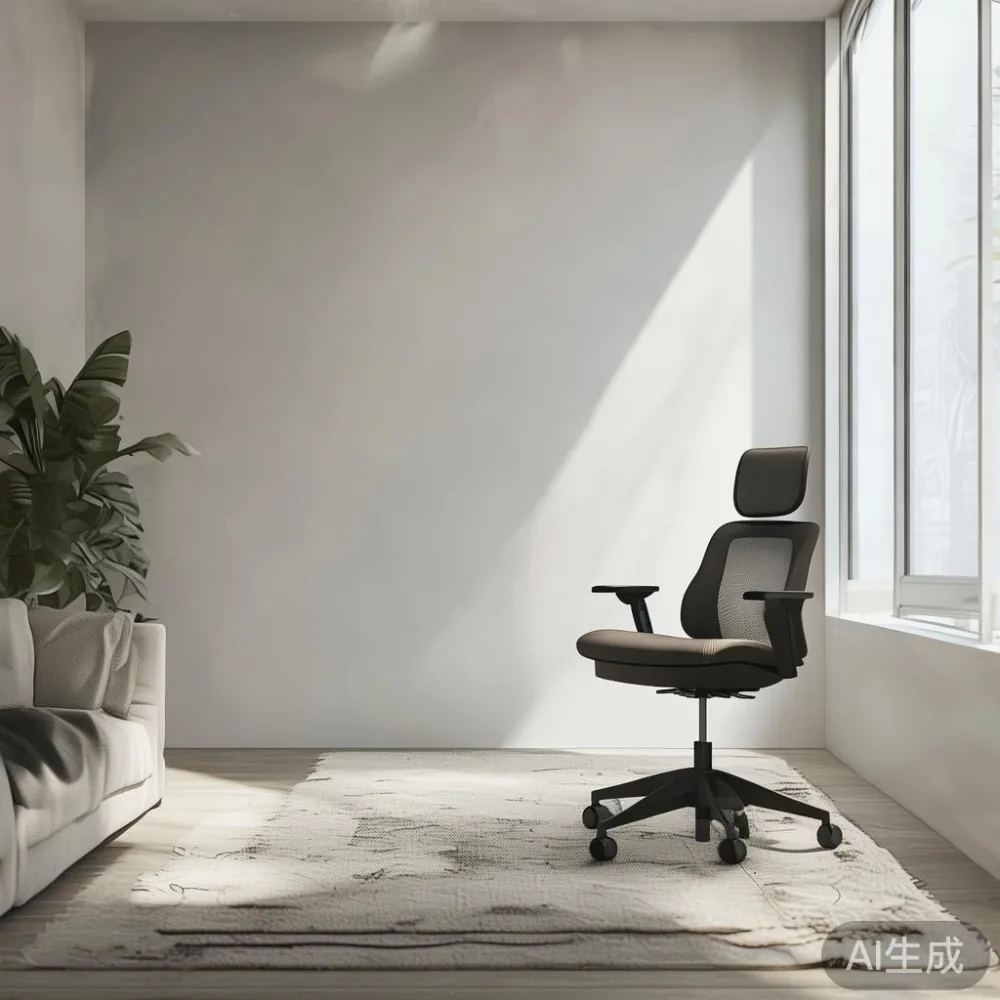
Last month, I visited a friend in Bedok who had bought an ergonomic chair from an online retailer. The chair looked convincing in the product photographs, but the warranty excluded “commercial use,” defined normal wear as a fault, and required a serial-number photograph that was never mentioned at checkout. The chair developed a squeaking seat after 8 months. The seller replaced a component under goodwill, not warranty. That experience is a useful reminder: coverage begins with definitions, not with the largest number printed on the box.
This guide explains how to compare warranties for an ergonomic chair, solid wood sofa, bed frame, dining table, wardrobe, nightstand, and marble table. It also shows where delivery promises, GST, and Singapore access conditions can complicate the apparent value of a guarantee. MIDHILL’s position—established in 2008, exporting to more than 15 countries, and offering a 10-year structural warranty with lifetime refinishing—provides a concrete reference, but the principles apply to any brand.
What does a 10-year furniture warranty actually cover?
A 10-year furniture warranty usually covers defects in materials or workmanship affecting the product’s structure. It does not mean every part remains trouble-free for 3,650 days. Read the list of covered components and ask what happens if a component becomes unavailable after, for example, year 6.
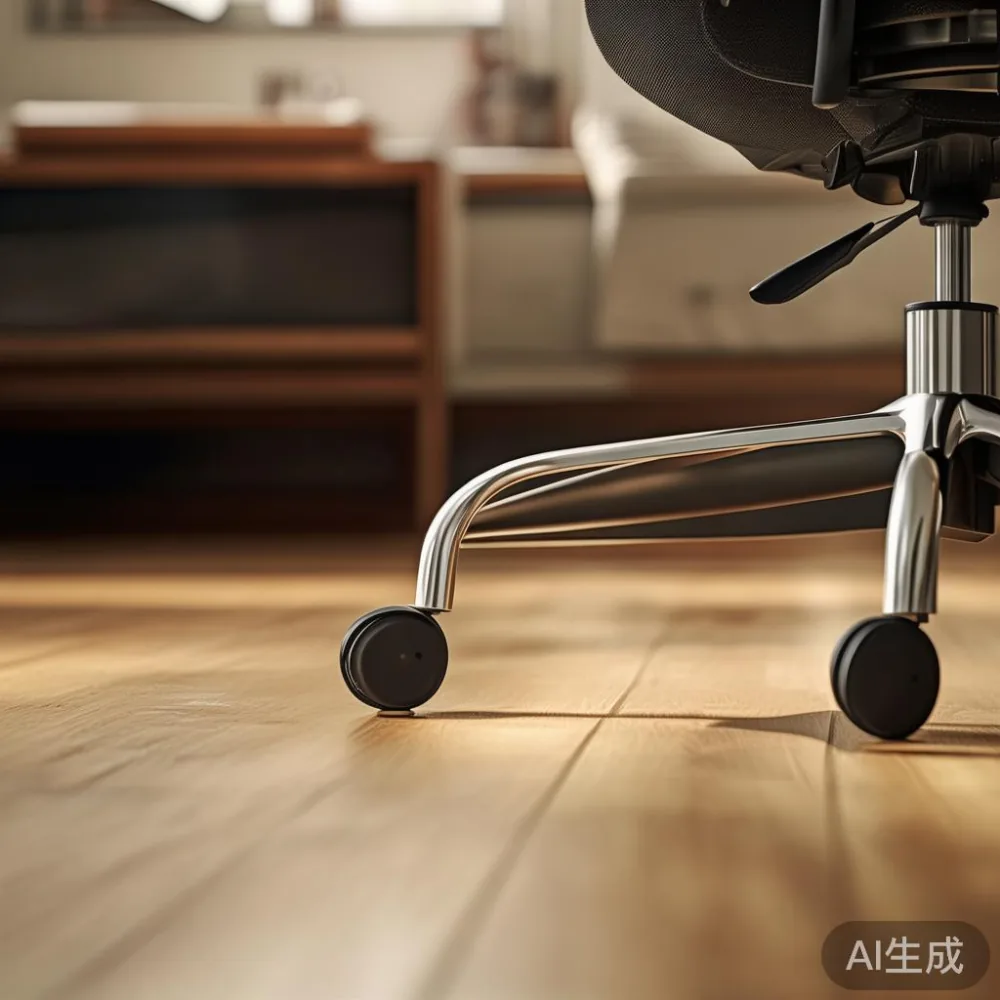
For an ergonomic chair, typical structural items include the seat frame, back frame, base, gas lift, and mechanism. Upholstery, armrests, castors, controls, and ordinary surface changes may be excluded or limited. Check whether the gas lift carries the full 10 years or only a shorter period such as 5 years. A swivel mechanism might be warranted for 10 years while its pneumatic cylinder is covered for 3 years.

For a solid wood sofa, bed frame, dining table, wardrobe, or nightstand, the definition of structural damage matters. A cracked solid wood rail or failed joint may qualify; a warped panel caused by humidity, movement, or improper installation may not. For a marble table, confirm whether cracking is covered and whether veining, colour variation, or edge chipping counts as a defect. Natural stone should be described accurately rather than presented as perfectly uniform.
Look for three pieces of information: the exact coverage period, the remedy, and the claim process. A strong warranty might offer repair, replacement, refund, or a combination. A weak warranty may say only “company discretion.” Ask for the remedy in writing.
Is normal wear different from a manufacturing defect?
Yes. Normal wear is gradual damage caused by use, while a manufacturing defect exists when the item departs from its stated specification. Singapore’s hot, humid climate can make this distinction especially important. A solid wood dining table may develop small surface changes over time; that does not automatically mean the table is defective.
Examples of wear may include minor colour change, small finish irregularities, cushion compression, squeaks that develop after adjustment, light scratching, and gaps caused by seasonal movement. By contrast, a rail that separates under normal load, a wardrobe door that repeatedly fails to align, or an ergonomic chair mechanism that cannot lock may point to workmanship.
Check exclusions for “normal wear and tear,” “natural characteristics,” “improper use,” and “acts of nature.” The phrase “acts of nature” can be broad in a humid setting, so ask how the company handles moisture-related movement that is not caused by misuse.
Also inspect the care instructions. A 10-year structural warranty can be undermined by instructions that are impossible to follow. For a marble table, use a stable, level surface and avoid sudden temperature changes. For solid wood, maintain suitable indoor humidity and wipe spills promptly. For an ergonomic chair, respect the stated user weight limit. If the warranty says damage from exceeding that limit is not covered, record the limit before ordering.
What should a Singapore delivery warranty include?
Delivery is a separate promise from the product warranty. Confirm the number of business days, the delivery window, and whether access fees are included. A seller might quote 5 to 10 business days, but a failed delivery attempt can reset the schedule. Ask whether the date starts after dispatch, after arrival at the local warehouse, or after confirmation of the delivery address.
Measure before ordering. A standard HDB lift opening may be around 90 cm wide, but building-specific measurements vary. A sofa with a packed depth of 95 cm will not pass through an 88 cm opening unless one side is unboxed and handled carefully. Check corridor turns, stair landings, door widths, and the lift’s diagonal measurement, not merely its door width.
In a Punggol condo, a loading bay may be available only during 2 designated hours. In Bedok, street parking can affect the transporter’s route. Ask whether the courier will carry the item to the door, place it in the room, assemble it, or remove the packaging. For a bed frame, room-of-choice delivery can matter more than the headline warranty. For a wardrobe, confirm whether wall anchoring, levelling, and removal of packaging are included.
Photograph the item on arrival. Record visible damage before the driver leaves, note the number of cartons, and check corners, rails, seats, and marble table edges. If damage is found immediately, the claim process may be simpler than one reported 3 months later.
Are you paying for the furniture after GST and delivery?
Yes. Compare the final payable amount, not only the product price. Singapore GST is currently 9%, so a chair marked SGD 1,280 becomes SGD 1,395.20 before delivery and other charges. A bed frame at SGD 1,800 becomes SGD 1,962 with GST. If delivery is SGD 90, the total is SGD 2,052, unless the quotation states that GST is already included.
Ask whether the displayed price is tax-inclusive. Promotions may also involve a 2-card payment surcharge, installation charges, or a delivery surcharge outside Singapore. Some sellers offer free delivery above a stated threshold; MIDHILL, for example, provides free shipping for orders over US$350, but Singapore buyers should still verify the converted threshold, local payment terms, and any destination charges before paying.
Returns deserve the same calculation. A 14-day return policy may be useful, but check whether the item must be unused, whether original packaging is required, and who pays return freight. A custom ergonomic chair with a chosen upholstery colour may be excluded. A large solid wood sofa may cost more to return than the initial delivery because it needs two people, a van, and a lift booking.
What evidence do you need before making a warranty claim?
Keep the invoice, order number, product page, care instructions, and delivery note. Save the original warranty terms as a dated PDF or screenshot; websites can change after purchase. If a salesperson explains a term verbally, ask for confirmation by email.
Take clear photographs that show the whole item and the fault. For an ergonomic chair, include the model label, mechanism, base, and the specific loose or broken component. For a dining table, show the joint and table leg. For a marble table, photograph the crack under normal light and note whether it was present on arrival. For a wardrobe or bed frame, include hinges, rails, fixings, and installation conditions.
Write a factual timeline. State when the issue began, how often it occurs, what load or use was involved, and what troubleshooting was attempted. Avoid words that imply blame without evidence. Say, “The backrest adjustment lever separated on 14 August 2026 after 11 months of indoor residential use,” rather than “the flimsy chair broke immediately.”
Check whether the company needs inspection or proof of transit damage. Do not repair a covered component yourself unless the warranty requires authorisation; unauthorised work can jeopardize a claim. For an item no longer sold, ask whether an equivalent replacement is offered and how colour or dimensions will be matched.
How should you compare a 5-year warranty with a 10-year warranty?
Compare like with like. A 10-year warranty on one major component is not automatically stronger than a 5-year warranty covering more parts. List each component and its period in a simple table: frame, mechanism, finish, hardware, cushions, gas lift, and moving parts. Then examine exclusions and the claim remedy.
Price is only one factor. A dining table at SGD 900 with 5-year structural coverage may be suitable for a family; an ergonomic chair at SGD 850 with 10-year structural coverage may suit a home office where the chair is used 8 hours a day. Test seat depth, lumbar support, arm height, and weight capacity before focusing on the warranty. If a chair does not fit the user comfortably, a long guarantee cannot correct poor ergonomics.
Design language is not a warranty term, but it can influence replacement planning. A buyer researching 2026 Mid-century modern furniture may prefer tapered solid wood legs, clean lines, and durable joinery. A buyer searching French provincial for dining room may focus on carved details and generous seating. These styles make different demands on support, hardware, and maintenance, yet both benefit from written structural coverage.
The same discipline applies to larger purchases. A search for under 2000 European furniture should compare final Singapore costs, not just overseas catalogue prices. A buyer comparing Japanese bed vs Mid-century modern bed should check clearances, slat spacing, centre support, and mattress compatibility before considering structural years. A useful guide to how to choose French provincial sofa should include whether the frame, springs, cushions, and decorative elements are treated separately.
What should you check before signing off on a light-luxury warranty?
Light-luxury furniture often combines durable materials with detailed finishes, so “hand-finished” does not guarantee that every colour variation is covered. French light luxury may use carved solid wood furniture, pale upholstery, and decorative profiles. American light luxury may pair walnut-toned frames with clean upholstery. Post-modern light luxury may use mixed materials and geometric forms. In each case, the warranty should identify which surfaces and structures are protected.
For a solid wood sofa, inspect how the frame is joined and whether loose covers, cushion filling, and timber movement are treated differently. For a bed frame, identify the headboard, slats, centre rail, and hardware. For a dining table, ask about expansion joints and finish coverage. For a wardrobe, review hinges, runners, and alignment. For a nightstand, confirm drawer and cabinet hardware periods. For a marble table, establish how natural variation and edge treatment are defined.
Ask the retailer for a written answer to 6 questions: What structural parts are covered? For how many years? Which defects are excluded? Who pays return freight? What replacement remedy applies? Is there a service agent in Singapore? A company established in 2008, exporting to more than 15 countries, and maintaining a Foshan factory may have substantial process experience, but local claims support still matters. MIDHILL offers a 10-year structural warranty, lifetime refinishing, and 14-day returns; ask for the complete local terms rather than assuming every policy from another market applies identically.
What is a fair way to judge the total warranty value?
Use a 4-part check: coverage, duration, remedy, and usability. Coverage tells you what is protected. Duration tells you how long protection lasts. Remedy tells you what happens when something fails. Usability tells you whether you can document the issue, reach support, and receive a practical resolution.
A clear warranty should be available before payment, written in language a customer can understand, and consistent with the product listing. It should distinguish structural defects from cosmetic wear and identify any country-specific exclusions. A retailer should not force you to discover the terms only after a component fails.
Singapore buyers should also factor in the home. An ergonomic chair may need a clear floor area of roughly 70 cm behind it for recline movement. A bed frame may require 5 cm at the wall if the headboard is fixed, while a sliding-door wardrobe needs more space in front. A dining table may need at least 90 cm of circulation space around its occupied edges. Accurate dimensions protect the purchase just as much as a written guarantee.
Finally, compare the complete landed cost with the promised service. For a SGD 1,600 dining table, adding 9% GST and a SGD 120 delivery charge produces SGD 1,864. If the warranty includes 10 years of structural coverage, a clear claim route, and a practical replacement policy, the purchase has a stronger value proposition than one with vague headline terms.
Read the warranty with the same attention you give to an ergonomic chair’s adjustment levers or a marble table’s support. Check the definitions, exclusions, dates, documents, and local remedy. The most useful guarantee is not the one with the largest number; it is the one that tells you plainly what happens on the day something goes wrong.