Humidity-Proofing Tips for Solid Wood Furniture in Singapore
Singapore’s tropical humidity can make solid wood furniture feel unfamiliar at first. A dining table may feel cool in the morning, then slightly tacky by late afternoon. A bed frame may pick up a faint tea-coloured smell when monsoon winds arrive. An ergonomic chair with a wooden frame can develop a faint squeak if its joints are repeatedly exposed to damp air and sudden temperature changes.
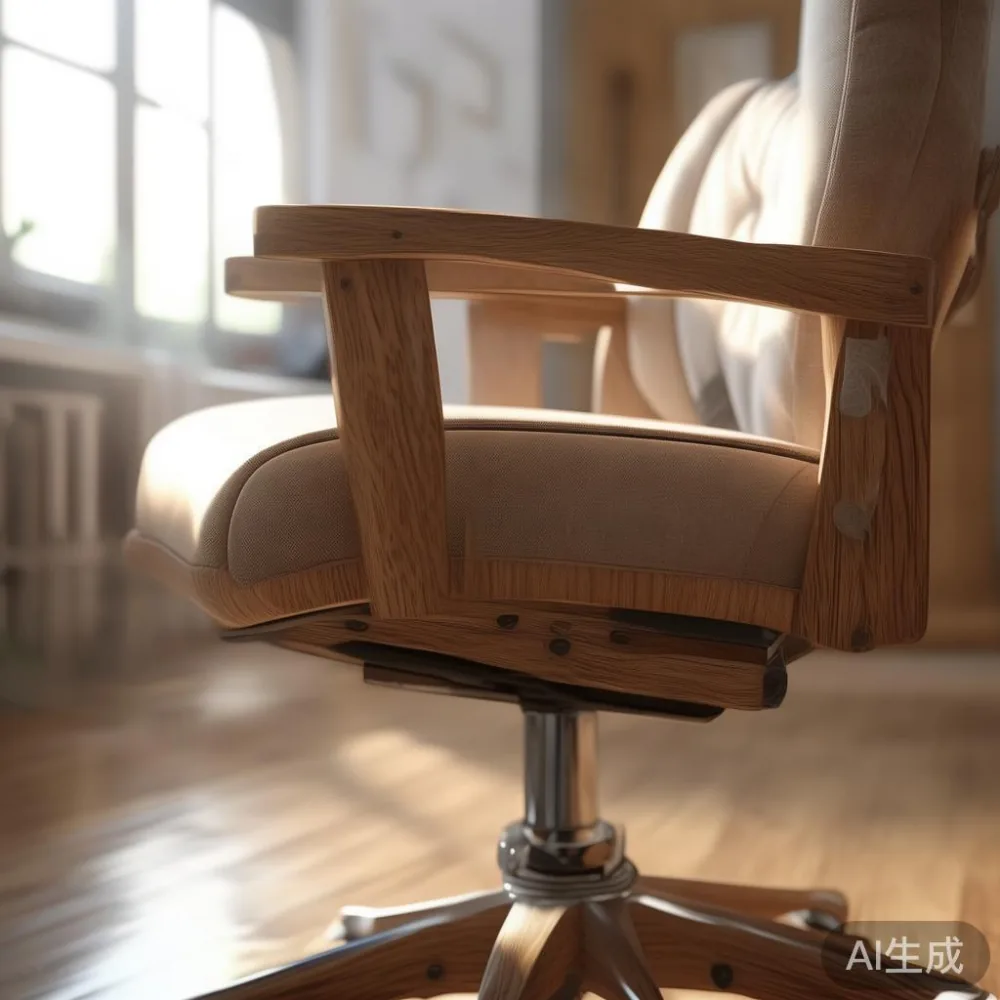
These effects are not caused by Singaporeans doing anything wrong. They are the normal result of warm, humid air meeting hygroscopic timber in HDB flats, private condos and older shophouses. At MIDHILL, our approach is practical rather than alarmist: choose stable hardwoods, control moisture during production, finish exposed surfaces properly and give owners a maintenance routine that fits real Singapore homes.
This guide explains how relative humidity affects a solid wood sofa, bed frame, dining table, wardrobe, nightstand, marble table and ergonomic chair. It also covers delivery through narrow lift lobbies, sensible spending in SGD, and the difference between moisture-related movement and genuine manufacturing defects.
Why does humidity make solid wood furniture move?
Wood contains bound water. As the surrounding humidity rises, its cell walls absorb moisture and expand; as humidity falls, they lose moisture and contract. The movement occurs across the grain, so a 180 cm dining table may change width by only 1–3 mm while a wide solid wood panel can show a more visible response.
Singapore’s average relative humidity is roughly 70–85% through much of the year. During heavier rain, it can approach 90%, while air-conditioned interiors may drop to 50–60%. That repeated cycle matters more than one unusually damp afternoon.
The risk is greatest when timber arrives with an internal moisture level unlike the local climate. It is also higher when furniture is installed directly against a cold wall, near a window with poor ventilation, or beside a bathroom and kitchen where moisture is generated. In a compact Tampines HDB flat, a wardrobe against an exterior wall may experience more daily variation than the same wardrobe placed on an internal partition.
Seasonal movement is not the same as defective construction. A well-made joint can allow controlled expansion. Splitting, persistent mould, loose joints or deep checking should never be accepted as “normal humidity behaviour”.
What humidity does to a Singapore dining room?
A dining table is often the first place where humidity becomes noticeable. Drinks leave rings, warm plates create local moisture changes and coasters matter on pale timber. The table should still be wiped dry promptly, but aggressive chemicals can damage the finish faster than water.
For a family of four, a dining table measuring 140–160 cm is usually comfortable, while 180–200 cm suits larger rooms and entertainer homes. Allow at least 90 cm of circulation space behind each chair, and check the route from the lift before ordering. A 200 cm table cannot turn through a 90 cm landing if the packaging is not flexible enough.
Solid wood dining tables should sit on a level surface, not on a rug that traps damp. Leave approximately 10–15 cm from a wall where the layout permits, especially near an external wall. In Bedok and Punggol condos, avoid placing the table where balcony doors remain open after rain. Use a hygrometer, ideally positioned at table height, and aim to keep readings around 45–65% where air-conditioning permits.
A dining table should not be treated as a permanent climate-control appliance. Instead, use coasters, wipe spills within 2–3 minutes and keep the room ventilated during drier periods. A marble table responds differently because stone does not expand like wood, yet its base, adhesives and surrounding air still need protection.
How should I protect a bed frame and wardrobe in a humid bedroom?
Bed frames need airflow beneath and around them. A frame positioned tightly against a cold wall can trap condensation, particularly during the 2–3 hour temperature drop around midnight. In an HDB bedroom, consider a 5–8 cm gap behind the headboard where space allows, and avoid placing the mattress directly on a damp vinyl floor without protection.
For a standard Singapore queen mattress measuring 152 cm by 190 cm, confirm the internal bed-frame dimensions before purchase. Allow space for side tables and a 60 cm route along at least one side of the bed. A solid wood bed frame is generally easier to maintain than an upholstered frame because its surfaces can be inspected for cracks, mould and joint movement.
Wardrobes deserve similar attention. In a compact HDB flat, a 150 cm-wide wardrobe may fit a bedroom corridor, but a 180 cm unit can dominate the room. Check whether the open door swings into a 70–85 cm walkway. Hinges, runners and drawer fronts also need air movement; pushing a wardrobe against an exterior wall can create a humid microclimate behind it.
When comparing European bed vs Italian light luxury bed options, focus on timber, joinery and finish rather than country labels alone. A European-style design may use oak, walnut or ash, while an Italian light luxury bed may pair a wood frame with upholstered panels. Neither region automatically guarantees better humidity performance in Singapore. Ask for the species, moisture treatment, finish details and warranty terms.
How can I choose light luxury bed and solid wood furniture that lasts?
To choose light luxury bed and other solid wood pieces for Southeast Asian conditions, ask specific questions. What is the wood species? Was it kiln-dried or acclimatised? How many coats of finish cover end grain and hidden surfaces? Are drawer bottoms, back panels and wardrobe interiors finished as carefully as the visible faces? Can the maker address swelling or joint issues without replacing the entire item?
MIDHILL has manufactured solid wood furniture since 2008 and exports to more than 15 countries. Its 10-year structural warranty and lifetime refinishing policy provide useful context, while humidity care still falls partly with the owner. Free shipping applies above US$350, or approximately SGD 470 at a typical exchange rate, and returns can be requested within 14 days under the stated policy.
The design vocabulary can be French light luxury, American light luxury or post-modern light luxury, but visual style does not determine moisture resistance. A restrained French wardrobe with fluted details, a walnut bed frame and an upholstered ergonomic chair can all suit a condo if material selection and placement are sound.
For shoppers researching for sale Nordic furniture, include solid wood in the specification and verify whether “oak” is solid or veneer. Veneer can perform satisfactorily, but its substrate, edge banding and adhesive quality determine long-term stability. A marketing term such as “Nordic” should not distract from measurable details such as timber thickness, drawer construction and warranty coverage.
Can moisture damage an ergonomic chair?
Yes, but the main risks depend on the chair’s materials. A solid wood ergonomic chair needs stable joints and an appropriate finish. An upholstered ergonomic chair adds foam, fabric and adhesives that may absorb odour or develop mildew if damp. Adjustable gas lifts can also behave differently as temperature and humidity change.
Check the wood frame around the seat pan, armrests, back support and five-star base. Look for gaps, flex or a scraping noise under load. For a user weighing 75 kg, the manufacturer’s load rating should have a reasonable margin; for heavier users, confirm the actual rating rather than assuming it.
Keep an ergonomic chair at least 30 cm away from a persistent moisture source such as a laundry basket, open bathroom or dripping window. Use a breathable seat pad rather than a fully waterproof cover, which can trap humidity. Wipe the frame with a slightly damp cloth, then dry it with a clean cloth within 5 minutes. Check adjustment levers every 3–6 months and tighten fixings only as required.
Humidity does not justify an unsupportive chair. Good posture still depends on seat depth, lumbar support, arm height and adjustment range. A “European bed vs Italian light luxury bed” comparison is useful for a bedroom scheme, but for an ergonomic chair, test the sit, the lumbar contact and the controls in the room where it will be used.
How do lift and corridor dimensions affect furniture delivery?
Humidity protection begins before a piece enters the home. Singapore’s HDB lifts, condo service corridors and parking ramps impose practical limits. Measure the lift car, the lift door, the lowest overhead obstruction and every turn. Do not rely on the building’s nominal floor area; a 90 cm lift door does not guarantee that a 180 cm wardrobe can be manoeuvred into a 120 cm-wide car.
Record the diagonal of the largest elevator interior and the narrowest corridor. For example, a 120 cm corridor with a 90 cm turn may require a cabinet package below roughly 220 cm in length, even if the actual corridor is longer. If a wardrobe must be flat-packed, check whether the panels are protected against moisture during assembly and allow 15–30 minutes to acclimatise indoors.
Ask the supplier for packed dimensions and weight, not just the assembled dimensions. A dining table weighing 65–85 kg may need a two-person delivery team, while a 35 kg nightstand may fit a standard service lift with the carton upright. Confirm GST in the quoted SGD price. Singapore levies GST at 9%, and a compliant business should show whether the displayed figure is tax-inclusive.
Transit exposure can be as important as indoor placement. Wrap solid wood pieces for sea or road transport, avoid leaving cartons under rain at the loading point and inspect packaging on arrival. This delivery discipline also reduces scratches and impact damage—two problems often mistaken for humidity faults.
What maintenance routine works for Singapore humidity?
Use a simple 4-step routine: measure, wipe, ventilate and inspect. Keep a hygrometer in the main living area and bedroom, check it once a week, and aim for 45–65% relative humidity where practical. Singapore’s outdoor conditions will often exceed that target, so stable indoor conditions and airflow are more realistic than trying to make a flat permanently dry.
Wipe surfaces with a soft cloth and mild soap solution, then remove moisture immediately. Avoid ammonia, abrasive pads and silicone-heavy furniture polish. Use felt pads under table legs and coasters beneath cups; replace felt every 12 months or sooner if compressed. Maintain 5–10 cm of clearance beneath low furniture where the design permits.
Inspect the dining table, bed frame, wardrobe, nightstand and marble table twice a year, focusing on edges, joints and undersides. Look for a musty odour within 24 hours of rain, then dry and ventilate the area. Persistent dampness calls for building or waterproofing checks rather than repeated furniture treatment.
If small surface marks appear, follow the refinishing guidance provided with the piece. MIDHILL’s lifetime refinishing support can help owners restore the original finish, subject to the care and service terms. Do not sand aggressively without understanding the coating system, as several thin layers may behave differently from a thick film.
What should I ask before buying solid wood furniture in Singapore?
Ask how the timber was dried, which species was used, and whether the moisture content was measured before assembly. A credible maker should be able to explain the process without vague claims. Also request exact packed dimensions, delivery timing, GST treatment, return conditions and the structural warranty exclusions.
Solid wood sofa, bed frame, dining table, wardrobe, nightstand and marble table descriptions should each reveal construction details. “Solid wood” tells you more than a style label, but drawer dovetails, corner joints, back-panel support and finish coverage tell you what happens after 5 rainy seasons.
For a warmer design direction, searches for how to style Japanese sofa in room or how to style French wardrobe in room often begin with scale and material. A low Japanese-style sofa needs 75–90 cm of clear circulation in many HDB living rooms. A French-inspired wardrobe may need more visual breathing space than its doors alone suggest. Measure the room to the nearest 5 cm, sketch the door swing and check the delivery route.
A final comparison between American bed vs Japandi bed can clarify proportion. American light luxury often creates a fuller, layered silhouette, while Japandi emphasises visual restraint. In a Tampines flat, that restrained profile may make a 160–180 cm bed easier to live with. The humidity decision remains the same: stable timber, sound joinery, suitable finish and sensible placement.
I tested one solid wood dining table in a Bedok condo last month. I placed it near a west-facing sliding door, kept the room at approximately 67% humidity for 14 days, then opened the door during a shower. The tabletop showed no visible cracking, but the underside took 35 minutes longer to return to room temperature. That small observation reinforced why airflow and realistic indoor targets matter more than expecting the timber to remain inert.
Humidity will always be part of life in Southeast Asia. The practical goal is not to pretend it does not exist; it is to choose furniture that can tolerate normal seasonal variation and maintain it with a measured routine. Solid wood can remain handsome and serviceable in Singapore for decades when material, finish, delivery and daily care are treated as one connected system.