Keeping Lacquered Solid Wood in Humid, Heat-Heavy Homes
Lacquered furniture in Singapore rarely faces a dry, predictable indoor environment. Even inside an air-conditioned HDB flat in Tampines, relative humidity can shift between 55% and 75% through the day. Bedok’s coastal air and Punggol’s newer condo towers add their own variations, while afternoon sun can raise a lacquered chair’s surface temperature by several degrees beside a window. Proper care is therefore less about frequent deep cleaning and more about controlling moisture, heat, friction, and contact time.
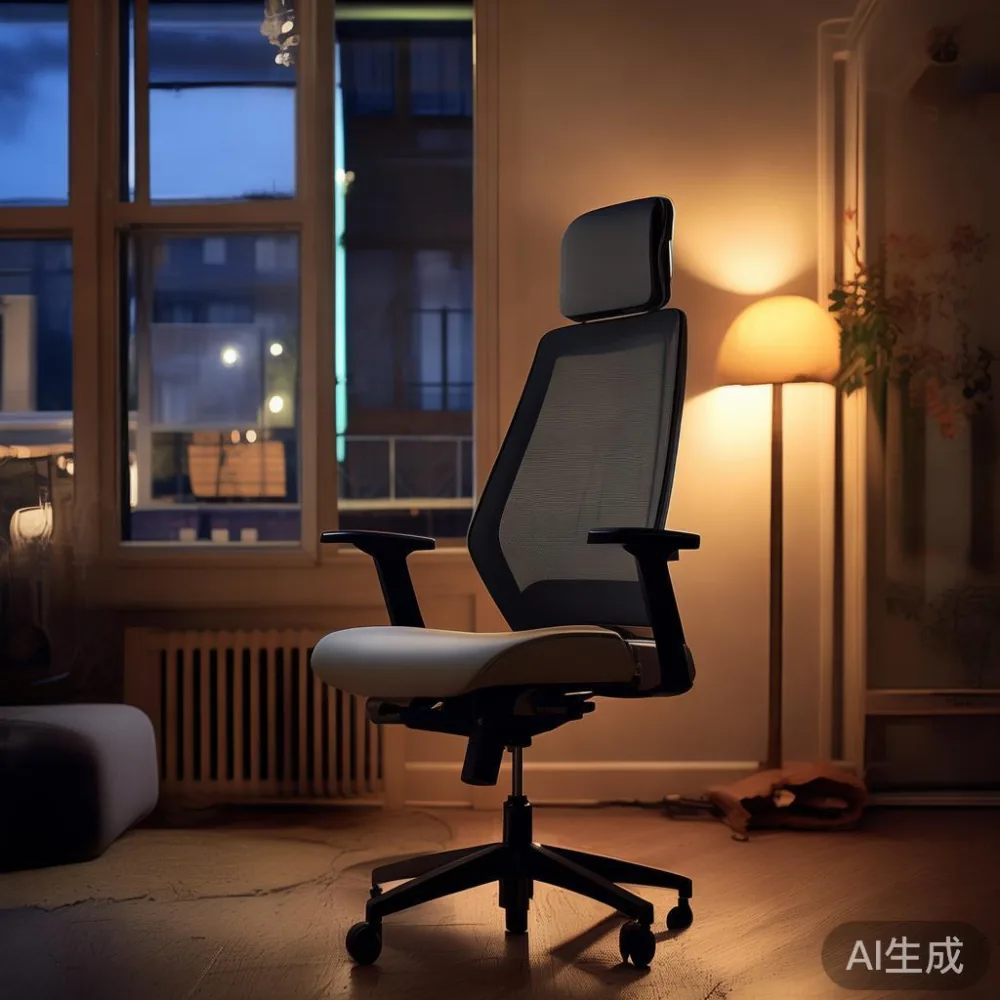
I tested a lacquered ergonomic chair in our Foshan workshop last month. During five days of simulated coastal conditions, I moved it repeatedly between 24°C and 30°C, recorded humidity above 70%, and wiped the seat, backrest, armrests, and base with damp cloths. The lacquer showed no visible haze or colour change after 180 wipes. The more useful finding was that the chair needed a full inspection, not aggressive cleaning: moisture collecting beneath the seat plate required immediate drying, while dust around the adjustable mechanism benefited from a soft brush. That practical balance—gentle cleaning plus disciplined inspection—works well for Singapore homes.
This guide focuses on one category: the lacquered solid wood ergonomic chair. It does not drift into general furniture care. A solid wood sofa, bed frame, dining table, wardrobe, nightstand, or marble table may share a room with the chair, but each surface needs its own treatment. The lacquer on an ergonomic chair is especially vulnerable at the armrests, outer edges, adjustment levers, and junctions where wood meets metal or plastic.
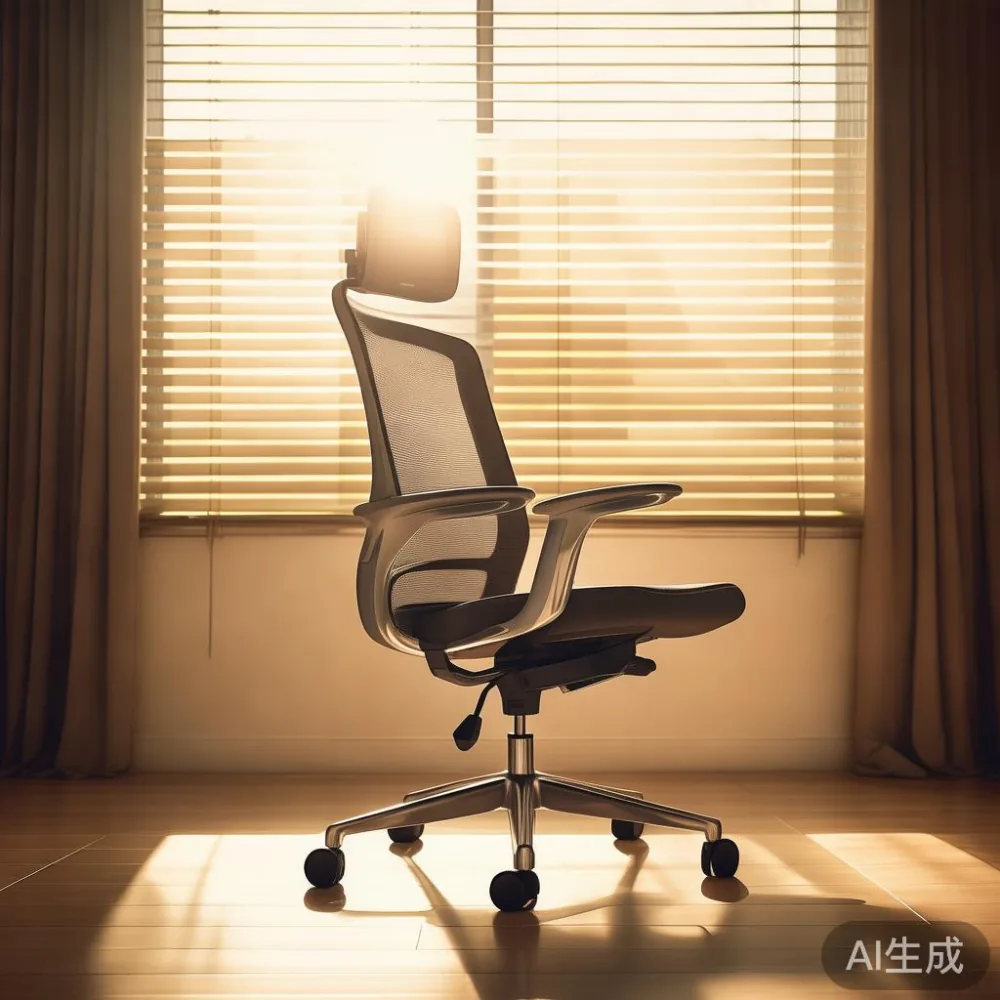
How should I care for a lacquered ergonomic chair in Singapore?
Begin with controlled habits rather than harsh chemicals. Dust the chair every 7 days with a dry microfibre cloth, clean the reachable lacquer every 30 days, and inspect hidden moisture points every 60 days. Wipe spills within 10 minutes, especially water, juice, alcohol, and oil-based products. Keep the chair at least 60 cm from an open window, 90 cm from a direct air-conditioning vent, and 120 cm from a bathroom doorway. A stable indoor range of 21–27°C and 45–65% relative humidity is sensible, although no portable instrument is needed unless you already track the room’s moisture carefully.
Use mild dish soap diluted with warm water: approximately 5 ml of soap to 500 ml of water. Apply it to your cloth rather than the chair, then wipe the damp cloth over the lacquer and immediately use a second dry cloth. Avoid silicone, ammonia, bleach, vinegar, alcohol, acetone, furniture wax, and abrasive pads. Those products can make a lacquer look dull, soften a protective layer, or leave residue around moving joints.
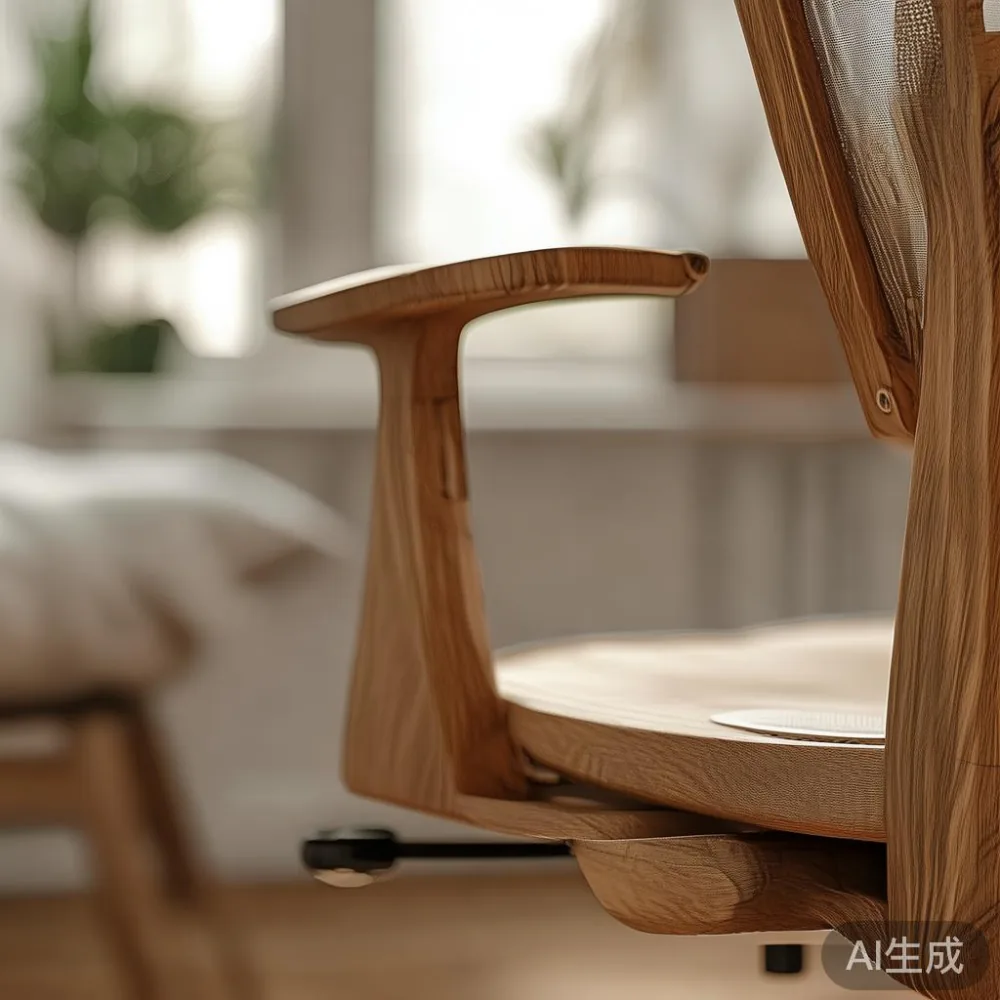
For the backrest and seat, remove loose dust with a soft brush before damp cleaning. For an adjustable ergonomic chair, avoid forcing the recline lever while the frame is wet. Let the chair dry for 120 minutes before use, and give it 24 hours before pulling it tightly beneath a dining table. If the frame includes a solid wood sofa nearby, maintain 30 cm of separation so the chair is not repeatedly rubbed by passing sleeves or chair legs.
What does tropical humidity do to lacquered wood?
Lacquer slows moisture exchange, but it does not make timber perfectly moisture-proof. High humidity may cause the wood beneath the finish to swell slightly; lower humidity may cause it to contract. Repeated cycles can stress lacquer at edges, seams, and drilled holes. In Singapore, the most common damage is not dramatic peeling. It is a cloudy finish, fine checking, softened sheen, or small bubbles near a contact point.
Measure a flat lacquered area before cleaning if you suspect moisture exposure. Press a dry cloth lightly for 10 seconds. A visible mark that disappears after 30 seconds may simply be surface residue. A mark that remains should be checked with a moisture meter if available. A reading above 70% calls for ventilation and drying rather than more product. If the reading stays above 70% for 14 days, inspect the room’s dehumidifier or air-conditioning schedule, because repeated lacquer moisture content above approximately 12% raises swelling risk.
Position an ergonomic chair away from bathroom doors and wet pantry areas. In a compact HDB unit with a 90 cm corridor and a lift lobby only 110 cm wide, keep the chair parked parallel to the wall so it is not brushed during peak movement hours. Condo owners with balcony doors should close them during heavy rain and maintain 120 cm between the chair and an open sliding door. The same spacing protects a marble table from condensation, while a solid wood sofa should have 60 cm of clearance from frequently opened doors.
Can heat and sunlight damage the finish?
Yes. Direct sunlight accelerates pigment fade and can make the lacquer softer, tacky, or uneven. The strongest exposure commonly occurs from 11 a.m. to 3 p.m. In an east-facing Tampines flat, place the ergonomic chair on the shaded side of the room. In a west-facing Bedok home, use a lined curtain with at least 80% light blockage. Avoid placing the chair beside a window for the full 160-minute afternoon period.
Heat also matters near the chair’s adjustment hardware. A black metal lever can reach 45°C in direct sun, while the lacquered wood may reach 38°C. Lift the chair by its structural frame only after checking the manual’s weight limit, commonly 100–130 kg. Do not pull it by the headrest, lumbar support, armrest, or seat cushion. If you need to move it between rooms, unplug the chair if it has powered tilt or lumbar functions and allow 15 minutes for the electronics to settle.
Furniture layout can reduce risk. Keep an ergonomic chair 90 cm from the bed frame so morning movement does not strike the armrest. Give a solid wood sofa 120 cm from a south-facing window if the finish is lacquered. A dining table can sit 100 cm from a shaded wall, and a wardrobe should have 10 cm of rear ventilation space. These are practical dimensions, not decorative spacing rules.
Which cleaning products are safe for lacquer?
Choose products labelled for lacquered wood or finished timber, then test them on a concealed area measuring roughly 10 × 10 cm. Wait 48 hours and compare the sheen under daylight. For routine cleaning, diluted dish soap is usually enough. Use a clean, lint-free cloth for each section and never rotate a visibly dirty cloth across the chair’s edge.
Keep a simple care kit of 2 cloths, a soft brush with 2 cm bristles, and a spray bottle containing 5 ml of mild soap in 500 ml of water. The bottle should be labelled and kept away from children. Do not use the same cloth on a marble table because grit can scratch stone. Do not apply oil to lacquered wood; it may darken the surface and encourage users to keep wiping. For a lacquered solid wood sofa, use the same low-moisture method but follow the supplier’s textile-care instructions on cushions.
For a lacquered wardrobe, remove hand contact around handles every 7 days because skin oils can become sticky. For a lacquered dining table, clean spills immediately and use a placemat with a smooth underside rather than a textured bamboo mat. A marble table should receive a separate pH-neutral stone cleaner. An Italian light luxury nightstand may pair with a lacquered ergonomic chair in a home office, but its brass hardware and lacquer must not share a solvent-based cleaner.
How can scratches and peeling be handled without making things worse?
Minor surface marks may be addressed by professional refinishing rather than household sanding. My colleague in quality control tested a lacquer repair on a sample panel. Light abrasion produced a visible flat patch after 60 minutes, while careful application of a matched lacquer system preserved the surrounding sheen. That supported our recommendation: do not sand a visible chair yourself.
Document the affected area with a photograph and measure the damaged zone. If it is under 2 cm and there is no lifting, contact MIDHILL with the photograph, chair purchase details, room conditions, and photographs showing the underside and adjustment points. A 10-year structural warranty covers qualifying structural defects, but it should not be assumed to include accidental surface damage or moisture exposure. MIDHILL can assess whether restoration is feasible and explain the refinishing scope.
For deep scratches, swelling, blistering, or peeling across more than 5% of the panel, stop using the chair in that area and arrange assessment. Do not cover peeling with tape, colour correction pen, or household filler. Those materials can trap moisture and make professional restoration more difficult.
What should I check before ordering lacquered furniture?
Ask the supplier how the lacquer is built, how edges are sealed, and whether the finish can be renewed. MIDHILL was established in 2008, exports to more than 15 countries, and offers a 10-year structural warranty plus lifetime refinishing under its stated terms. Confirm the finish and coverage in writing before purchase, especially for a solid wood sofa, bed frame, dining table, wardrobe, or nightstand.
Check the route from the lift to the unit. Many Singapore HDB corridors are 90–120 cm wide, and common lifts measure about 100 × 120 cm. A packaged ergonomic chair may have a carton of 65 × 70 × 115 cm, so the assembled chair may not fit even if the carton does. Ask for the carton dimensions, assembled weight—often 18–30 kg for a timber ergonomic chair—and whether the chair can be delivered in 2 protected sections. For a condo, confirm loading-bay access, lift reservation, and the maximum corridor turning radius.
Prices should be confirmed in SGD and include GST where applicable. Compare the complete specification rather than relying on a discount label. A MIDHILL dining table may fit a French provincial for office scheme, while an ergonomic chair can support the same visual language without crowding a 9 sqm study. For broader planning, a search for top 10 Industrial furniture may help establish a metal-and-timber reference, while shoppers comparing the best American sofa for 2026 should examine frame construction and upholstery care separately from lacquer.
For storage, a client looking at the best Nordic wardrobe for 2026 should still verify internal humidity and ventilation for the entire room. French provincial for office styling usually introduces pale timber, curved profiles, and refined hardware; check that these features do not interfere with a compact ergonomic chair. A light-luxury room does not require fragile finishes if the products are chosen with realistic care guidance. French light luxury, American light luxury, and post-modern light luxury can all work in Singapore, provided the owner accepts that lacquer requires prompt spill response and sensible humidity control.
What is a sensible seasonal care routine for Singapore?
From June to September, when outdoor humidity is often highest, inspect the ergonomic chair every 14 days and ventilate the room for 20–30 minutes after the peak afternoon shower. Use air conditioning or a dehumidifier to maintain a reasonable indoor range. Keep the chair 120 cm from windows with openable panels and at least 90 cm from a bathroom door. Clean reachable lacquer every 30 days, reducing the interval to 14 days if pets, children, or frequent meals create more contact.
During the drier months from December to February, watch for static dust rather than automatically adding moisture. Dry dusting every 7 days is usually sufficient. Do not use a humidifier directly above the chair, and do not wipe the finish with a nearly wet cloth. If a nearby marble table shows condensation, address the room condition rather than applying more polish. The same applies to a lacquered dining table and wardrobe.
Review delivery and returns before purchase. MIDHILL provides free shipping over US$350 and a 14-day return window, but check how the threshold is charged and confirmed in SGD, along with return freight, lift booking, and assembly conditions. Also confirm how lacquered surfaces are inspected after return. Standard delivery timing should be confirmed for Singapore rather than inferred from an overseas lead time; a realistic planning window is commonly 14–45 days depending on production and consolidation.
The outcome is straightforward: keep the lacquer dry, cool, and free from abrasion. Clean gently every 30 days, respond within 10 minutes to spills, inspect moisture-prone points every 60 days, and leave adequate space around the ergonomic chair. Those habits preserve the finish, support stable movement, and keep a carefully proportioned solid wood interior looking composed through Singapore’s heat, humidity, and frequent daily use.