Proper Care of Lacquered Furniture in Tropical Singapore
Singapore’s heat and humidity can be demanding on furniture finishes. Lacquer may look crisp and reflective in a showroom, yet a lacquered surface can respond differently inside an HDB flat in Tampines, a Bedok condominium, or a compact Punggol home where ventilation, sunlight, and lift dimensions all influence daily use. This guide explains how to care for lacquered panels, solid wood frames, and upholstered pieces while keeping an ergonomic chair, bed frame, dining table, wardrobe, or nightstand in good condition for years.
The advice applies to lacquered and finished surfaces across a home, with particular attention to storage furniture and seating. It is not a substitute for the care instructions supplied with a product. Finish type, wood species, coating chemistry, and exposure to moisture can change the recommended method.
Why Does Singapore Humidity Affect Lacquer?
Singapore’s relative humidity commonly ranges from roughly 60% to 85% across the year, while daytime temperatures in many districts reach 30°C to 34°C. Warm air holds more moisture, and that moisture can enter lacquer through tiny surface defects, hairline cracks, exposed edges, or joints. The wood underneath may also move as it absorbs and releases water.
Perfect lacquer application is not like a sealed, moisture-proof membrane. Even a well-finished surface can develop a cloudy bloom, blister, or dull patch after repeated exposure. Condensation from an open window, an air-conditioner vent, or a wet cup can have the same effect. Direct afternoon sun adds another stress: UV radiation can fade pigments and weaken resin, while rapid heating can make lacquer soften or become slightly tacky.
For a typical HDB living room, aim to keep relative humidity below about 65% where practical. Use a dehumidifier when readings remain above 70% for several hours. Position furniture at least 30 cm from exterior walls with persistent condensation and at least 60 cm from windows exposed to direct afternoon sun. These distances are guidelines, not rules; humidity and manufacturer instructions take priority.
Storage areas need the same attention. A lacquered wardrobe should not be pressed against a cold wall in a corridor that remains warm and damp. Leave roughly 5 cm to 8 cm of ventilation space at the back where the design allows, and avoid placing bedding or cartons directly against lacquered doors.
How Should I Clean a Lacquered Surface?
Start with the mildest method: a clean, soft microfibre cloth lightly dampened with lukewarm water. Wipe in the direction of the grain or along the panel, then dry immediately with a second cloth. Use no more than a few drops of mild dish soap in about 500 ml of water for marked grime, and always test an inconspicuous 5 cm by 5 cm area first.
Do not use silicone sprays, furniture polish, ammonia, alcohol, bleach, abrasive powder, steel wool, or household degreaser unless the finish supplier expressly approves them. Silicone can leave a greasy film that attracts dust; alcohol and ammonia can soften some lacquers or haze the sheen. Avoid spraying cleaner directly onto the furniture. Liquid can run beneath veneer edges or into seams.
For a lacquered dining table, crumbs should be removed with a soft brush or dry cloth before damp cleaning. Wipe spills within 1 minute when possible. Ring marks can often be lifted with a lightly damp cloth, but standing water should not remain for more than 30 seconds. Coasters and trivets are more effective than repeatedly scrubbing a mark. Use a coaster at least 8 cm across for a cup and a heat-resistant pad for a hot dish.
The same approach suits a lacquered nightstand. A phone charger, glass of water, or pair of keys can scratch or leave residue overnight. Keep frequently used objects in a tray with raised edges, ideally 2 cm deep. On a lacquered wardrobe, use two clean microfibre cloths—one for washing, one for drying—to reduce streaks.
Can Vinegar or Baking Soda Remove Stains?
Sometimes, but only cautiously. Diluted white vinegar can help lift a fresh, mild water stain: mix 1 teaspoon with 250 ml of water, dampen the cloth rather than the surface, and test first. Baking soda is mildly abrasive, so it can leave a matte patch or fine scratches on a glossy lacquer. For that reason, use it only after checking the finish care guide and only on a matte surface approved for gentle cleaning.
Oil, paint, nail polish, and adhesive require different treatment. Oil can be absorbed by wood or veneer, leaving a shadow even after the surface is cleaned. Blot rather than rub. For paint, check whether the lacquer is water-based, oil-based, or a catalyzed finish; an incompatible solvent may permanently dull the surface. A small artist’s brush, about 6 mm wide, can help lift a fresh droplet without spreading it.
Never place coarse kitchen salt directly on lacquer. Its crystals may scratch the surface. Blot a spill, then wipe gently with a damp cloth. If a stain remains, photograph it under daylight and seek advice from the furniture maker before applying a chemical treatment.
Cleaning frequency matters. In a humid room, wipe dust from an ergonomic chair every 1 to 2 weeks and clean the lacquered shell every 4 to 8 weeks, depending on use and visible marks. Kitchens and dining zones need more frequent attention than bedrooms. Avoid steam cleaning, which forces moisture into joints and can cloud lacquer.
How Can I Protect a Bed Frame and Mattress from Moisture?
Begin by controlling the room. In a Bedok HDB flat or Punggol condo, keep the bed 45 cm to 60 cm from an exterior wall if condensation appears, and use a dehumidifier if the room consistently exceeds 65% relative humidity. A mattress should not sit directly on a damp floor. Where the design allows, place it on a ventilated platform with a minimum 5 cm gap beneath.
Check the bed frame’s finish every 3 months. Look for dull rings around joints, lifting at veneer edges, tiny blisters, or a musty smell. A lacquered solid wood bed frame should be wiped with a barely damp cloth and dried at once. Do not use oil, wax, or furniture polish unless the supplier confirms compatibility.
For shoppers comparing design references, the phrase best Modern light luxury bed for 2026 is often used in styling guides, while another common search is best American bed for 2026. Design references do not replace fit: measure the room, mattress size, lift, and corridor before selecting a frame. A broad headboard may suit a condo bedroom but be awkward in a narrower HDB room.
Also check the space between the frame and mattress. A gap of 2 cm to 4 cm can support airflow, but the mattress edge should not bridge into a deep dust trap. Use a breathable, washable protector beneath the fitted sheet rather than a non-breathable waterproof layer over the entire mattress. Launder the protector every 2 to 4 weeks in humid conditions.
Leave bedding to air for at least 2 hours after waking if the room is humid. This habit reduces trapped moisture around the headboard and side rails. Keep windows or the air-conditioner mode consistent with the room’s dew point, and wipe condensation from nearby lacquered surfaces once a week during heavy monsoon periods.
Will Direct Sunlight Damage a Lacquered Wardrobe?
Yes. Repeated UV exposure can fade a finish and make it brittle. A room receiving 4 or more hours of direct afternoon sun needs stronger protection than one with indirect light. Use a sheer curtain with a UV-rated fabric, or a blind, to reduce exposure while retaining daylight. Open blinds for part of the day if glare is manageable, rather than leaving a concentrated beam on one wardrobe door for 6 hours.
Keep the wardrobe doors closed when the sun strikes the exterior wall. Hinged doors can reduce UV exposure on internal shelves, though moisture ventilation still matters. Line the interior with a clean cotton sheet that can be washed every 2 weeks; do not cover the shelves with thick plastic or cardboard.
When a fashion-conscious buyer asks about a best Modern wardrobe for 2026 comparison, finish maintenance deserves equal weight with proportions and storage. French light luxury tends to favour pale tones, refined profiles, and tactile materials; American light luxury often pairs clean geometry with warmer woods; post-modern light luxury can mix gentle curves with rectilinear forms. Whatever the style, verify the lacquer type and warranty before choosing.
Move plants and water vessels away from the wardrobe. A pot with a 20 cm diameter can add humidity locally and leave mineral rings. Leave at least 30 cm between a large plant and lacquered furniture, or use a saucer and water only when the soil surface is dry.
What Is the Best Way to Care for a Lacquered Marble Table?
A lacquered marble table needs a different mindset from a lacquered wood panel. Stone may be cool and stable, but resin, pigment, and protective coatings can be sensitive to acidic liquids and heat. Wipe the surface promptly with a soft cloth and lukewarm water. Neutralize acidic spills quickly: a 1:3 ratio of diluted vinegar to water can be used on the stone after testing, but only if the finish care instructions permit it.
Use a trivet under a hot pan and a coaster under a glass. Do not slide a heavy vessel across the top, even on felt. Felt pads can collect grit, which then acts like abrasive sandpaper. Clean felt pads every 2 weeks and replace them when the surface feels rough.
Inspect the tabletop monthly. Look for pinholes, dull patches, soft-looking areas, or a change in gloss. Avoid filling a chip with ordinary paint or epoxy. A matched repair is more likely when the maker knows the original finish, marble type, and colour batch.
A marble table should be kept away from humid displays of fresh flowers and open water containers. Wipe the base and underside every 8 to 12 weeks. If the table is near a dining window, apply the same UV-filtering approach used for a lacquered wardrobe.
How Do I Care for a Solid Wood Sofa or Dining Table?
A lacquered solid wood sofa requires attention to both frame and upholstery. Vacuum the underside and seams with a brush attachment every 1 to 2 weeks. Keep leather or fabric out of prolonged direct sunlight, and clean spills according to the upholstery specification rather than treating them as lacquer. Avoid applying the wood-surface cleaner to fabric.
For timber legs and rails, wipe along the grain with a lightly damp cloth. Dry any dampness within 1 minute. Do not use concentrated oil on lacquer, and do not place the sofa against a wall that is repeatedly wet from condensation. A 5 cm gap helps airflow. If the sofa includes storage, empty and wipe the interior every 3 months.
A lacquered dining table needs an even stricter rule: no hot cookware directly on the surface, and no wet cloth left folded against the edge overnight. Place a heat-resistant mat at least 25 cm by 35 cm beneath a hot vessel. Clean after each meal if food has been spilled, or at least once a week during heavy use.
For smaller apartments, the phrase Mid-century modern for apartment planning can be useful because slim profiles preserve circulation. The search phrase light luxury sofa bed foldable may describe compact guest or occasional sleeping options, but foldable mechanisms require separate checks for pinching points, clearance, and ventilation. A folding surface should not be kept permanently folded if humidity cannot escape from its panels.
Can Furniture Be Moved Safely Through Singapore HDB Lifts and Corridors?
Measure before delivery day. A common HDB lift opening is about 90 cm wide and 110 cm deep, while a standard door is roughly 85 cm wide; individual blocks and refurbished homes can differ. Measure the lift door, lift car, corridor turns, and the actual bedroom doorway. Add at least 5 cm of working clearance where panels are tightly fitted.
Protect lacquered edges during every move. Wrap corners with 2 cm-thick foam, cover surfaces with a clean blanket, and secure loose hardware in a labelled bag. Do not drag a dining table or bed frame across a tiled corridor. Use furniture sliders rated for the load, or place protective pads beneath the legs.
For a flat-pack or modular product, record the assembly sequence before separating parts. Photograph joints and lacquered edges. If a panel arrives with a crack, blister, or chip, photograph it before assembly and contact the supplier within 48 hours. Moisture damage can progress, so delay installation and keep the affected part in a dry, ventilated space.
Delivery usually takes 3 to 7 business days after dispatch for Singapore orders, depending on stock and scheduling. At checkout, check GST and the final payable amount in SGD. A deposit may protect a custom order, but confirm the cancellation terms, delivery window, and site-access charges in writing.
How Should I Check and Maintain an Ergonomic Chair?
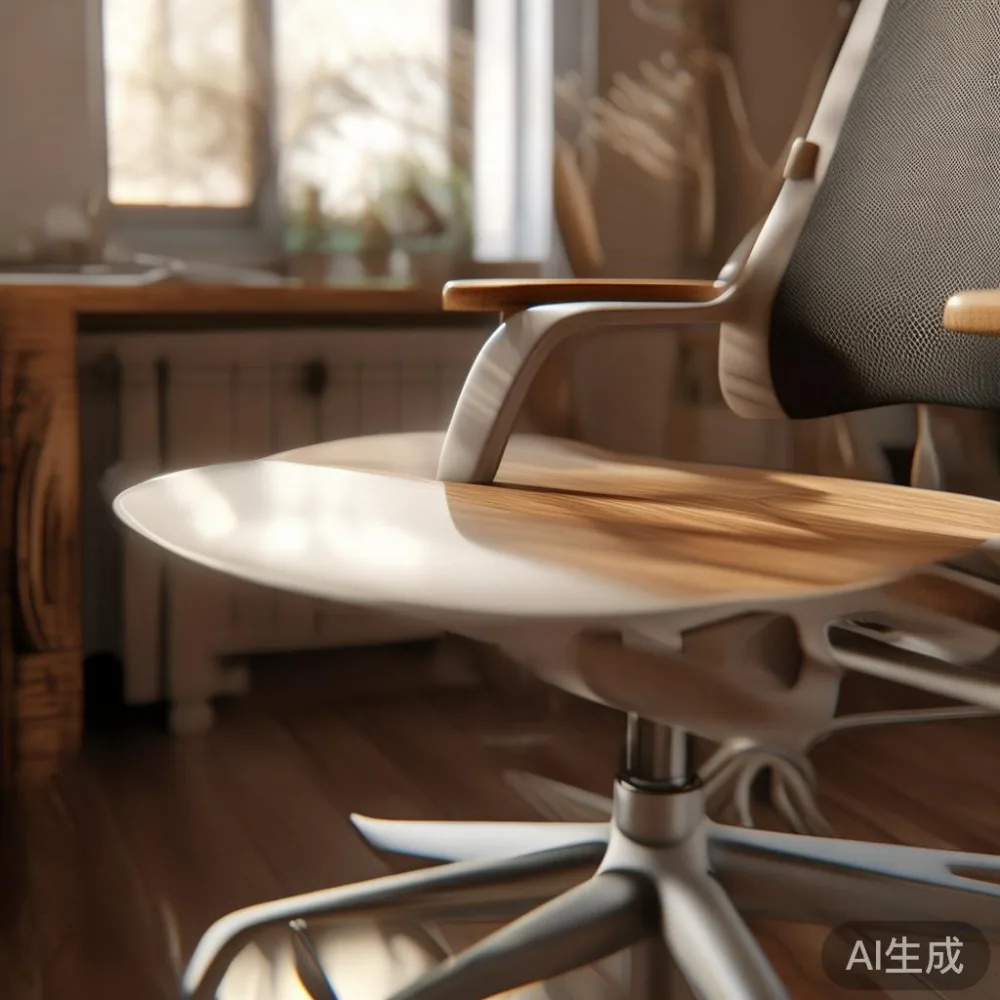
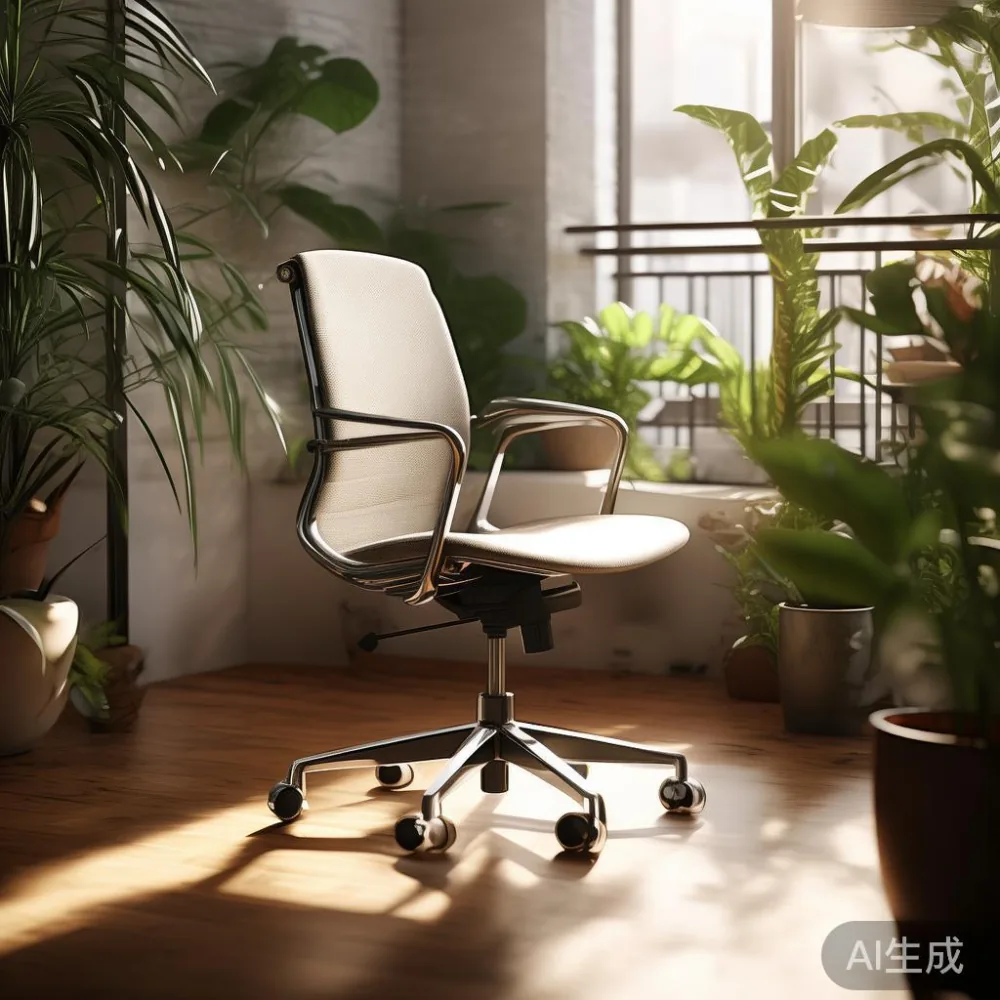
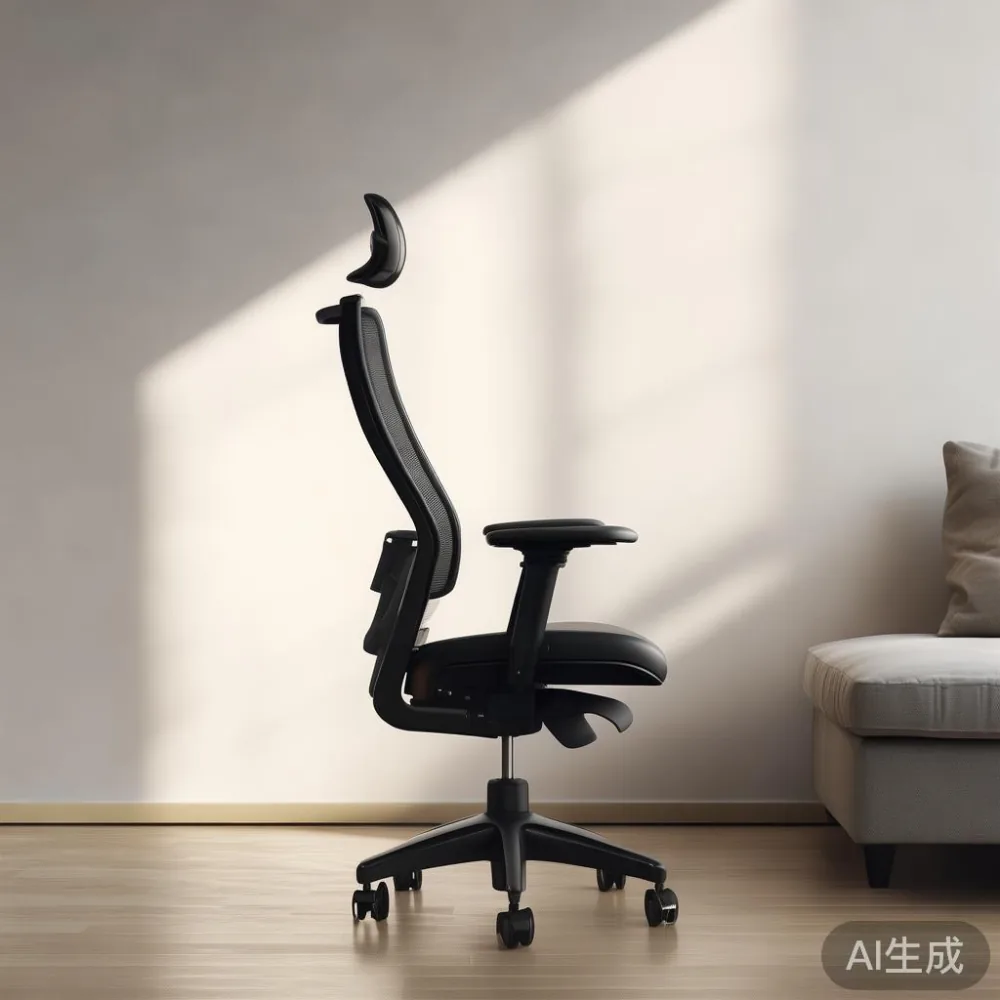
An ergonomic chair used daily in a humid climate needs more than a wipe-down. Check the castors, tilt mechanism, armrests, and lumbar support every month. Clean beneath the seat where sweat and skin oils collect. Use a soft brush around moving parts, and avoid spraying lubricant or cleaner into the mechanism.
For a lacquered chair shell, follow the same gentle cloth method used for cabinetry. Do not place a damp cloth over the mechanism seat, and do not use hot water to remove sticky residue. If the chair sits beside a window, move it at least 30 cm away from direct afternoon sun. Keep it 10 cm to 15 cm from a wall so that air can circulate behind it.
Check adjustment levers every 3 months. A stiff lever can indicate a loose fastener, while unusual noise may point to debris inside the mechanism. Tighten only the fasteners described in the manual; excessive torque can damage the frame. Wipe the chair with a dry microfibre cloth every 1 to 2 weeks and perform a deeper clean every 4 to 8 weeks.
Humidity can affect the chair’s comfort indirectly. If a user develops stickiness or clothing becomes damp, inspect the air-conditioning and room humidity rather than assuming the chair has failed. A measurement of 70% or higher calls for better ventilation, relocation, or dehumidification. For a child, student, or shared home, confirm seat depth, load capacity, and safe use around stairs or narrow corridors.
How Often Should Lacquer Be Inspected?
Create a simple maintenance rhythm. Every week, look for cups, condensation, and direct sunlight. Every month, inspect lacquer under daylight and check edges, joints, and undersides. Every 3 months, clean hidden areas and confirm that furniture is not touching damp walls. Twice a year, review moving parts, storage contents, and the humidity reading in the room.
In my own test last month, I placed three lacquer samples near a Bedok apartment window: one behind sheer glass, one beside an air-conditioner vent, and one 45 cm from the wall. After 21 days of daily condensation on the vent-side sample, its gloss appeared uneven. A separate sample wiped with a damp cloth and dried immediately showed no visible change. That simple comparison confirmed that airflow and prompt drying matter more than frequent harsh polishing.
Record the finish type and any approved cleaning products in your home file. Keep the purchase receipt, warranty details, and lacquer batch information for at least 10 years. That helps a maker distinguish a cleaning issue from a production defect and makes refinishing advice more precise.
What Warranty and Refinishing Support Should Buyers Expect?
Review structural coverage separately from finish care. A 10-year structural warranty may cover frame or joinery failures under defined conditions, but lacquer peeling from a wet wall, chemical damage, or misuse may be excluded. Read the warranty wording for indoor versus outdoor use, humidity limits, exclusions, and claim procedures.
MIDHILL was established in 2008 and exports to more than 15 countries. For a Singapore buyer, relevant service details should include a 10-year structural warranty, lifetime refinishing, and a 14-day return policy, subject to the stated terms. Free shipping over US$350 can be useful for a direct international order, although the checkout should confirm whether that threshold applies to the destination, taxes, and delivery surcharge.
Because the brand is a Foshan solid wood furniture maker, buyers can compare a solid wood bed frame, dining table, wardrobe, or nightstand by checking the core material, joinery, finish, dimensions, and sample door. Ask for a close-up photograph in neutral daylight. Gloss can hide grain movement and small surface irregularities, so request a matte detail as well as a reflective view.
For a coordinated home, consider the phrase luxury Modern light luxury furniture when comparing wood tone and proportion across rooms. The broader market reference best Modern light luxury bed for 2026 is useful only as a design shortlist; local humidity, delivery access, and after-sales care should guide the final purchase.
Report finish damage promptly. Keep the piece away from the source of moisture, photograph the area from several angles, and provide room humidity, incident details, and the product order number. Do not apply an unapproved solvent or repaint over the affected area. A careful cleaning record can speed up diagnosis and may distinguish lacquer failure from household contamination.