How to Style a Small Apartment Without Making It Feel Crowded
A compact Singapore home does not need to feel like a storage cupboard. With the right dimensions, furniture can support an ergonomic chair, create visual breathing space, and still deliver the calm character associated with French light luxury. In HDB flats and condos across Tampines, Bedok, and Punggol, the difference often comes down to circulation, scale, and restraint rather than buying fewer useful pieces.
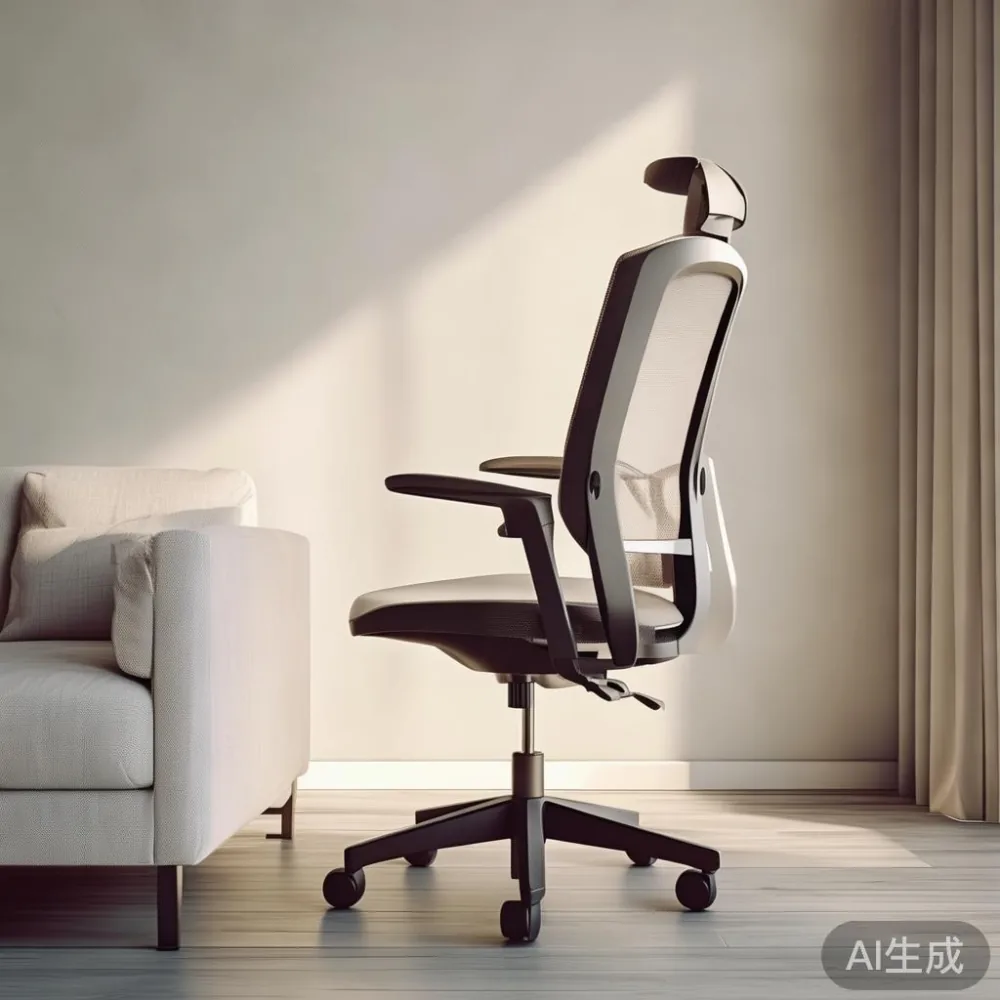
This guide explains how to plan an apartment around clear walking routes, proportion furniture correctly, and mix solid wood construction with light-toned upholstery, glass, and stone. Prices are shown in SGD and include Singapore GST where applicable, while delivery estimates refer to standard Singapore orders.
How do I make a small apartment feel less crowded?
Begin by measuring the spaces that must remain open. HDB lift doors and internal lift dimensions vary by block, so check the exact model with your management office before ordering a wide dining table or a large solid wood sofa. A typical HDB lift interior may offer only about 110 cm of door width, while a reclining seat or extended lift-call button can make the usable passage narrower. In condo corridors, note turning points, door-opening clearances, and any fire-safety regulations.
Last month, I visited a friend’s three-room Bedok flat to assess a new work corner. The original desk filled 240 cm of wall length and the chair had to be pulled away from it whenever someone passed. We moved the workstation into a 175 cm recess, used a 65 cm-wide compact desk, and placed the ergonomic chair at an angle. The apparent crowding came from the layout, not the room’s size. Keeping 90 cm clear behind the desk and roughly 75 cm beside the chair restored a usable route from the bedroom door to the kitchen.
Use a scaled floor plan, mark every doorway, and allow these circulation targets:
- 75–90 cm beside a desk chair for entry and exit.
- 90–120 cm between the front of a dining chair and a wall or cabinet.
- 60–90 cm along a main corridor where two people may pass.
- 3 cm around loose furniture that must be moved for cleaning.
- At least 60 cm from a bed side to the nearest wardrobe drawer.
Light colours help because they visually recede, yet proportions matter more than a colour palette. A low 76 cm-high sofa can make a 300 cm-long wall feel open, while a bulky 92 cm-high wardrobe may dominate the same elevation. Choose pieces whose footprints support the functions you actually have, and avoid squeezing every zone into one room.
What dimensions should I choose for a compact dining and work area?
A dining table should relate to the room, not merely fit inside it. For four people, a 120 × 75 cm rectangular dining table offers enough edge space for standard plates, while a 140 × 80 cm model suits square corners and more generous serving. Leave at least 90 cm between the table and surrounding walls if chairs must be pulled out. Below that, consider a 90–110 cm round dining table with a 45 cm diameter, which can seat three or four people without creating a rigid grid.
For lifts, a table that arrives in two sections is usually easier to manage. The longest component should stay below the lift’s internal depth or be approved for a stair-carry installation by the delivery team. Ask MIDHILL for the packed dimensions rather than estimating from the assembled table. A timber dining table may weigh 45–70 kg depending on its top thickness and extension design, so protected lifting and a clear route from the lift lobby are important.
A small apartment can also use an integrated meal-and-work surface. A 135 × 65 cm table can function as a two-person dining table during weekday lunches and a laptop station in the evening. When comparing styles such as American sofa vs Italian light luxury sofa, consider the complete footprint and seat depth rather than focusing on decorative details. A deep 58–62 cm sofa looks generous but consumes valuable floor area; a 50–54 cm compact sofa can feel more appropriate in a 9–12 m² living room.
For a study corner, Modern light luxury for office does not require a large executive room. A 120 × 55 cm desk, a 120 cm-wide ergonomic chair, and one 30 cm-deep wall shelf can fit within 150 cm of wall space. The chair should have an adjustable seat height of roughly 45–55 cm, firm lumbar support, and armrests that do not prevent the chair from sliding beneath the desk. Look for a seat width near 48–52 cm and test the chair over at least 15 minutes before deciding.
How can an ergonomic chair work in a narrow Singapore home?
An ergonomic chair earns its place when it improves posture and fits the available space. A chair with a 55–65 cm width may work in a compact study zone, but the available clear width must include the base, not only the seat. Check that the base has a 55–65 cm turning diameter and that the chair can be parked without blocking a doorway or washing area.
The ergonomic chair should match your desk height. For a 72–75 cm desk, a chair with a 45–56 cm adjustable seat range allows the feet to remain flat while the elbows sit near 90 degrees. A seat depth of 42–47 cm supports the thighs without pushing the knees into the desk edge. If you are shorter than 150 cm, choose a chair with a shorter minimum seat height or adjustable footrest rather than compensating with a cushion that slides.
Head support is useful for reclining breaks, but it can add 15–25 cm to the chair’s height. In a low-ceiling room, select a version without a tall headrest. Breathable mesh, a supportive seat edge, and light armrests are practical in Singapore’s humid climate. A high-quality compact ergonomic chair may cost SGD 380–850, while a more adjustable model can range from SGD 900–1,600. Solid wood frames and replaceable components can add longevity, but every hinge and adjustment should still be tested.
Position the chair before styling the wall behind it. Leave 5–8 cm between the desk and a wall shelf, keep 30–45 cm of legroom beneath the work surface, and avoid placing the chair directly in the path from a bedroom door. In Punggol condos with compact study rooms, a slim desk with a 65 cm depth can create enough space for the chair to slide in fully, leaving the circulation line visible.
Can light luxury make a small apartment feel more spacious?
French light luxury suits a compact home when it is interpreted through pale woods, curved silhouettes, restrained ornament, and tactile upholstery rather than heavy decoration. A light oak solid wood bed frame with a low profile can visually lift the bedroom. Keep the mattress close to the headboard to avoid a large empty gap, and use curtains that stop 1–2 cm above the floor rather than short drapes that interrupt the vertical line.
Post-modern light luxury offers another route: clean geometry combined with a small number of distinctive forms. A 40–45 cm round marble table beside a 45–55 cm lounge chair can create a reading corner without looking oversized. If the marble top weighs 25–40 kg, plan its delivery carefully and use a stable base rather than a narrow pedestal. A smaller 55–65 cm diameter version is easier to move, although it should not be treated as a dining table.
For seating, comparisons between American sofa vs Nordic sofa often centre on profile and depth. American styling can use broad cushions and a substantial frame; Nordic styling favours lighter visual weight. Neither needs to fill the entire wall. A compact solid wood sofa with a 190–210 cm width and 48–52 cm seat depth can suit a 3.2–3.8 m living room wall. Add one 35–40 cm accent chair only if the room still has a 75 cm passage around it.
Some shoppers search for a light luxury sofa bed foldable when a guest room doubles as a study. A foldable mechanism is useful, yet the folded dimensions and mattress support still determine whether it feels crowded. Check that the unit can pass through the lift and doorway when folded, and confirm whether the mattress is included. Budget around SGD 1,200–2,800 for a functional model with a reputable frame and warranty.
Wardrobes need equal attention. A fitted unit reaching almost to the ceiling uses vertical space efficiently, while a low 180 cm wardrobe can leave the upper wall visually open but create storage pressure. Slim hanging rails, drawers no deeper than 55 cm, and mirrored sliding doors can improve usability. A built-in wardrobe may cost SGD 1,800–4,500 depending on internal fittings and finishes.
Which materials work best for a small Singapore apartment?
Light-to-medium solid wood tones complement warm HDB floors without creating a dark visual block. Oak and ash-style finishes can make furniture feel delicate, while walnut-like tones add definition. For a solid wood sofa, solid wood bed frame, solid wood dining table, or wardrobe, consider the grain direction and whether the available daylight will make the finish look uneven. Request samples if colour accuracy matters.
Soft textiles help soften hard floors. A rug with a 160 × 230 cm size can define a compact seating area, although it should leave 20–30 cm of visible floor around the edges. Avoid placing a small rug in the middle of a tight room. Upholstery in oatmeal, mist grey, or pale taupe can coordinate with both warm and cool walls.
Storage should be proportionate. A 40–50 cm-wide nightstand with one drawer gives space for a phone, charger, and 150 ml of water without occupying a bedside zone. Choose a height within 5 cm of the mattress top. Floating shelves can hold books and small objects, but their total load should remain realistic: around 5–8 kg for a 20 cm-deep shelf fixed into plasterboard with suitable anchors.
When weighing American bed vs Japandi bed styles, focus on function. An American bed may use a visually substantial headboard and deep frame, while a Japandi bed usually presents a lower, calmer profile. In a room with 240 cm of available width, a queen bed measuring 150 × 200 cm can fit with 45 cm on one side, but wardrobe access then becomes important. A 120 × 200 cm bed is easier to work through, though it may not suit every sleeper.
Marble and glass introduce reflection, but fingerprints and glare deserve attention. A 60–70 cm marble table can work as a side table, and glass can make a compact dining area feel open. Pair transparent surfaces with grounded materials such as timber so the room does not appear visually fragmented.
What should I check before ordering furniture for my flat?
Measure everything twice, including the route from the street or service entrance. Check the lift car width, door width, internal depth, corridor turns, and the distance from the lift lobby to the apartment door. Large flat-pack cartons can be easier to carry than fully assembled pieces, but they may occupy more length. Ask for the packaged weight, number of cartons, and estimated delivery days.
For Singapore orders, MIDHILL typically takes 7–14 delivery days for in-stock configurations and around 14–21 days for made-to-order pieces. Standard delivery may be free above US$350, equivalent to roughly SGD 460 at a typical exchange rate; the final Singapore charge should be confirmed at checkout. A 10-year structural warranty covers qualifying structural components, while lifetime refinishing refers to eligible furniture and service terms rather than unlimited free restoration.
Confirm that GST is included or displayed clearly, and retain the invoice for warranty service. Singapore’s 14-day return policy provides a useful review period for items that remain eligible, but large furniture may have condition, assembly, or custom-order exceptions. Read the product page before approving delivery.
Curtain and rug colours should be checked under the home’s evening lighting as well as daylight. A bench that fits a showroom may be less comfortable in a room with a 240 cm ceiling and limited air movement. For any solid wood dining table, solid wood bed frame, wardrobe, nightstand, or marble table, request the exact dimensions and finish sample before production.
For an overview of decorative directions, a search for top 10 French provincial furniture can help identify carved details, curved edges, and creamy finishes. Those features often work best as accents: a small table or bed frame with subtle curves is easier to live with than a heavily ornamented suite occupying every wall.
Finally, compare product specifications in millimetres, kilograms, and SGD rather than relying on style labels. Confirm the ergonomic chair’s adjustments, the sofa’s usable seat depth, the dining table’s clearance, and the bed frame’s outer dimensions. The goal is not to make the apartment appear empty; it is to make movement, work, meals, and rest feel comfortable.
How do I create a light-luxury look without overfilling the room?
Use one dominant material, one supporting material, and a few controlled accents. For example, pale solid wood may form the bed frame and dining table, cream upholstery may carry the seating, and a marble table may provide contrast. Keep accessories in groups of three or five, and use closed storage for most daily objects so the room remains calm.
A mirror can visually extend a narrow wall if positioned to reflect a window rather than a television. Avoid several competing mirrors. Artwork should sit 15–20 cm above a console or 10–15 cm above a nightstand, depending on its scale. Lighting at three levels—ceiling, task, and a small table lamp—adds warmth without filling surfaces with devices and ornaments.
Choose movable pieces intentionally. Nesting tables can provide a 55–70 cm surface when needed and nest into a 35–40 cm footprint. A slim side table can sit beside a compact solid wood sofa, while a 35–45 cm ottoman can provide occasional seating or hold a tray. Keep the room’s most crowded-feeling object, often an oversized coffee table, light and low.
Before ordering, spend 10 minutes in the room with painter’s tape on the floor marking the proposed furniture footprints. Walk the route as though carrying laundry, groceries, or a laptop. If the layout works with the chair and other pieces in place, it is likely to work after delivery. The final test is simple: can you use the apartment comfortably, and does each larger item earn the space it occupies?