How Humidity in Southeast Asia Quietly Shapes the Wood Furniture in Your Singapore Home
Three weeks ago I helped a friend move a teak dining set into her new 4-room HDB flat in Bedok. The lift opening measured 1.6 m wide by 2.2 m deep, the corridor outside her unit was 1.2 m across, and the table she had ordered from overseas would not go up the stairwell because the corner radius was too tight. We unpacked it on the ground floor, carried the legs through the lobby, and re-assembled it on her dining floor. Within ten days the top had bowed 2 mm along the 180 cm span and the leaves no longer sat flush. Humidity in Singapore averages 80% RH, and frequently sits at 84–86% between March and September. That is a working environment, not a finishing touch, and it changes how every piece of solid wood in your home behaves.
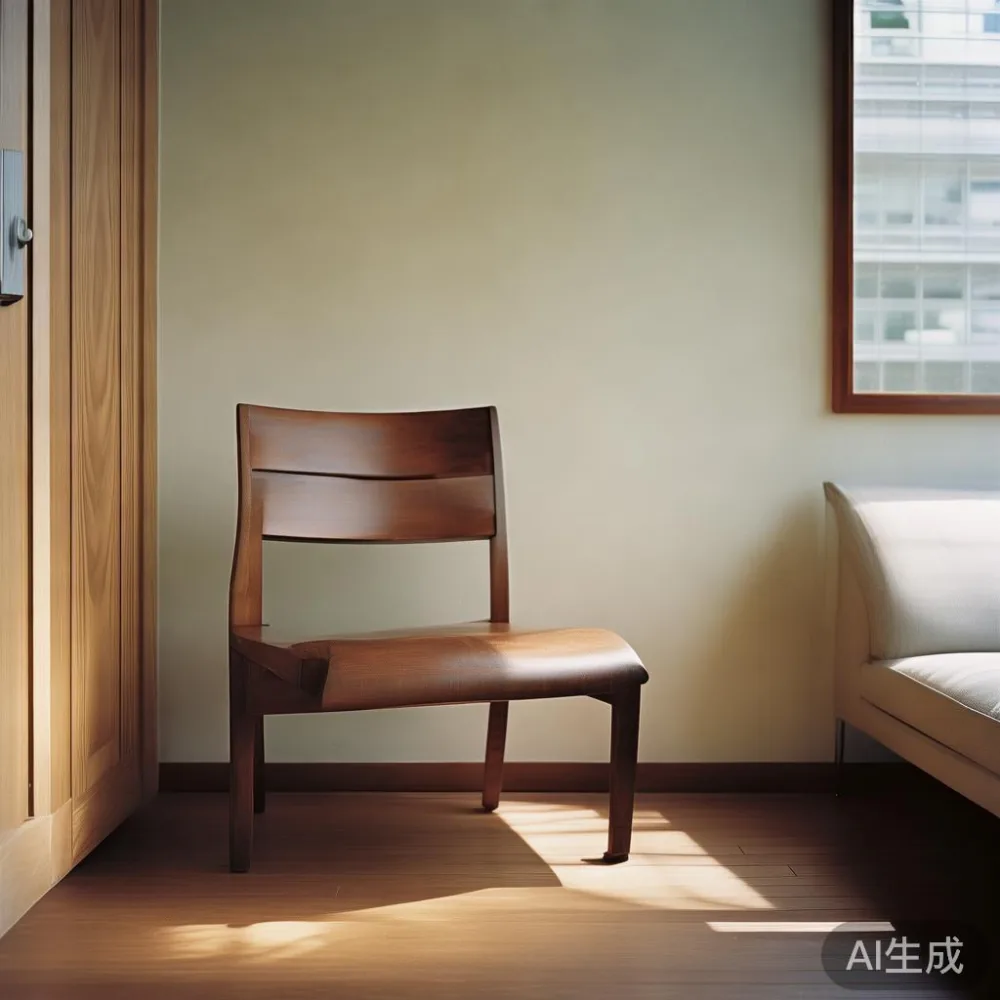
At MIDHILL in Foshan we kiln-dry our oak, ash, and walnut to a 9–10% moisture target before we build a sofa frame, bed frame, dining table, wardrobe, or nightstand. That figure is calibrated for a tropical indoor range of 60–75% RH, which is the practical envelope you can hold with a dehumidifier running 8–10 hours a day in a typical Singapore unit. When you understand the physics, you can choose pieces that stay quiet for ten years instead of ones that start arguing with you in month four.
Why does humidity warp solid wood in Singapore flats in the first place?
Wood is a hygroscopic material. Each 1% change in moisture content moves a typical oak board by roughly 0.2% across the grain. A 220 cm dining table top can grow or shrink by 4 mm across its width for every 2% swing in moisture. In a Tampines condo with afternoon sun through east-facing windows, a surface can swing from 58% RH in the air-conditioned living room to 82% RH on a balcony in under an hour when the door is left open during a thunderstorm. That swing is what opens joints, lifts veneer, and cracks the resin seams on a marble table sitting next to a solid wood console.
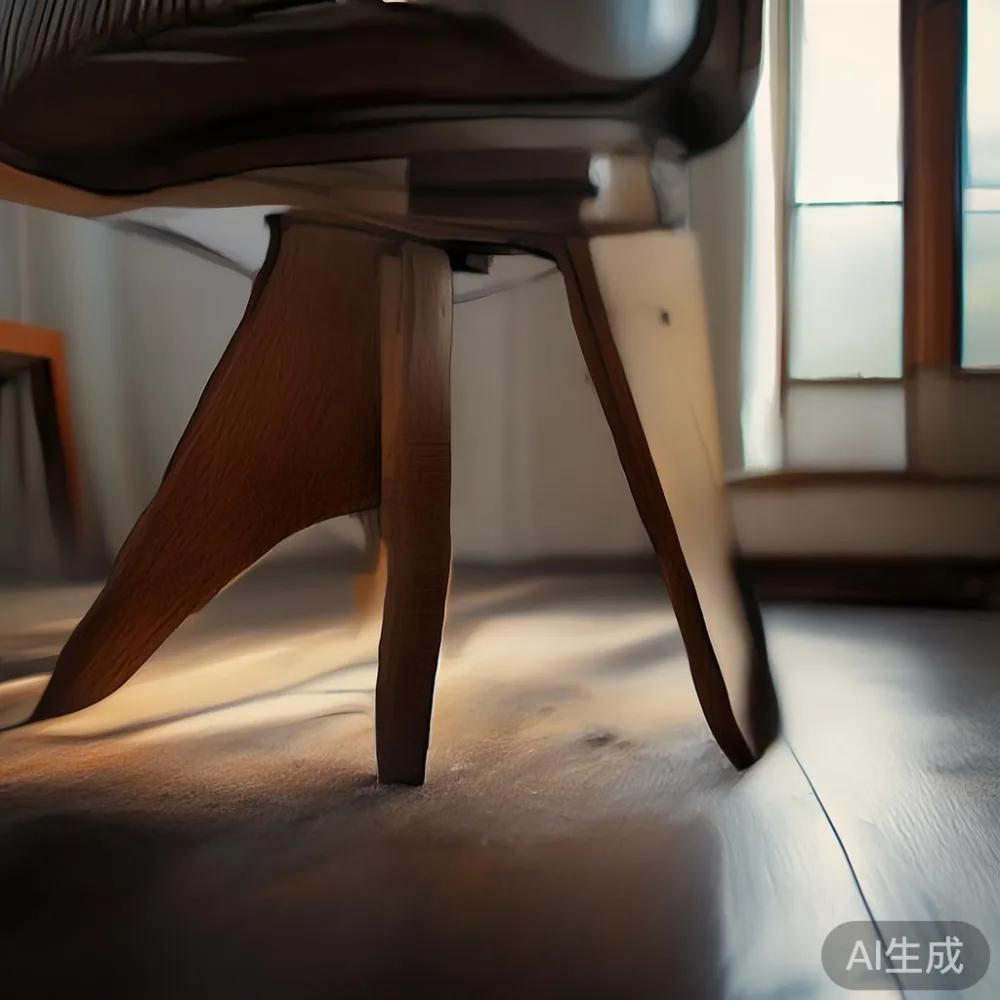
The worst cases I have seen in Singapore are not exotic failures. They are ordinary ones: a 160 cm oak desk that cups 3 mm in the middle, a wardrobe door that rubs the carcass by 4 mm in November, a walnut bed frame whose side rails spread 6 mm and leave the slats floating. None of these came from bad wood. They came from wood that was built dry in a different climate and then asked to live in yours.
Is a dining chairs worth the price in Singapore?
Yes, a properly built dining chair is worth the price in Singapore because the real cost of a cheap chair shows up at month eighteen, not at checkout, and a good chair pays for itself in the joints that never loosen, the finish that never peels, and the back that supports you through a 90-minute dinner without a wobble. A solid hardwood dining chair from a serious maker will run SGD 380 to SGD 720 per seat in the Singapore retail market, while an imported engineered-wood chair at SGD 120 looks identical on day one. After two wet seasons the import chair has loose tenons, lifted laminations, and a wobble that no amount of new felt pads will fix. A well-made chair, by contrast, takes the same humidity and shrugs it off because the joints are mortise-and-tenon with dowels, the wood is 8–10% moisture content at build, and the seat is shaped to a 6° lumbar curve that an ergonomic chair uses the same way a task chair does.
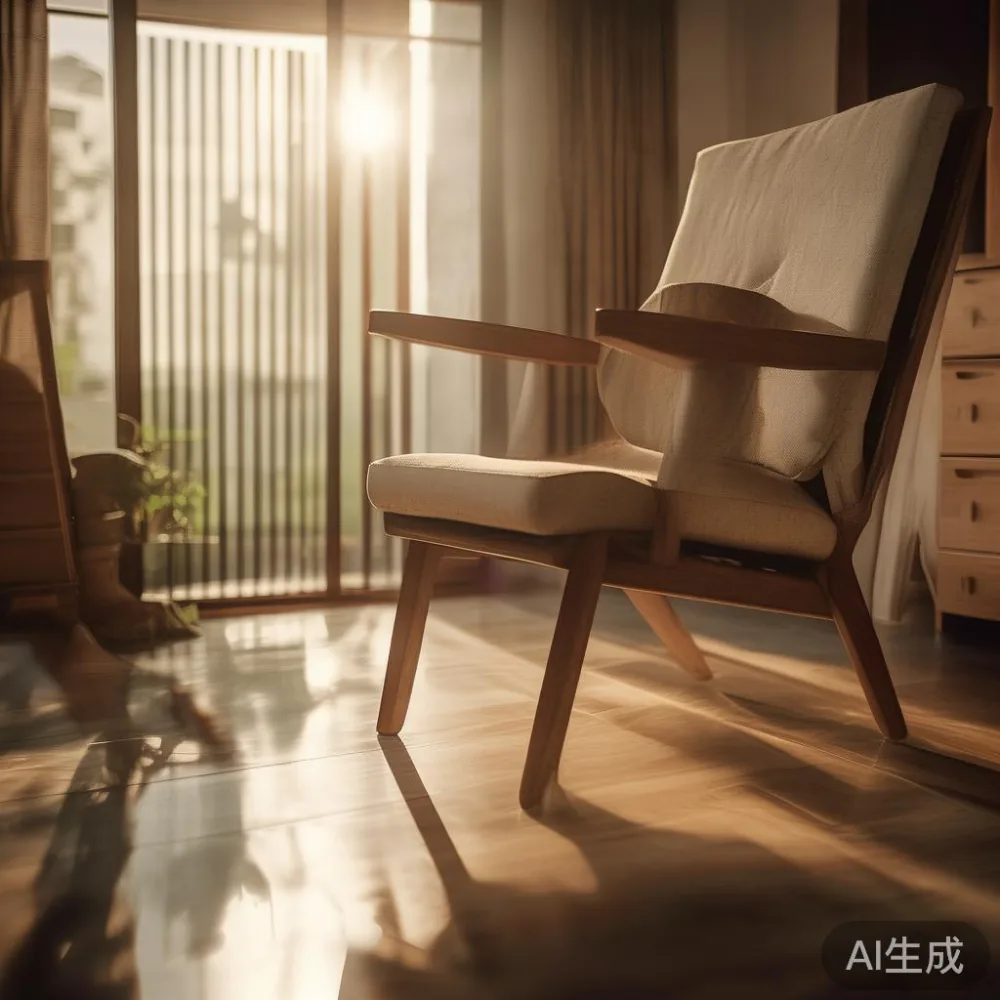
Here is what to actually check before you pay for a dining chair in Singapore. Seat height should land between 44 cm and 46 cm for a standard 75 cm dining table, which is the height most MIDHILL tables ship at. Seat depth around 41–43 cm keeps the edge off the back of the knee. Backrest height of 38–42 cm supports the shoulder blades without poking the shoulder. Weight capacity should be rated to 120 kg minimum, with 150 kg being the honest number for a kiln-dried hardwood frame. If the spec sheet hides those numbers, walk away.
What humidity range is actually safe for solid wood furniture in HDB and condo homes?
The safe target for solid wood furniture in a Singapore home is 55–70% relative humidity, with 60–65% being the sweet spot. Outside that range, two failure modes appear: below 50% RH for sustained periods you get splits along the grain and loose tenons, above 75% RH for sustained periods you get swelling, cupping, mould at the joinery, and musty drawer interiors. Singapore's outdoor air lives at 78–86% RH for most of the year, so the question is never whether your furniture is exposed to humidity; it is whether your envelope is controlled.
In a 90 sqm HDB flat in Punggol with two adults, two children, and laundry dried indoors, indoor RH can climb to 78% on a still afternoon with no air-conditioning. A 12-litre dehumidifier set to 60% pulls roughly 6 litres in 12 hours and costs about SGD 0.30 per kWh at the current regulated tariff. Run it in the wardrobe room overnight and in the dining area during cooking hours. Keep the bedroom at 24°C with the air-con set to dry mode and you hold 55% RH on a humid July night without thinking about it.
For pieces that sit near a window, leave a 10 cm gap from the glass. Glass conducts heat and cold faster than the wall does, and that 5–8°C surface temperature swing pulls moisture out of the wood in the afternoon and pushes it back in at night. I have measured a 12% RH difference between a tabletop 5 cm from a west-facing window and the same tabletop 80 cm back in the room. Move the bed frame or nightstand back from the glass and you remove the worst microclimate in the house.
How should you choose solid wood pieces for a Singapore-sized home?
Choose pieces built for small footprints, tight corridors, and lift geometry, because the furniture that arrives safely is the furniture that will stay beautiful. Lift doors in most HDB blocks measure 1.8 m high by 1.1 m wide, with usable diagonal clearance of about 2.1 m. Corridor widths are 1.2 m. Anything taller than 1.75 m or wider than 1.05 m will not go up in one piece. A wardrobe sold as 200 cm tall by 60 cm deep by 90 cm wide will enter the lift only if the delivery team tilts it diagonally, which most white-glove crews will refuse for solid wood over 80 kg.
MIDHILL ships flat-pack joinery for wardrobes and bed frames so a 220 cm tall wardrobe arrives as a 175 cm carcass plus a separate top section, each under 35 kg. A solid wood sofa in three modules, each under 28 kg, clears a 1.1 m lift door without tilting. A dining table with a removable leaf and detachable legs fits the same envelope and can be carried by two delivery staff through a 1.2 m corridor without scraping the walls. None of this is glamorous, but every piece that arrives without a scuff is a piece that survives its first monsoon.
For seating, weight and joinery matter more than fabric. An ergonomic chair built on a solid ash or walnut frame will outlast any upholstered task chair with a plywood frame, because the moment a plywood seat begins to delaminate, the ergonomic geometry collapses and the chair stops doing its job. A hardwood ergonomic chair at SGD 720 to SGD 1,140, with a sprung seat and a shaped lumbar, will hold its geometry for ten years in a Singapore home office; a SGD 220 engineered-wood ergonomic chair will lose its curve in eighteen months. The price gap is the difference between a chair and a fixture.
Does light luxury furniture hold up in a tropical climate?
Light luxury, whether French light luxury, American light luxury, or post-modern light luxury, holds up beautifully in Singapore when the bones are right and the finishes are honest. The aesthetic depends on clean lines, generous negative space, and natural materials, which means the wood has to look like wood and stay flat. A French light luxury bedroom with a low walnut bed frame, two integrated nightstands, and a marble table console will read as elegant in a 4-room flat, but only if the walnut does not cup, the marble does not stain, and the nightstands stay aligned with the wall.
Two practical choices separate a light luxury look that lasts from one that falls apart by year two. First, specify a satin or matte finish rather than high gloss, because a satin sheen hides the micro-movements of a 0.5 mm seasonal shift in the wood, while a high gloss turns every shift into a visible distortion in the reflection. Second, choose pieces with floating backs and recessed plinths so the floor can breathe underneath, which keeps airflow moving and stops the 1–2 mm of moisture wicking up from a wet-mopped surface. A post-modern light luxury dining table with a 4 cm thick oak top on slender blackened steel legs ticks both boxes and weighs under 60 kg for a 200 cm length, which any HDB lift can swallow.
What is the best way to acclimate new wood furniture when it arrives in Singapore?
Acclimate new wood furniture for 7 to 14 days in the room where it will live, with cartons opened, wrapping removed, and air moving through the piece. Set the room to 60–65% RH and 24–26°C two days before delivery if you can, so the wood enters a controlled environment instead of a damp one. Place the furniture on its final footprint, do not push it against a wall for the first 72 hours, and leave a 10 cm gap behind a wardrobe so air circulates. After ten days, run your hand across the top and feel for cupping; if the surface is flat to within 1 mm over a 100 cm span, the piece has settled and is ready for use.
If you are adding a piece to a room that already holds solid wood, weigh the new piece relative to the old. A 60 kg dining table added to a room with a 90 kg wardrobe will not move the room's average moisture equilibrium in any meaningful way, but a 250 kg wardrobe added to a 12 sqm study will pull the local RH down by 2–3% as the wood stabilises. Plan for that drop with a small dehumidifier on a hygrometer for the first month.
How do you maintain wood furniture through a Singapore monsoon season?
Maintain wood furniture through a monsoon season with three habits: wipe with a barely damp microfibre cloth once a week, oil the high-touch surfaces every six months, and keep the indoor RH inside the 55–70% window with a dehumidifier. Avoid furniture polish that contains silicone, because silicone soaks into the grain and prevents future refinishing, including the lifetime refinishing that MIDHILL offers on every solid wood piece we build. Use a hard wax oil tinted to the species, applied with a lint-free cloth, left for fifteen minutes, and buffed dry. A 500 ml tin costs SGD 38 to SGD 65 in Singapore and covers a six-seat dining table twice.
For an ergonomic chair, wipe the lumbar area and armrest pads monthly, vacuum the mesh or fabric every two weeks, and check the gas lift and tilt mechanism once a year. A quality ergonomic chair from a serious maker will have a ten-year warranty on the frame and a five-year warranty on the mechanism, and the casters will survive a 12 mm threshold strip at the study door without binding. Cheap casters bind in month six and start scratching your solid wood floor, which is a quiet form of self-damage that compounds over a decade.
Where do most Singapore buyers go wrong with solid wood furniture?
Most Singapore buyers go wrong by choosing wood species for colour rather than for stability, by trusting showroom photos over joinery photos, and by assuming air-conditioning alone controls humidity. Burmese teak, European oak, and North American walnut are all stable in Singapore when kiln-dried correctly and joined with floating backs. Meranti, rubberwood, and lower-grade engineered boards look fine in the shop and fail at the joints within two wet seasons. Ask for the moisture content reading at the time of build, ask for the joinery method, and ask whether the back of a wardrobe is solid or veneered MDF. The right answers cost you nothing and save you SGD 2,000 to SGD 8,000 in replacement pieces over a decade.
The second common mistake is buying a piece too large for the lift. A 240 cm dining table will not fit a standard HDB lift tilted or upright, and a corridor turn of 1.2 m by 1.2 m will reject anything longer than 200 cm with the legs attached. Order the size that fits the building, not the size that fits the showroom fantasy. A 160 cm dining table seats six comfortably in a Singapore dining room, leaves 90 cm of circulation on every side, and arrives in one piece without a fight. The same logic applies to a bed frame: a queen at 152 cm by 188 cm fits any HDB master bedroom with room for two nightstands and a 60 cm wardrobe clearance.
How do MIDHILL pieces handle the Southeast Asian climate after ten years in service?
MIDHILL pieces handle the Southeast Asian climate by being built for it from the start, with kiln-drying to 9–10% moisture content, mortise-and-tenon joinery with hardwood dowels, and finishes that breathe with the wood instead of sealing it in plastic. We have pieces in Singapore homes that are nine years old and have been through nine monsoons, and the owners send photos every other year when they take us up on the lifetime refinishing service. A solid wood sofa frame gets a fresh hard wax oil, the cushions get re-stuffed with high-resilience foam wrapped in down, and the piece reads as new for another five years. That loop is the real meaning of a ten-year structural warranty: the bones stay sound, and the surface can be renewed indefinitely for the cost of a service visit, which is roughly SGD 180 to SGD 320 per piece in Singapore.
Delivery for a MIDHILL piece to a Singapore address runs 14 to 21 working days from Foshan by sea, with free shipping on orders above US$350 (about SGD 480), customs handled door-to-door, and a 14-day return window if the piece does not suit your room. Lift access is confirmed before dispatch, the team carries the cartons up under a white-glove contract, and the packaging is removed and recycled on the same visit. The service is built around Singapore's building stock, not around a generic international shipping template.
What should a Singapore buyer look for in a one-time furniture investment?
Look for kiln-dried hardwood, visible joinery, a written moisture content reading, a written moisture warranty, a ten-year structural warranty, lifetime refinishing availability, and delivery that respects your lift and corridor. Add a 14-day return window and free shipping over a clear SGD threshold, and you have the contract a serious maker offers. Anything less is a retail compromise dressed up as a deal.
If you want a single purchase that anchors a Singapore home for the next decade, start with the dining table, then the bed frame, then a solid wood sofa, then the wardrobe and nightstands. Add an ergonomic chair for the home office and a marble table for the entryway, which is also where a small piece like a sage walnut entryway furniture bench earns its keep by absorbing the daily shoe traffic and the wet umbrellas without marking the wall behind it. Build the room around solid wood and air-flow, hold the humidity between 55 and 70 percent, and the furniture will repay you with the kind of quiet, settled presence that only comes from pieces that were built to last in your climate from the very first day.