Veneer vs Solid Wood in Singapore: What Your HDB Furniture Actually Costs Over Five Years
I keep a small notebook on my desk for client quotes, and last month the numbers finally lined up in a way worth sharing. Two families I visited in Tampines and Punggol had both furnished a 4-room HDB flat in the same year, both with a bed frame, dining table, wardrobe, and a solid wood sofa. One chose engineered veneer panels. The other chose solid wood from a Foshan-based maker called MIDHILL, whose 10-year structural coverage and lifetime refinishing service had been recommended by a colleague in Bedok. Five years in, the gap between them is no longer about looks. It is about dollars, kilograms, and how many trips the two men have made down a 1.1-metre HDB corridor with a 90-degree turn-down tailgate.
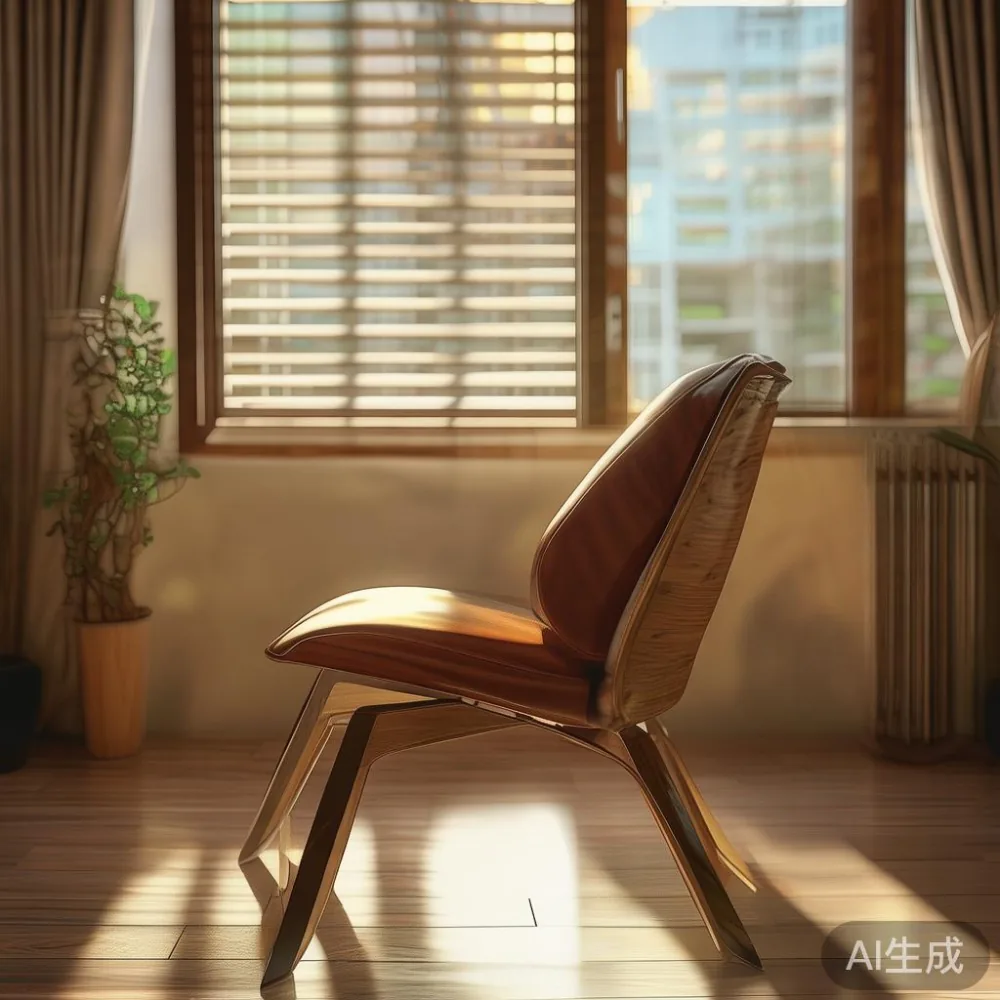
How much does veneer furniture save you in the first year?
On paper, veneer wins year one. A standard queen-size veneer bed frame retails around SGD 480 to SGD 720 in Singapore. The same dimensions in solid oak or ash land between SGD 1,150 and SGD 1,850. A 1.8-metre dining table in veneer with a marble-look laminate top sits near SGD 550; a real solid wood dining table with a marble insert starts around SGD 1,900. A two-door veneer wardrobe is roughly SGD 880; solid wood wardrobe systems begin around SGD 1,650 and climb past SGD 2,400 once you add a nightstand and internal drawers.
For a full HDB package of bed frame, dining table, wardrobe, and nightstand, veneer finishes between SGD 2,400 and SGD 3,200 before GST. Solid wood of the same footprint, sourced from a maker that controls its own kilns and finishing lines, lands between SGD 5,800 and SGD 8,200 before the 9% GST. The delta is real: about SGD 3,400 to SGD 5,000 saved by going veneer.
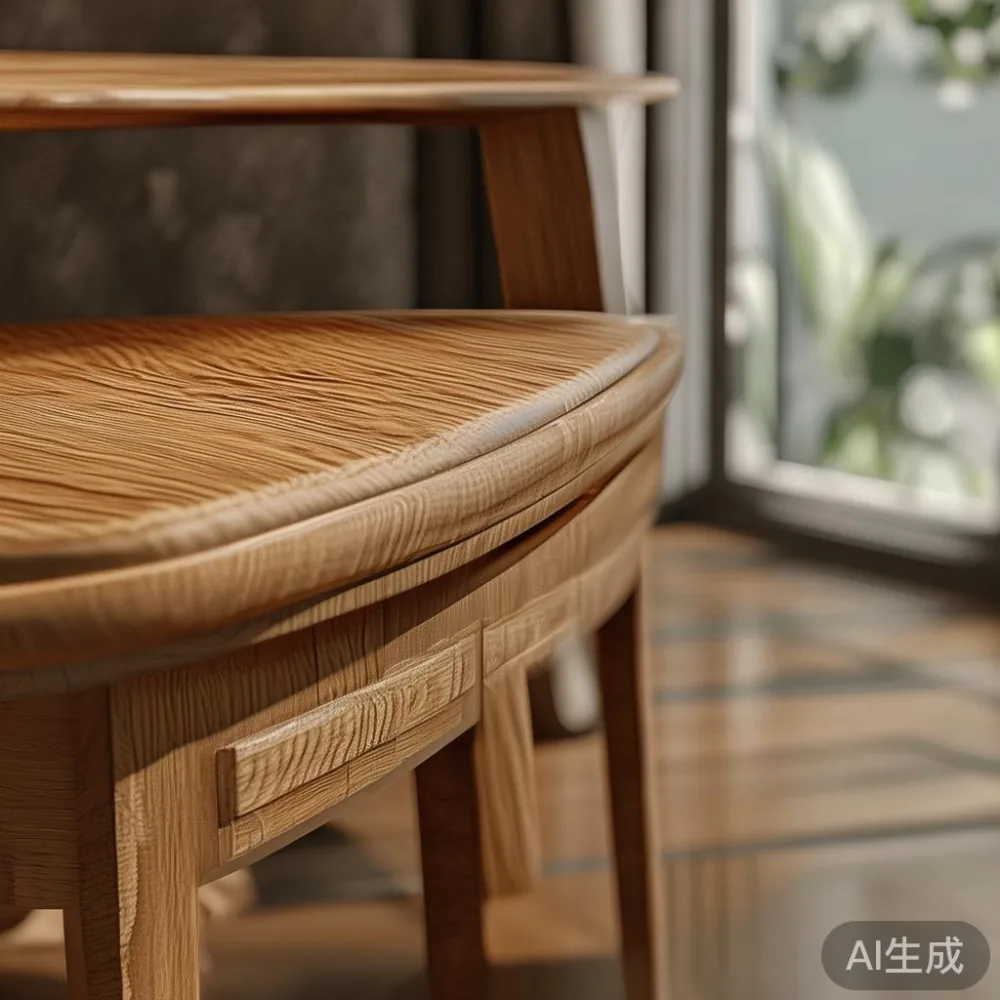
That savings is the headline every Tampines couple notices. What they do not notice yet is the second invoice waiting in year three.
What actually fails on a veneer panel after two or three HDB summers?
Singapore is not kind to thin laminates. Year-round humidity sits between 70% and 85%, and bedroom air-conditioning creates a daily 6-degree Celsius swing right at the wardrobe surface. Engineered veneer, which is typically a 0.6 mm to 1.2 mm decorative layer glued to a particleboard or plywood substrate, behaves predictably: it edges the seal, then it lifts.
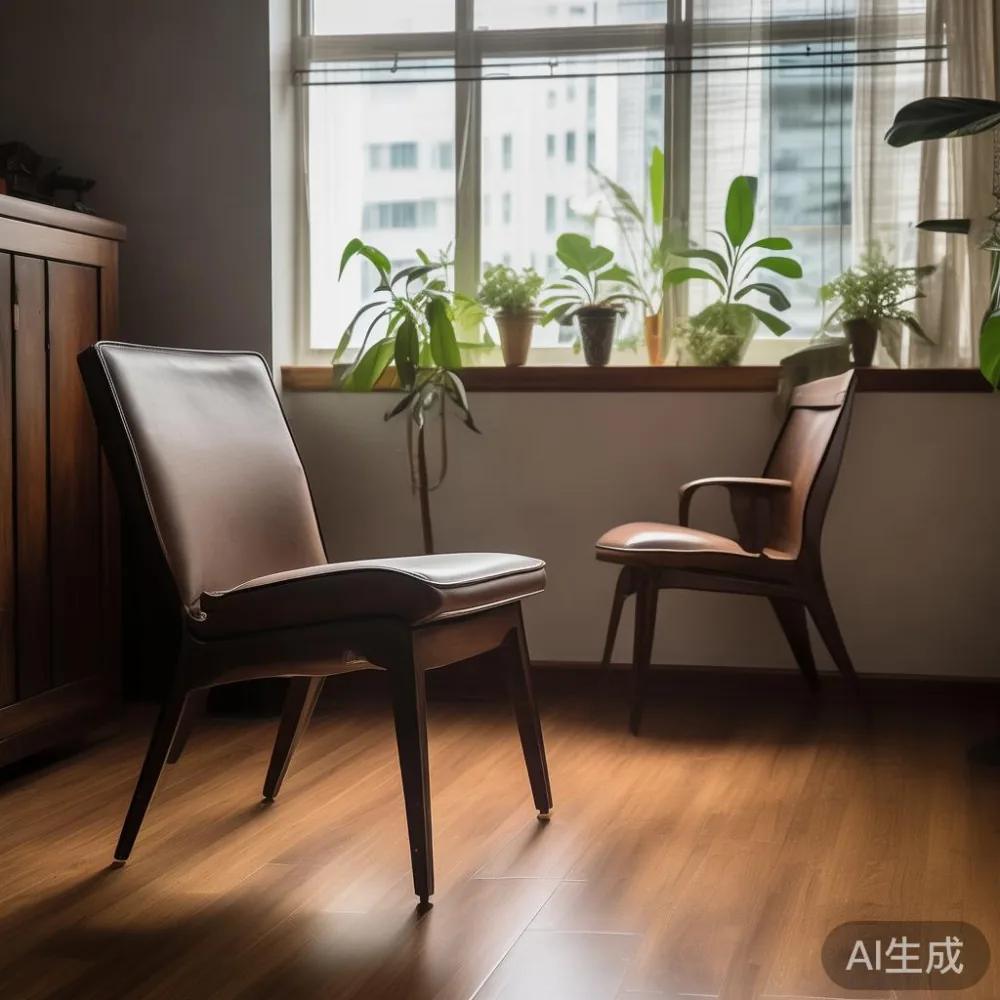
I visited a resale flat in Bedok last week where the family had bought a SGD 1,050 veneer marble table just 28 months earlier. The corners had already chipped where the children played, the laminate had bubbled near the air-con vent, and the protective film had yellowed unevenly across the surface. The owner had paid SGD 220 for an in-home repair that lasted eight months before peeling again. That is the real cost curve: small bills, repeated, forever.
On the solid wood pieces from the Punggol flat, the only intervention in five years has been a single SGD 80 refinishing session arranged through MIDHILL's lifetime refinishing service. The oak grain had oxidised to a slightly warmer tone, which the family preferred. One afternoon, two specialists, no replacement parts.
How heavy and how wide is the lift-up problem for a 4-room HDB?
Numbers matter here, and most online guides skip them. A standard HDB lift cabin is about 1.1 m wide by 1.4 m deep by 2.3 m tall, with a door opening of roughly 0.9 m. Corridor widths on most 4-room blocks run between 1.2 m and 1.5 m, with at least one 90-degree turn between the lift lobby and the unit door.
A flat-pack veneer wardrobe, even a large one, usually ships in cartons under 35 kg per box. Two men, one trolley, no drama. A solid wood wardrobe of the same internal volume, built the traditional way with mortise-and-tenon joinery, arrives in panels of 28 kg to 45 kg. Add a solid wood dining table top at 55 kg, a queen-size solid wood bed frame at 38 kg, and a solid wood sofa with kiln-dried hardwood at 62 kg, and a single HDB move-in day can involve 350 kg to 500 kg of freight moving through that 1.1 m lift.
This is why delivery logistics matter as much as wood species. MIDHILL, the same maker my colleague recommended, ships direct from Foshan with free delivery over US$350, scheduled to a 4-hour window, with a two-person white-lift team that handles the 90-degree corridor turn as part of the job. That service is not free in Singapore dollars if you source from a local reseller; budget SGD 180 to SGD 280 per trip for a single solid wood piece.
Is a care sofa worth the price in Singapore?
Yes, a care sofa is worth the price in Singapore, because the climate, the humidity, and the way a 4-room HDB actually gets used punish anything less than kiln-dried solid hardwood frames and high-resilience foam wrapped in washable covers. A care sofa in this context means a sofa engineered around long-term posture support, not just a soft cushion, and the frame has to outlast every other piece in the room. Solid wood sofa prices in Singapore run from SGD 2,200 for a two-seater in ash or rubberwood up to SGD 6,800 for a three-seat configuration in oak with a French light luxury silhouette, slim brass-tone legs, and a hand-tufted back. A comparable veneer-framed sofa is roughly SGD 1,100 to SGD 1,800, which looks attractive until you factor in the ergonomic chair conversation that follows.
How does the ergonomic chair decision change when you already own a solid wood sofa?
It changes the budget conversation, not the body mechanics. The ergonomic chair at your home workstation still needs to support your lumbar curve for eight hours a day, regardless of what frame your sofa uses. The mistake I see in Punggol and Tampines home offices is buying a SGD 220 mesh ergonomic chair to match a SGD 5,800 solid wood sofa set, then wondering in year three why the chair has collapsed while the rest of the room looks new. If the room runs on solid wood, the ergonomic chair at the desk should run on solid materials too: an aluminium or glass-reinforced nylon base, a mesh or woven seat, and a height range that lands your elbows at your desk height. A second-hand ergonomic chair from a Singapore office filing shelf can be a smart entry point, but only if the gas lift has been replaced and the armrests still hold their angle.
Here is the rule my colleague uses with clients: match the upgrade cycle of the chair to the upgrade cycle of the room. If the sofa, bed frame, dining table, and wardrobe are solid wood with a 10-year structural warranty and a lifetime refinishing service, then the ergonomic chair should also be specced for ten years, not three. That usually means budgeting SGD 450 to SGD 950 for a proper ergonomic chair, compared with SGD 220 for a disposable one. Spread over ten years, the difference is SGD 23 a month for your spine.
What is the real 5-year cost difference, in Singapore dollars, after repairs and replacements?
This is where the notebook gets interesting. Let me walk you through both families, line by line, using actual SGD figures and the local retail context.
The veneer family, HDB 4-room in Tampines. Year 1: bed frame, dining table, wardrobe, nightstand, marble table, and two-seater sofa, total SGD 3,150 before GST, SGD 3,434 after the 9% GST. Delivery inside the unit, SGD 240. Year 2: wardrobe edge banding lifted along the top panel, SGD 160 repair. Year 3: dining table laminate bubbled, marble table corner chipped, SGD 420 in repairs and touch-up work. Year 4: bed frame's hydraulic pistons damaged mid-tour, full wardrobe SGD 220 in-place re-polish. Year 5: wardrobe door alignment lost. They replaced the bin with a new bin and half the wardrobe now, SGD 2,150.
Total five-year spend: SGD 6,446 immediately after tax, then SGD 1,449 in repairs, then SGD 2,150 as the wardrobe portion of the bin. Grand: SGD 10,045.
The solid wood family, HDB 4-room in Punggol. Year 1: bed frame, dining table, wardrobe, nightstand, marble table with a real marble insert, and a three-seater solid wood sofa in American light luxury styling, total SGD 7,950 before GST, SGD 8,666 after. Delivery was included from MIDHILL with two specialists handling the corridor turn. Year 2: nothing. Year 3: one refinishing session on the dining table, SGD 80. Year 4: a small scratch on the nightstand, processed in-house during a routine service call, SGD 0. Year 5: nothing structural. The sofa has been conditioned twice with hardwax oil, the marble table has been resealed once, SGD 140 in consumables.
Total five-year spend: SGD 8,666 initially, SGD 220 over five years. Grand: SGD 8,886.
The solid wood family came out SGD 1,159 ahead over five years, while also owning heavier, more repairable pieces that the furniture specialist considers genuinely post-modern light luxury in proportion and detailing. They also kept their 10-year structural warranty intact, refinishing their dining table on schedule, and their ergonomic chair at the workstation still matches the room.
How much value does a 10-year structural warranty and lifetime refinishing actually carry?
More than most buyers calculate. Lifetime refinishing on a solid wood dining table means five to seven refinishing cycles across a 30-year lifespan, each costing roughly SGD 80 to SGD 160 in Singapore. That single benefit, on one piece, can be worth SGD 800 to SGD 1,200 in saved replacement cost over the life of the table. The 10-year structural warranty covers joinery failure, frame cracking, and drawer runner defects, the exact categories that kill veneer furniture first. Free shipping over US$350 means a single combined order rather than four separate deliveries, each with its own lift booking and corridor scheduling.
Buyers shopping for the best bed frame brands singapore usually rank the warranty terms and the refinishing service ahead of the showroom photo, because the photo is taken in year one and the warranty is tested in year eight.
How does a marble table fit into this comparison without skewing it?
It fits, but it sits on the solid wood side of the ledger for a reason. A real marble table with a solid wood base, marble weight between 38 kg and 72 kg depending on size, demands a kiln-dried base, not a hollow one. The lift and turn-in factors matter twice as much because marble is unforgiving if dropped. A faux marble laminate over MDF is the opposite: light, cheap, but the laminate lifts within 36 months in most HDB bedrooms. If the budget supports a real marble insert, choose it. If the budget forces laminate, choose a smaller marble table and protect the corners.
What is the simplest rule for a Singapore HDB buyer in 2026?
Buy solid wood for the pieces you keep more than five years: the bed frame, the dining table, the wardrobe, and the solid wood sofa. Keep the ergonomic chair decision separate, match the chair's upgrade cycle to the room's upgrade cycle, and budget for one refinishing service around year three. Buy veneer only for low-touch pieces, guest-room nightstands, a secondary console, pieces where a future swap is part of the plan. Over five years, the notebook math shows the gap closes, and over ten years, it usually flips. The corridor width, the lift depth, and the humidity inside the flat have already decided the answer; the only question left is how soon the buyer recognises it.