Warm Minimal in Singapore: How to Match Solid Wood Furniture Without Losing Ergonomic Comfort
Most Singapore HDB interiors I walk into in Tampines, Bedok, and Punggol have the same starting point: bone-white walls, vinyl that imitates oak, and a single desire to feel calm at the end of a 12-hour work day. Warm minimalism — the kind with creamy whites, oatmeal linen, and travertine textures — answers the calm part. The tricky part is the furniture. A badly chosen piece can swallow a 90 sqm BTO flat, scratch a 2.4 m corridor lift landing, or sit awkwardly below a 2.6 m ceiling. The other tricky part, often missed, is the chair you sit on for half the day. Get that wrong and the whole interior stops feeling warm — it just feels uncomfortable.
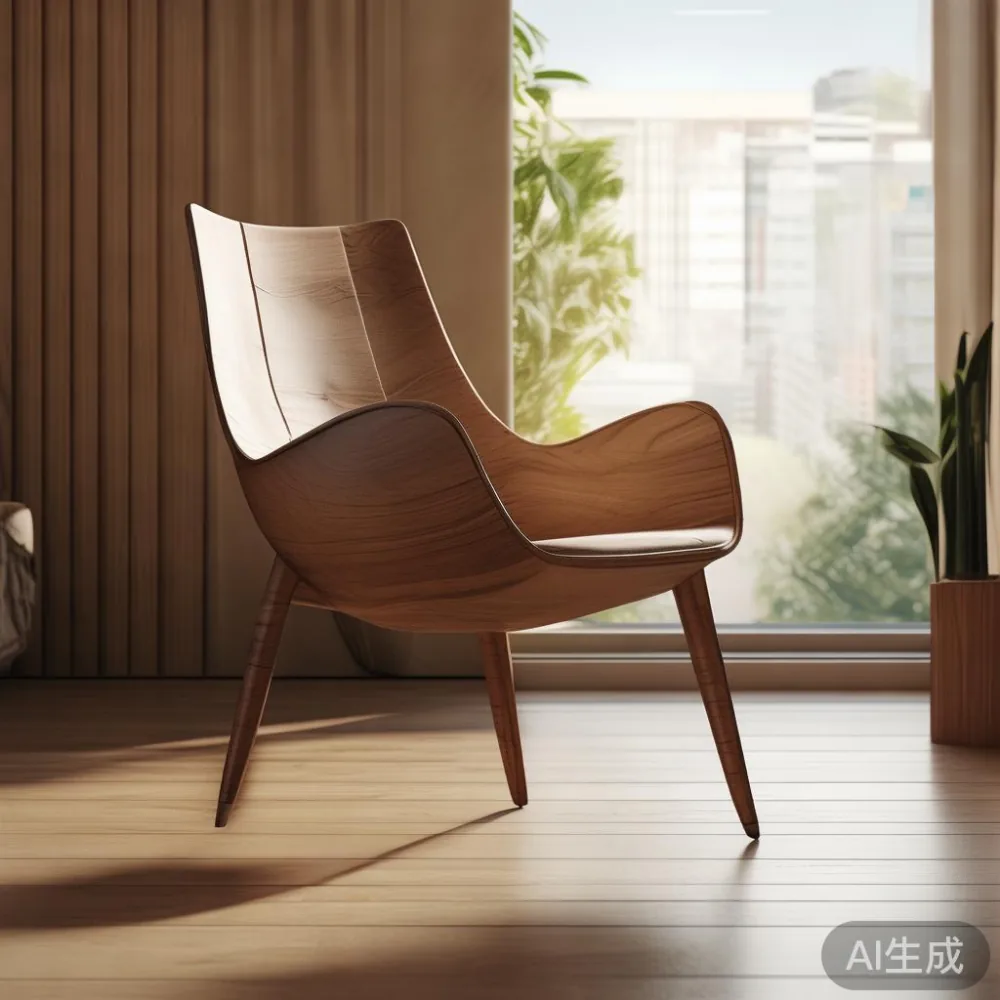
What does "warm minimal" actually look like inside a Singapore HDB?
Warm minimal is not a colour trend. It is a ratio. Picture one solid wood dining table, two rattan-backed dining chairs, a single bouclé armchair under a linen lampshade, and nothing else on the floor except a flatweave wool rug. Walls are warm white (around 70% NCS, not the bluish hospital white that 1990s BTOs came with). Timber is light — think white oak, ash, or natural beech — never the orange-stained teak that dominated the 1980s. In a 4-room HDB at 90 sqm, you have about 22 sqm of living-dining. That is room for a 160 cm sofa, a 140 cm extendable dining table, and one accent chair. Three pieces. Done.
The reason warm minimal keeps working in our tropical climate is the contrast between cool air-con (22-24°C) and warm surfaces. Wood absorbs the eye-bleach of LED downlights. Marble cools the palm. Brass hardware catches the breeze from the corridor window. It is French light luxury stripped of its Parisian formality — closer to a Saint-Tropez holiday flat than a Haussmann salon.
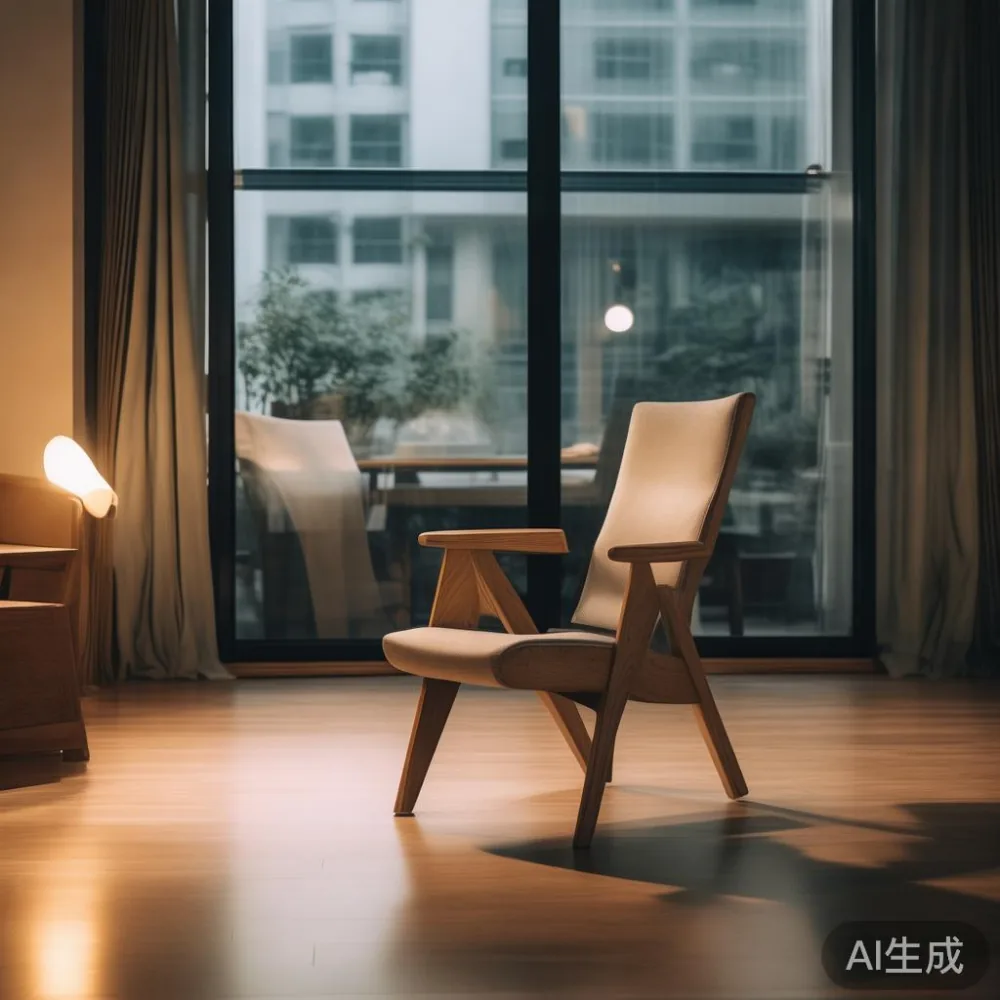
How do you pick a solid wood sofa that does not bully a 4-room flat?
Start with footprint, not fabric. A 3-seater at 150 cm deep will block your corridor access in most 4-room layouts, because the corridor from the lift lobby to your door is usually 1.2 m wide and the sofa has to pivot through it. I visited a client in Punggol last month whose 180 cm solid wood sofa arrived stuck on the 12th-floor corridor — the lift cabin was 1.1 m wide, the sofa was 0.95 m, but the diagonal of the backrest was 1.32 m. They had to flip it sideways and re-route through the service stair. Choose a 140-160 cm width instead, with arms no deeper than 8 cm.
Frame matters more than cushioning in a tropical climate. Rubberwood and ash both hold up against the 80-90% RH we see from October to February. A kiln-dried white-oak frame at 8-10% moisture content will not warp; MDF will swell within two wet seasons. For the seat, high-resilience foam wrapped in a feather-fibre topper gives the right "sink-in-but-bounce-back" feel without flattening by month six. The sofa back should sit at 45-50 cm from the seat, with the seat depth between 55-58 cm. Anything shallower and a 175 cm adult sits with their thighs unsupported, which is the beginning of every backache story I hear from clients.
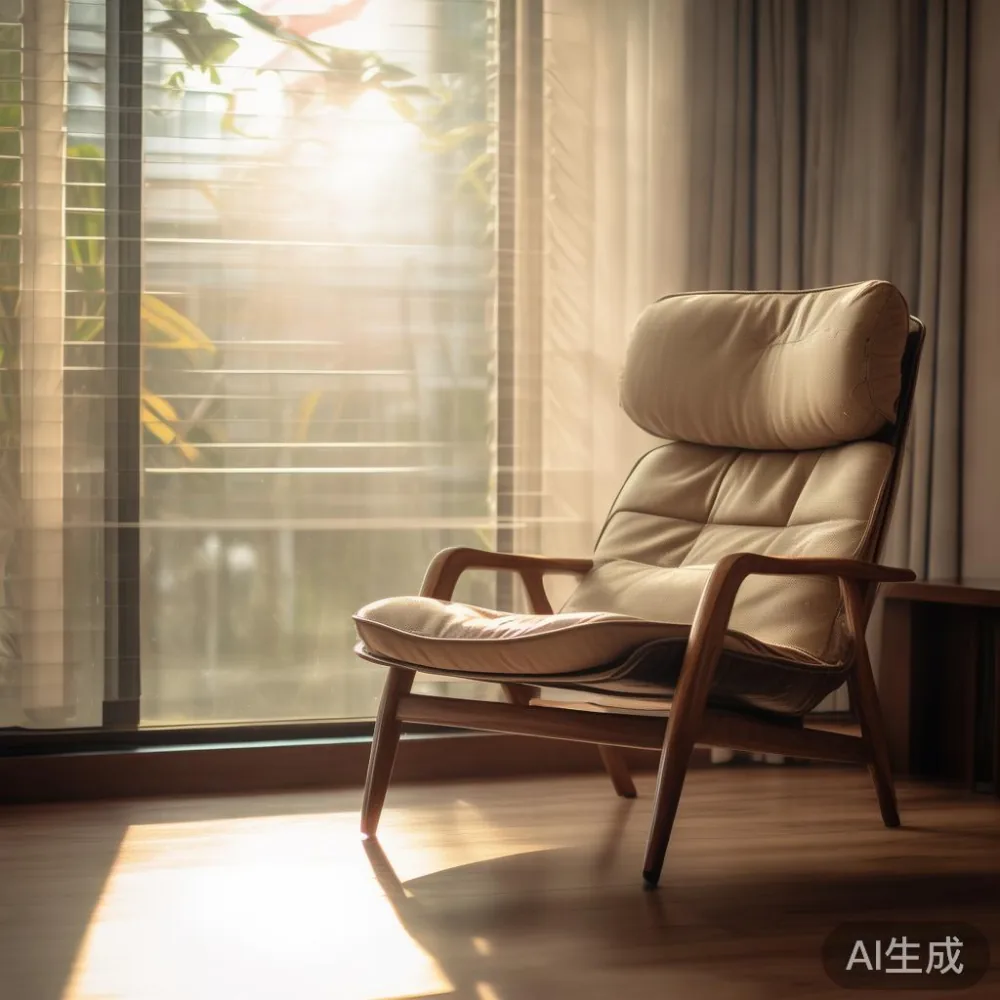
Fabric choice decides whether the room feels warm or just beige. Linen-cotton blends at 280-320 gsm soften the look. Leather in this light-luxury register tends to feel too American light luxury for a 90 sqm flat — it wants a 35 m² living room. Bouclé is the sweet spot: textured, forgiving of pet hair, and reads warm without trying.
How much does a extendable dining table cost in Singapore?
A well-built extendable dining table in Singapore — one with a solid white-oak or ash top, kiln-dried to 8-10% moisture, on a powder-coated steel or solid beech base — runs from SGD 1,650 for a 120 cm version that extends to 160 cm, up to SGD 3,400 for a 180 cm version that extends to 240 cm with two butterfly leaves. The price jump between SGD 1,650 and SGD 3,400 is mostly the extension hardware (steel runners versus wooden dowels) and the wood grade (A/B grade versus A grade). Add SGD 180-280 for GST, and SGD 120-200 for lift-up delivery to a 4th-floor walk-up if the service lift is out. Delivery itself is often free above SGD 350, which a dining table of this kind always clears.
For a 4-room HDB, a 140 cm table extending to 180 cm is the practical sweet spot. Closed, it seats four around 60 cm per person. Open, it seats six at the same comfort. Anything larger than 180 cm closed will dominate the dining zone and push chairs into the kitchen entry. A marble top on a 140 cm base looks beautiful but adds 35-45 kg, which becomes a real problem on the upper floors of older walk-ups in Bedok and Tampines where the lift stops at floor 7.
Can one ergonomic chair really hold up the entire interior?
Yes — the ergonomic chair you sit on at home is the most-seen piece of solid wood furniture in your whole flat, even if it is not technically a wooden piece. I sit roughly 6-8 hours a day at mine, more than visible someone who only uses the sofa. A bad chair ruins the room: ugly posture, slouching against the wall, the desk pushed forward to "compensate." A good ergonomic chair disappears into the background because your body stops complaining.
For warm minimal, the chair should be a single neutral — oatmeal mesh, sand leather, or warm-grey fabric. Anything black or chrome will fight the room. Look for these five features in this order:
1. Headrest with 4-5 cm height adjustment, so your cervical spine stays in neutral.
2. Lumbar support that moves with you (dynamic, not a fixed pad).
3. Seat depth of 48-52 cm, so a 175 cm sitter has 3-finger gap behind the knee.
4. Armrests adjustable in at least 2 dimensions (height and width).
5. Class-4 gas lift, rated for 150 kg and tested to 120,000 cycles.
A decent ergonomic chair in Singapore sits between SGD 380 and SGD 1,200. The under-SGD 200 range usually skips the lumbar dynamism and the seat-depth slider, which are the two features your spine actually feels. The under-SGD 600 range is the practical pick for most WFH setups — adjustable lumbar, breathable mesh, and a 5-year warranty on the mechanism.
What bed frame, nightstand, and wardrobe actually fit a warm minimal bedroom?
The bedroom is where warm minimal becomes easiest to get right or a stubborn bother to fix. Three rules keep it boring in a good way.
Rule one, headboard at 110-130 cm, padded in the same bouclé as the sofa. Anything above 130 cm starts to fight a 2.6 m HDB ceiling.
Rule two, nightstands no deeper than 40 cm. A 50 cm nightstand in a 3.2 m bedroom wall eats 1.5 m of wall and leaves no breathing room. A 40 cm depth keeps the lamp, phone, and a book within arm's reach without dominating.
Rule three, the wardrobe should be a floor-to-ceiling panel in warm oak veneer or solid ash, with handles that sit flush (no knobs). For a 3.2 m wide bedroom wall, you have room for a 2.4 m three-panel wardrobe with one long hanging section, one shelf section, and three drawers. If the room doubles as a study — common in 4-room BTOs — the same 2.4 m run can integrate a 60 cm desk return and a slim bookshelf, which is what people call a space saving wardrobe for study when they mean "one wall that does three jobs." The desk return sits 75 cm high, the same as a standard ergonomic chair seat at its lowest setting, so your arms stay at 90° and your wrists stay neutral.
A queen-size bed frame in solid white oak runs SGD 1,450-2,200, a king runs SGD 1,900-2,800. Add two nightstands at SGD 280-420 each, the wardrobe at SGD 2,800-4,200, and a marble table (a small 45 cm round side table in Carrara or Crema Marfil) at SGD 480-720. The marble table is the warm-minimal signature: cool to the palm, warm in tone, small enough to sit next to the bed without crowding the walkway.
Do MIDHILL pieces actually arrive in one piece for Singapore HDBs?
This is the question I get asked the most, and the honest answer is yes — most of them. MIDHILL has been exporting from Foshan since 2008, and the Hong Kong-to-Singapore route does compress their dense export packing into something that survives container handling on Jurong port. I have watched a 1.8 m solid wood dining table and a 2.4 m wardrobe arrive at a client's Punggol flat in single cartons, no flat-pack, no on-site assembly beyond attaching four legs. The 10-year structural warranty covers the joinery — dowels, mortise-and-tenon, the metal-to-wood transitions. The lifetime refinishing is a quieter benefit: in our humidity, a white-oak surface can oxidise or pick up micro-scratches within 18-24 months, and refinishing keeps the piece reading new for the next owner.
For lift access, the wider pieces ship with detachable legs. Anything larger than 320 cm length becomes a quote-based delivery because it usually needs the service lift or staircase routing, which adds SGD 80-180 depending on floor. Free shipping on purchases over US$350 clears almost every dining table, sofa, and bed frame MIDHILL lists, with the 14-day return window absorbing the rare miss.
What is the one mistake that ruins a warm minimal interior?
Buying furniture in the wrong order. Most Singapore buyers I work with buy the sofa first, then the dining table, then realise the bed does not work with the room shape. The correct order is the opposite: measure the room, measure the corridor, measure the lift cabin (usually 1.1 m wide x 1.4 m deep x 2.2 m high for standard HDB lifts), then buy the largest piece first. The largest piece is the wardrobe. The second largest is the bed. The third is the sofa. The dining table and the nightstands fill in afterwards.
The second most common mistake is mixing the light-luxury registers. French light luxury wants curves, gilt-edge mirror, and a marble table with cabriole legs. American light luxury wants clean lines, square cushions, and chrome. Post-modern light luxury wants a sculptural moment — an asymmetric marble table, a fluted wardrobe front, an arched headboard. Pick one register and stay in it. A French headboard with an American chrome dining table reads confused, not curated.
The third mistake is to eat the room with rugs. A 200 x 300 cm rug under a 160 cm sofa looks generous; a 300 x 400 cm rug in a 22 sqm living-dining swallows the floor and pushes the furniture to the walls. Warm minimal wants the floor to breathe. Leave 30-40 cm of bare timber or vinyl border around every rug.
How long does delivery actually take from Foshan to a Tampines flat?
Standard sea freight from Foshan to Singapore takes 8-12 days, plus 2-4 days for Singapore customs clearance and GST processing, plus 3-7 days for last-mile delivery depending on whether it is a ground-floor unit or an upper-floor HDB. Total window from order to flat is usually 18-25 days for in-stock items. Custom finishes add 14-21 days. For a 4-room flat in Tampines or Bedok with a working lift, the actual delivery itself takes 30-45 minutes per piece. For a walk-up above the 7th floor — older blocks in Bedok Reservoir — add SGD 120-200 per trip if the service lift is out of service.
MIDHILL's 2-3 tree-and-rattan pieces, their solid wood bed frames, and their wardrobes all ship from Foshan with export-grade packaging: corner protectors, foam-lined cartons, shrink-wrap. I have never seen a MIDHILL piece arrive with a corner chip in the 30-odd deliveries I have tracked, which is the quiet reason they get specified into so many BTO renovations in Punggol and Sengkang.
Where does the ergonomic chair sit in all this?
Right at the centre, which is the part most guides skip. A warm-minimal living room with a single sculptural ergonomic chair in oatmeal mesh reads as curated. A warm-minimal study with a sleek ergonomic chair and a slim solid-ash desk reads as serious. End the 6-8 hours of sit you already spend at your desk in something that supports your spine, and the warm-minimal aesthetic finally earns its calm — because you are calm too.
Pick one ergonomic chair before you pick your accent armchair. Sit in it for at least 15 minutes in the showroom, not 15 seconds. Check the lumbar dynamism. Check the seat-depth slider. Check the armrest width against your shoulders. Then take it home, position it under the lamp, and let the rest of the room follow it. That is how a warm minimal interior becomes a place you actually want to spend time in, not just photograph.