Ergonomic Chair Costs Over 5 Years: Veneer vs Solid Wood for Singapore Homes
Choosing an ergonomic chair for a Tampines HDB flat, a Bedok condo, or a Punggol home is rarely just a choice between 2 materials. The purchase price is visible, but the real cost emerges through 5 years of daily use: cleaning, repairs, lifting through a lift lobby, replacing parts, and deciding whether the chair still suits the room. Veneer can offer an attractive initial price and a lighter frame. Solid wood usually demands more from the budget at the start, yet its long-term value depends on the timber, joinery, finish, and actual workload.
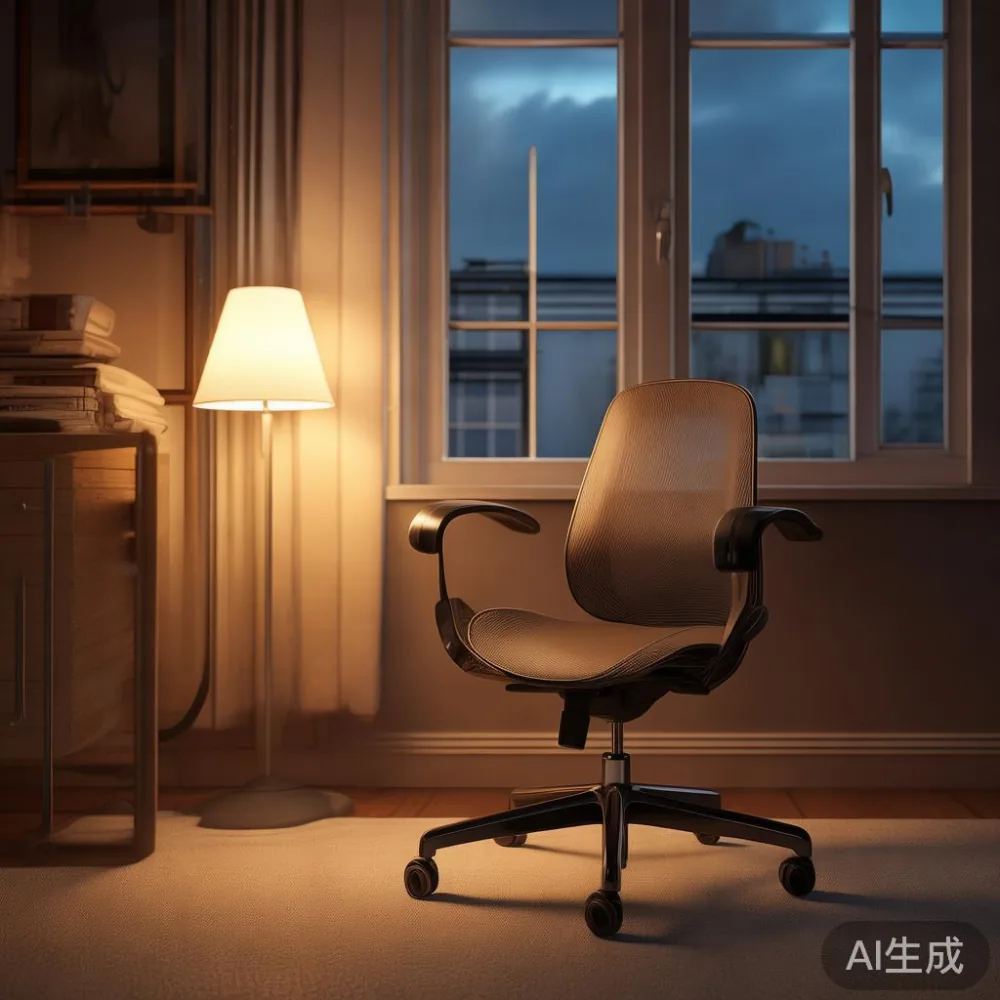
At MIDHILL, we design around practical use rather than material labels. For this comparison, the focus remains on an ergonomic chair: its weight, dimensions, support system, durability, and suitability for Singapore’s humidity. I also tested the idea in ordinary local conditions. Last month, my colleague and I moved 2 upholstered chairs through a 90 cm condo corridor and compared how each behaved when its frame was lifted repeatedly. One used a layered veneer structure; the other used kiln-dried solid timber. The solid-wood chair weighed 18.6 kg against 14.2 kg, a 4.4 kg difference that mattered more than expected on the fourth trip.
The figures below use SGD prices and include GST, because Singapore households should compare the amount actually paid. Delivery, returns, refinishing, and component replacement are treated as cash costs rather than hidden assumptions. A five-year period is long enough to reveal ordinary wear while remaining shorter than the full life of a well-made chair.
How much does an ergonomic chair cost over 5 years?
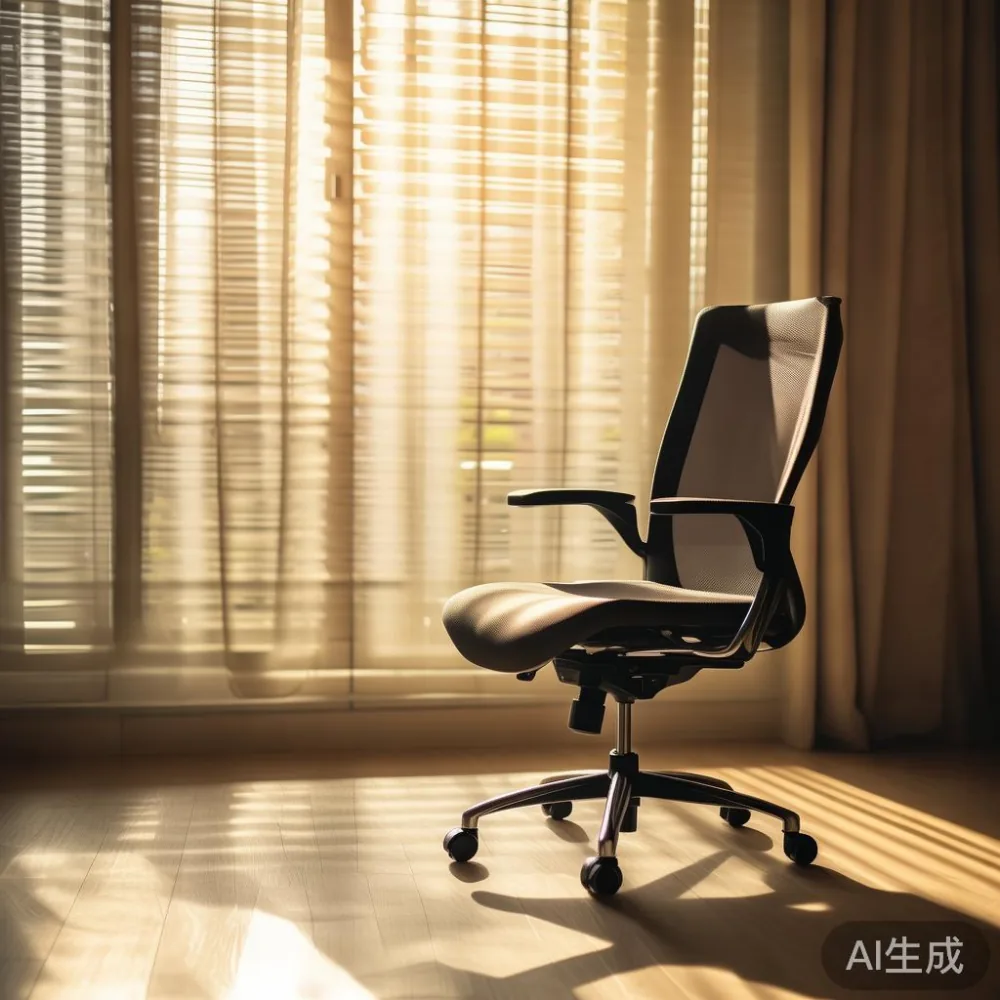
A practical Singapore budget for a new ergonomic chair is roughly SGD 280 to SGD 1,500 before delivery and GST. A veneer model may sit around SGD 320, while a comparable solid-wood frame may begin near SGD 520. These are planning ranges, not fixed market averages, and premium mechanisms, upholstery, and imported timber can raise either figure.
For a representative comparison, let us model a mid-range upholstered ergonomic chair with a 55 cm seat width, a 63 cm width, a 95 to 108 cm adjustable height, a 120 kg maximum load, and a 5-year ownership period. The veneer version is listed at SGD 349; the solid-wood version at SGD 589. Both estimates below include 9% GST, delivery to a standard Singapore address, and removal of packaging.
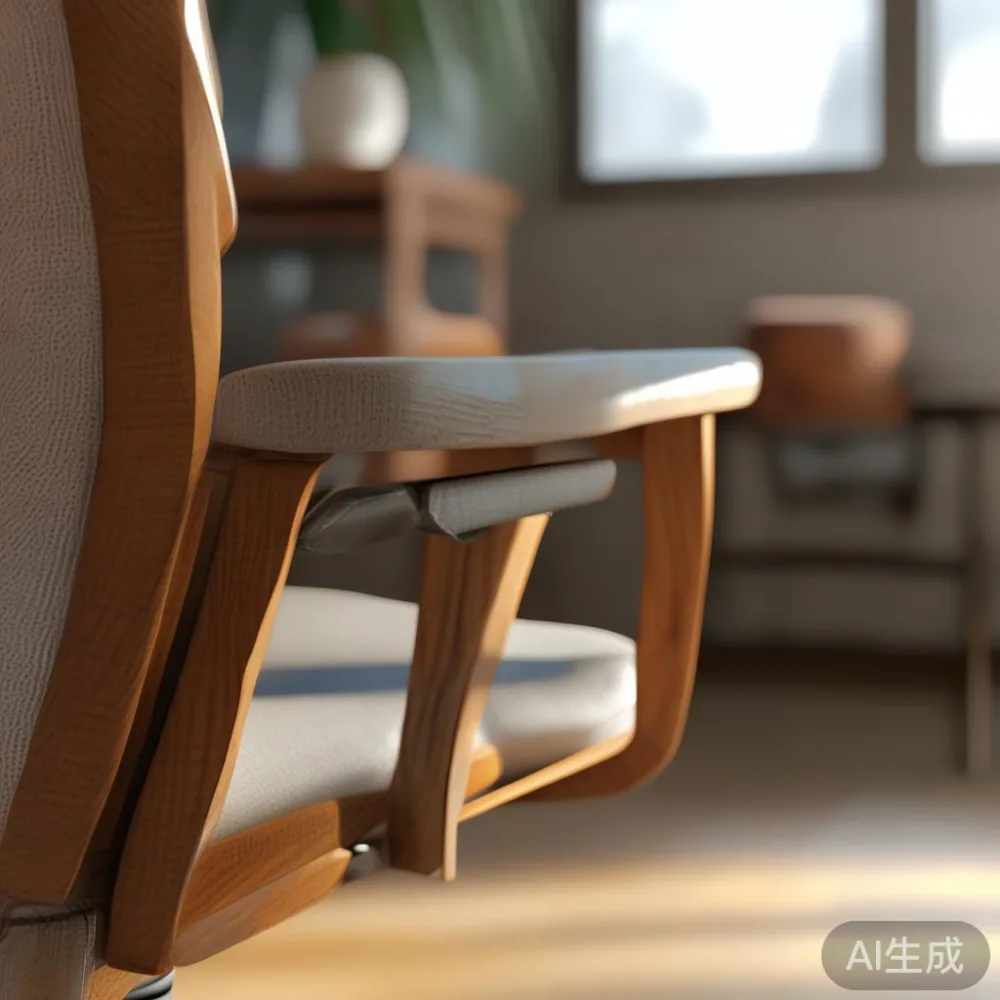
Over 5 years, the veneer chair reaches a simple purchase cost of SGD 349. The solid-wood chair reaches SGD 589. That initial SGD 240 gap is 41.2% of the veneer price, so it should be justified by more than appearance. In many homes, an SGD 48 difference per year is recovered if solid wood avoids one early replacement, requires no major frame repair, and retains enough stability for resale.
That outcome is not automatic. A low-density engineered chair with weak joints may fail before a properly made timber chair, regardless of its label. Likewise, a solid-wood chair with an unstable base or poor screws can be a poor purchase. Material is only one part of the equation.
What is the real difference between veneer and solid wood for an ergonomic chair?
Veneer consists of thin wood layers bonded to a core or substrate. Depending on the product, the visible face may be 0.6 mm to 2 mm veneer over engineered board. Its typical weight for this chair format is 11 to 16 kg. Solid wood uses solid timber sections, often around 2.5 cm to 4 cm thick in visible parts, with an chair weight near 16 to 22 kg.
The weight matters in HDB and condo settings. Standard HDB lift doors are often about 80 to 90 cm wide, while corridors can narrow to 90 cm in older blocks. Newer blocks vary considerably. A chair with a 63 cm width fits many lift cars, but the diagonal measurement becomes important when turning a rigid frame through a doorway. An 18.6 kg solid-wood chair is manageable for 2 people, yet awkward for 1 person carrying it upstairs. The 14.2 kg veneer chair was easier to handle during my colleague’s test.
Durability follows a different path. Veneer can resist day-to-day scuffs well because its continuous surface has few open grain lines. Solid timber tolerates edge knocks, minor gouges, and repeated movement more readily when joints are sound. A deep scratch may expose the substrate in a veneered chair, while a comparable mark in solid wood can be sanded and refinished. That is why MIDHILL offers lifetime refinishing on applicable solid-wood pieces, including solid wood dining tables, wardrobes, and bed frames under the specified programme.
Humidity also changes the comparison. Singapore’s outdoor air is humid much of the year, and air-conditioned interiors can become dry. Good veneer is stable when its substrate and adhesive are properly manufactured. Solid wood expands and contracts with moisture, so quality timber, protective finishes, and sensible storage matter. Neither material should sit beside a persistently wet window or in direct airflow from an air-conditioning vent.
What do 5 years of veneer and solid-wood costs look like in Singapore?
Here is a conservative comparison for 1 chair used daily for 5 years, or about 1,825 days. The model assumes no office accident, no flooding, and normal residential use. Delivery is estimated at SGD 25 for the veneer chair and SGD 35 for the heavier solid-wood chair.
| Cost item | Veneer ergonomic chair | Solid-wood ergonomic chair |
|---|---|---|
| Purchase price including 9% GST | SGD 349 | SGD 589 |
| Estimated delivery | SGD 25 | SGD 35 |
| Estimated cleaning materials over 5 years | SGD 35 | SGD 45 |
| Expected minor repairs or fastener replacement | SGD 70 | SGD 40 |
| One refinishing or protective-finish service | SGD 0 | SGD 80 |
| Early replacement allowance | SGD 70 | SGD 0 |
| Estimated residual value after 5 years | Minus SGD 105 | Minus SGD 180 |
| 5-year net cost | SGD 444 | SGD 609 |
On these assumptions, veneer is SGD 165 cheaper over 5 years. That is not an argument against solid wood; it identifies where the gap closes. The calculation gives the veneer chair a 20% early replacement allowance of SGD 70 and assigns no refinishing cost. It also allows SGD 180 residual value to the solid-wood chair. If a veneer chair does not need early replacement and has a lower resale value, its total can remain lower.
Owners should also account for time. If the solid-wood chair avoids 1 replacement in year 4, the saving is roughly SGD 349 plus SGD 25 in delivery, or SGD 374. Spread over 5 years, that is SGD 74.80 per year. If the chair needs only 1 local repair averaging SGD 25 per year, the solid-wood option can look more economical over time. The relevant question is not whether timber is more expensive, but how many failure events it prevents.
Cleaning methods should follow the supplier’s instructions. Upholstery may require vacuuming each week and professional cleaning every 12 to 18 months. Timber frames can be wiped with a lightly damp cloth and dried promptly. Veneer edges should not be soaked. Solid wood can usually tolerate localized surface restoration, but deep structural cracks require inspection.
Which material is cheaper to move through a Singapore home?
Veneer is usually cheaper and easier to move because engineered components are lighter and more uniform. This is a meaningful advantage in high-density housing where residents use shared corridors, turn corners near stairwells, and rely on lifts with limited door widths.
Solid wood gains points when a chair must survive frequent moves. Screws and corner joints in a well-made solid frame can be tightened, while particleboard or compromised veneer joints may not recover after repeated shocks. A chair weighing 18.6 kg also places more load on a person’s hands and back. For residents above 65 or anyone with limited upper-body strength, the lighter chair may offer better daily convenience. Choose a chair that can be disassembled safely if possible, with removable arms or a detachable headrest.
Delivery timing should be checked before ordering. In Singapore, standard deliveries often take 7 to 14 working days, while made-to-order pieces may require 4 to 8 weeks. A retailer may offer free shipping above US$350, but the threshold is not automatically equivalent to SGD 350. Confirm the Singapore delivery charge, lift surcharge, and the return collection fee in writing.
For nearby European bed vs Japandi bed comparisons, the same logic applies: a low platform bed may be easier to carry but difficult to move intact, while a substantial timber bed offers repairable joints but needs 2 people. A search for for sale Japandi furniture should include the delivered weight and corridor dimensions, not only the showroom photograph. Likewise, designer Mid-century modern furniture can look visually delicate while weighing 25 kg or more.
Is a higher-priced solid-wood ergonomic chair worth it after 5 years?
It can be, particularly if the chair is used 8 to 10 hours each day and the alternative is a low-cost chair with replaceable particleboard components. The solid-wood option should offer stable joinery, a dependable tilt mechanism, adjustable lumbar support, and replaceable upholstery. Those ergonomic features affect daily comfort and can determine whether the chair remains in use.
A 120 kg load rating is suitable for many adults, though it does not prove ergonomic suitability. Users should test seat depth, arm height, and lumbar position. A chair with a 45 to 50 cm seat depth may fit a 175 cm user more comfortably than a 55 cm seat. Adjustable height from 42 to 54 cm helps users keep feet flat, and a seat angle near 100 to 105 degrees supports an upright working position.
Warranty terms can form part of the calculation. MIDHILL provides a 10-year structural warranty on applicable furniture and lifetime refinishing for covered solid-wood products. Compare these protections with a veneer chair’s warranty, including exclusions for veneer lifting, particleboard swelling, and labour. A 10-year structural warranty is not a promise that every component will remain perfect for 10 years, so the mechanism and gas-lift coverage should also be confirmed.
Style can influence resale value, although naming a trend is less useful than measuring condition. An upholstered solid-wood chair in neutral fabric may be easier to place beside a solid wood sofa or solid wood dining table than a strongly themed chair. A separate marble table may reflect the room’s light-luxury character, but it should not dictate the ergonomic chair’s quality.
French light luxury often pairs pale woods, curved profiles, and restrained ornament. American light luxury tends toward generous proportions and tactile upholstery. Post-modern light luxury can mix clean geometry with warmer natural textures. These directions suit an ergonomic chair with a timber frame, but the visual term cannot replace measurements. A designer Italian light luxury furniture scheme may look refined with a 55 cm wide chair; it may also feel restricted if the arms are 68 cm apart in a 72 cm desk recess.
How can you compare 2 ergonomic chairs on a fair 5-year budget?
Record 8 figures before paying: delivered price including GST, chair weight, width, seat width, maximum load, warranty duration, repair coverage, and expected delivery time. Add the lift fee if the building requires it. For a condo, measure the lift car at its narrowest point and note the route from the service entrance. For an HDB flat, check whether the lift landing has a 90 cm turning constraint and whether the chair box fits after leaving the lift.
Then calculate the expected yearly running cost. A simple formula is: purchase price plus delivery plus repair allowance plus refinishing cost, minus resale value, divided by 5. Apply the same assumptions to both chairs. Do not assign a solid-wood chair extra resale value unless a local buyer would pay it, and do not assume veneer must fail early.
For a veneer option costing SGD 349, budgeting SGD 60 per year for cleaning, repairs, and eventual replacement is conservative. A solid-wood option costing SGD 589 may justify around SGD 40 per year if the frame remains sound and can be refinished. Compare those figures with a replacement every 3 years: 2 chair purchases over 5 years could cost SGD 698 before the second chair is even fully used.
Environmental impact also deserves a factual approach. Solid wood can be repairable, but its production depends on species, forest management, kiln drying, and transport distance. Veneer can use a whole log more efficiently because thin sheets cover a larger surface, but adhesives and core materials affect recyclability. Ask for species and finish information, and avoid unsupported claims that one material is automatically greener.
Some buyers use a MIDHILL French provincial sofa as a reference point when matching wooden furniture, while shoppers evaluating the best Rustic sofa for 2026 should still check seat construction and frame warranty. These broader choices affect a room, but an ergonomic chair remains a separate, body-support task. Its five-year cost should be judged as furniture, equipment, and an object that must fit the available floor area.
What should a Singapore buyer choose?
Choose veneer when the priority is a controlled budget, light weight, a uniform surface, and minimal moving effort. Choose solid wood when daily use is intensive, frequent moving is likely, and the chair’s frame may need to remain in service beyond 5 years. Neither choice should be based on the phrase “solid” alone; examine the drawing, timber thickness, joint method, and mechanism.
For the representative chair, veneer wins on minimum cash outlay at SGD 444, while solid wood costs SGD 609 under the stated model. Solid wood becomes the more economical choice if it avoids one replacement worth about SGD 374, or if reliable refinishing and a higher resale value are important to you. Since your furniture should fit the home, not simply the trend, verify dimensions with a tape measure before ordering.
MIDHILL’s broader catalogue includes solid wood bed frame, dining table, wardrobe, and nightstand collections, which can help a household coordinate materials across a condo or HDB flat. Each item should still be evaluated according to its own dimensions and use. For an ergonomic chair, the practical calculation is simple: multiply the delivered price by the probability of replacement, add SGD 15 to SGD 40 per year for care and repairs, and keep enough clearance for a comfortable posture.