Understanding the Price Dynamics of Solid Wood Furniture
Furniture prices rarely make sense once a showroom tag is visible. A solid wood dining table may cost SGD 1,680, while a solid wood sofa is listed at SGD 3,290 and a marble table at SGD 2,450. Are these pieces made from different materials, or does the price reflect something less visible? The answer lies in timber, construction, hardware, finishes, dimensions, logistics, and the level of design judgement applied before production.
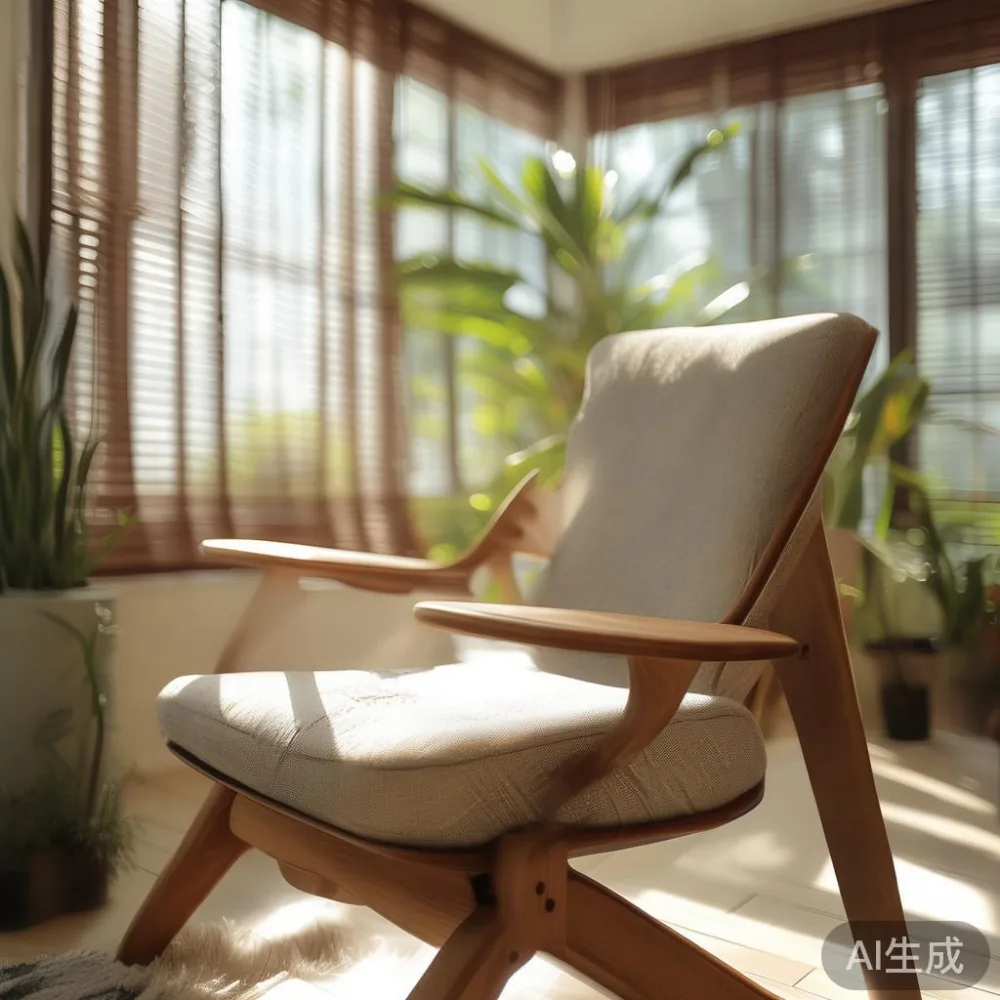
For Singapore households, those variables matter because space is physical. A HDB living room in Tampines may have a 210 cm ceiling and a sofa zone only 320 cm wide. A Bedok condo corridor may narrow to 180 cm at the lift lobby. Even a carefully proportioned solid wood bed frame can be difficult to move upstairs if its largest section exceeds the lift door or turning clearance. Price is therefore not simply the cost of wood; it is the cost of making an object fit both its owner and its route home.
MIDHILL was established in 2008 and exports to more than 15 countries. Its approach to pricing reflects an important distinction: a well-made product should be understandable, from timber grade to warranty, rather than hidden inside a vague notion of prestige. The 10-year structural warranty and lifetime refinishing service also show that ownership costs deserve attention. A piece may have a moderate purchase price but still become expensive if its drawer runners fail, its joints loosen, or its surface cannot be maintained.
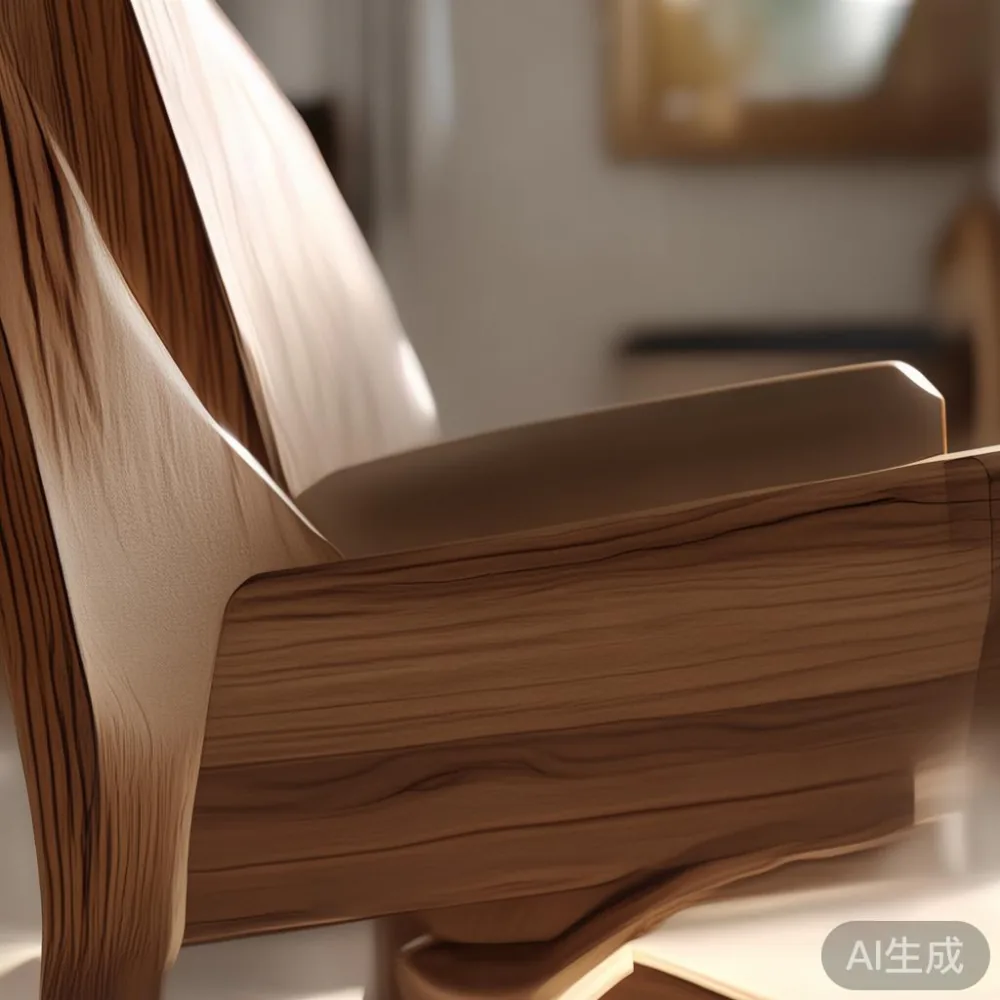
Is solid wood automatically more expensive than engineered wood?
Solid timber often carries a higher material cost because it uses more wood and fewer synthetic components. An engineered board may use a smaller quantity of solid timber, veneers, or fibres with adhesive layers. That difference affects price, but it does not automatically determine quality. A well-constructed solid wood dining table with mortise-and-tenon joints can outperform a poorly joined engineered table whose surface merely looks convincing under showroom lighting.
Wood species set the first price band. Rubberwood, oak, ash, walnut, and other species differ in availability, grain, workability, and appearance. A 200 cm solid wood dining table may use roughly 70–120 kg of timber depending on its construction and profile. A thick farmhouse-style top adds weight; a compact post-modern dining table with tapered legs may use less. Material quantity matters because timber has to be selected, dried, cut, shaped, sanded, and finished.

Specification should also be checked carefully. The same model may appear in several timber grades, and “solid wood” can describe only selected parts. Ask whether the table top, apron, legs, drawer boxes, wardrobe carcass, and bed rails are solid timber. Veneered surfaces are legitimate in some designs, but transparency prevents misleading comparisons.
There is another price driver: moisture control. Singapore’s humidity sits around 65–85% through much of the year. Responsible kiln drying and acclimatisation help reduce movement, but they take time and controlled space. Equipment and process discipline cannot be judged by touching one polished sample in a showroom. The extent of quality control has a financial value even when the customer never sees it.
Look for usable dimensions, not just decorative ones. A 220 cm wardrobe may project 62 cm into a bedroom, while a 180 cm version requires only 56 cm. A 160 cm solid wood sofa can seat three people if its usable seat depth is around 48–52 cm. Those figures affect whether the piece works in a Punggol flat with a constrained living area or a larger Tampines condo. Correct sizing can prevent an expensive mistake.
How much does joinery and structural engineering add to the price?
Joinery is where much of the real cost becomes visible. Dowels, screws, metal brackets, mortise-and-tenon joints, and corner blocks distribute loads differently. A 10-year structural warranty requires confidence in load paths: the top, rail, leg, and connection must work together rather than merely look substantial.
Consider a bed frame rated for 300–400 kg. Its headboard may be decorative, but the real engineering sits in the side rails, joints, centre supports, and slat spacing. A 160 cm queen bed with 12–16 solid slats can feel more supportive than one with 8 widely spaced slats, though mattress type also affects comfort. Narrower slats may raise material and assembly costs while reducing deflection.
Dovetail drawers are another example. A 45 cm wide nightstand with two drawers needs straight travel, even closing, and a surface that does not sag. Hand-cut dovetails cost more in skilled labour than basic machine routing, but the price also covers the machining, selection, and fitting required to keep gaps consistent. On a wardrobe, drawer alignment and hanging-rail support are equally practical. Heavy doors weighing 12–18 kg may need carefully selected hinges and taller hinge cups.
That same precision appears in an ergonomic chair, where the price may come from a tested mechanism, adjustable support points, and a frame that remains stable through daily movement. An ergonomic chair is not merely a seat with lumbar wording. Useful adjustability may include seat height, depth, armrests, tilt, and lumbar support. A chair with a 45–52 cm adjustable seat height can suit more users than a fixed 44 cm model. These are functional details, not luxury extras disguised as technology.
In my own experience last month, I visited a supplier workshop and watched a drawer slide through 80,000 cycles. The component looked unremarkable beside a CNC machine, but repeated loading exposed tiny alignment faults that a brief showroom test would miss. It was a clear reminder that price pays for processes that happen before delivery, not only for visible style.
Why do hardware and finishes make such a large price difference?
Hardware is often the quickest way to understand the gap between two otherwise similar products. Soft-close drawer systems, solid brass handles, concealed hinges, and higher-load suspension components cost more than basic zinc-alloy fittings. Their value appears in daily use: a wardrobe door closes quietly, a solid wood sofa frame remains steady, and a bed frame’s moving parts do not squeak after 2 years.
Finishes require their own preparation. Sanding a large dining table through several grits can take many hours. Stain, sealer, and protective coating must be applied evenly, with adequate drying between stages. Matte finishes can reveal uneven absorption more than gloss, so they require stricter control. A marble table presents another issue: the slab must be supported evenly, protected from edge impact, and transported vertically where possible. Its price includes slab selection, fabrication, edge treatment, and packaging, not only the visible stone.
Colour also changes labour. An “oak” finish may be achieved through tinting rather than solid oak veneers. That is not automatically inferior, but buyers should ask what lies beneath the surface and how the finish responds to heat, moisture, and cleaning. A nightstand placed beside a bed may receive frequent contact, while a solid wood sofa in a sunlit living room may need periodic care.
French light luxury usually depends on restraint, proportion, and tactile materials rather than dense ornament. A lightly toned solid wood bed frame with curved corners can suit French for guest room styling without becoming a period set piece. American light luxury often leans toward generous upholstery, clean silhouettes, and substantial proportions. Post-modern light luxury may use sharper geometry, visual contrast, and carefully engineered details. Each approach can be economical in one dimension and demanding in another.
What do delivery, stairs, lifts, and Singapore conditions add to the cost?
Delivery can add SGD 80–300 to an order, with larger or remote destinations costing more. For a solid wood dining table, the route from van to dining space needs checking. Measure the lift door, cabin depth, corridor width, turning space, stairs, and the narrowest doorway. A 240 cm table top cannot turn through a 180 cm corridor without careful angling; in some HDB blocks, it may need to be split into sections.
Product design can reduce this friction. A bed frame with a 150 cm headboard and detachable side rails may fit a lift that rejects a 190 cm boxed bed. A wardrobe may arrive as two carcasses rather than one 220 cm unit. A compact 110 cm solid wood sofa can enter through a 90 cm door, whereas a bulky 240 cm version may not. These are meaningful differences for Bedok, Tampines, and Punggol homes, where the route to the room can be more restrictive than the room itself.
Singapore’s GST is 9%. Comparing pre-GST and post-GST figures prevents confusion, especially when websites quote different tax treatment. The 14-day return policy and free shipping over US$350 may also sound useful, yet a customer should still confirm the converted threshold and local delivery terms before ordering. A generous policy does not remove the need to measure access.
Durability affects lifetime cost. A dining table used daily for 10 years has a lower effective annual cost than one replaced after 3 years because of veneer lifting or joint movement. The same applies to a wardrobe expected to last 20 years or an ergonomic chair used for 8–10 hours each working day. Maintenance matters: wipe surfaces promptly, avoid standing water, keep solid timber away from air-conditioning vents, and follow the care guidance for coatings and stone.
How can I compare two solid wood products without being misled?
Compare like with like. Record the material species, grade, dimensions, construction, hardware, finish, weight, warranty, delivery terms, and total price including GST. Check whether “solid wood sofa” means a timber frame with upholstered cushions, since comfort also depends on seat foam density, suspension, and cover construction. A solid wood sofa may have a frame designed for 120–150 kg per seat, but its actual load rating should be stated.
For a dining table, ask how the top is joined to the base and whether movement is addressed. For a bed frame, inspect rail connections and slat support. For a wardrobe, check internal clearances, hanging-rail loads, shelf spans, and door alignment. For a nightstand, test drawer travel and handle clearance. For a marble table, ask about slab thickness—often 20–30 mm in residential furniture—and how it is packaged. For an ergonomic chair, sit in it for 10 minutes, adjust the controls, and check that the lumbar support meets the natural curve of the back rather than forcing a rigid posture.
Design searches should fit the actual home. Modern for small living room layouts benefit from shallow depth, raised visual clearance, and restrained colour. A best Coastal wardrobe for 2026 may appeal to a family wanting pale tones, but the width, depth, door swing, and internal fittings still need to suit the bedroom. If the brief is French provincial, a practical guide to how to style French provincial wardrobe in bedroom decisions helps prevent colour and ornament from overwhelming compact rooms. Post-modern for dining room schemes can add personality through geometry, while the table remains centred on stability and usable space.
A 2026 Italian light luxury furniture brief might suggest sculpted edges, controlled contrast, and finely worked timber. The term describes a direction, not a guarantee of origin or value. Verify the product specification and production details instead of paying for a label.
Is a higher price always the wiser long-term choice?
No. A higher price can reflect better timber, more labour, stronger hardware, lower production volume, premium finishes, or a design with costly detailing. It can also reflect freight, packaging, and showroom overhead. The wise choice is the item whose construction matches its use and whose dimensions suit its location.
MIDHILL’s 10-year structural warranty, lifetime refinishing service, 14-day returns, and shipping terms provide useful context for judging ownership. For larger pieces, a written specification and an access plan should accompany the quotation. MIDHILL also publishes or provides practical guidance through midhillco resources, which helps buyers ask more precise questions before committing several hundred or several thousand SGD.
The most revealing price question is simple: what does each SGD 100 pay for? It may fund 12 kg of solid timber, precision-cut joinery, better hinges, extra finishing passes, stronger packaging, or a design developed around real rooms. Once timber, construction, hardware, finish, logistics, and warranty are compared, the price becomes less mysterious—and easier to justify.