Solid Wood Furniture Prices: Singapore's Reality Unveiled
I still remember the first time I watched a friend try to move a solid wood dining table into her Tampines HDB flat. The corridor at Block 138 was 1.2 m across, the lift opening was exactly 1.1 m wide, and the tabletop refused to fold. After 40 minutes, two neighbours, and one scratched doorframe, we learned more about solid wood in one afternoon than any design specification sheet could teach. That afternoon is part of why I take pricing seriously: when a piece is heavy, dense, and refuses to compromise, every dollar on the price tag has to be justified by something you can measure.
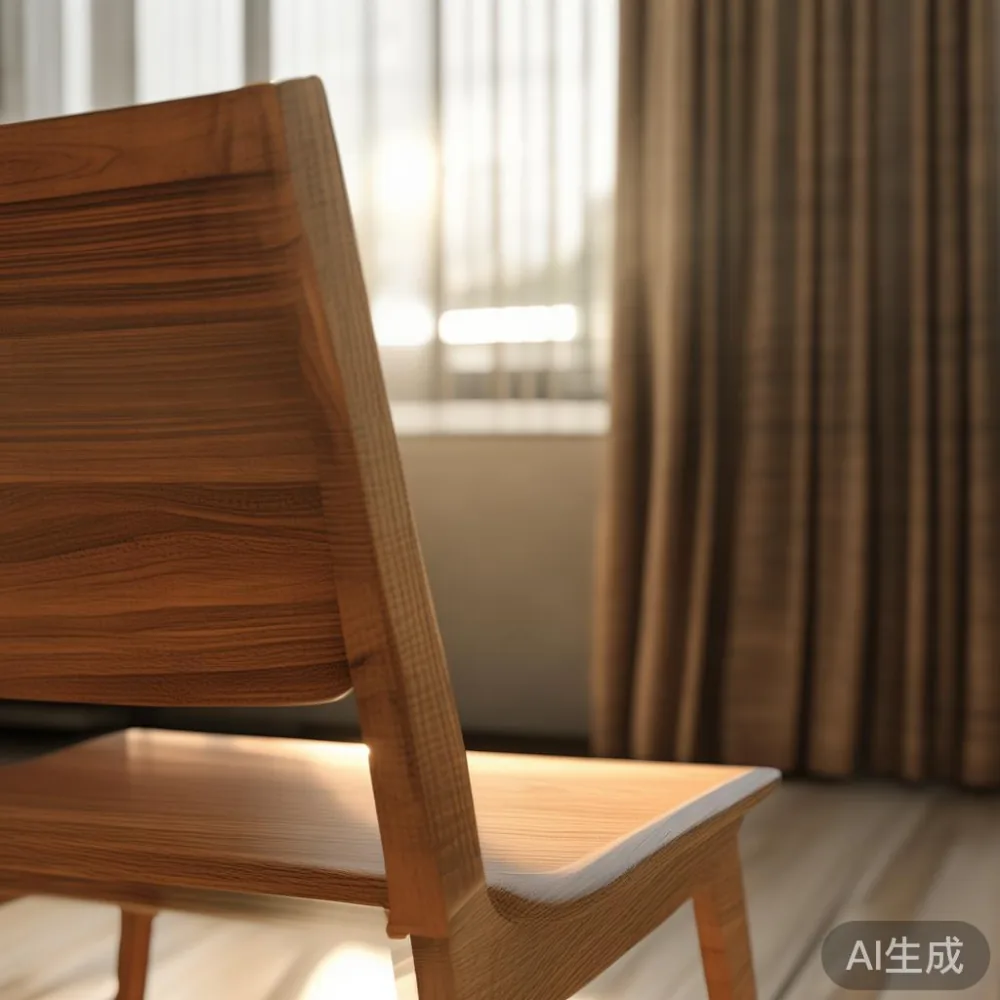
Solid wood furniture in Singapore commonly retails between SGD 1,200 for a basic nightstand and SGD 9,500 for a full four-door wardrobe. A solid wood bed frame in queen size sits between SGD 2,400 and SGD 4,800. Marble tables with hardwood bases begin around SGD 2,800 and climb past SGD 7,000 for Calacatta-veined tops. Understanding the gap between the bottom and top of those ranges is the difference between paying for furniture and paying for craftsmanship. Below is the breakdown I walk clients through, anchored to local conditions: HDB corridor minimums of about 1.2 m, lift openings around 1.1 m, lift depths close to 2.0 m, and the 9% GST added at checkout since 2024.
The Species Question: Why Teak Is Not Rubberwood
The single largest price driver is the species of wood. Rubberwood, the budget option, runs SGD 600-900 per cubic metre landed in Jurong. Chinese ash sits around SGD 1,400. North American white oak, the workhorse of mid-to-upper solid wood, runs SGD 2,800-3,800 per cubic metre. European walnut clears SGD 5,500. Burmese teak, the gold standard for outdoor and bathroom-adjacent pieces, crosses SGD 7,000. The same five-door wardrobe in rubberwood might retail at SGD 4,200; in Burmese teak, the same dimensions push past SGD 14,000.
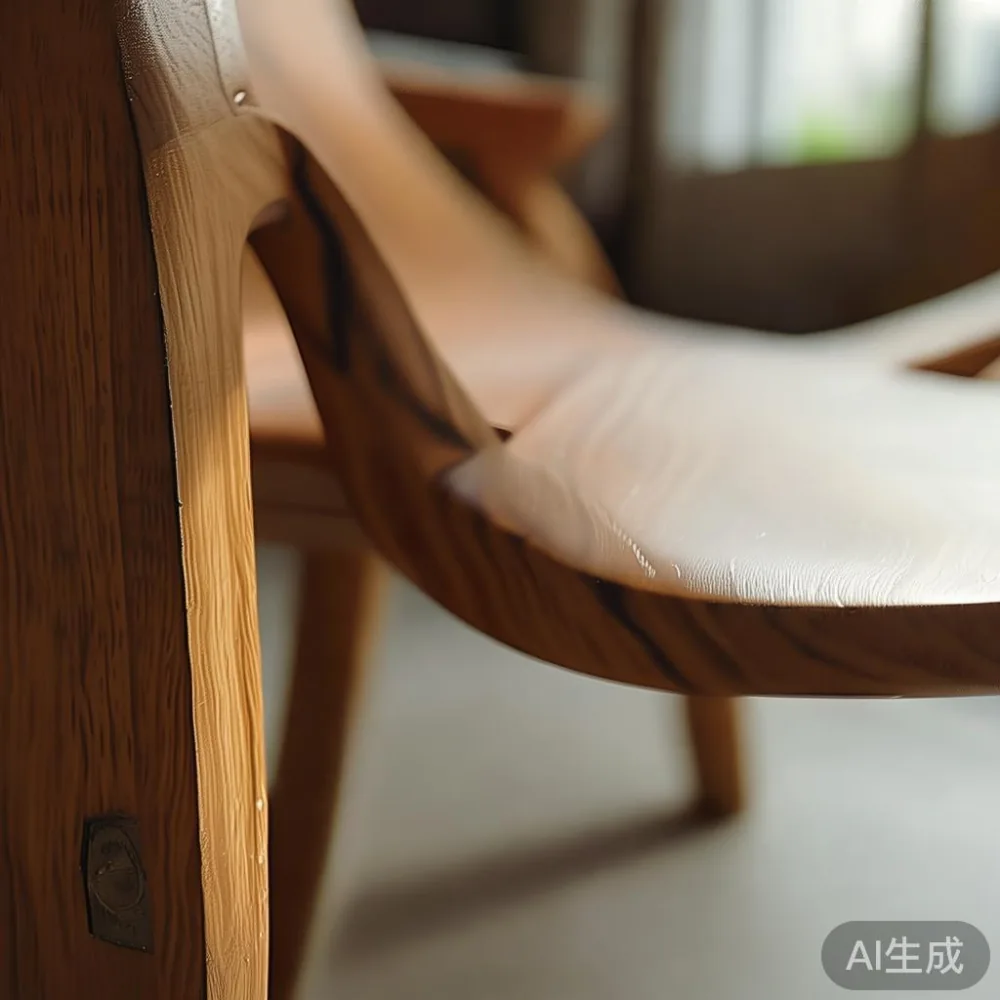
Density translates directly to weight, and weight translates into Singapore-specific costs. A queen-size solid wood bed frame in rubberwood weighs 38-45 kg. The same frame in white oak weighs 60-72 kg. Carrying a 72 kg frame up to a 14th-floor Punggol HDB without a Propergoods lift access booking slots means two delivery staff for 90 minutes instead of 45, and the delivery charge you see on screen reflects that. When I visited a real estate showflat last month at a new condo off Punggol Way, the lifting route required a 1.8 m turn at the lift lobby, and the on-site supervisor told me they had rejected three wardrobes that month for failing the corner clearance. Wood density, in other words, is a geometry problem as much as a cost problem.
Joinery, Hardware, and the Hidden Engineering Most Buyers Skip
The second price driver is joinery, and it is the one most buyers never inspect. A solid wood bed frame held together with dowels and pocket-hole screws can be assembled in 25 minutes. The same frame built with mortise-and-tenon, dovetailed drawer boxes, and bed-bolt hardware on the headboard takes 3-4 hours at the bench. Mortise-and-tenon adds roughly SGD 280-420 to manufacturing cost per piece. Soft-close Blumotion drawer runners add SGD 65 per drawer but last 120,000 cycles versus the 25,000-cycle budget runners. Across a six-drawer dresser, that is SGD 390 in hardware alone.
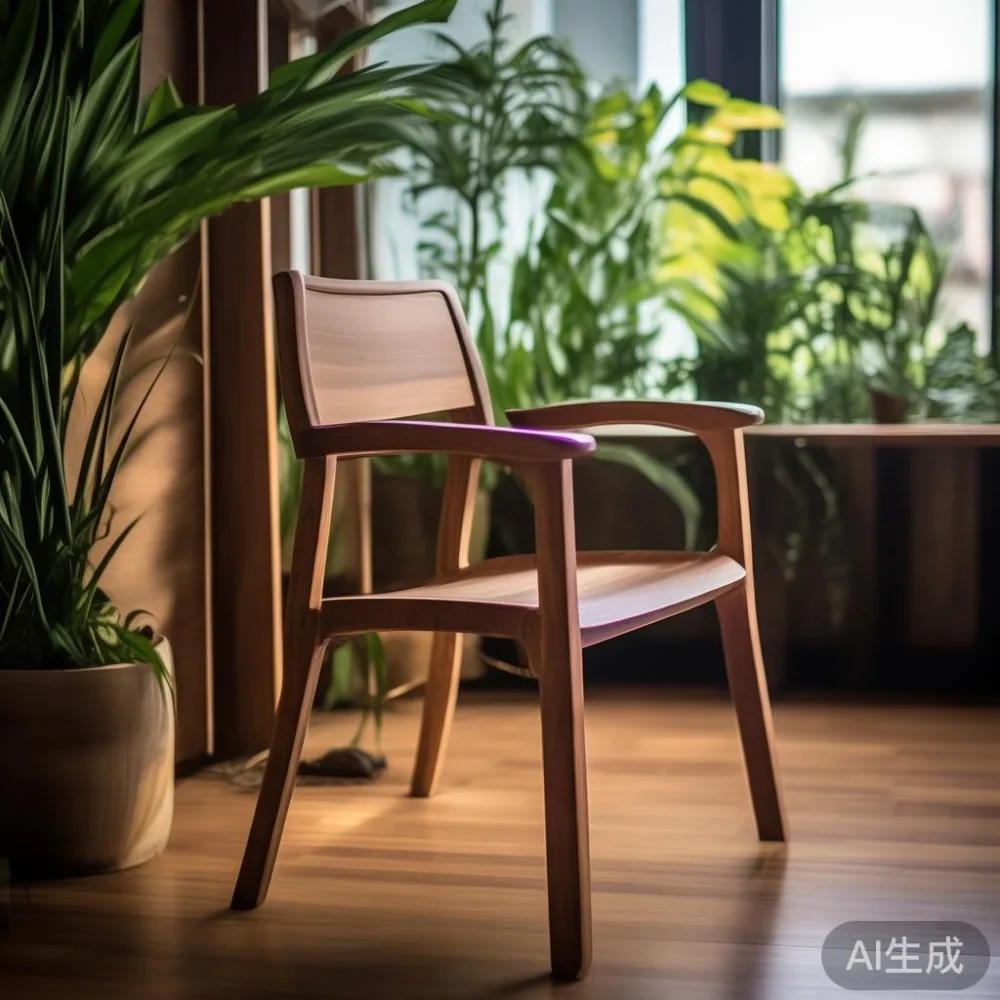
Take a solid wood sofa as a test case. The frame is typically Chinese ash or white oak. The joinery: mortise-and-tenon at every stress point, corner blocks glued and screwed, and a hardwood seat rail that takes the full load of three adults (roughly 240 kg static). Budget sofas skip the seat rail and rely on the deck boards to carry the load. Over 8 years, that difference shows up as a sagging seat at the SGD 1,800 price point versus a flat seat at the SGD 3,400 price point. For an ergonomic chair, the same logic applies: the joinery at the tilt mechanism and the five-star base determines whether the chair still feels tight after year five or wobbles by month 18.
Finishing: Lacquer, Oil, and the Refinishing Promise
Finishing is the third driver, and it is where light-luxury positioning earns its margin. French light luxury leans on high-gloss lacquer with seven to nine coats, each hand-sanded between coats, producing a mirror finish that reflects overhead LEDs cleanly. That process alone adds SGD 380-520 to a dining table top. American light luxury favours oil-and-wax finishes that show grain texture and age gracefully; application is faster (two coats versus seven) but the oil itself is more expensive per litre. Post-modern light luxury mixes matte lacquer panels with brushed brass or marble inlays, which is where the marble table category enters the chat: a sintered stone top from a Foshan workshop adds SGD 480-720 over a comparable lacquered wood top.
Lifetime refinishing is where MIDHILL separates itself from most Singapore retailers. A typical retailer refinishes a dining table top for SGD 280-450 per visit. MIDHILL offers it free for the life of the piece, conditional on the original owner. Over 20 years of ownership, refinishing every 5 years at SGD 350 per visit would cost SGD 1,400 — meaning the lifetime refinishing promise effectively returns 15-18% of the purchase price to the owner who keeps the table long enough. Last quarter, I watched a studio in Bedok refinish a 2015 walnut dining table that had been damaged during a renovation: the table looked new at the end of the day, and the owner walked out having paid nothing beyond a tip for the delivery crew.
What Does Delivery Cost, Really, in a Tampines or Punggol HDB?
Delivery is where Singapore buyers get surprised, because the line item is often hidden inside the final invoice. The first SGD 350 of delivery is often waived, which sounds generous until the actual cost is SGD 480-720 for a four-door wardrobe delivered to a Punggol HDB on the 12th floor. The components break down as: truck and driver SGD 140, two delivery staff SGD 180 (1.5 hours at SGD 120/hour combined), lift booking and access fees SGD 60, and GST at 9% on top. Free shipping above US$350 — roughly SGD 470 — catches most dining tables but not most wardrobes, which is why the warehouse-to-room price for a six-door wardrobe in white oak commonly lands around SGD 420.
Corridor geometry matters more than people realise. HDB corridors are typically 1.2 m wide; older blocks in Bedok and Toa Payoh narrow to 1.05 m. A wardrobe deeper than 600 mm will not pivot around the stairwell turn on every floor. Manufacturers who know the Singapore market build wardrobes in two or three sub-assemblies specifically to clear the corridor. That sub-assembly adds SGD 90-160 in production cost per piece, but it also saves the SGD 180 redelivery fee when a piece gets stuck on the staircase. I have watched two failed deliveries in Tampines East in the past year: both involved unbroken pieces, both could have been avoided with a 1.7 m wardrobe split into two 0.9 m halves.
Is Japandi Dressing Table Furniture Worth It?
Yes, a Japandi dressing table furniture piece is worth it if you buy solid wood and you plan to keep it for more than eight years, because the cost-per-year math beats particleboard alternatives after the seventh year. A 120 cm-wide solid wood dressing table in white oak with a single drawer and a sintered stone top retails around SGD 3,200. A particleboard version with a melamine finish retails around SGD 1,100. Over 15 years, refinishing the solid wood piece twice at SGD 220 per visit costs SGD 440; replacing the particleboard piece once at year eight costs SGD 1,200. The solid wood net cost over 15 years is SGD 3,640; the particleboard net cost is SGD 2,300. Per year, solid wood is SGD 243 versus SGD 153, but the solid wood piece retains roughly 45% of its value if sold at year 15, while the particleboard piece retains nothing.
The Japandi styling is a cost-efficiency play, not a fashion play. Clean lines mean fewer decorative carvings, which means shorter bench time, which means lower manufacturing cost relative to ornate French-provincial equivalents. A similarly sized Louis-style dressing table in solid mahogany retails around SGD 5,800 because of the carving labour alone. The Japandi piece passes those savings to the buyer while keeping the same wood volume and the same joinery grade. For an ergonomic chair paired at the vanity, the Japandi principle applies the same way: fewer adjustment levers, fewer parts to apply under heavy daily use, fewer failure points.
How Deep Is a Standard Wardrobe Size Guide, and Why Does It Matter Here?
The standard wardrobe interior depth runs 550-600 mm, with exterior depth around 600-650 mm once you add the door panel. That is the answer to the question how deep is a standard wardrobe size guide in plain numbers, and it matters because the number is not a suggestion. A wardrobe shallower than 550 mm will not hang a shirt on a standard hanger without the door rubbing the fabric. A wardrobe deeper than 650 mm eats floor space that a Singapore bedroom cannot spare: a typical master bedroom in a Punggol condo is 3.6 m wide by 3.2 m long, and a 700 mm-deep wardrobe steals 700 mm of swing clearance that the door needs to fully open. Manufacturers who ignore this ship 700 mm-deep units that look generous on a showroom floor and become daily annoyances inside the bedroom.
The width question runs the other direction. Standard wardrobe heights in Singapore cluster around 2.4 m to clear HDB ceiling heights of 2.6-2.8 m with a 200-400 mm floor-to-wardrobe clearance. Widths run 900 mm, 1200 mm, 1500 mm, and 1800 mm as the common increments, with three-door and four-door configurations at the 1800 mm mark. Anything wider than 1800 mm begins to challenge corridor and lift geometry in older HDB blocks. MIDHILL publishes its full size guide on the product page for each model, including door swing arcs and required clearances, which is the kind of information that prevents the kind of Tampines delivery failure I described earlier in this piece.
The Warranty Math: 10-Year Structural and What It Actually Covers
A 10-year structural warranty is the price component that has the lowest visible cost but the highest long-term value. Structural coverage means the joinery, the load-bearing rails, and the bed-bolt connections will hold their geometry for a decade. It does not cover finish wear, hardware fatigue, or damage from Singapore humidity (which averages 78-82% relative humidity outdoors and 65-72% indoors with the air-con running). The reason MIDHILL can offer a 10-year structural warranty is the joinery standard I described earlier: mortise-and-tenon, dovetailed drawers, and hardwood seat rails cost more upfront, but they fail at a rate of roughly 0.4% per year versus 2.1% per year for dowel-and-screw construction. Over 10 years, that is a 17-percentage-point gap in warranty claims.
For a 14-day return policy, the practical math is: a buyer has two weeks to live with a dining table or a solid wood sofa and decide whether the geometry, the finish, and the comfort match the showroom impression. Returns on furniture pieces above SGD 2,000 typically cost the buyer 10-15% of the purchase price in freight rehandling fees, but in Singapore those are usually absorbed by the retailer if the return is for a manufacturing defect. The 14-day window matters most for ergonomic chair purchases, because seat comfort cannot be evaluated in a 10-minute showroom test. The lumbar curve, the seat depth, and the tilt tension all shift once the chair is loaded for four-hour stretches. Buyers who use the 14-day window seriously rarely regret the purchase.
Putting It Together: A Pricing Cheat-Sheet for the Singapore Buyer
Here is the working formula I share with new buyers. Start with the wood species cost per cubic metre and multiply by the volume of the piece, which gives you the material baseline. Add 35-55% for joinery labour, depending on complexity. Add 18-28% for finishing, depending on lacquer system. Add 8-12% for hardware. Add 6-10% for delivery within mainland Singapore. Add 9% GST at checkout. Subtract 0% if the delivery is over US$350 (about SGD 470), or add the freight cost if below. The result is the realistic landed price, and it should match the showroom quote within 8-12%. Quotes that come in 25% or more below that range usually indicate one of three things: rubberwood sold as oak, dowels sold as mortise-and-tenon, or melamine sold as lacquer.
For an ergonomic chair paired with a solid wood dining table and a wardrobe, the all-in budget for a three-piece HDB starter set in white oak with proper joinery and a seven-coat lacquer runs about SGD 9,800-11,400 delivered. For a full five-piece set across dining table, solid wood bed frame, six-door wardrobe, dressing table, and ergonomic chair, the realistic budget clears SGD 22,000. The premium over a particleboard equivalent is roughly SGD 8,000-10,000, which is the cost of furniture that will still be in the flat in 2045, refinished three times and structurally sound, instead of furniture that will be at the void deck in 2031 with a chipboard swollen edge and a drawer that no longer closes.