Ergonomic Chair: What Actually Drives the Price of Solid Wood Furniture in Sin
For Singaporeans living in compact HDB flats and condos in areas like Tampines, Bedok, and Punggol, the choice of furniture is a significant decision. Space is a premium, and the pieces we select must be both beautiful and functional. The market for solid wood furniture presents a wide range of prices, from a few hundred to several thousand Singapore dollars. A seemingly simple wooden nightstand can cost SGD 200, while a solid wood dining table might command SGD 3,500 or more. This disparity can be confusing. What makes one piece of solid wood furniture so much more expensive than another? Is it just the name on the tag, or are there tangible factors at play?
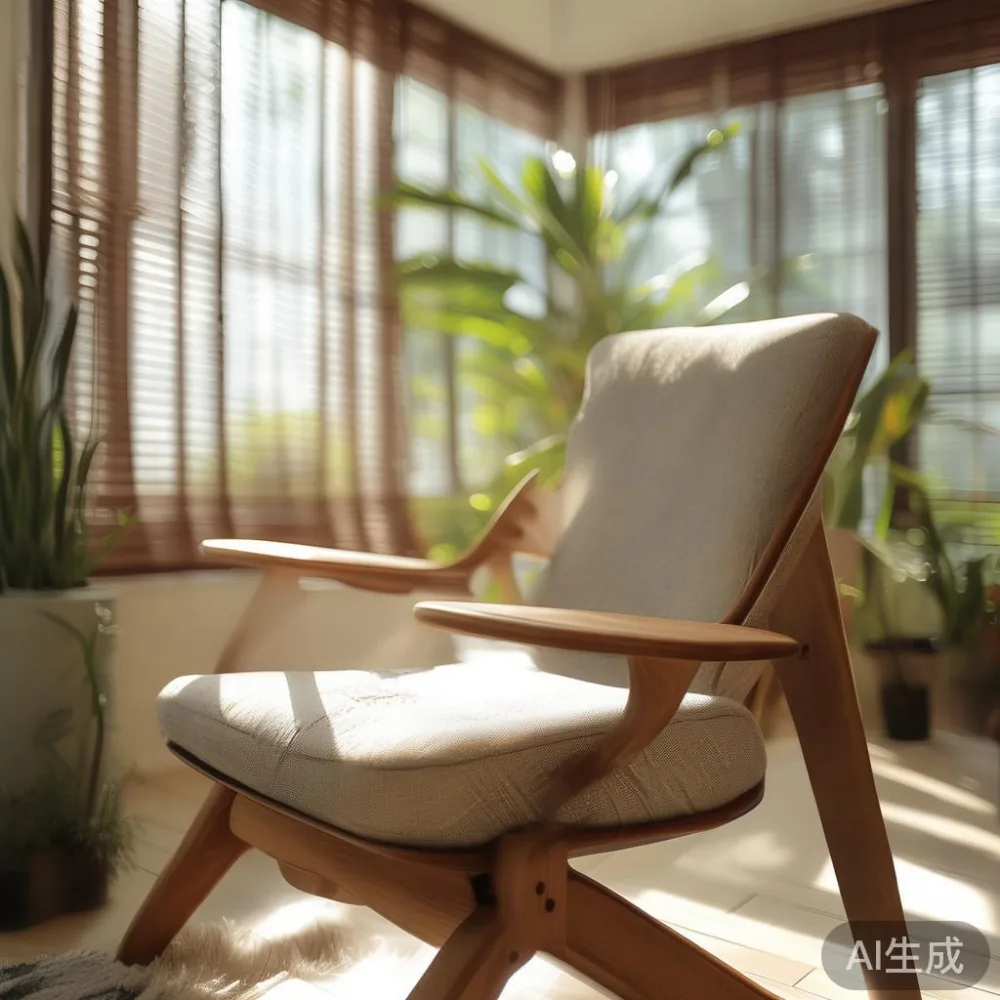
Is It Just the Wood? Understanding the Raw Material's Role
The most obvious factor is the type of wood used. Not all wood is created equal, and the species chosen for a piece of furniture has a direct impact on its price, durability, and aesthetic. Solid wood furniture can be broadly categorized into hardwoods and softwoods.
Hardwoods, sourced from deciduous trees, are denser and more durable. Popular choices for high-end furniture include oak, walnut, and teak. An oak dining table, for instance, is prized for its prominent grain patterns and incredible strength, often costing between SGD 2,500 and SGD 4,500. A solid wood sofa frame made from mahogany, known for its fine texture and resistance to warping, will be a significant investment, typically starting around SGD 4,000.
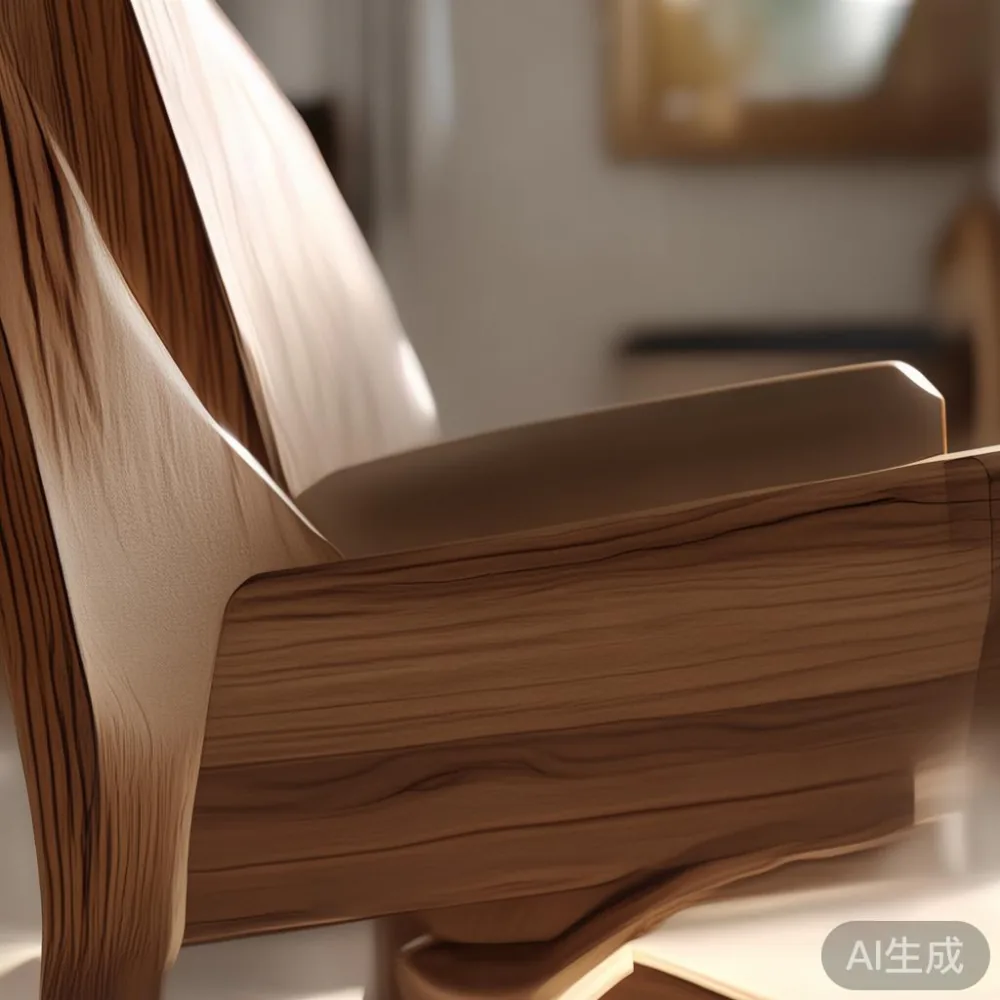
Softwoods, from evergreen trees like pine or cedar, are generally less expensive and lighter. A pine wardrobe might be found for SGD 800 to SGD 1,500, making it a popular choice for bedrooms in Singapore where weight and cost are considerations. However, softwoods are more susceptible to dents and scratches over time. The choice between a hardwood and a softwood is a fundamental trade-off between longevity and initial cost.
Why Does Craftsmanship Cost So Much? The Art of Joinery and Construction
Beyond the raw material, the method of construction is arguably the most significant driver of price in solid wood furniture. This is where the difference between a mass-produced item and a handcrafted piece becomes starkly apparent.
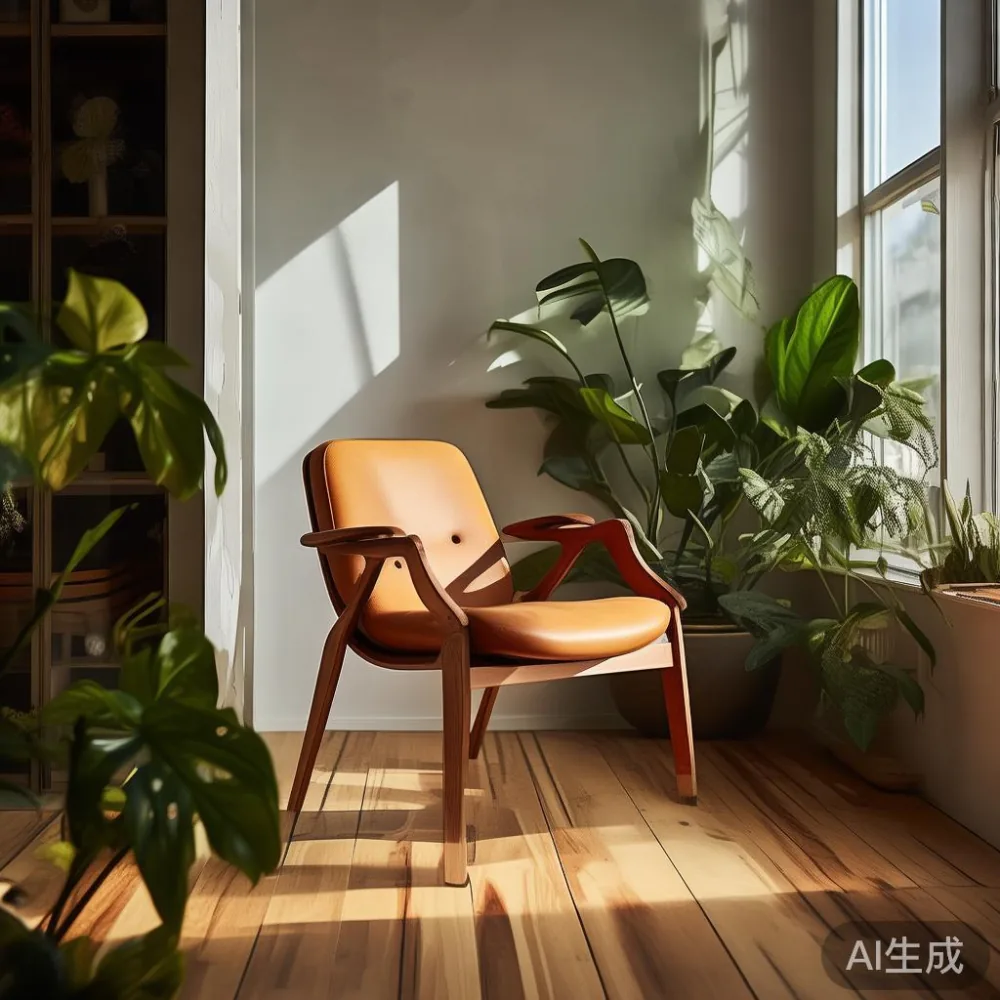
Look for the joints. High-quality furniture uses traditional joinery techniques like dovetail, mortise and tenon, and tongue and groove. A dovetail joint, where interlocking wedge-shaped tabs hold two pieces of wood together, is a hallmark of superior craftsmanship. You will find this on the drawers of a high-end nightstand or a solid wood bed frame. This method creates an incredibly strong bond that can withstand decades of use without glue failure. A chest of drawers with dovetail joints will easily cost SGD 1,200 or more, while one with simple butt joints and staples might be under SGD 600.
My colleague, Sarah, recently visited a workshop in Foshan to understand this process firsthand. She watched a master craftsman spend over 3 hours hand-cutting mortise and tenon joints for a single dining table leg. "It was mesmerizing," she said. "The precision and care were evident in every cut. This isn't just building furniture; it's a form of art. You understand why a table with this level of construction costs what it does." This human element of skilled labour, honed over years, adds a significant cost that cannot be replicated by a machine.
The Finishing Touch: Why Surface Treatment Adds Value
The finish on a piece of furniture is not just about colour; it's about protection and preservation. A high-quality finish protects the wood from humidity, which is a constant concern in Singapore's climate. It also enhances the wood's natural beauty, bringing out the depth of the grain.
There are different types of finishes, each with its own cost and benefits. A simple lacquer or paint finish is the least expensive. A more durable option is a penetrating oil finish, which soaks into the wood, providing a natural feel and good protection. This is common on modern Mid-century modern furniture pieces. For ultimate luxury, a French light aesthetic often features a hand-rubbed shellac or wax finish. This process is labour-intensive, requiring multiple coats and extensive buffing by hand to achieve a deep, lustrous sheen. A marble table with such a finish on its base would be a statement piece costing upwards of SGD 5,000.
When considering a wardrobe, the finish is critical for longevity. A question many of our customers ask is: is French provincial wardrobe worth it? The answer often lies in the detailed finishing—the subtle distressing, the hand-applied glazes, and the multiple layers of protective varnish that give it its character and ensure it lasts for generations. This meticulous process is a key part of its value.
Design, Brand, and Scale: The Hidden Influences on Price
Many consumers assume that a high price tag is purely for the brand name. While branding plays a role, it's often a reflection of other underlying factors like design innovation, material sourcing, and production scale.
Design is a significant cost. A designer who creates a unique, ergonomic chair or a post-modern light luxury sofa will command a fee for their intellectual property. The design process involves prototyping, testing for comfort and durability, and refining aesthetics. This R&D cost is factored into the final price. For example, developing a chair that offers proper lumbar support for long hours at a desk requires extensive ergonomic study, which adds to its cost compared to a generic design.
Production scale also has a major impact. A large factory can produce thousands of identical dining tables a month, spreading out the cost of machinery and labour. A smaller workshop, focusing on custom or limited-run pieces, will have a much higher per-unit cost. The brand's story, its commitment to sustainability, and the quality of its hardware (like using solid brass drawer slides instead of plastic) also contribute to the final price.
How to Choose Light Luxury Sofa: A Practical Guide for Singapore Homes
Understanding the components of price helps you make a more informed decision. If you are looking to furnish your Singapore home, here is a practical approach to evaluating a piece of solid wood furniture.
First, define your style. Are you drawn to the clean lines of American light luxury, the ornate details of French provincial, or the minimalist elegance of Japandi? This will guide your choices. For instance, if you love the American light luxury look, you might be searching for how to style American wardrobe in room, focusing on mixing rich woods with plush fabrics and metallic accents.
When shopping, always inspect the furniture closely. Run your hand along the surfaces. Feel for smoothness and check for any rough patches or unevenness. Open the drawers and doors. Do they glide smoothly? Do they close with a solid, satisfying click, or do they wobble? A high-quality drawer will have full-extension drawer slides, allowing you to access the entire interior. This is a detail that separates a SGD 1,500 wardrobe from a SGD 3,500 one.
Consider the scale of the furniture for your space. A large marble table might look stunning in a showroom, but will it fit through your condo's lift or fit comfortably in your dining area without making the space feel cramped? Measure your space, including corridor widths and doorways, before making a purchase. This practical consideration prevents costly mistakes.
Finally, don't forget to factor in the total cost of ownership. Ask about the warranty. A reputable brand like midhill, which offers a 10-year structural warranty, provides peace of mind. Also, consider delivery and assembly. Free shipping over SGD 350 is a significant benefit, as is professional assembly that ensures your furniture is put together correctly. A lifetime refinishing service means the piece can be restored to its original beauty decades later, adding to its long-term value.
What About Delivery and Taxes in Singapore?
The price on the tag is not always the final price you pay. In Singapore, the Goods and Services Tax (GST) of 9% is applied to most goods and services. This is a standard charge that must be factored into your budget. If a solid wood bed frame is listed at SGD 2,200, the final price will be SGD 2,398 before delivery.
Delivery is another cost component. While many brands offer free shipping for orders over a certain value, smaller items or custom pieces may incur a delivery fee. This fee can vary based on location—a delivery to a Punggol condo might be SGD 80, while a delivery to a Tampines HDB flat could be SGD 60. The delivery process itself is a service. A good company will handle the furniture with care, ensuring it arrives without damage and is placed in your room of choice, not just left at the corridor.
When choosing a company, consider their experience with the local context. A brand that exports to 15+ countries, like one established in 2008, will have a well-honed logistics process for working through Singapore's specific delivery challenges, including working through HDB lifts and arranging for delivery personnel with the right equipment.
Is a More Expensive Ergonomic Chair Always a Better Investment?
This is the ultimate question for many buyers. The answer is not a simple yes or no. A more expensive ergonomic chair is often a better investment, but only if the extra cost is justified by tangible quality improvements.
A cheaper ergonomic chair might use a softer wood, simpler joinery, and basic foam padding. It may serve its purpose for a few years, but it may sag, wobble, or show signs of wear much sooner. A more expensive model, on the other hand, will likely feature a frame made from a premium hardwood like ash or beech, use reinforced joints, and have high-density foam or even memory foam for better support and longevity. The mechanism for adjusting the height and tilt will also be more solid and durable.
Think of it as a long-term purchase. A higher-quality ergonomic chair is an investment in your health and comfort. A well-made chair that lasts for 15-20 years provides better value over time than one that needs to be replaced every 5-7 years. The initial higher cost is offset by its extended lifespan and superior performance. This principle applies to all solid wood furniture, from a dining table to a bed frame. The best Mid-century modern bed for 2026 will be the one that balances beautiful design with impeccable construction, ensuring it remains a centrepiece of your home for years to come.