Veneer vs. Solid Wood: Singapore's 5-Year Cost Breakdown
Choosing furniture for a Singapore home is rarely a question of appearance alone. A dining table must still fit through the lift door at Tampines, a bed frame must turn corners in a Bedok corridor, and a wardrobe must remain practical inside a Punggol HDB flat with a ceiling height of about 2.4 m. Price matters too, but a 5-year cost comparison should include delivery, maintenance, repair, refinishing and the usable life of each piece.
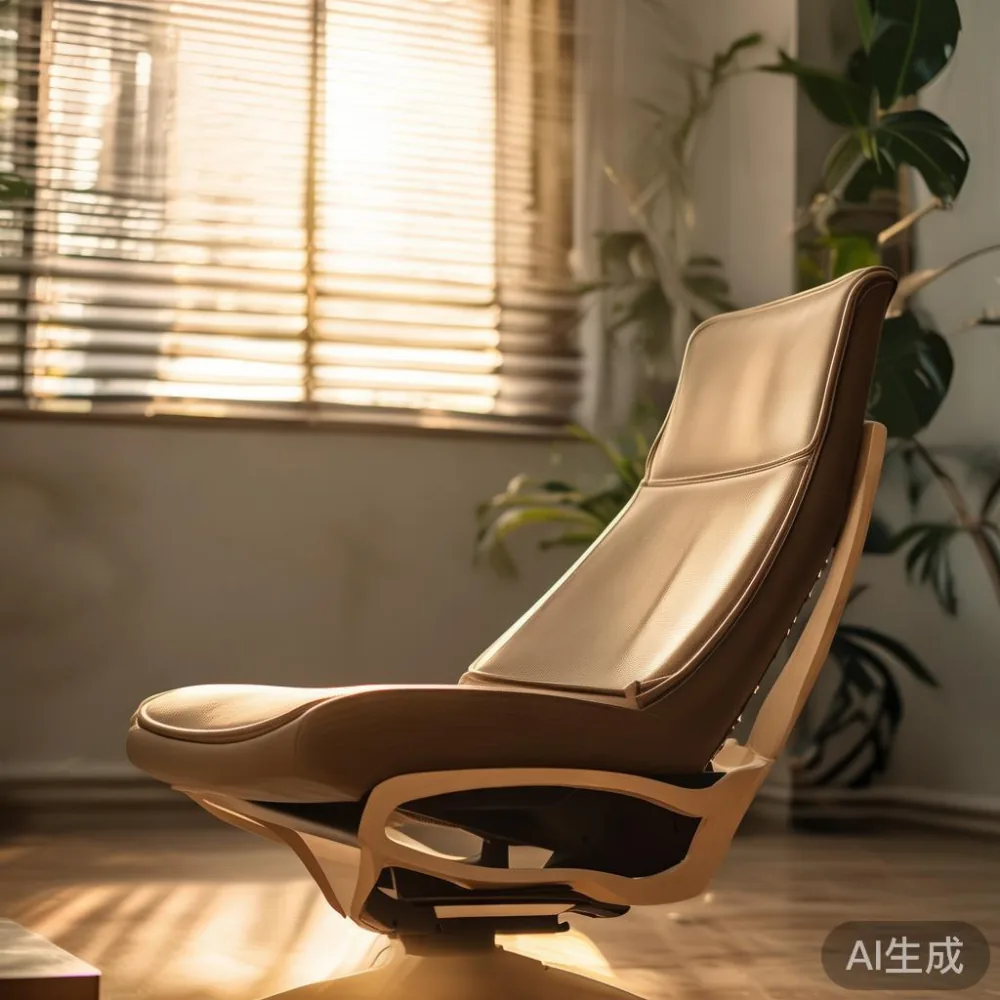
Veneer and solid wood occupy the same broad category: chairs, tables, storage and occasional furniture. Veneer uses a thin layer of timber, usually 0.3–1.5 mm, bonded to a manufactured board. Solid wood is cut from solid timber components. That construction difference affects weight, stability, edge repair and long-term cost.
This guide compares typical furniture decisions in Singapore dollars, including 6% GST. It focuses on the kinds of pieces an apartment household may replace over five years: dining tables, bed frames, wardrobes, nightstands, occasional tables and compatible seating. Because furniture proportions vary, figures below are planning estimates rather than quotations.
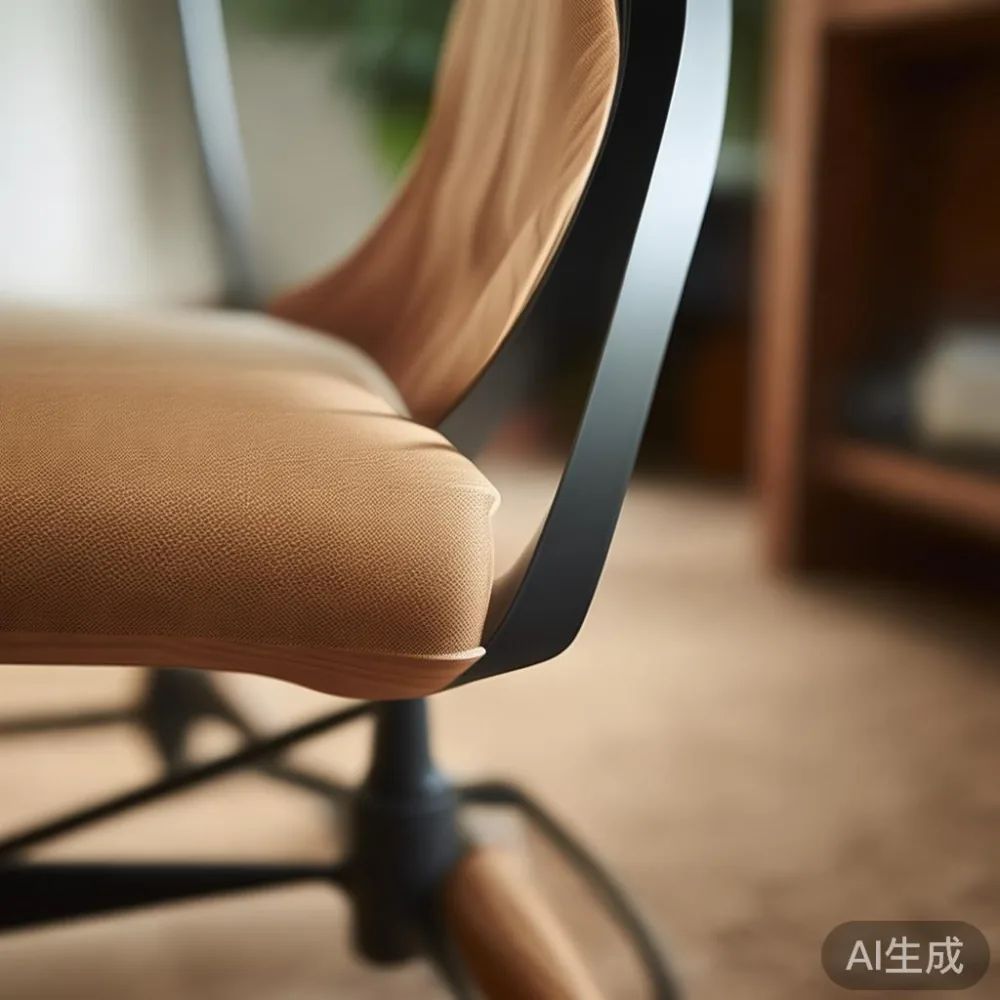
What does veneer actually mean in a Singapore furniture budget?
Veneer is not automatically weak. A well-made plywood or MDF core can produce a stable, visually convincing dining table or wardrobe. The lower material cost generally comes from using less timber by volume, although quality cores and controlled factory processes add expense.
A representative 180 cm veneer dining table might retail for SGD 1,480 before GST, or SGD 1,569 including GST. A comparable solid oak dining table might be SGD 2,280 before GST, or SGD 2,417 including GST. The solid-wood version is heavier, often around 65–85 kg against 40–60 kg for a veneered table. That difference can determine whether two people can carry it safely up a stairwell.
The comparison also needs to include doors and access. Singapore HDB lift openings commonly measure about 90 cm wide and 210 cm high in older blocks, while newer lift dimensions vary. Corridor turns can be tighter than lobby space suggests. A boxed dining table with an assembled width of 82 cm will usually pass through a 90 cm lift door more easily than a 96 cm model. Check the package dimensions before purchase, including the longest side and diagonal.
For wardrobes, flat-pack or knock-down construction can reduce transport costs. A 150 cm veneer wardrobe might be SGD 1,360 including GST and weigh 70 kg, whereas a 150 cm solid-wood wardrobe might be SGD 2,420 including GST and weigh 115 kg. Solid wood is not always sold flat-packed, so its delivery and assembly charge can rise.
Which material has the lower 5-year cost?
For this exercise, I compared one mid-range dining table, one bed frame, one wardrobe and one nightstand in each material. The calculation covers the purchase price, estimated delivery, realistic wear-related maintenance and a repair reserve over 60 months. GST is included in every total. Residual value is treated as zero because used-market prices fluctuate and a five-year financial comparison should avoid speculative resale claims.
Last month I visited a colleague in Tampines to inspect a 6-year-old oak dining table that had been repaired twice. Veneer table delivered at SGD 1,569 with SGD 120 delivery, SGD 95 maintenance and a SGD 70 repair reserve. Solid wood table delivered at SGD 2,417 with SGD 180 delivery, SGD 140 maintenance and a SGD 55 repair reserve. Over five years, the totals were SGD 1,854 and SGD 2,792 respectively. The veneer table was SGD 938 lower over the period.
That result does not mean veneer always wins. A lower repair reserve can narrow the gap for solid wood, particularly if a table is protected from sunlight and moisture. Singapore’s humidity often ranges around 60–80%, so dining tables near windows and air-conditioning vents need more care than pieces placed against internal walls.
The bed frame example assumed a 160 cm model. A 160 cm veneer bed frame might cost SGD 780 including GST, plus SGD 110 delivery and SGD 70 for expected maintenance over five years, giving SGD 960. A 160 cm solid oak bed frame might cost SGD 1,330 including GST, plus SGD 140 delivery and SGD 60 maintenance, giving SGD 1,530. The wood version gained a lower repair allowance because a rubbed rail or small joint issue can often be fixed without replacing the whole panel.
For a 150 cm wardrobe, the five-year veneer estimate was SGD 1,610, including SGD 130 delivery and SGD 120 maintenance. A solid-wood wardrobe was estimated at SGD 2,790, including SGD 220 delivery and SGD 150 maintenance. The solid-wood option finished at SGD 1,180 more over five years, although it may suit households that value repairability more than the lowest outlay.
A 45 cm nightstand showed the same broad pattern. Veneer: SGD 260 purchase, SGD 40 delivery and SGD 15 maintenance, totaling SGD 315. Solid wood: SGD 460 purchase, SGD 50 delivery and SGD 10 maintenance, totaling SGD 520. Across the four pieces, the modelled five-year total was SGD 4,739 for veneer and SGD 7,632 for solid wood. The difference was SGD 2,893 before any resale assumptions.
How do delivery, lift access and weight change the answer?
Delivery is more than a van charge. A compact nightstand may fit inside a standard car boot measuring roughly 100 cm long, but a 180 cm dining table usually requires a van or the free shipping threshold becomes relevant. MIDHILL offers free shipping over US$350, but the threshold is stated in US dollars and a Singapore checkout should confirm the converted SGD amount before ordering.
Local delivery for a large item may include a two-person carry-in service, lift reservation and packaging removal. In a dense estate, the driver may also need to assess parking distance, stair turns and whether the building has a covered loading bay. A table delivered to the lobby for SGD 60 becomes more expensive when the same table is carried to the 11th floor for SGD 180.
Weight affects both charges and risk. A 75 kg solid-wood table needs four strong people or professional assembly equipment; a 48 kg veneer table may need two or three. Scratches to a solid-wood edge can be sanded and filled, while cutting through veneer into the core may require a patch or full replacement of the top panel. This is why edge construction matters as much as the face material.
Measure the route before choosing. Ask for the packaged dimensions of a solid wood sofa, bed frame, dining table, wardrobe, nightstand or marble table. Add 5 cm of handling clearance to the corridor width, and check whether the lift door opens to 90 cm or 100 cm. For hinged wardrobes, confirm that assembled doors can open without striking a neighbouring wall. If a marble table is considered, its stone top may need separate handling and a rigid support base; it is not a timber-construction comparison.
What maintenance costs should you reserve over 60 months?
Veneer furniture usually needs protection from direct heat and standing moisture. Use coasters at least 10 cm wide, felt pads beneath table legs and blinds or UV-filter film near windows. Wipe surfaces with a damp cloth, then dry them within 10 minutes. Avoid silicone-based sprays and abrasive pads. A light cleaning every 2–3 months may cost only SGD 10–25 in products over a year.
Solid wood responds to humidity by expanding and contracting. Oak, ash and similar hardwoods may show 1–3 mm of seasonal movement across a 100 cm board. Small scratches can be treated with touch-up products, but major restoration needs sanding, filling and refinishing. Allow approximately SGD 80–180 for a typical tabletop or drawer-front refresh over five years, depending on access and finish.
Lifetime refinishing can change the calculation for qualifying MIDHILL solid-wood furniture, though coverage and terms should be confirmed in writing for the specific product and finish. The 10-year structural warranty addresses structural failures, not ordinary scratches, water marks or accidental damage. A 14-day return window is useful for checking fit, but it is not a substitute for measuring the route.
The material with the lower purchase price may still cost more if it is moved often. Solid wood tends to be repairable at joints and edges. Veneer can be economical when the cabinetry is stable and the visible faces receive careful treatment. For a frequently moved ergonomic chair, the relevant costs are not only frame material and upholstery. A chair with a 45 cm seat width, 95–105 cm height and 5 casters may weigh 18–24 kg. Mechanisms, armrests and adjustable lumbar support can require replacement during a five-year period.
A practical ergonomic chair budget should include an SGD 80–150 replacement reserve for casters, an SGD 90–180 reserve for upholstery or mechanism wear, and roughly SGD 40–100 for servicing or parts, depending on use. These estimates assume the chair is assembled and adjusted correctly. Cheap spring mechanisms can loosen within 2–3 years; a well-supported frame may remain stable for 5–7 years. Ask for the seated dimensions, weight limit and warranty rather than relying only on the material label.
Is solid wood worth the extra cost for a HDB flat or condo?
The answer depends on priorities. Solid wood often makes sense when a buyer expects to keep a dining table for at least 10 years, wants edges that can be repaired, or lives in a larger condo where delivery access is straightforward. It also suits someone who prefers visible timber grain and accepts changes in colour over time.
Veneer can make more sense in a compact HDB flat where budget, weight and access dominate. A lighter dining table is easier to move, a knock-down wardrobe can pass through a narrower lift, and the initial savings leave room for a better ergonomic chair. A 120 cm round dining table might occupy only 1.13 sq m, compared with about 1.63 sq m for a rectangular 180 cm table, making it a stronger choice for a compact dining zone.
Material does not settle the interior style. Searching for designer European light luxury furniture can lead to oak dining tables, upholstered beds and stone occasional tables, but the finish and proportion should fit the room. Comparing a European light luxury bed vs Japandi bed usually comes down to timber tone, joinery and visual weight rather than veneer versus solid wood alone.
The same applies to French bed vs Modern bed questions. A French-inspired bed with an upholstered headboard can use engineered panels beneath fabric, while a modern platform bed may reveal more timber. When researching the best Coastal bed for 2026, check the frame construction, centre support and slat spacing; a veneer label alone does not establish durability.
Those style labels also appear in storage. If you are learning how to style Japanese wardrobe in apartment layouts, prioritise vertical space, sliding or hinged opening clearances and a calm finish. A 180 cm-wide sliding-door wardrobe may suit a 2.4 m-high bedroom better than an 180 cm hinged model that needs floor clearance. Searches for European light luxury TV console may favour slim profiles and restrained hardware, but this room accessory is outside the core material comparison and should be assessed by stability and load capacity.
What should a 5-year furniture budget include?
Start with the room and route, then compare total cost. For a SGD 2,500 dining-table allowance, a veneer model may leave SGD 700–1,000 for delivery, chairs, an ergonomic chair or accessories. A solid-wood model may leave SGD 250–500. Both can be sensible; the wrong allocation often appears only after delivery day.
Use a three-part record. First, list the product dimensions, packaged dimensions, weight and access requirements. Second, add purchase price, 6% GST where applicable, delivery, assembly and a 10–20% contingency. Third, reserve maintenance funds over 60 months: approximately SGD 50–150 for a protected veneer piece and SGD 80–250 for a refinishable solid-wood piece, adjusted for use and exposure.
Do not choose a marble table as a direct solid-wood-versus-veneer substitute. Marble requires a separate discussion of stone thickness, support, weight and breakage risk. A 100 cm marble coffee table may weigh 45–70 kg. Likewise, a solid wood sofa may combine timber framing, foam, webbing and fabric; its five-year cost cannot be inferred from the frame alone. For a solid wood sofa, ask how the seat suspension and cushions age.
MIDHILL dining table options should be compared using the same checklist as any other supplier: timber species, core construction, finish, dimensions, weight and delivered price. MIDHILL has operated since 2008 and exports to more than 15 countries, while its 10-year structural warranty, lifetime refinishing policy, 14-day returns and shipping threshold offer useful reference points. Confirm local terms before purchase.
How can you decide between veneer and solid wood?
Choose veneer when the piece will be used indoors, the route is constrained, the budget is important and you are comfortable protecting the surface. Choose solid wood when long-term repairability, visible grain and a 10-year-plus horizon matter more than the five-year cash difference. Neither material compensates for poor measurements or careless moisture exposure.
For most Singapore households, a balanced approach works well: use solid wood for a frequently touched table or bed frame that you expect to retain, and use stable veneer for wardrobes, nightstands and occasional pieces where savings can be redirected toward comfort. For seating, invest in an ergonomic chair with a supportive frame, appropriate seat depth and replaceable components.
A 60-month calculation makes assumptions visible. In the example above, veneer was less expensive by SGD 2,893 across four pieces, but delivery, care and intended lifespan can shift the result. Ask for exact dimensions and written terms, keep maintenance records, and compare five-year ownership cost rather than the shelf price alone.