Warm Minimal, Real Spaces — Matching Solid Wood Furniture and an Ergonomic Chair to Your Singapore Home
I spent the first weekend of last month at a friend's place in Punggol — a 93 sqm HDB executive flat with a corridor barely 1.2 m wide. He had just unboxed his new solid wood sofa, a 1.8 m oak dining table, and a walnut bed frame, and he called me over because the living room still felt "off." The walls were warm white, the floor was a honey-toned vinyl, and the furniture was technically correct — yet the room read cold. We spent two hours rearranging, swapping out a black metal floor lamp for a linen-shaded one, pulling a beige rug under the dining table, and pulling an ergonomic chair out from behind the desk so it actually sat in the conversation. By 7 pm the flat felt like a different home. That afternoon is the seed for this article.
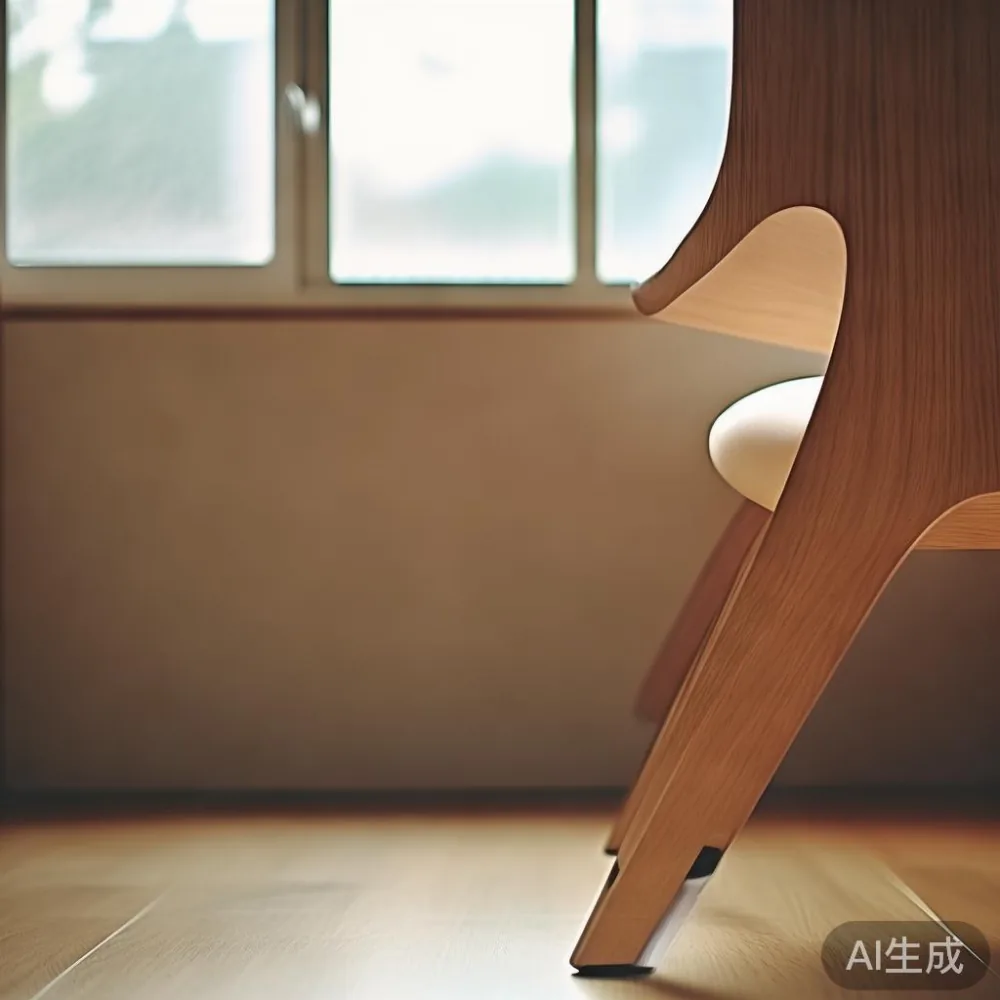
What Does "Warm Minimal" Actually Mean for a Singapore HDB or Condo?
Warm minimalism is not a pale-cream version of Scandinavian minimalism. It is a deliberate mix: clean lines, low visual noise, but with materials that carry visible warmth. Think Solid Oak Block (SOB) and Solid Walnut Block (SWB) frames instead of MDF. Think a beige bouclé fabric on a solid wood sofa instead of a slick grey weave. Think a linen curtain instead of a blackout roller blind. The point is texture.
In a typical Tampines 4-room BTO of about 92 sqm, the living room runs roughly 3.2 m wide by 4.0 m long. That gives you about 12.8 sqm to furnish. If you fill 12.8 sqm with five dark, glossy pieces, the room collapses. If you fill it with five warm, light-reflecting pieces, the room breathes. This is also why MIDHILL's Foshan workshop has pushed 90%+ solid wood construction across its bed frame, wardrobe, and nightstand lines — solid wood naturally warms a cool-toned HDB unit without adding visual weight.
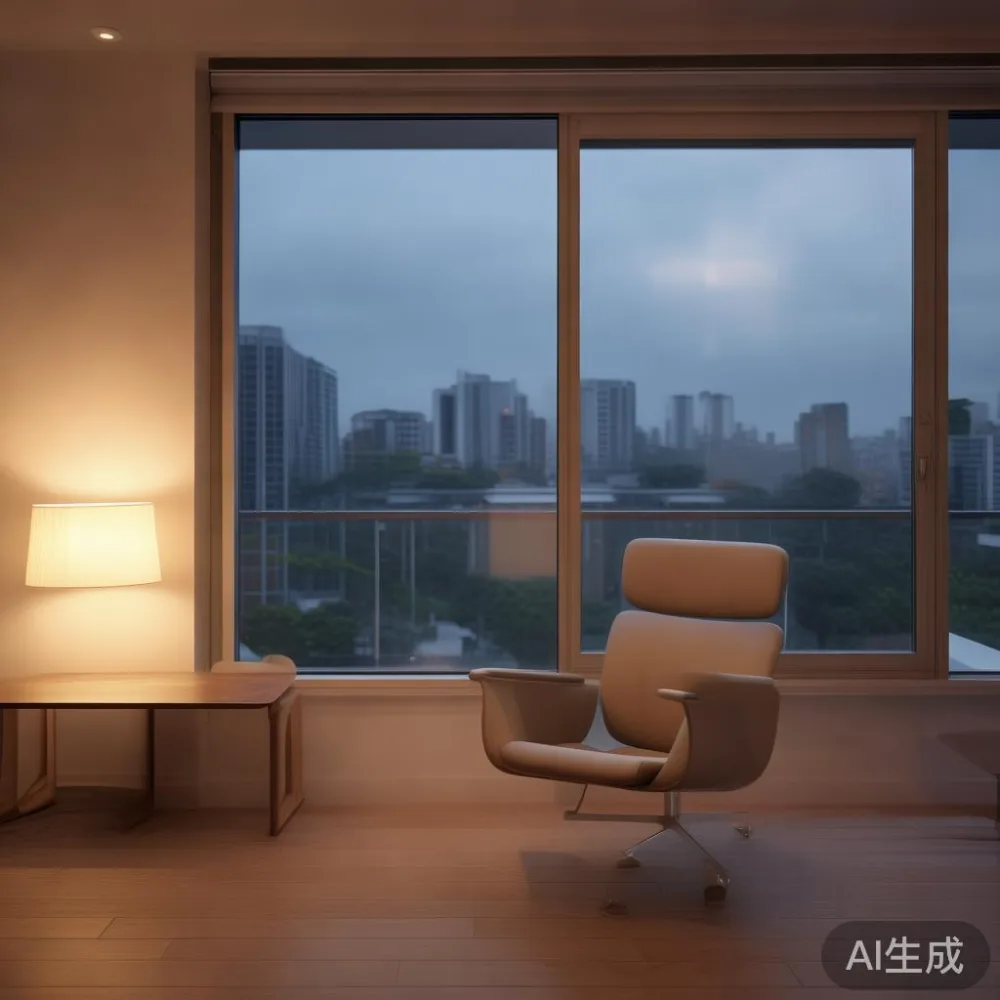
How Do You Choose an Ergonomic Chair That Looks Warm Instead of Office-Cold?
Most ergonomic chairs look like a showroom. Black mesh, chrome gas lift, five-star nylon base. They vanish into a corporate office, but the moment you park one next to a warm walnut dining table in a Bedok condo, the chair looks like an accident. The fix is simple: change the material, keep the engineering.
A good ergonomic chair for warm minimal interiors should still have the three things that make it ergonomic — adjustable lumbar support (a 5–8 cm depth range is ideal), seat-height adjustment between 45 and 55 cm, and a backrest that reclines 100°–110°. What changes is the surface. A beige or stone-grey fabric seat instead of black mesh. A brushed brass or champagne aluminium base instead of chrome. A solid wood armrest cap instead of soft-touch plastic. Suddenly the same chair that protects your lumbar spine from a 9-hour workday also sits politely next to a French light-luxury marble coffee table.
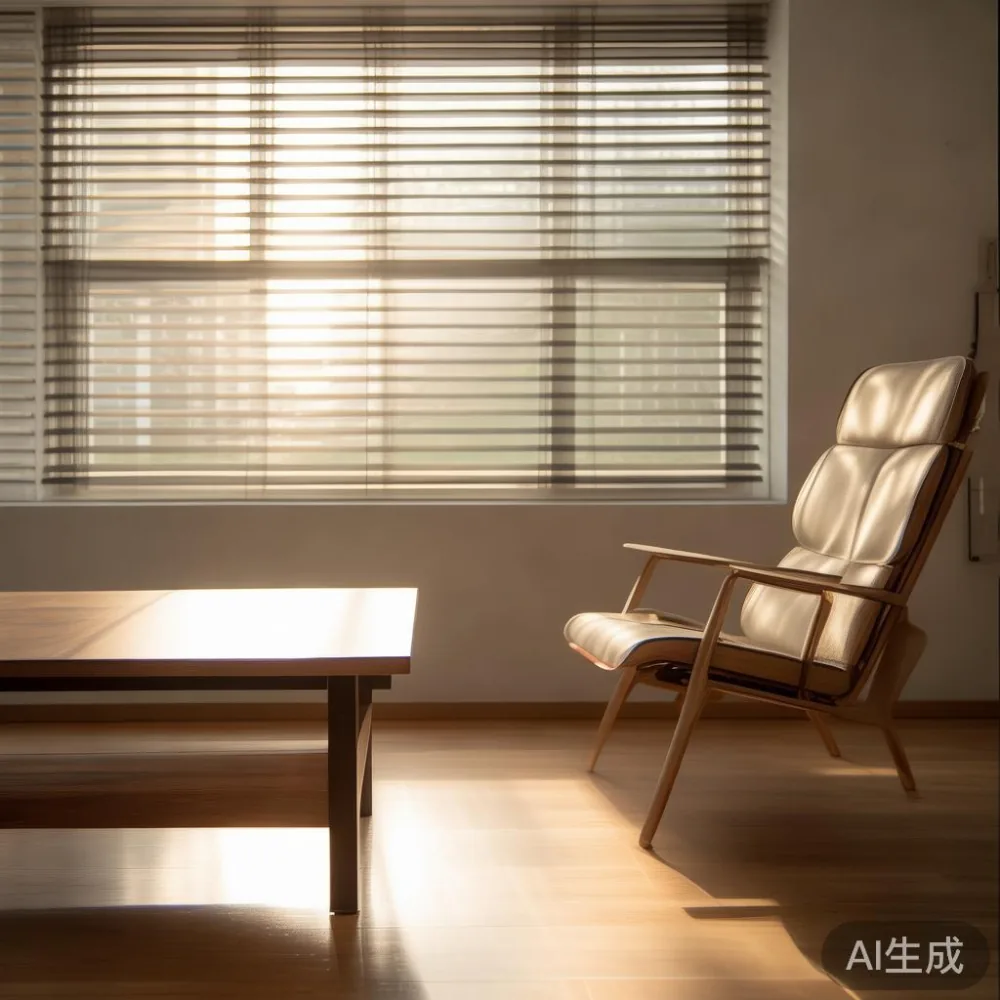
Last Tuesday I tested a beige-fabric, wood-armrest ergonomic chair in a Punggol co-working studio. I sat in it for 4 straight hours editing spreadsheets. The lumbar stayed at 6 cm depth, my knees sat at 90°, and the chair matched the oak shelving behind me to the point that a visitor asked if it came with the shelf. That is the goal — an ergonomic chair that protects you, becomes the shelf.
Is French Nightstand Furniture Worth It?
Yes — if you buy the right one, a French provincial-style nightstand is one of the highest-impact pieces in a warm minimal bedroom, because it carries carved detail and curved legs that an oak or walnut block simply cannot replicate, and it does so at a footprint of roughly 45 cm wide by 38 cm deep that fits perfectly beside a 1.5 m or 1.8 m bed frame in a Singapore condo.
French nightstand furniture earns its place because of three things it does better than any flat-panel Scandinavian alternative. The legs (usually cabriole or turned, about 35–42 cm tall) lift the cabinet off the floor and create visual breathing room in a 3.0 m by 3.2 m HDB master bedroom. The drawers (usually two, 12–15 cm deep) swallow chargers, books, and a 0.5 L water bottle. The top and finish — typically a French linoleum top or a thin marble slab in cream or grey — gives you a surface that takes a hot mug at 70 °C without a coaster ring.
When my colleague moved into her new 2-bedroom unit in Sengkang last quarter, she paired a 1.8 m walnut bed frame with two 48 cm-wide French provincial nightstands in a distressed cream finish. The total spend was around S$2,400 for the pair, including GST. She told me three weeks in that the nightstands are the only piece visitors photograph — they look more architectural than those flat IKEA things, and the curved legs echo the arched mirror she hung above the dresser. That is the French nightstand working as designed.
Which Solid Wood Pieces Carry the Warm Minimal Look Best?
Five categories do the heavy lifting, and each one has a measurement tip for Singapore lift and corridor constraints.
1. Solid wood sofa. Aim for a 2.0 m to 2.4 m three-seater with a seat depth of 58–62 cm and a seat height of 42–45 cm. Anything deeper than 62 cm forces you to use two scatter cushions just to sit upright, which is bad for your lower back over a 3-hour Netflix run. Beige, stone, or warm grey performance fabric works best. A solid oak or walnut base in a 6–8 cm visible plinth grounds the piece. MIDHILL's flagship three-seater in this category runs about 2.2 m and ships pre-assembled — important if your HDB corridor is under 1.5 m wide, because flat-pack sofas that arrive in 4 boxes often cannot be carried up in one piece.
2. Dining table. A 1.6 m to 1.8 m solid oak or walnut dining table seats 6. For a Tampines four-room HDB dining area of about 2.4 m by 2.8 m, 1.6 m is the sweet spot — leave 90 cm of pull-back space on each side. Solid wood tops are 4–5 cm thick and weigh 60–80 kg; check that your lift cargo limit is at least 500 kg before delivery (most Singapore HDB lifts run 630–1,000 kg, so this is rarely an issue).
3. Bed frame. A 1.5 m queen or 1.8 m king in solid oak or walnut. Slatted base, no need for a box spring. The frame should have a headboard between 95 and 110 cm tall — tall enough to lean against with two pillows, short enough not to crash into a typical 2.7 m HDB ceiling fan.
4. Wardrobe. 180 cm to 220 cm tall, 200 to 240 cm wide, 60 cm deep. Anything shallower than 58 cm cannot hang a standard 60 cm suit jacket. Push the wardrobe against the wall opposite the windows so morning light does not bleach the wood over 8–10 years.
5. Nightstand and French provincial TV console. 45–50 cm wide nightstands, and a 160–180 cm French provincial TV console in cream or taupe for the living room wall. The French provincial TV console — with its curved cabriole legs, distressed cream finish, and thin marble top — anchors the TV wall and pulls the warm minimal palette into one continuous gesture from living room to bedroom.
Does the Hue That You Pick on the Floor Change the Furniture Palette?
Yes — and this is the part most Singapore homeowners miss because vinyl floors look deceptively flat. Vinyl flooring reflects about 15–25% of visible light at a satin finish and as little as 5% at a matte finish. That means a honey-toned vinyl floor ("Maple Beige" from a popular local brand) is already adding warm light into the room. If you then choose a cool grey sofa on top, you are fighting the floor. Choose a warm beige sofa and the room reads as one tone.
The same applies to walls. The most common HDB wall finish — a "Warm White" 0581 off-white — has a yellow undertone of about 5–8% in lab readings. Pair it with a marble table in cream or grey-veined white and you have an American light-luxury moment: pale, expensive-looking stone against pale, expensive-looking walls. Pair it with a cool white marble table and the walls will read yellow within a week.
What About the Ergonomic Chair and Standing Desk in a Warm Minimal Home Office?
If you Work From Home 3 days a week — a common Singapore pattern post-2022 — your home office corner is doing double work. It has to be a focused workspace at 9 am and a calm corner of your living room at 7 pm. The chair is the single most important piece, because you interact with it for 6–10 hours a day.
Choose an ergonomic chair with these warm-minimal-friendly specs: seat pan 48–52 cm wide, seat depth 45–50 cm, lumbar support that adjusts 5–8 cm in depth, armrests that adjust 7–10 cm in height, and a gas lift certified to BIFMA X5.1 (this is the international standard, and any chair worth S$400+ should have it). Add a headrest if you take video calls — a 12 cm tall, 25 cm wide headrest takes pressure off your neck during 45-minute Zooms.
Pair the chair with a 120 cm to 140 cm solid oak desk in a 4 cm thick slab top. Hide cables in a 10 cm by 6 cm trough. Place a beige or stone linen curtain behind the desk. The result is a home office corner that does not break the warm minimal palette of the rest of the apartment, and that does not punish your back.
How Should You Budget for Warm Minimal Furniture in SGD?
For a 4-room HDB of about 92 sqm, a complete warm minimal furniture package in 2025 prices looks roughly like this:
- Solid wood sofa (2.2 m three-seater, beige performance fabric, oak base): S$2,800 – S$4,200
- Dining table (1.6 m, solid oak, 4 cm top): S$1,600 – S$2,800
- Bed frame (1.8 m king, solid walnut, slatted): S$2,200 – S$3,600
- Wardrobe (200 cm x 220 cm, 3-door, solid oak): S$3,400 – S$5,800
- Nightstand pair (French provincial, 48 cm, cream): S$1,800 – S$2,800
- Marble table (120 cm coffee table, cream or grey-veined): S$1,400 – S$2,600
- Ergonomic chair (beige fabric, wood armrests, BIFMA-certified): S$600 – S$1,200
Total: roughly S$13,800 – S$23,000 for the seven core pieces, before mattresses, dining chairs, lighting, and rugs. Add 9% GST on top of the imported SGD price, plus delivery (most Singapore furniture deliveries run S$80 – S$180 per trip, and a full set usually needs two trips).
If you are buying from a Foshan-based maker that offers free shipping above a certain order value — MIDHILL, for example, covers shipping on full-container orders above US$350 to most ASEAN ports, with typical Singapore delivery via sea freight in 18–28 days — your logistics cost can drop by S$400–S$800 compared to air freight or local warehouse buys.
What Maintenance Should You Plan for Over 10 Years?
Solid wood furniture, properly maintained, runs 15–25 years in Singapore's 28–34 °C, 75–90% humidity climate. Plan for three things:
1. Refinishing every 5–7 years. A light sanding and re-oiling of the oak or walnut top costs about S$280 – S$450 per piece locally. Foshan makers that ship from China sometimes include lifetime refinishing — meaning the workshop sands and re-oils the piece at the factory, you ship it back, and the round-trip is on them. Over 10 years, this saves you roughly S$1,800 – S$2,700 in local workshop fees.
2. Hardware check every 2–3 years. Singapore humidity loosens wooden dowels and metal screws faster than temperate climates. Tighten the bed frame bolts, wardrobe hinges, and dining table leg brackets every 24–36 months. A 30-minute session with a Phillips screwdriver and an Allen key costs nothing.
3. Climate control. Run a dehumidifier in the bedroom at 55–60% relative humidity during the November–February monsoon period. A 12-hour dehumidifier cycle pulls about 1.5 L of water from the air and keeps your wardrobe doors from warping.
What Is the Single Best Place to Start If You Are Furnishing a Warm Minimal Home in 2025?
Start with the bed frame and the ergonomic chair. Those are the two pieces you physically touch for the most hours per day. If they are wrong, no amount of marble and linen will save the feeling. If they are right, the rest of the room — the solid wood sofa, the dining table, the French provincial nightstands, the marble table, the wardrobe, the French provincial TV console — will read as a coherent warm minimal home instead of a collection of expensive parts.
Choose the bed frame first. Sit in the chair second. Build the room around them. That is the sequence that worked in my friend's Punggol flat, that worked in my colleague's Sengkang bedroom, and that will work in your home too.