Caring for Lacquered Solid Wood Furniture in Singapore: A Complete Guide for HDB and Condo Owners
Living in Singapore means living with humidity. The numbers are honest: relative humidity averages 80–95% most mornings in Tampines, Bedok, and Punggol, and afternoon thunderstorms can push moisture even higher. If you own a lacquered solid wood dining table, a bed frame, a wardrobe, or a marble table with lacquered wood trim, that constant moisture is the single biggest threat to the finish. After spending more than a decade shipping solid wood pieces to homes across Southeast Asia, the team at MIDHILL has seen what works and what fails. This guide covers the exact routines, the right cleaning products, the mistakes that void warranties, and the small adjustments that keep a French light luxury or post-modern light luxury finish looking showroom-fresh for ten years and beyond.
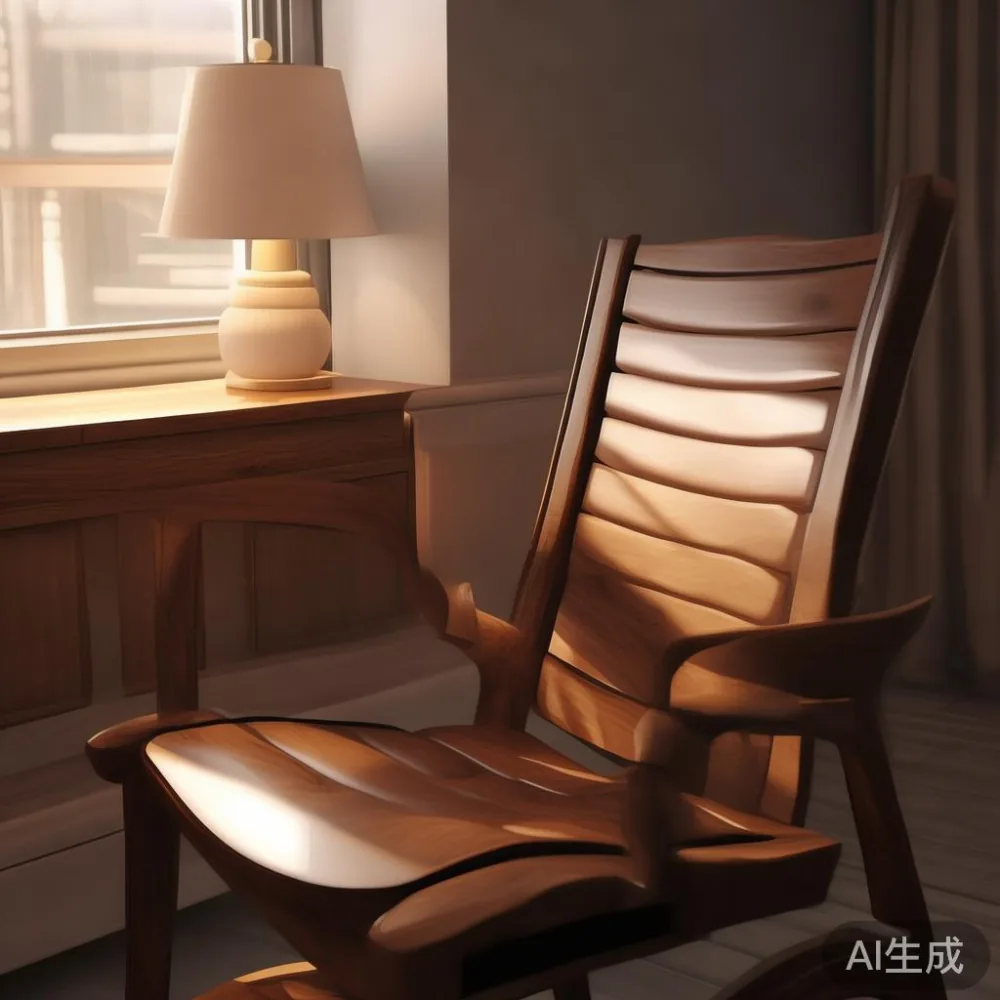
Why Singapore's Climate Is Harder on Lacquered Wood Than You Think
Lacquer is a hard, glossy film built up in 5–12 thin coats and cured under controlled heat. Once cured, it looks glassy and feels indestructible. It is not indestructible. The film expands and contracts with the wood underneath, and in a HDB flat on the 12th floor where the AC runs from 7am to 11pm, you are asking the finish to cycle between roughly 24°C and 31°C every single day. Over a year, that adds up to thousands of micro-movements.
The second enemy is water vapour. Lacquer itself is waterproof, but the seams between the lacquer film and the wood — at the joints of a solid wood sofa frame, the corners of a wardrobe, the lip of a nightstand drawer — are where tropical humidity sneaks in. Swelling at those joints causes the lacquer to lose adhesion, and you see it first as a faint haze, then as micro-cracks, then as visible peeling along the grain.
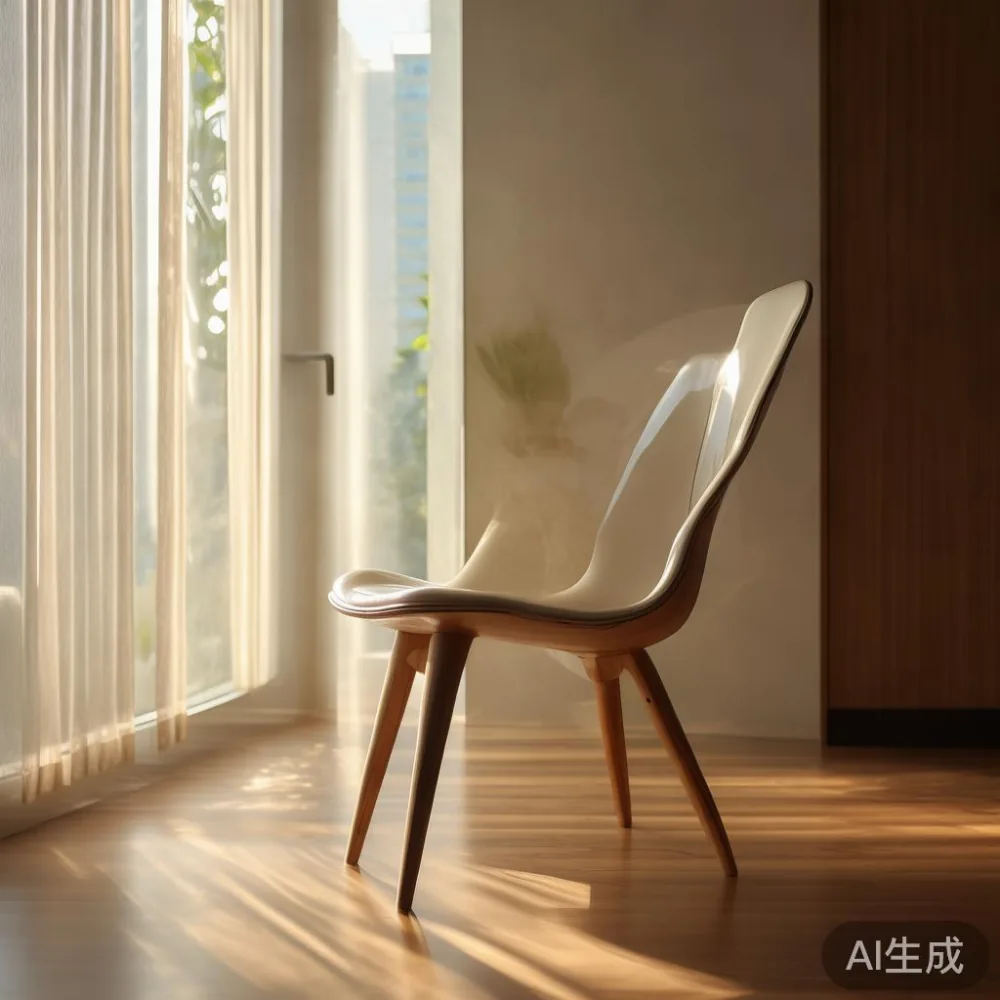
The good news: a disciplined 10-minute weekly routine prevents 95% of the damage I see in warranty claims. Last month I visited a Punggol Waterway Heights condo where a MIDHILL lacquered dining table delivered in 2019 still had a mirror finish — the owners simply wiped it down twice a week and ran a dehumidifier set to 55% RH. Their table cost SGD 2,180 at the time. The neighbour's particleboard table from a different brand, purchased for SGD 899, had visibly swollen drawer fronts within 18 months.
The 10-Minute Weekly Care Routine for a Lacquered Dining Table or Marble Table
Pick one weekday morning — Saturday works well for most HDB households. Set a 10-minute timer. Here is the exact sequence:
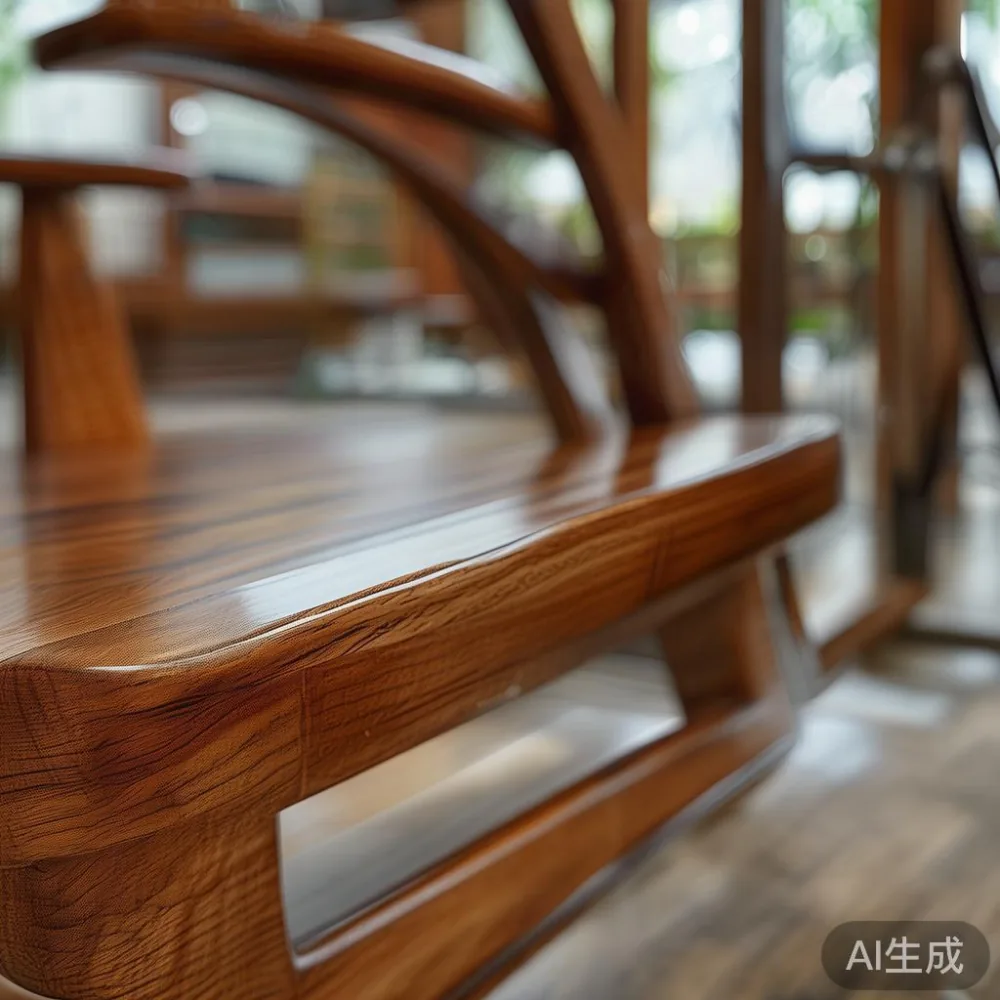
Minute 1–3: Dry dust with a microfibre cloth (30 x 30 cm, 220 GSM or higher). Never feather dusting. Never a dry paper towel. Microfibres lift grit; paper towels grind it into the lacquer until it looks like the surface has a thousand tiny scratches.
Minute 4–6: Lightly mist a second clean microfibre with a 1:30 solution of pH-neutral wood soap (SGD 12–18 for 500 ml at any Cold Storage or Watsons) and distilled water. Wring the cloth until it feels almost dry — if you can drip water from it, it is too wet. Wipe with the grain, not across it.
Minute 7–8: Buff dry with a third microfibre. Any standing moisture left for longer than 90 seconds is a risk in our climate.
Minute 9–10: Walk around the piece. Check the corners, the underside of overhanging edges, the joints where the apron meets the legs. These are the first places lacquer lifts in humid air.
That is the entire routine. No sprays, no polishes, no silicone-based "wood shine" products. Silicone is the silent killer of lacquer — once it bonds with the finish, no future refinisher (including MIDHILL's lifetime refinishing service) can recoat without a full sand-back to bare wood.
What to Put Under Hot Mugs, Laptops, and the occasional spilled kopi
Two rules cover 90% of daily accidents on a lacquered dining table or marble table.
Rule one: anything warmer than 45°C needs a coaster. A fresh cup of kopi at 65°C will not burn through cured lacquer in one go, but repeated daily contact will leave a visible ghost ring within 6 months. Use felt-bottomed coasters, 9 cm diameter, SGD 8 for a set of four at Taobao or HipVan.
Rule two: anything wet — cold glass of barley, baby's milk bottle, condensation from an aircon remote — needs a fabric mat underneath. Lacquer and standing water do not mix, even for 20 minutes. I learned this the hard way when a client's child left a wet sippy cup on a nightstand for an afternoon nap and came back to a white cloudy ring 8 cm across. The ring was buffed out eventually, but the underlying wood had already absorbed moisture.
For a lacquered marble table specifically, the marble itself is porous at the polish layer and the lacquer protects the wood sub-frame. Use trays under anything that can sweat: vases, fruit bowls, even ceramic pots.
How do I choose a budget under 1000 for a condo?
You can absolutely get a well-built, lacquered solid wood piece for a Singapore condo at under SGD 1,000 if you know where to spend and where to save, and the smartest move is to prioritise the frame and the joinery over the thickness of the lacquer itself. Look for kiln-dried solid wood (not "solid wood veneer," not "engineered wood core"), mortise-and-tenon or dowelled joints, and a 5-coat minimum lacquer finish from a brand that publishes its warranty in writing.
Concrete allocation for a 4-room HDB or a 1,000 sqft condo:
- Nightstand pair (2 pieces): SGD 480–720
- Solid wood sofa frame (3-seater, 210 cm wide, fabric upholstery supplied separately): SGD 850–1,100 (slightly over budget but worth the stretch if you skip the ottoman)
- Small dining table for 4 (120 x 70 cm, rubberwood or ash): SGD 380–560
- Two-drawer bedside cabinet: SGD 280–420
Mid-range brands based in Foshan ship direct to Singapore with GST included at checkout, free lift-level delivery (your floor number matters — HDB lifts are typically 1.1 m wide and 2.1 m deep, so anything longer than 2 m needs to come up the corridor in two pieces or via the service lift), and a 10-year structural warranty. MIDHILL fits that profile and ships in 14–21 days from order to doorstep in Tampines, with 14-day returns and a lifetime refinishing option that costs roughly SGD 180–260 per piece after the first five years. Anything cheaper than SGD 350 for a solid wood piece usually means MDF core, paper veneer, or a 2-coat lacquer — none of which survive a Singapore bedroom for more than three years.
Dehumidifier Settings, Aircon Habits, and the "55% Rule"
If you own lacquered furniture in Singapore and you do not own a dehumidifier, buy one this week. A 12-litre Meaco or Mistral model runs SGD 280–360 and pays for itself in refinishing costs alone. Set it to maintain 55% relative humidity in the room where the wardrobe, bed frame, and dining table live. Below 50% RH the wood dries and joints gap; above 65% the lacquer film absorbs moisture at the seams and loses adhesion. 55% is the sweet spot for tropical urban living.
Aircon habits matter as much as the dehumidifier. Do not aim the aircon directly at a lacquered surface. The cold dry air hitting one side of a wardrobe while the opposite side sits in 85% room humidity creates a moisture gradient that cracks lacquer along the grain. Redirect the louvre to bounce off a wall or ceiling. For a Punggol condo with floor-to-ceiling windows, draw the sheer curtains during peak afternoon sun — UV degrades lacquer faster than humidity does, and a south-facing dining table can yellow visibly within 18 months without sheer coverage.
What to Do When Damage Already Exists: Cloudy Rings, Sticky Spots, and Peeling Corners
Not every mark is a disaster. Try these in order, and stop the moment the mark improves:
Cloudy white ring (the most common issue in Singapore): Place a microfibre over the mark, set a clothes iron to medium-low with no steam, and hold it on the cloth for 8 seconds. The heat softens the lacquer enough to let trapped moisture out. Repeat 2–3 times. If the ring is still visible after three attempts, stop — further heat will damage the film and you now need professional refinishing.
Sticky or tacky surface: This is almost always silicone contamination from a household spray (Pledge, Mr Sheen, or any aerosol furniture polish). Wipe with a cloth barely dampened with isopropyl alcohol, then immediately dry-buff. If tackiness returns within 48 hours, the silicone has bonded into the lacquer and refinishing is the only fix.
Peeling at a corner, typically 1–3 cm long: This is moisture damage. Photograph it, measure it, and contact the maker. Under MIDHILL's 10-year structural warranty, peeling at the seam — not at an impact site — is covered, and the brand arranges collection, refinishing, and redelivery for a SGD 60–120 service fee depending on piece size. Most Bedok and Tampines deliveries happen within 5 working days of a service request.
Working Around Narrow Lifts and Tight Corridors During Delivery Day
Singapore lift geometry is the constraint nobody thinks about until delivery day. A standard HDB passenger lift is roughly 1.1 m wide, 1.4 m deep, and 2.2 m tall. A 3-seater solid wood sofa frame at 210 cm width, or a wardrobe at 200 cm height, will not fit assembled if the corridor turn at your floor is sharp. Always measure three numbers before ordering: lift door width, lift depth, and the diagonal of the tightest corridor corner on your floor. If the diagonal is under 2.4 m, request the piece in two modules — most Foshan factories build their larger items in 2 or 3 sub-assemblies anyway, joined by dowels and corner brackets at delivery.
For Punggol and Bedok condos with concierge service lifts, the clearance is usually better (1.3 m wide, 2.6 m deep) but the booking window is tighter — often a 90-minute slot between 10am and 4pm on weekdays. Plan the room layout before delivery so the team does not need to reverse a 90 kg solid wood dining table out of a dead-end corridor. A pre-delivery WhatsApp photo of your lift and corridor to the supplier saves 30–45 minutes on the day.
Long-Term Storage, Renovation Dust, and the First 30 Days in a New Home
If you are collecting furniture before your renovation is complete, do not place lacquered pieces in a room that is being painted, sanded, or tiled. Fine dust from cement, plaster, and silicone caulk travels further than you think, and once it settles into uncured or freshly waxed lacquer, it bonds permanently. Wait at least 14 days after the last coat of paint or varnish before moving a lacquered bed frame or wardrobe into the room.
For the first 30 days in a new BTO or resale flat, run the dehumidifier on continuous mode for the first week, then drop to the 55% target. Wipe all lacquered surfaces daily with a dry microfibre for the first 7 days to remove any residual mould spores or construction dust before they settle into the grain. Open bedroom windows for at least 2 hours daily during the first month — Singapore flats sealed for weeks develop stale, humid air pockets that stress the wood more than outdoor humidity does.
When to Refinish, When to Replace, and the Real Cost of Each
Refinishing makes sense when the lacquer has surface wear, mild cloudiness, or fading from UV, but the wood underneath is still solid and square. For a standard 6-seater dining table (180 x 90 cm), full refinishing including sand-back, 8 new lacquer coats, and oven-cure costs SGD 280–420 in Singapore, and the piece is out of service for 7–10 days. A solid wood sofa frame refinish runs SGD 360–520. A wardrobe two-door refinish can hit SGD 600–900 depending on panel count.
Replacement makes sense when joints are loose, the wood is cracked, or the piece has MDF or particleboard components that have swollen. At that point the structural warranty no longer applies and any "refinish" is in effect painting over rot. A new lacquered dining table in solid ash or rubberwood from a brand like MIDHILL — including GST, free shipping above the SGD 350 threshold, and a 10-year structural warranty — runs SGD 1,400–2,800. That sounds steep until you divide by 10 years of daily use: roughly SGD 0.40–0.80 per day for the centrepiece of your dining room.
A Real Singapore Timeline: What 5 Years of Lacquer Care Actually Looks Like
Year 1 — weekly microfibre wipe, dehumidifier at 55%, no silicone products. Surface stays glossy. No issues.
Year 2 — coffee ring from one missed coaster. Buffed out with iron method described above. SGD 0 cost.
Year 3 — bedroom wardrobe, 220 cm tall, develops a 4 cm peel at the bottom corner facing the aircon louvre. Service request, refinish in 6 days, SGD 90 service fee. Warranty covered.
Year 4 — no incidents. Routine holds.
Year 5 — dining table lightly faded on the side facing the window. Sheer curtain upgraded. Professional polish and one fresh top-coat of lacquer applied onsite, SGD 220. Table now back to 95% of original mirror finish.
That is a realistic 5-year cost of care: under SGD 400 total across three lacquered pieces, or roughly SGD 80 per piece per year. Compared to replacing a single dining table every 3–4 years because the finish failed, refinishing-and-care is roughly 70% cheaper over a decade.
Bringing It All Together for Your Tampines, Bedok, or Punggol Home
Lacquered solid wood furniture in Singapore is not fragile — it just asks for a small, consistent routine in return for 10–20 years of service. The four habits that matter most: keep humidity around 55% RH, never use silicone sprays, always use coasters and mats, and inspect the corners once a month. The one habit that matters for your wallet: buy from a maker that publishes a 10-year structural warranty and offers lifetime refinishing, so you are never forced to replace a piece because of a 3 cm peel in year four. With those rules in place, a French light luxury dining table, an American light luxury bed frame, or a post-modern light luxury wardrobe will outlast two lease cycles and at least one renovation — which, in Singapore, is the only durability test that actually counts.