The True 5-Year Cost of Veneer vs. Solid Wood: A Singapore Homeowner's Guide
When furnishing a new home in Singapore, whether it's a compact HDB flat in Tampines or a sprawling condo in Punggol, the choices seem endless. Among the most significant decisions is the material of your furniture. The showroom floor might present veneer and solid wood as equals in appearance, but their long-term stories, especially over a 5-year period, diverge dramatically. This article moves beyond the initial purchase price to analyse the complete financial picture, including maintenance, repair, and replacement costs, framed within the specific context of Singaporean living.
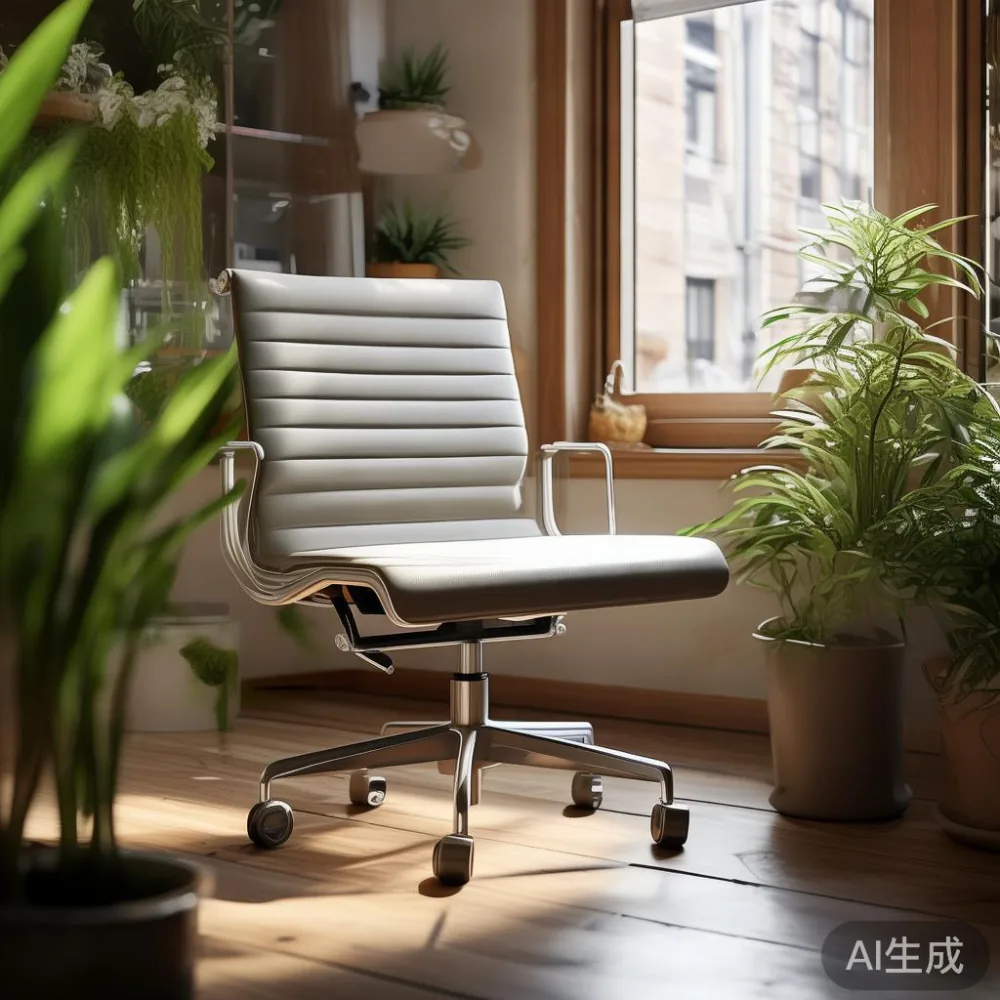
Understanding the Materials: Veneer and Solid Wood in Singapore Context
Let's establish a clear distinction. Solid wood furniture, like a solid wood dining table or a bed frame, is crafted from a single, continuous piece of lumber. The grain runs throughout the entire object. In contrast, veneer is a thin layer of real wood (typically 0.6mm to 2mm thick) applied over a core of engineered wood like MDF (Medium-Density Fibreboard), particleboard, or sometimes plywood. This core provides the structure, while the veneer provides the aesthetic of real wood.
For a Singapore home, this distinction has practical implications. The humidity can fluctuate, especially in older HDB flats or during the monsoon season. Solid wood, being a natural material, breathes. It expands and contracts with humidity changes, which is why a high-quality solid wood wardrobe might have small gaps between its panels in the dry season. Veneer, bonded to a stable core, is less prone to this movement but can be susceptible to peeling or bubbling if the humidity causes the core to warp underneath.
My colleague, who recently moved into a new condo in Bedok, learned this the hard way. He opted for a stylish veneer media console for his living room. After 8 months, the side panels began to show fine cracks where the veneer had pulled away from the MDF core. The visual appeal was compromised, and the structural integrity felt questionable. This experience highlights the foundational difference in how these materials behave in our local climate.
The 5-Year Financial Breakdown: A Tale of Two Chairs
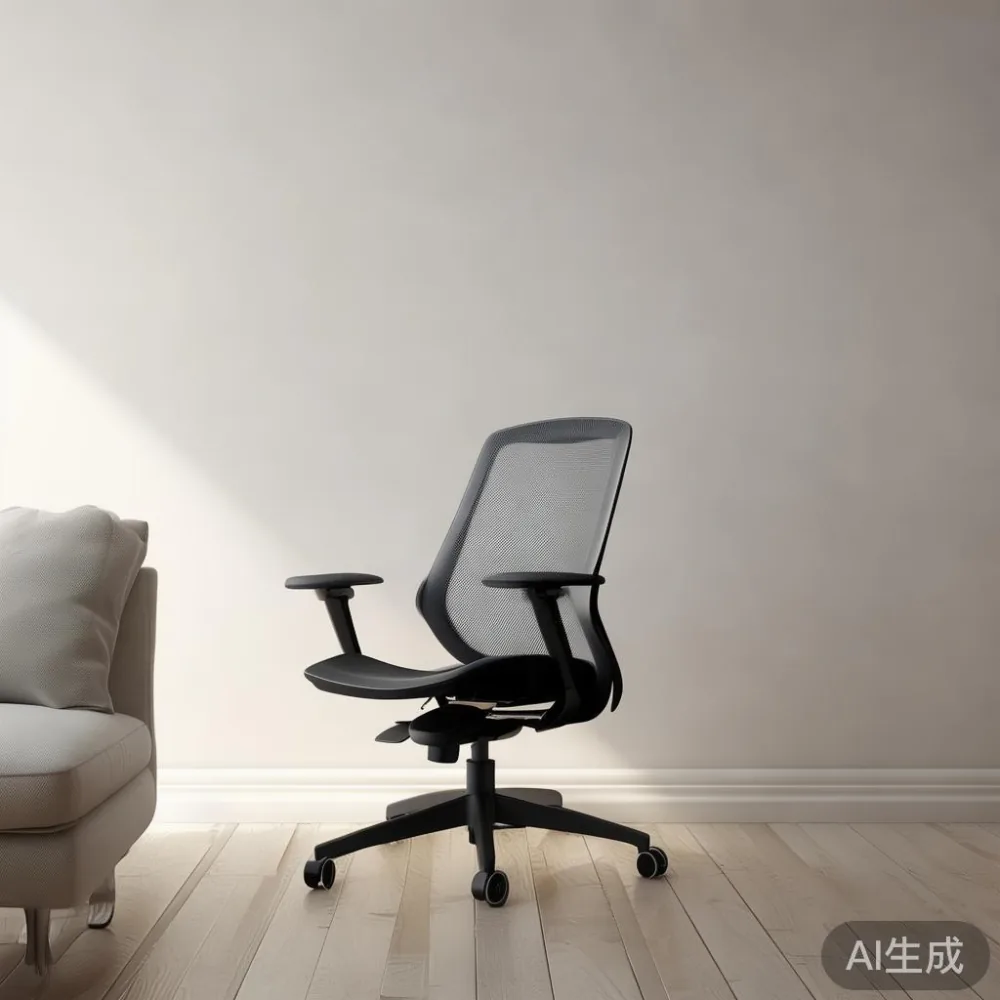
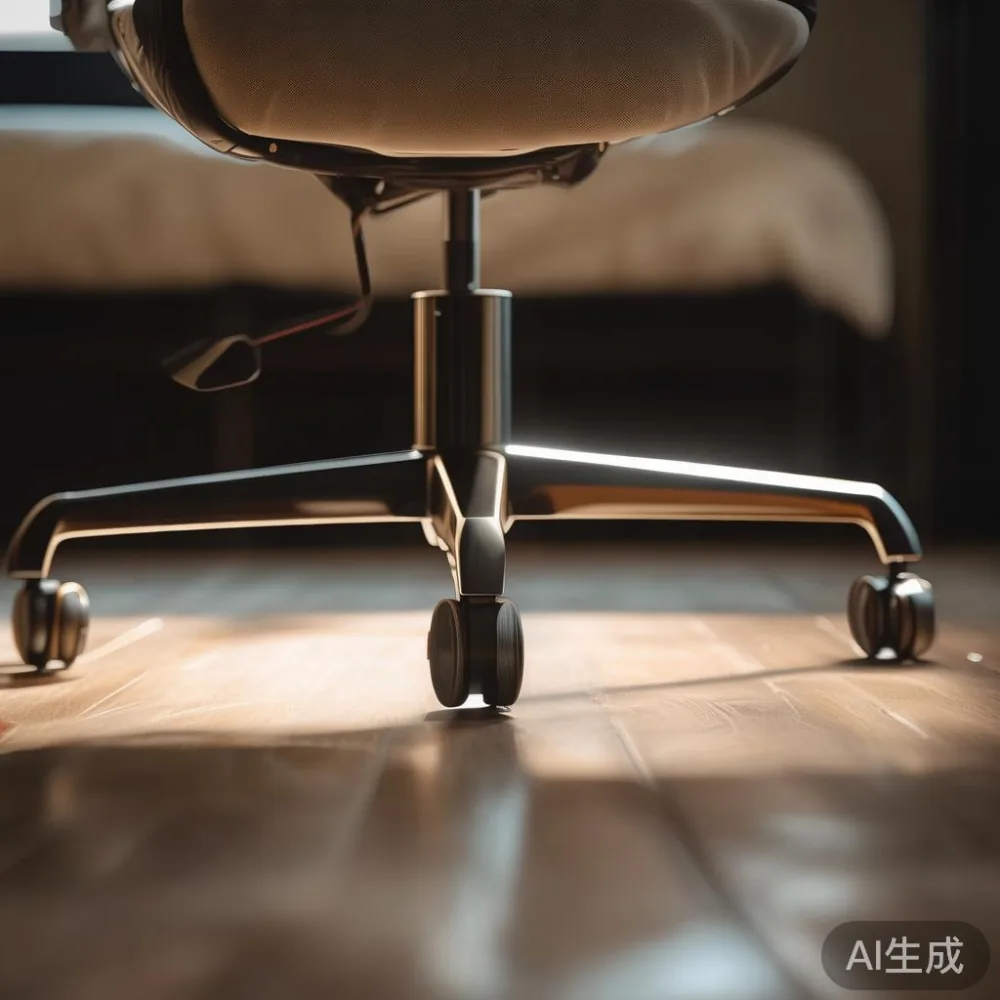
To make this comparison tangible, let's focus on a single, high-use item: an office chair. We will compare a high-quality veneer task chair with a solid wood ergonomic chair from a reputable maker like MIDHILL. This chair will be used for 8 hours a day, 5 days a week, for 5 years—a total of 10,400 hours of use.
Initial Investment (Year 0)
Veneer Chair: A well-made veneer task chair with a leatherette seat and back might cost SGD 800. It looks modern and fits perfectly into a contemporary Singapore apartment.
Solid Wood Ergonomic Chair: A solid wood ergonomic chair, featuring a bentwood frame and a premium mesh back, costs SGD 2,500. The price reflects the quality of the material, the craftsmanship, and the ergonomic design built to last.
Initial Difference: The veneer chair is SGD 1,700 cheaper upfront.
Year 1-3: The honeymoon phase
Both chairs perform adequately. The veneer chair maintains its sleek appearance. The solid wood chair, with its ergonomic features, provides excellent lumbar support, reducing back strain during long work sessions from home—a common practice for many in Singapore.
Maintenance Costs:
- Veneer Chair: Wiping with a damp cloth. Cost: SGD 0.
- Solid Wood Chair: Wiping with a damp cloth. Applying a wood conditioner once a year to prevent drying in our air-conditioned environment. Cost: SGD 50 per year, totaling SGD 150 for 3 years.
Total Cost by Year 3:
- Veneer Chair: SGD 800
- Solid Wood Chair: SGD 2,500 + SGD 150 = SGD 2,650
Year 4: The first signs of wear
Veneer Chair: The constant pressure on the armrests begins to show. The thin veneer layer starts to wear through, revealing the light-coloured MDF underneath. The leatherette seat develops a permanent indentation and small cracks. The chair no longer looks new. The structure feels slightly loose.
Solid Wood Chair: The chair shows character, not damage. The wood has a beautiful, natural patina. The ergonomic features continue to function perfectly. The wood conditioner application keeps the surface smooth and protected. The chair feels as sturdy as the day it was purchased.
Maintenance Costs:
- Veneer Chair: The owner tries a furniture touch-up pen to hide the worn spots. Cost: SGD 30.
- Solid Wood Chair: Regular wood conditioning. Cost: SGD 50.
Total Cost by Year 4:
- Veneer Chair: SGD 800 + SGD 30 = SGD 830
- Solid Wood Chair: SGD 2,650 + SGD 50 = SGD 2,700
Year 5: The breaking point
Veneer Chair: The armrest veneer is now peeling. The MDF core is exposed to the humid air, making it soft and prone to crumbling. The gas lift mechanism begins to fail, sinking slowly when the user sits down. The chair is now a safety and aesthetic liability. The owner has two choices: repair or replace.
Repair Cost (Veneer): A professional repair to re-veneer the armrests and fix the gas lift would cost approximately SGD 400. This is a significant portion of the original chair's value. The repair may not be perfect, and the underlying MDF damage remains a risk.
Replacement Cost (Veneer): The owner decides the repair is not worth it and buys a new veneer chair for SGD 800. The old chair is discarded.
Solid Wood Chair: The chair is still in excellent condition. It has been a reliable ergonomic companion for 5 years. The wood has a rich, warm glow that only improves with age. There are no structural issues, and all mechanical parts function as they should.
Maintenance Costs:
- Veneer Chair (Replacement): SGD 800 (new chair)
- Solid Wood Chair: Regular wood conditioning. Cost: SGD 50.
Total Cost by Year 5:
- Veneer Chair (Repaired): SGD 830 + SGD 400 = SGD 1,230
- Veneer Chair (Replaced): SGD 800 (original) + SGD 800 (new) = SGD 1,600
- Solid Wood Chair: SGD 2,700 + SGD 50 = SGD 2,750
Is a Solid Wood Ergonomic Chair Really Worth the Investment?
By year five, the financial picture has shifted. If the owner of the veneer chair chose to replace it, they have spent SGD 1,600 and have a brand-new chair that will likely follow the same 5-year degradation cycle. The owner of the solid wood chair has spent SGD 2,750 but owns a chair that could easily last another 10-15 years with minimal upkeep. The cost per year of use is significantly lower for the solid wood option.
But the value extends beyond money. A solid wood ergonomic chair becomes a piece of furniture you own, not one you consume. It doesn't end up in a landfill after half a decade. It’s a sustainable choice that aligns with a growing consciousness among Singapore homeowners. The initial higher cost is an investment in longevity, quality, and a more positive relationship with the objects in your home.
Resale Value and Aesthetic Longevity
One of the most overlooked aspects of furniture cost is its residual value. A 5-year-old veneer chair has virtually no resale value. It is considered dated and worn. A 5-year-old solid wood chair, however, is often considered a vintage piece. Its value may have depreciated, but it retains a significant portion of its worth. On platforms like Carousell or in second-hand furniture stores in Singapore, a well-maintained solid wood dining table or bed frame can fetch 40-60% of its original price.
Aesthetically, solid wood offers a timeless quality. A solid wood sofa or a European light luxury accent chair in a Singapore condo will look sophisticated and intentional for decades. Veneer furniture, on the other hand, follows design trends. A style that was popular 5 years ago can look dated and cheap today. The patina that develops on solid wood is seen as a sign of character, adding to its story and appeal.
Consider the challenge of moving homes. Transporting a veneer wardrobe can be risky; a knock could cause the thin veneer to chip or delaminate. A solid wood wardrobe, while heavier, is incredibly resilient. Its structural integrity means it can be disassembled and reassembled, or moved piece by piece, into a new HDB flat or condo, looking as good as new.
How to Style Solid Wood Furniture in a Singapore Home
Integrating solid wood into a modern Singapore home is easier than you might think. The key is to balance its natural warmth with contemporary elements. For instance, pairing a solid wood dining table with sleek, minimalist chairs creates a sophisticated contrast. In a living room, a solid wood sofa can be the anchor, complemented by light-coloured walls, marble table tops, and soft textiles.
For those exploring different styles, the choice of solid wood furniture can define the space. A French provincial sofa brings a touch of classic elegance, while a Japanese sofa vs French provincial sofa debate highlights the choice between ornate detail and minimalist simplicity. For a more global feel, an American sofa set design offers a sense of comfort and grandeur. The beauty of solid wood is its versatility; it can be stained dark for a moody, dramatic look or left light for a bright, airy feel, making it a perfect foundation for various aesthetics from post-modern light luxury to Japandi.
When considering storage, a solid wood wardrobe is a fantastic investment. Styling a Japandi wardrobe in an apartment involves keeping the lines clean and uncluttered. The natural grain of the wood itself becomes the primary decorative element, aligning perfectly with the Japandi philosophy of simplicity and natural materials.
MIDHILL Furniture: A Commitment to Quality and Peace of Mind
When choosing a solid wood piece, the maker's reputation and the warranty they offer are paramount. This is where a brand's commitment to quality becomes evident. A company that stands behind its products provides a safety net for the homeowner. For example, a 10-year structural warranty on a solid wood bed frame or dining table is a powerful statement. It means the manufacturer is confident that the joinery, the glue, and the material itself will not fail under normal use for a decade.
This long-term assurance is particularly valuable in Singapore, where furniture must withstand the unique climate and the wear of daily life. Knowing that a solid wood sofa or ergonomic chair is backed by such a warranty transforms it from a simple purchase into a long-term investment in your home and well-being. It eliminates the anxiety of potential future costs for structural repairs, allowing you to simply enjoy the beauty and functionality of the piece.
Also, practical considerations like delivery and returns policies add significant value. Free shipping over SGD 350 is a standard that makes acquiring multiple pieces of furniture more economical. A 14-day return policy provides a important period to ensure the item fits your space and meets your expectations. These details, often overlooked, are indicators of a customer-centric approach that simplifies the entire process of furnishing your home.
Final Verdict: The True Cost of Ownership
After a 5-year analysis, the cost comparison between veneer and solid wood furniture reveals a clear winner when you look at the total cost of ownership. While veneer may seem like the budget-friendly option initially, its shorter lifespan and higher long-term maintenance and replacement costs make it the more expensive choice over time.
Solid wood furniture represents a paradigm shift from a disposable to a durable mindset. It is an investment in quality, sustainability, and timeless design. The initial higher price is offset by decades of use, minimal maintenance, and the potential for resale. In the context of a Singaporean home, where space and quality of life are paramount, choosing solid wood is a decision that pays dividends for years to come. It’s about building a home with pieces that have a story, a purpose, and a lasting presence.