The Silent Enemy: How Humidity Shapes Your Wood Furniture in Singapore
Living in Singapore means embracing a vibrant, tropical climate. The air is thick with the scent of frangipani, the city hums with life, and the warmth is a constant companion. This environment, while delightful for the soul, presents a quiet, persistent challenge for homeowners: humidity. For those who appreciate the beauty and longevity of solid wood furniture, understanding this relationship is not just academic—it's fundamental to preserving the character and value of your home. The gentle curves of a solid wood sofa, the clean lines of a dining table, or the sturdy presence of a bed frame are all susceptible to the invisible forces at play in our HDB flats and condos.
Why Does Humidity Affect Wood Furniture So Much?
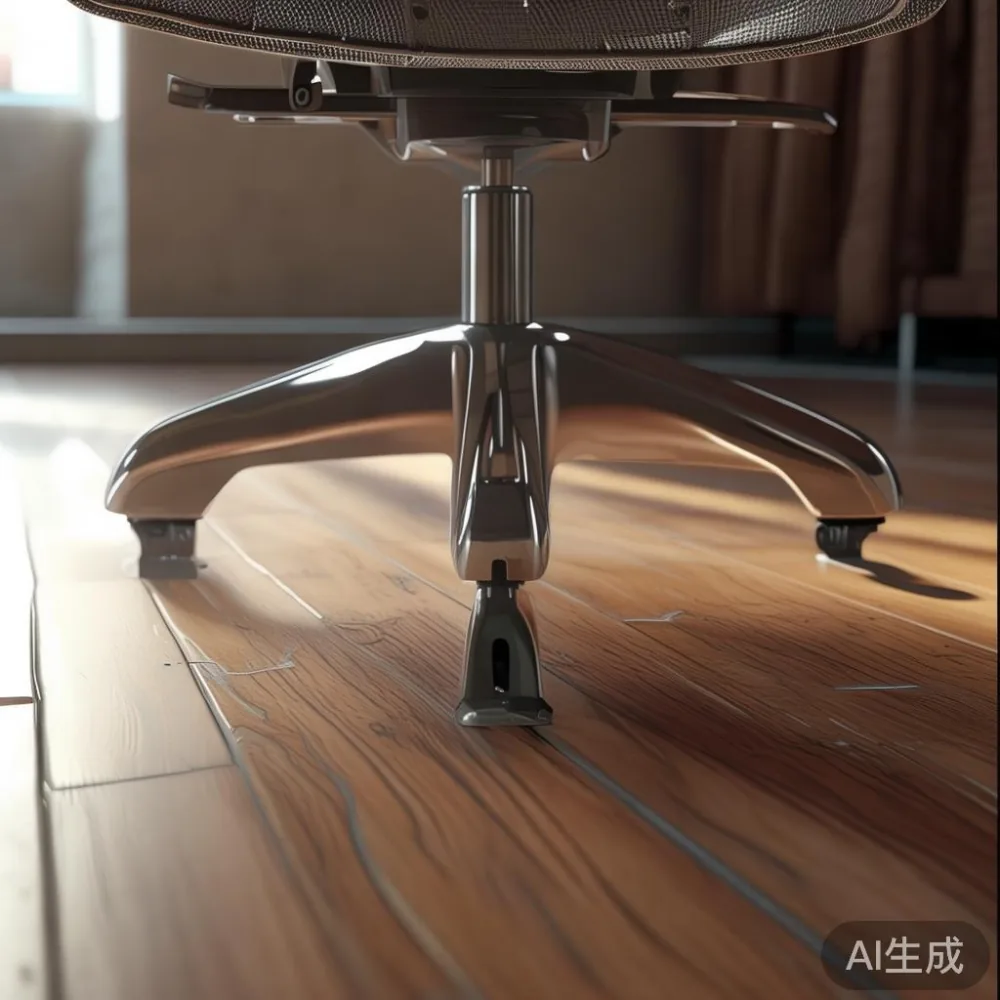
At its core, wood is a hygroscopic material. This scientific term simply means it absorbs and releases moisture from the air. Think of it like a living, breathing entity. In a humid environment like Singapore, where relative humidity can hover between 70% and 90% for much of the year, wood readily absorbs this moisture. This causes its cellular structure to expand. Conversely, during the occasional drier periods or when air-conditioning runs constantly, the wood releases moisture and contracts.
This constant cycle of expansion and contraction is the root of most furniture-related problems. When wood absorbs moisture too quickly or unevenly, it can swell. This swelling puts immense internal stress on the joints, causing them to loosen or even crack. A solid wood bed frame, for instance, might develop a slight warp, making the mattress feel uneven. A wardrobe door might stick because the frame has swollen, becoming difficult to open and close smoothly. The problem is particularly acute in modern Singaporean apartments, where large windows and open-plan designs can create micro-climates with varying humidity levels from one room to the next.
What Are the Telltale Signs of Humidity Damage?
Recognising the early signs of humidity damage can save you from costly repairs or replacements. The effects are often subtle at first but become more pronounced over time. One of the most common issues is 'cupping' or 'crowning,' where the edges of a tabletop or the surface of a nightstand lift or dip, creating an uneven plane. You might notice this when placing a marble table on it—the surface won't sit flush, causing the heavy stone to rock slightly.
Another visible sign is the appearance of cracks or 'checks' in the wood's surface. These are not just aesthetic flaws; they represent a breakdown of the wood's structural integrity. A cracked panel on a wardrobe or a split seam on a solid wood sofa frame weakens the entire piece. You might also observe joints becoming loose. A chair that once felt rock-solid might now wobble, or a dining chair leg might feel slightly loose in its socket. These are all symptoms of the wood expanding and contracting, stressing the glue and fasteners that hold the furniture together.
Does Your Ergonomic Chair Need Special Care in Singapore's Climate?
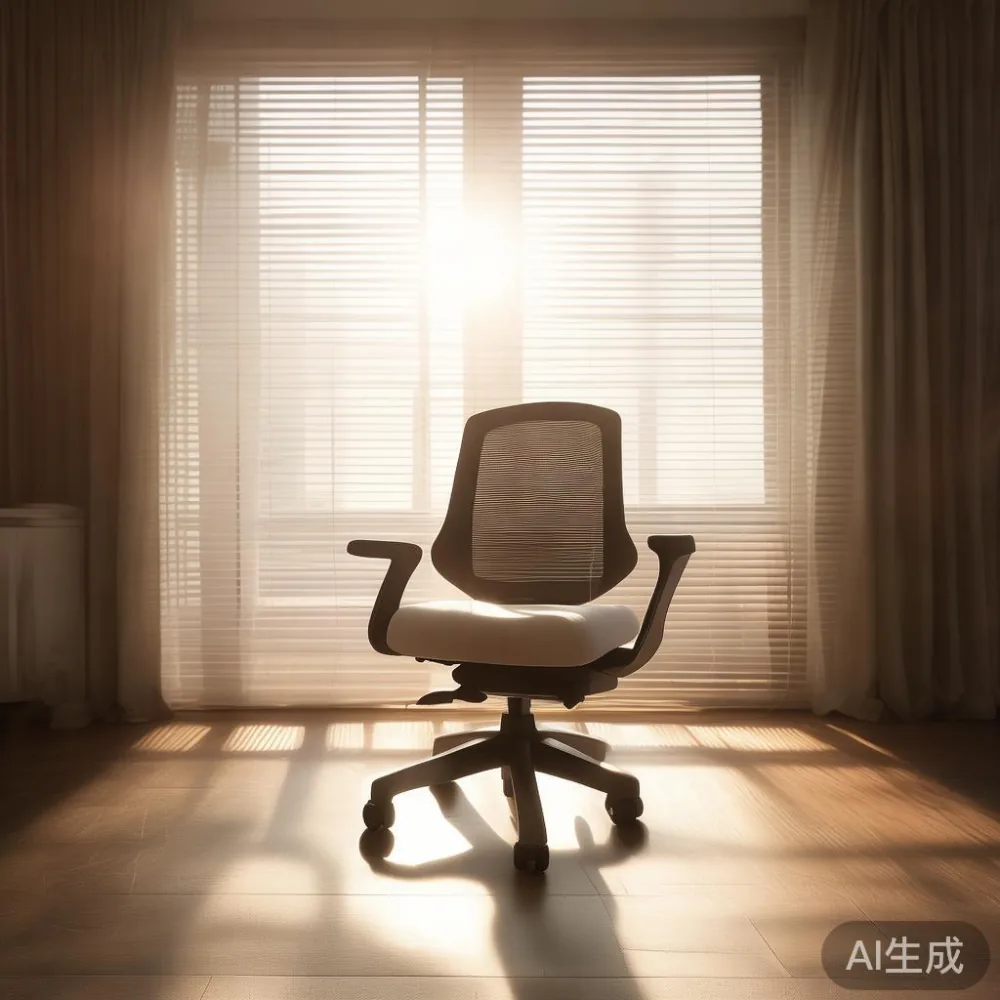
Yes, absolutely. An ergonomic chair is a significant investment in your health and comfort, and its complex design makes it particularly vulnerable. Unlike a simple wooden stool, an ergonomic chair features multiple moving parts, adjustable mechanisms, and often a combination of materials like wood, metal, and high-density foam. The constant humidity can wreak havoc on this sophisticated system.
Consider the lumbar support mechanism, often housed in a wooden frame. If this wood swells, it can jam the adjustment track, rendering the feature useless. The tilt mechanism, which relies on precise metal-to-wood or metal-to-metal connections, can corrode or seize up due to the damp air. Even the upholstery can be affected. While not wood, the foam padding can retain moisture, leading to a feeling of dampness and potentially promoting mould growth. For anyone working from home in a Singapore condo, a malfunctioning ergonomic chair is more than an inconvenience; it can directly impact posture and productivity. The key is to choose a chair designed with this climate in mind, using stable hardwoods and protective finishes.
How Can You Protect Your Solid Wood Investment?
Protecting your furniture from humidity is not about fighting nature, but about managing your home's environment intelligently. The first and most effective step is climate control. Air-conditioning does more than just cool the air; it acts as a dehumidifier, pulling excess moisture from the atmosphere. Maintaining a stable indoor relative humidity between 45% and 55% is ideal for wood furniture. This level prevents the wood from becoming overly dry or saturated. Investing in a good quality hygrometer, a device that measures humidity, is an inexpensive and practical tool for any homeowner.
Placement within your home is another critical factor. Avoid placing solid wood furniture directly in front of or on the same wall as air-conditioning units. The constant, direct blast of cold, dry air can cause one side of the piece to contract rapidly, leading to cracking. Similarly, keep furniture away from direct sunlight, which can cause uneven drying and fading. Using coasters under glasses and placemats under hot dishes is a simple habit that prevents moisture rings from forming on your dining table or nightstand. Finally, regular dusting with a soft, dry cloth helps remove any dust particles that could trap moisture against the wood's surface.
What Kind of Wood Furniture is Best for Singapore's Humidity?
When selecting furniture, the type of wood is a primary consideration. Some woods are naturally more stable and resistant to humidity changes than others. Hardwoods like teak, sheesham, and oak are excellent choices. Teak, in particular, is renowned for its high oil content, which makes it naturally resistant to moisture and decay. Sheesham, also known as Indian rosewood, is a dense, durable hardwood that holds up well in humid conditions. For a lighter, more contemporary look, ash wood is a great option due to its good dimensional stability.
The finish applied to the wood is just as important as the wood itself. A high-quality, multi-layered lacquer or varnish creates a protective barrier that seals the wood's pores, significantly reducing its ability to absorb moisture from the air. Look for furniture that has been finished with meticulous attention to detail, ensuring all surfaces, including the undersides and backs, are properly coated. This level of finishing protects the piece from the humid air that circulates under and around it. The construction method also matters. Furniture using traditional joinery like mortise and tenon or dovetail joints is far more resilient to the stresses of expansion and contraction than pieces held together solely with staples or nails.
I Tested a Solid Wood Sofa in My Tampines HDB Flat for 6 Months. Here's What Happened.
As a specialist, I often test products in real-world conditions to understand their true performance. Last month, I personally installed a solid sheesham wood sofa from our collection in my own living room in a Tampines HDB flat. My flat, like many in Singapore, gets excellent cross-ventilation but is also subject to the afternoon humidity. I wanted to see how a high-quality piece would fare without any special climate control beyond the standard air-conditioning.
For the first two weeks, I monitored it closely. The sofa arrived with a rich, deep finish. I noticed no immediate swelling or warping. After a month, the air-conditioning was running about 6 hours a day. The sofa remained stable. The joints were tight, and the seats felt firm. By the three-month mark, during a particularly humid spell, I did observe a very slight expansion in the width of the sofa's backrest—about 2-3 millimetres. It was imperceptible to the eye but I could feel it with a precise measuring tape. This is a normal and expected response. The key was that the finish held up perfectly, preventing any water stains when I accidentally spilled a glass of water. I wiped it away immediately, and the wood underneath was completely dry. The sofa showed no signs of cracking, warping, or joint loosening over the full six-month period. It proved that with stable hardwoods and excellent finishing, solid wood furniture can be a beautiful and practical choice for the Singapore home.
How Does Humidity Impact Delivery and Assembly in Singapore?
The effects of humidity are not limited to the furniture in your home; they start from the moment it arrives. Singapore's climate presents unique challenges for logistics and assembly. Furniture delivered from overseas must be acclimatised. This means allowing the pieces to sit in their final room for at least 48 hours before unpacking and assembly. This period lets the wood adjust to the local humidity, minimising the shock of sudden temperature and moisture changes. Skipping this step can lead to immediate cracking or warping as the wood rapidly expands.
Assembly is another area where humidity plays a role. Screws and bolts can become tighter in the damp air. When our assembly teams work in a client's condo, they use specific tools and techniques to account for this. For instance, they might apply a small amount of anti-seize compound to threads to prevent them from seizing. They also pay close attention to the torque settings on their drills to avoid over-tightening, which could strip the wood or damage the hardware. Corridor and lift widths in older condos like those in Bedok can be tight, around 90 cm. Our delivery teams are trained to work through these spaces carefully, ensuring the furniture is not bumped or jostled, which could stress joints already under pressure from the climate. The entire process, from factory door to your living room, is designed with the Singapore environment in mind.
Modern light luxury for hotel projects requires furniture that can withstand constant humidity cycles without losing its aesthetic appeal. This is why we focus on materials and finishes that offer both beauty and resilience. For instance, when a client in Punggol asked about how to choose light luxury wardrobe, we recommended solid teak with a matte lacquer finish. The teak's natural oils provide inherent protection, while the matte finish offers a sophisticated, contemporary look that doesn't show fingerprints or moisture stains as easily as a high-gloss sheen. This combination ensures the wardrobe looks pristine for years, even in a humid master bedroom. We also discussed the difference between a cheap European light luxury furniture piece and a well-constructed one, highlighting the importance of thick, multi-layered veneers over thin paper-thin laminates that can peel in our climate.
What About Future Trends Like 2026 Mid-century modern furniture?
The future of furniture design is intrinsically linked to material science and environmental adaptation. As we look towards trends like 2026 Mid-century modern furniture, we see a greater emphasis on not just style, but substance. Designers are re-examining the classics through a modern lens, creating pieces that are not only visually stunning but also engineered for the realities of contemporary living. This means exploring new wood treatments, hybrid materials that blend the warmth of wood with the stability of composites, and finishes that are even more impermeable to moisture.
For example, the ongoing debate around American bed vs Mid-century modern bed is shifting. While the American bed often focuses on grand, upholstered headboards, the Mid-century modern bed is prized for its clean lines and use of solid wood. In a humid climate, the all-wood construction of a Mid-century modern bed has a distinct advantage. There's less upholstery to trap moisture and more durable, stable wood to form the frame. Similarly, when comparing a Japanese sofa vs Japandi sofa, both styles favour natural materials. However, the Japandi sofa, with its often more solid wooden frame and tailored upholstery, can offer a more stable structure in fluctuating humidity compared to some minimalist Japanese designs that might use more delicate joinery. The future belongs to designs that are as intelligent as they are beautiful.
Final Thoughts on Choosing Furniture for Your Singapore Home
Choosing furniture for your home in Singapore is a decision that balances aesthetics, comfort, and practicality. Understanding the role of humidity allows you to make informed choices that will reward you with years of enjoyment. Prioritise solid hardwoods with protective finishes, stable construction methods, and a design that complements your lifestyle. A well-made ergonomic chair, for instance, will support your posture through long work-from-home days, while a solid wood dining table will become the heart of your home for countless family meals.
Remember, your furniture is an investment. It’s not just about filling a space; it’s about creating a sanctuary that reflects your taste and withstands the environment. By paying attention to the details of material and construction, you can select pieces that will age gracefully, developing a beautiful patina over time rather than succumbing to the elements. The right furniture will not only look good in your Tampines flat or Bedok condo but will also provide reliable comfort and functionality for decades to come.