Protecting Solid Wood Furniture from Southeast Asian Humidity
Singapore’s climate can change the moisture inside a solid wood dining table, wardrobe, bed frame, or ergonomic chair in ways that are easy to overlook. Relative humidity may sit between 70% and 90% for much of the year, while afternoon showers release moisture into an HDB flat or condo. Air-conditioning lowers humidity indoors, but frequent switching between cool rooms and humid corridors creates repeated expansion and contraction.
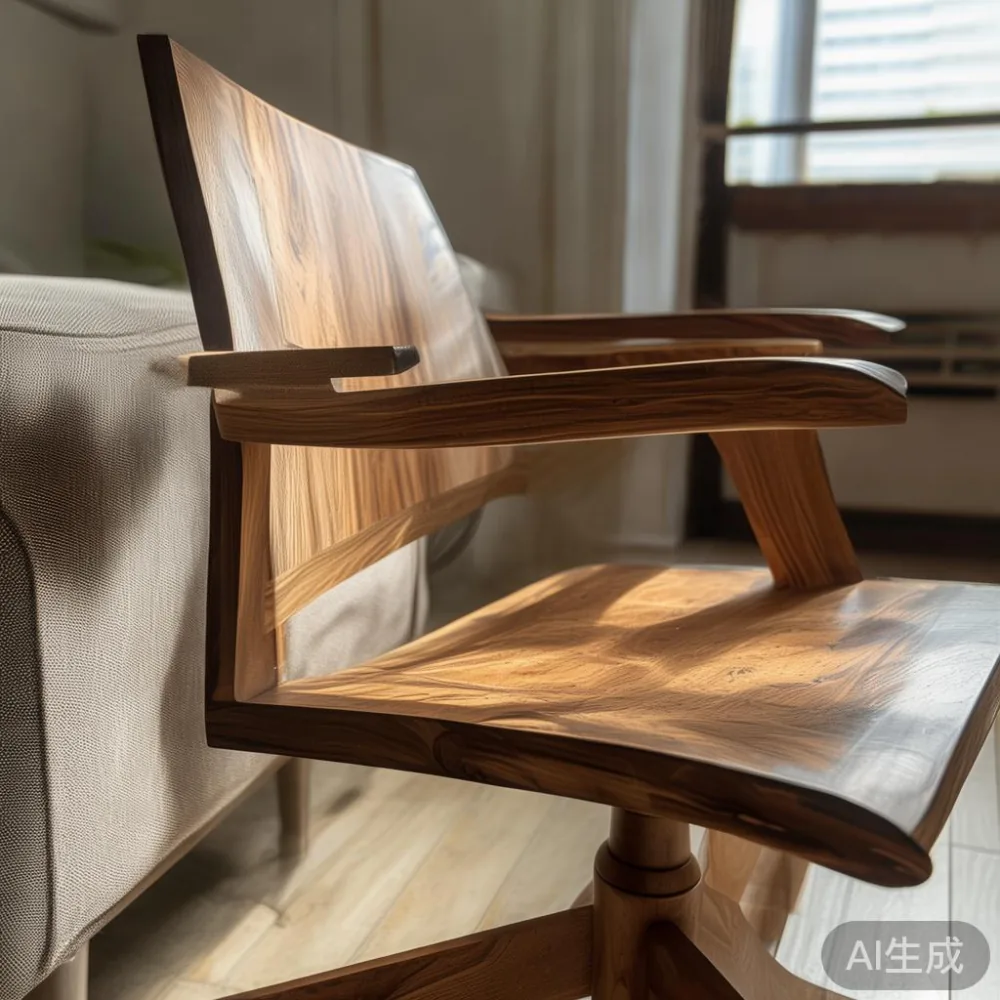
For MIDHILL, this is not a reason to treat solid wood as unsuitable for Tampines, Bedok, or Punggol. It is a reason to select stable timber, control the indoor environment, and follow a sensible care routine. The same care protects a French provincial sofa, a marble table, and a solid wood sofa throughout Singapore’s humid seasons.
What does humidity do to solid wood furniture in Singapore?
Wood is hygroscopic: it absorbs water vapour from the air and releases it when the air becomes drier. A high-humidity month may cause boards to swell by roughly 1–3 mm across a 100 cm width. That movement can produce slight gaps, drawer tightness changes, or a door that no longer sits squarely against its frame.
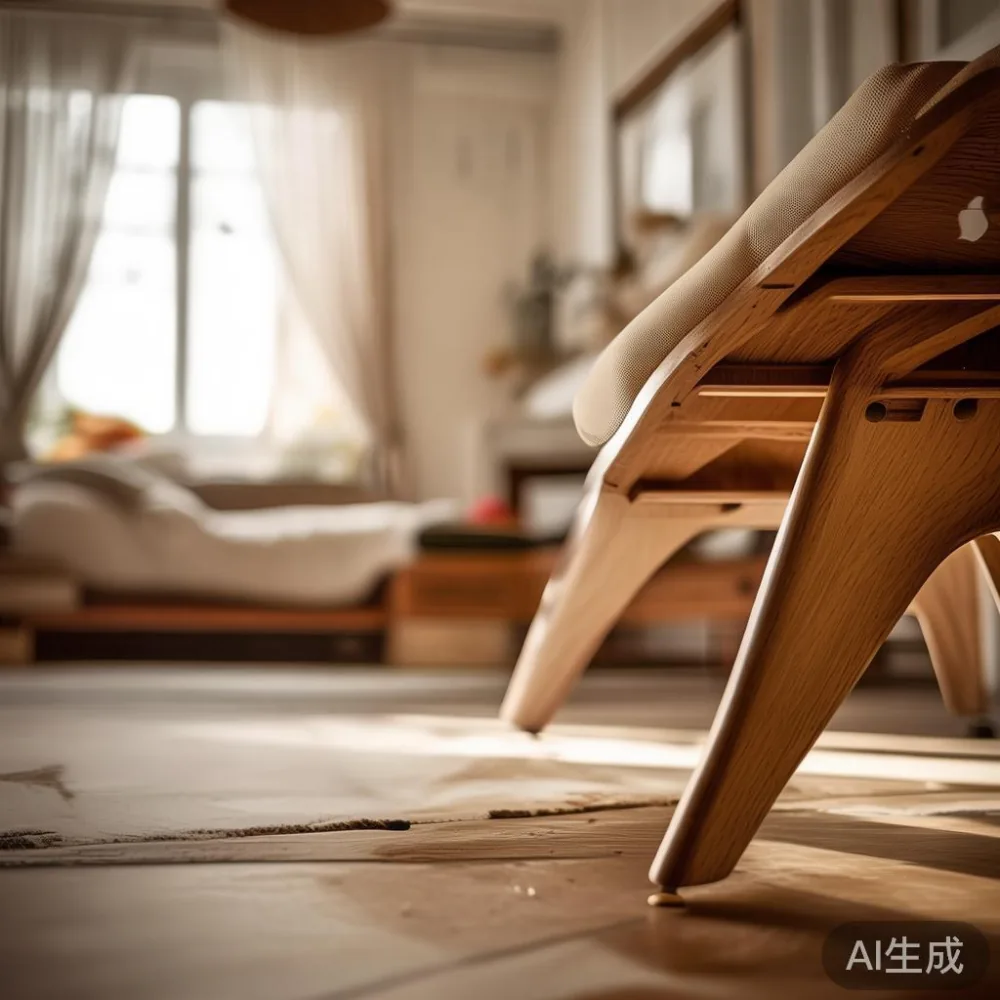
The movement is usually manageable. Problems become more likely when humidity remains above 70% for long periods, especially if the furniture stands against an external wall, near a bathroom, beside a window, or directly in the path of a lift lobby’s humid air. A solid wood bed frame may also rub more firmly against a tiled bedroom wall as its timbers expand.
Conversely, an aggressively air-conditioned room can fall below 45% relative humidity. Rapid drying can cause fine checks, particularly in thinner components such as a nightstand top, chair arms, or table apron. A reasonable target for most wooden interiors is 45–65% relative humidity, with modest changes rather than sharp shifts.

Customers searching for the best Coastal wardrobe for 2026 should pay attention to door clearances and installation conditions, not only colour samples. A coastal design suits Singapore’s relaxed light-luxury interiors, but pale finishes can show water marks and surface movement sooner than deeper-toned finishes.
How much space should Singapore homeowners leave around furniture?
Humidity control needs airflow. Leave about 5–8 cm behind a wardrobe for ventilation, where the installation manual permits it, and around 10–15 cm between large furniture and exterior walls. Avoid pressing a solid wood dining table against a wall that receives little air. Kitchen and laundry humidity deserve special attention because they can migrate into adjacent rooms.
For an ergonomic chair, allow roughly 60 cm of clear floor space behind the backrest for recline and movement. Most models need a 70 × 70 cm usable area, while a wider 75 × 75 cm zone is more comfortable beside a desk. Keep the chair at least 30 cm from a direct air-conditioning vent, and do not place it in a laundry balcony or bathroom.
Singapore’s lift and corridor dimensions also affect furniture delivery. A sofa packed into a 120 cm-wide common corridor may require tilting, while a 210 cm long dining table may not clear a turning corner. Check the lift door, lift car, landing, and unit entrance before ordering. A 15 kg solid wood nightstand may be manageable for 2 people, but a 95 kg dining table can require 4 movers and a 20–30 minute carry-in.
Which wood types handle Southeast Asian humidity better?
Teak, oak, ash, and rubberwood are commonly selected for solid wood furniture, but every species responds differently. Teak has natural resistance to moisture and is often used for bathroom or balcony pieces. Oak can be durable when properly sealed, although its open grain may collect surface moisture. Ash moves predictably and can suit refined American light-luxury interiors. Rubberwood offers another workable option for painted modern French provincial furniture.
Stability also depends on construction. Kiln-dried timber should arrive with a moisture content suitable for local use; for normal Singapore interiors, approximately 8–12% is a useful reference. Look for furniture that uses solid wood panels rather than thin decorative skins over unstable composite boards. Drawer boxes should have proper bottom panels, and joints should be designed to allow seasonal movement.
Marble requires a different moisture strategy. A marble table does not absorb atmospheric moisture in the same way as timber, but its stone, base, adhesive, and supporting surface may react differently. Keep it away from standing water, use a stable support, and wipe spills promptly. A wardrobe or bed frame should never share a leaking balcony threshold.
What is the best humidity level for a Singapore bedroom?
A bedroom should generally remain between 45% and 60% relative humidity at 24–28°C. A hygrometer costs about SGD 12–35 and provides a practical baseline. Place one in the room where furniture is used rather than relying on a weather app, because a bedroom can differ from the balcony by 15–25 percentage points.
Run air-conditioning for about 2–4 hours before sleep, then use a dehumidifier or ventilation when practical. Keep the bedroom door partly closed during the day so that moisture from the corridor does not collect around a wardrobe. Clean dehumidifier filters every 2–4 weeks, and empty the tank every 1–3 days during wet periods. A device rated for 20–30 litres per day is suitable for many HDB bedrooms of 35–50 m².
In a condo, coordinate with building management if a persistent moisture source appears on a common wall. Repeated condensation can affect skirting boards, paint, electrical fittings, and furniture alike. The 10-year structural warranty offered by MIDHILL addresses structural quality, but it does not make uncontrolled water exposure harmless.
How should I care for a solid wood dining table in a humid HDB flat?
Clean the table with a soft cloth lightly dampened with water, then dry it immediately. Avoid soaking edges, joints, and carved details. Puddled water can enter end grain even when the tabletop looks well sealed. Wipe drinks within 5 minutes, and use coasters or mats with a waterproof underside. Do not leave hot sauce pans, damp linen, or flower vases directly on the surface for more than 30 minutes.
Modern light luxury for dining room layouts works best with restrained objects that do not trap humidity against the wood. A marble centerpiece should have protective pads beneath its base. For dining-room inspiration, Modern for dining room design often pairs pale timber with cream upholstery and simple metal accents, creating a calm post-modern light-luxury setting without overcrowding the table.
Re-oil or renew the finish according to wear and the finish system, not simply because a month has passed. Some customers over-oil a surface every 2 weeks, creating a sticky build-up. Follow the product guidance and test an inconspicuous area first. If the finish is water-based, a replacement cycle may be needed after 12–24 months of normal use.
For shoppers asking where to buy coffee table from MIDHILL, compare dimensions, timber, finish, and delivery terms rather than assuming one style suits every room. A 110 × 55 cm coffee table needs about 45 cm of clearance from a sofa for comfortable circulation, and a 35 kg model may need 3 people for delivery into a high-rise unit.
Can Singapore humidity damage a French provincial sofa or an ergonomic chair?
Humidity affects the frame, joints, upholstery, and floor contact points, although each material has a different response. For a solid wood sofa or French provincial sofa, inspect the frame for looseness every 6 months and keep damp rooms out of the fabric’s immediate environment. Upholstery can develop mildew if it remains wet or sits in persistently humid air.
Vacuum upholstered pieces every 1–2 weeks and allow ventilation for 20–30 minutes after cleaning. Keep synthetic cushions 20–30 cm away from an external wall if condensation is visible. Do not use a steam cleaner on delicate upholstery unless the care label permits it, because added moisture may encourage odour or deformation.
For an ergonomic chair, verify the seat height, lumbar support, arm position, and tilt mechanism in the actual room. A chair that performs well in a showroom can feel unstable on a slightly uneven surface or difficult to use in a compact HDB study. Look for adjustable lumbar support across at least 8–12 cm of vertical range and a seat depth appropriate to the user. The humidity-related concern is less about softening the chair and more about protecting its joints, mechanisms, and wood components from dampness.
Buyers considering how to choose French provincial sofa should check the frame material, cushion density, removable covers, and lift-access route before purchase. The frame should provide stable support, and the sofa should fit the intended doorway with 2–5 cm of maneuvering margin. Many Singapore buyers also compare home trials with local comfort, since imported furniture can be designed for different room proportions and climate habits.
How should I move and install furniture in high-rise homes?
Measure the route before delivery day: the car or van, loading bay, corridor, lift doors, lift car, staircase, and apartment entrance. HDB corridors may be about 120–150 cm wide, while some lift cars are around 100–140 cm deep and 110–140 cm wide. Condo service lifts can offer more space, but building rules still apply.
Protect solid wood parts during the move. Wrap table edges with 5–10 mm padding, secure doors and drawers, and lift a wardrobe by its base rather than dragging it. Disassemble large units where the design allows. Allow the furniture to acclimatise for 24–72 hours in the final room before tightening fittings or positioning decorative objects closely against it.
For a dining table, assemble on a clean blanket and check the top for level before filling it with chairs and tableware. For a bed frame, leave 5–8 cm from wall panels where possible, especially on a wall facing an external façade. For a wardrobe, confirm that door fronts do not scrape neighbouring millwork when the season changes.
Delivery can take 5–12 working days for stock arrangements within Singapore, while made-to-order pieces may need 6–10 weeks. GST applies at the prevailing rate, and delivery over SGD 350 is free under MIDHILL’s stated offer. Confirm the final packaged dimensions, lift booking, and any staircase surcharge before payment.
How often should I inspect furniture for humidity damage?
Set a 6-month inspection routine. Check drawer runners, wardrobe hinges, chair joints, table edges, and any finish that feels tacky or shows pale water rings. Look for gaps wider than 2 mm, doors that catch, or surfaces that feel unusually damp. Lift coasters and mats so air can circulate underneath them.
Wipe exterior surfaces monthly with a dry or barely damp cloth. Clean spills immediately, keep standing water away, and inspect beneath sinks, washing machines, and air-conditioner drip trays. A moisture meter designed for wood, priced around SGD 25–80, can help identify damp patches, but it should support—not replace—visual checks and professional advice.
Do not attempt major sanding or refinishing during a humid spell if the room cannot be kept below about 60% humidity. If a surface is already damaged, photograph the area, identify the moisture source, and contact the supplier. MIDHILL provides a 10-year structural warranty and lifetime refinishing, with returns accepted within 14 days under the applicable policy. For product questions or delivery planning, midhillco@gmail.com is a useful contact.
What should I do if solid wood starts to swell or develop gaps?
First stabilize the environment. Measure humidity with a hygrometer, reduce persistent dampness, and avoid sudden heating or cooling. Small seasonal movement often settles when conditions become stable. Do not force a swollen drawer, plane a door yourself, or apply excess oil to a damp surface.
Next, check installation. A tight-fitting wardrobe may have been pushed too close to a wet wall, or a table may be pressed against a radiator-like heat source. Leave the recommended airflow space and allow the timber to return gradually over 2–6 weeks. Keep heavy loads distributed evenly so one area does not amplify cupping.
For structural movement, contact MIDHILL with photographs, room humidity readings, purchase details, and the date the issue appeared. A written record helps distinguish seasonal expansion from a manufacturing or installation problem. Avoid claiming that one species, finish, or room is entirely unaffected by humidity; proper construction and environmental care make the practical difference in daily use.
How can I buy furniture that stays comfortable through Singapore’s wet seasons?
Begin with the room, not the photograph. Measure the space, check the delivery route, identify moisture sources, and choose furniture with stable solid wood construction. Confirm that all dimensions are in centimetres and ask for packaged weight before booking a lift. Choose finishes with suitable sheen and easy maintenance, then arrange realistic ventilation around wardrobes and beds.
For chairs, test the ergonomic chair in a similar setting to your intended study, sit for 15–20 minutes, and adjust the lumbar support and armrests. For dining, check knee clearance beneath the table and the distance between chairs—at least 60 cm is comfortable, while 75 cm is easier in a busy HDB dining area. For storage, open and close drawers and doors repeatedly; alignment matters more than decorative detail.
Singapore’s humidity calls for attentive care, not avoidance. Stable indoor conditions, sensible placement, and prompt spill removal allow a solid wood dining table, bed frame, wardrobe, nightstand, marble table, and ergonomic chair to remain useful for many years. A French provincial sofa or modern French provincial furniture setting can fit local homes well when ventilation and material care are planned from the start.