How to Protect a Lacquered Solid Wood Chair in Singapore’s Humid Climate
A lacquered surface can make an ergonomic chair look precise, calm and expensive, but Singapore’s heat, humidity, dust and strong sunlight demand a measured care routine. In a Tampines HDB flat, a dining chair may move between an air-conditioned living room and a humid corridor several times each day. In a Bedok condo, an ergonomic chair near a west-facing window may receive several hours of direct afternoon sun. Even a Punggol home can experience condensation during a sudden rainstorm because the chair is close to an open balcony door.
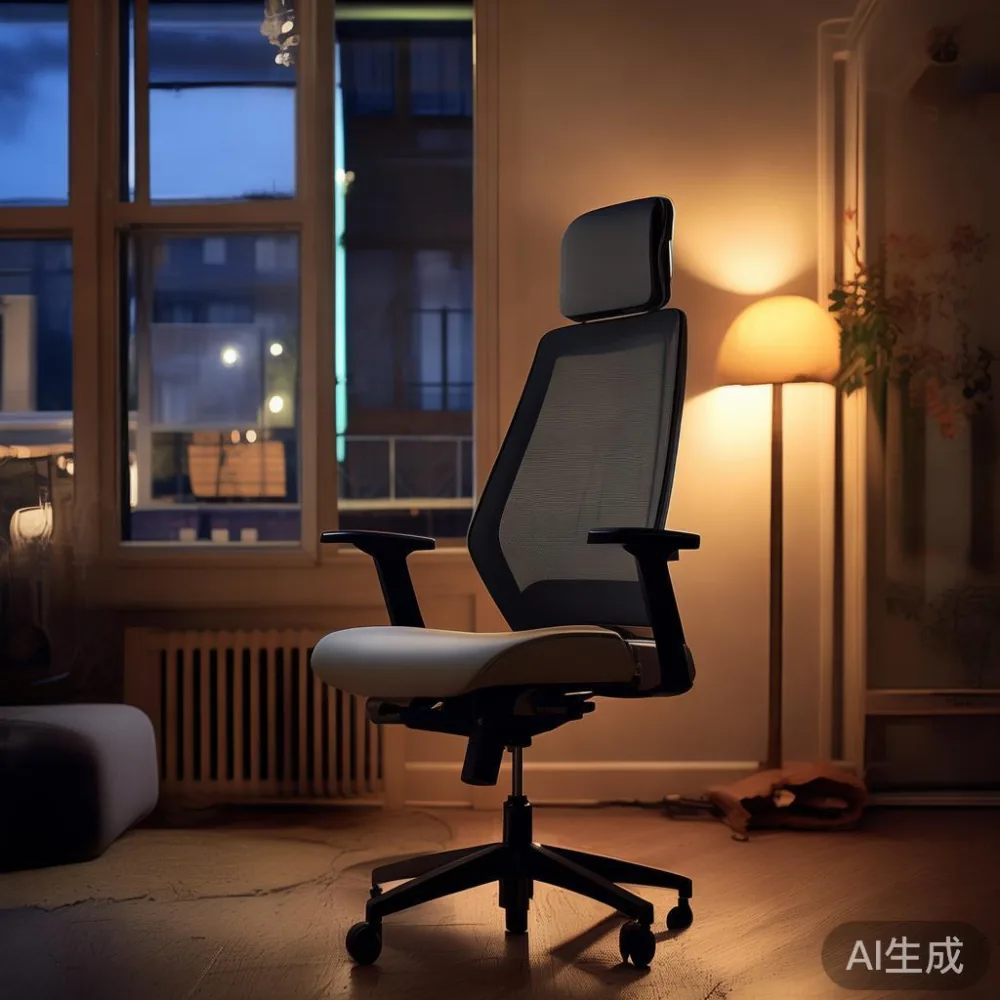
The lacquer is not the solid wood itself; it is a thin finishing layer over the timber. That distinction matters because aggressive chemicals, abrasive cloths and high-pressure cleaning can damage the coating before they reach the wood. Gentle care preserves the sheen, while sensible placement limits the stress placed on one panel.
At MIDHILL, solid wood pieces are made with long service lives in mind. The company has operated since 2008, exports to more than 15 countries, provides a 10-year structural warranty and offers lifetime refinishing. These details do not replace daily care, but they provide useful support if a lacquered ergonomic chair later needs attention.
What makes tropical lacquer care different?
Singapore’s climate is not difficult only because it is wet. The real challenge is the repeated movement between water vapour, condensation, UV light, heat and household oils. A room may sit at 26°C and 60% relative humidity, then warm to 31°C near a window within 20 minutes. A lacquered chair can therefore experience small surface-temperature changes across its backrest, seat rail and armrests.
Wood also responds gradually to humidity. Solid timber can swell across its grain by around 1% to 3% under severe moisture changes, although furniture-grade pieces and lacquered surfaces may move less visibly. The finish should flex with the timber; a brittle or heavily built-up coating is more likely to show fine cracks. Keeping the chair away from dripping air conditioners and open windows reduces repeated wet-dry cycling.
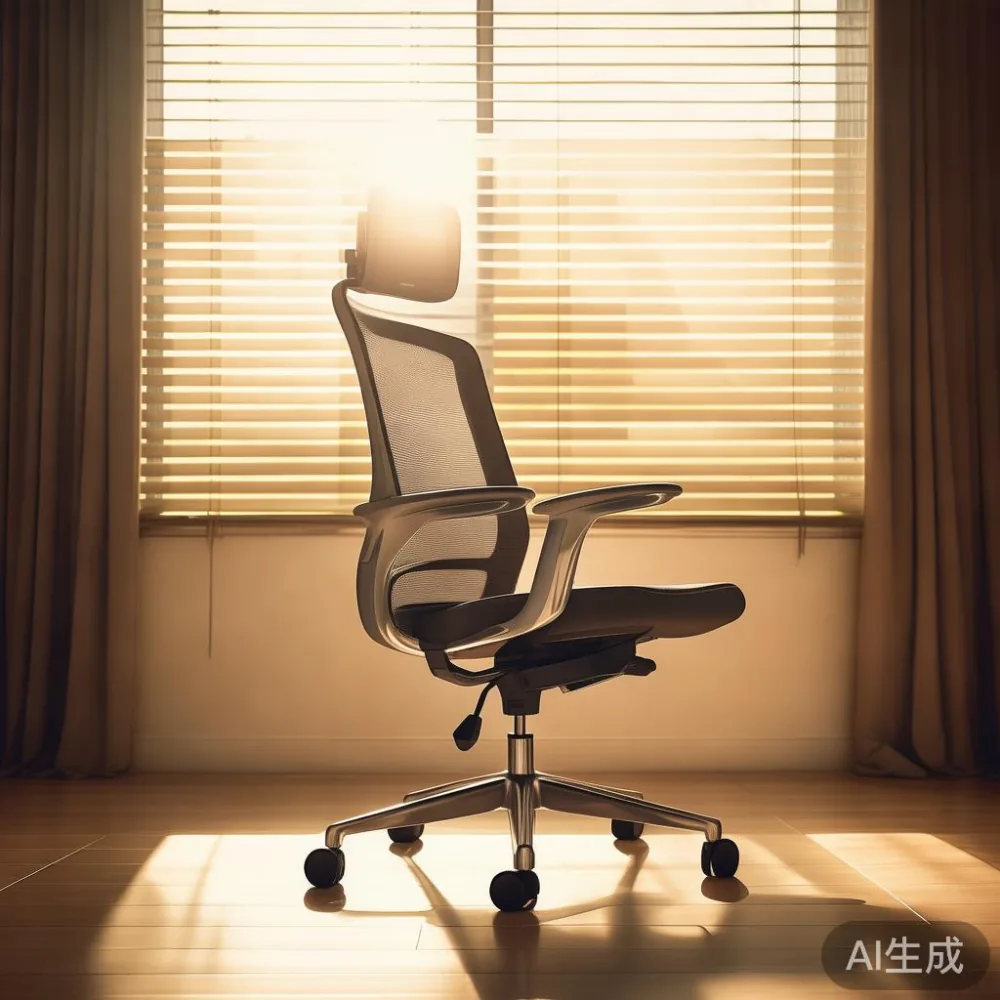
Sunlight needs equal attention. A window that admits visible afternoon sun can deliver much more UV exposure than a shaded corridor. Lacquer may fade gradually on one side while the protected side retains its original tone. If the ergonomic chair sits beside a west-facing condo window, keep it at least 60 cm away from the glass, or use a curtain during the brightest 2 hours of the afternoon.
Cleaning frequency should reflect actual exposure. Dust with a soft cloth every 7 days in a typical HDB home. Wipe the lacquer every 2 to 4 weeks, or sooner if the chair is near a kitchen, balcony or frequently handled doorway. After spills, clean the area within 5 minutes rather than leaving liquid overnight.
How should I clean a lacquered ergonomic chair safely?
Begin by removing dust with a dry microfibre cloth. Vacuum upholstery crevices on the lowest suction setting, preferably below 60 kPa, and keep the nozzle away from lacquered controls and adjustment levers. Grit trapped beneath the wheels can scratch a surface when the chair rolls across the floor.
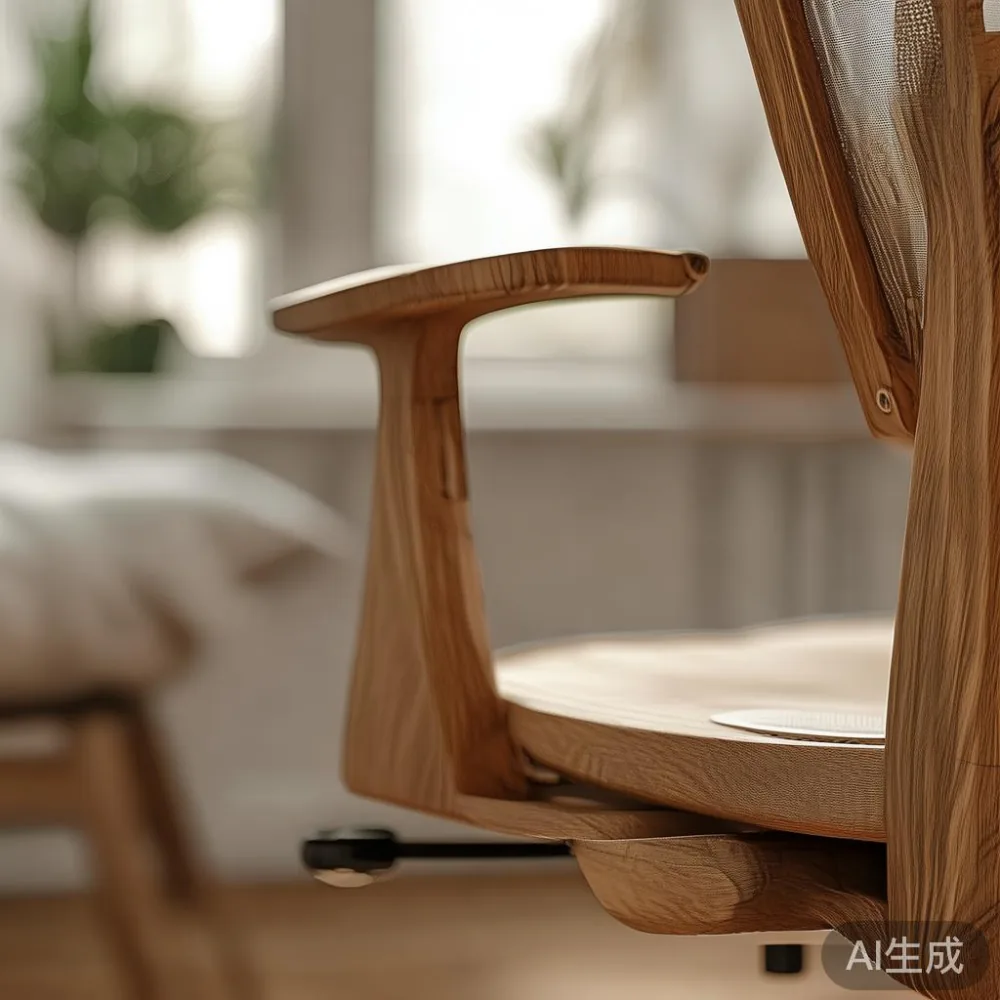
For the lacquer, mix 2 cups, about 500 ml, of lukewarm water with 1 teaspoon, roughly 5 ml, of mild pH-neutral dish soap. Dampen a clean microfibre cloth rather than spraying the chair. The cloth should feel slightly moist, not wet; hold it against the wrist and expect only a few drops to fall. Wipe in the direction of the timber grain or along the panel, then use a second dry cloth to remove moisture.
Avoid bleach, ammonia, alcohol, acetone, furniture polish containing silicone, and household disinfectant wipes unless the finish manufacturer approves them. Strong solvents can soften or dull lacquer. Paper towels and rough sponges can leave fibres or faint scratch marks. A clean cotton cloth can work, but it should not carry visible grit.
Test the mixture on a concealed area, such as the underside of the seat, and wait 24 hours. This interval is long enough to reveal dulling or colour change without leaving the tested area permanently marked. If the finish develops a cloudy patch, rinse that area with plain water and dry it immediately.
Do not use a steam cleaner. Steam forces moisture into joints, can loosen adhesive under upholstered panels and raises the finish temperature. Avoid filling a lift with wet cleaning equipment or wiping the chair immediately after a rain-soaked delivery. Let the wood return to room temperature for at least 6 hours before treating any damp areas.
How much humidity and heat should a lacquered chair tolerate?
For daily indoor comfort, a relative humidity reading around 45% to 60% is sensible. Singapore homes frequently sit above 60% during humid periods, but the chair should not be deliberately placed in condensation or direct rain. A digital hygrometer placed near the chair can help identify persistent exposure; one model costs about SGD 18 to SGD 35.
Measure near the seat and backrest rather than beside an air-conditioning vent, where readings can vary by 5% to 10% within 30 cm. Keep the chair at least 30 cm from a wall if cool air causes condensation, and at least 1 metre from a humid balcony opening during heavy rain.
Temperature changes of 3°C to 5°C per hour are more manageable than a quick jump of 15°C. This makes gradual placement helpful. When bringing a lacquered piece into an air-conditioned flat, leave it in the lift lobby or living area for 30 minutes before positioning it fully in the cold-air zone. The same principle applies to solid wood sofa, bed frame, dining table, wardrobe, nightstand and marble table surfaces; stable placement protects every finish.
Small ventilation gaps help too. Avoid pressing the chair tightly against curtains or cabinet doors. Leave about 5 cm behind the backrest and 10 cm near the armrests when space allows. This is particularly useful in compact HDB interiors, where furniture often shares a narrow corridor with sliding-door tracks and air vents.
Will spills, stains and scratches spoil the finish?
Water rings are usually easier to address than oily stains. Blot coffee, tea, juice or cleaning fluid, then wipe with the diluted soap solution. A damp cotton cloth can lift residue, but repeated soaking is less suitable because it may swell the lacquer or expose a seam. For a persistent mark, use a soft plastic scraper held almost flat, not a metal blade.
Skin oils from hands collect on adjustable armrests, headrests and the front edge of the seat. They often produce a slightly darker patch after several weeks rather than an immediate stain. Clean those areas every 14 days during frequent use. Do not rub the mark aggressively; gentle circular motions over 30 seconds are enough.
Pencil marks can sometimes be removed from a compatible lacquer with a clean white eraser used with light pressure. Test first, because eraser grit can abrade some finishes. Felt-tip marks, paint and adhesive should not be picked with a nail. Use a conservator or the furniture supplier’s refinishing service instead.
A lacquered chair may receive light scratches from pets, sandals or moving equipment. Use coasters and place mats under nearby work surfaces. For a solid wood dining table, marble table or nightstand, the same rule applies: coasters should be at least 2 mm thick and slightly larger than the object’s base. On an ergonomic chair, avoid placing cups and laptops directly on the armrests because impact can mark the surface or affect the adjustment mechanism.
Can light-luxury design change the care routine?
Light-luxury styles often use restrained colours, visible timber and smooth lacquer, so the finish becomes part of the design rather than a decorative afterthought. French light luxury, American light luxury and post-modern light luxury can all suit a compact Singapore apartment, provided the proportions are controlled.
A light-toned lacquer shows dust more clearly than a dark finish, while a high-gloss surface makes fingerprints and water marks visible under downlights. A satin finish may be more forgiving in a family home because it diffuses reflections and hides minor handling marks. Neither finish should be judged by shine alone; inspect it under daylight and under a warm 3000K lamp before buying.
Material planning matters in narrow homes. Measure a condo lift before delivery: a standard residential lift may be about 110 cm wide and 210 cm deep, but building-specific clearances can be much smaller. A solid wood wardrobe may fit upright but not on its side, while a bed frame often needs a different route through a corridor. MIDHILL can plan delivery around the measured lift opening, turning radius and door width, although the receiving party should confirm access before dispatch.
Singapore buyers comparing under 2000 Modern furniture should check whether the quoted price is SGD, whether GST is included, and whether the lacquer colour is a factory option or a later touch-up. Requests for cheap light luxury furniture should be evaluated by finish quality, joinery, hardware and after-sales support rather than by a low headline price. A clear warranty can matter more than an extra decorative moulding.
Other product categories deserve the same exacting inspection. A MIDHILL sofa needs its upholstery protected from heat and dampness; a marble table needs stable support and gentle cleaning; a solid wood dining table needs coasters and controlled water exposure. A wardrobe benefits from door-hinge checks every 6 months, while a nightstand should stay away from open windows. The categories can share a finish-care method without treating them as identical products.
How often should a lacquered chair be maintained?
A simple calendar reduces the chance of damage. Dust weekly, inspect the finish monthly, and clean visible marks immediately. Check the frame and adjustment hardware every 3 months. Tighten a loose screw only to the manufacturer’s specified torque; excessive force can damage the joint or strip a threaded insert.
For a heavily used ergonomic chair, lubricate moving parts only with the lubricant recommended by the supplier. Put 1 to 2 drops beneath a pivot or lift mechanism, wipe away excess, and test through 10 complete height or tilt cycles. Do not spray lubricant onto the lacquer, seat fabric or a marble table nearby.
Keep a care log for 12 months. Record the date, humidity, cleaning product and any finish change. This is useful for spotting whether a mark comes from sunlight, cleaning or ordinary handling. Photograph the chair in daylight at the start and end of each quarter; consistent lighting makes small differences easier to see.
For larger purchases, ask for a written finish-care sheet, a spare lacquer colour reference and a recommended repair contact. MIDHILL’s lifetime refinishing policy should be understood before delivery: review what is covered, which transport or care conditions apply, and whether refinishing is performed at the factory or through an approved local service.
What should I do before a new lacquered chair arrives?
Prepare the room before the delivery team arrives. Measure the lift doors, lift car, corridor turns, threshold and final chair position. Remove rugs, shoes and toys from the route. A chair requiring assembly should be assembled in the living room, not across a busy corridor, so the frame is not struck while being carried.
Allow for the chair’s full recline or tilt. A compact ergonomic chair may measure 62 cm wide, 68 cm deep and 108 cm high, but an extended headrest or footrest can increase the usable footprint to 130 cm. Confirm that nearby furniture leaves at least 30 cm of operating space where movement is needed.
After arrival, inspect the lacquer under neutral daylight before accepting the piece. Check for runs, trapped dust, colour variation, chips and scratches along edges. Photograph any issue within 24 hours, including the delivery label and protective-film condition. Do not remove protective film until the chair is in its final location, or adhesive residue may remain on the finish.
Ventilate the room for 1 to 2 hours after unpacking, especially if the chair arrives in a protective bag. Wipe only the exterior with a dry cloth at first. If a shipment has picked up moisture in Singapore’s humid weather, let the chair acclimatise at room temperature for at least 12 hours before applying the mild cleaning solution.
What delivery and service details should Singapore buyers confirm?
Check the quotation in SGD before payment. Confirm whether 9% GST is shown, whether delivery is included, and which service lift and floor are covered. A move to a Punggol flat may involve a longer corridor route than a nearby Bedok unit, so access charges should be explained in advance rather than discovered at the lift lobby.
Ask for the expected delivery window rather than relying on a single day. A local stock item may arrive within 3 to 7 days after payment, while a made-to-order chair can take 6 to 10 weeks. For a custom lacquer finish, allow another 2 to 4 weeks depending on sample approval and production scheduling.
Check the returns window and condition rules before assembly begins. Keep packaging, hardware and instructions if the chair must be returned. Do not place the chair under a wet balcony roof or in a corridor where trolleys and delivery carts regularly strike the frame. Those practical protections often preserve lacquer better than any special product.
Can a lacquered ergonomic chair stay beautiful near a balcony?
Yes, with distance and observation. Keep a balcony-side chair at least 1 metre from the opening during rain, or move it indoors when visibility outside drops sharply. Use a sheer curtain to soften sunlight while preserving airflow. In a compact condo, this may mean placing the ergonomic chair near an interior wall and using a floor lamp instead of direct window light.
For a dining setup, inspect the chair after guests leave. Wipe crumbs and damp fingerprints, then check under the seat and along the armrests. Spills should be treated within 5 minutes. A solid wood dining table nearby may show a water ring before the chair does, because liquids often spread across a larger horizontal surface.
Some buyers use the phrase is French provincial bed worth it when considering a matching bedroom arrangement. The answer depends on proportions, storage needs and the room’s light, not on a decorative label alone. A French provincial bed frame may suit a Tampines flat with a generous 120 cm to 150 cm width, but a smaller bedroom might benefit from a slimmer profile and bedside clearance.
For a guest room, Mid-century modern for guest room planning can work well with a lacquered ergonomic chair used as a dressing chair. Keep the palette warm, provide a 45 cm clear zone beside it, and protect the floor with a washable mat. If the guest room receives strong afternoon sun, select a curtain that filters at least 60% of direct light while allowing ventilation.
Shoppers asking about the best Mid-century modern bed for 2026 should check stable joints, storage dimensions, mattress clearance and finish care before style alone. They may also compare modern French provincial furniture, especially when the chair’s finish must coordinate with a bed frame, nightstand or wardrobe.
The safest approach is simple: measure the environment, clean gently, control humidity, protect the surface from impact and document any issue early. A well-maintained lacquered ergonomic chair can age with its timber rather than looking neglected, while the surrounding solid wood sofa, bed frame, dining table, wardrobe, nightstand and marble table retain their intended character. Delivery usually takes 3 to 10 days for stocked items and 6 to 10 weeks for made-to-order pieces, with free shipping above US$350, but the receiving details and SGD total should still be confirmed before purchase.