How to Style a Small Singapore Apartment Without Making It Feel Crowded
Last month I visited a friend's 65 sqm three-room HDB flat in Bedok, and what struck me was how calm the living room felt. There were four people sitting, a 180 cm solid wood sofa against the wall, a low oak dining table with two chairs, and a single armchair near the window. The room was tidy, breathable, and visually quiet. Nothing was crammed against the corridor wall, nothing blocked the path from the front door to the kitchen. When I asked her what her secret was, she laughed and said: nothing fancy, I just stopped buying things I did not need and started measuring every piece against the lift door and the corridor turn.
This is a problem I hear about every week from homeowners in Tampines, Punggol, Bukit Batok, and Marine Parade. Singapore flats are getting smaller, GST has pushed the cost of every square foot above SGD 1,400 in many new launches, and yet the desire to live well — with a real bed frame, a proper dining table, a wardrobe that actually closes, and one good ergonomic chair for the work-from-home corner — has not gone away. The answer is not buying less. The answer is buying the right pieces, in the right sizes, in the right materials, and placing them with intention. That is the spirit of French light luxury: warm, restrained, anchored by a few solid wood pieces and a single marble table accent.
MIDHILL, a Foshan solid wood furniture maker established in 2008, has spent years shipping to over fifteen countries and has seen what actually works in compact Asian apartments. Their ten-year structural warranty, lifetime refinishing service, and free shipping on orders above USD 350 make them a useful reference point when you are comparing solid wood sofa, bed frame, dining table, wardrobe, and nightstand options for a small HDB or condo. Throughout this article I will return to a few of their principles — solid oak or ash construction, raised bases that free up floor visibility, and proportions that suit 90 cm to 120 cm lift doors — because they translate directly into how a small Singapore apartment can look spacious without becoming empty.
How do I measure my flat before buying furniture in Singapore?
The single biggest mistake I see is people falling in love with a piece online, ordering it, and then discovering it cannot fit through the lift. HDB lift doors are usually 90 cm wide, and condo service lifts vary between 80 cm and 110 cm. The corridor turn from lift lobby to flat door is often a 90-degree corner that swallows another 40 cm of swing radius. So before you look at any catalogue, take a tape measure and write down five numbers: lift door width, lift internal depth, corridor width at the tightest point, your front door width, and the length of your longest internal hallway. Anything taller than 210 cm in a packed carton will not enter most HDB lifts without tilting, which the delivery crew will refuse.
For a four-room HDB around 90 sqm, a practical checklist looks like this: solid wood sofa length no more than 200 cm, depth no more of 90 cm, dining table length 120 cm to 150 cm, bed frame width 150 cm (Queen), and a wardrobe no wider than 180 cm if it has to work through the corridor turn. For a three-room around 65 sqm, drop the sofa to 160 cm and the dining table to 100 cm to 120 cm. These numbers sound dull, and they are the reason a Tampines couple I know ended up with a flat that finally felt calm: they measured, they constrained their wish list to the constraints of the lift, and they chose solid wood pieces at exactly the right scale. They also chose a single marble table — a small 60 cm round — to anchor the dining corner, which gave the room a sense of weight without bulk.
What is the best way to choose a solid wood sofa for a small living room?
A small living room in a Singapore flat is usually between 14 sqm and 20 sqm. The temptation is to buy a 240 cm L-shape because it looks generous on Instagram. In real life, an L-shape eats the walkway between the sofa and the TV console, and you end up with a 50 cm path that feels claustrophobic. A 160 cm to 180 cm three-seater solid wood sofa with arms no wider than 12 cm gives you a usable seat depth of 55 cm to 60 cm and leaves at least 80 cm of circulation behind. That 80 cm is what makes the room feel open.
Material matters more than style in a small flat. A solid wood frame in oak or ash will weigh between 45 kg and 65 kg for a three-seater, which sounds heavy but actually helps the room feel grounded. A hollow MDF frame in the same dimensions weighs 25 kg to 30 kg, looks cheaper within six months, and starts to creak by the second year. If you are shopping for the best Nordic sofa for 2026, look for one with a kiln-dried ash or oak frame, sinuous spring or webbed suspension, and removable cushion covers in a tone close to your wall colour. Neutral oat, warm grey, or muted terracotta will recede visually. A bold navy or emerald will dominate. In a 16 sqm living room in Punggol, my recommendation is oat fabric on ash wood, 175 cm long, 85 cm deep, with legs 18 cm off the floor — those raised legs are non-negotiable because they show the floor beneath and create the optical illusion of more space.
Which bed frame and mattress height work best in a compact bedroom?
The bed is usually the largest object in a Singapore bedroom, so the choice of bed frame and the height of the mattress set the tone for everything else. A standard Queen is 152 cm wide by 188 cm long, and a King is 182 cm by 188 cm. In a 10 sqm HDB bedroom, a Queen is already generous, and a King will leave less than 50 cm of clearance on one side. Stick with a Queen unless your room is at least 12 sqm.
Frame height matters more than people realise. A platform bed frame in solid wood usually sits between 25 cm and 35 cm from the floor to the top of the slats. Add a 25 cm pocket-spring mattress and you land at a sleep surface of 50 cm to 60 cm. That height is comfortable to sit on and lets a standard 45 cm nightstand sit level with the mattress, so the room reads as one horizontal line rather than a stack of mismatched blocks. If you are deciding between an American bed vs Modern bed for an apartment, the American style typically features a taller headboard (110 cm to 130 cm) and thicker posts, while the Modern style tends toward lower profiles (headboard 80 cm to 95 cm). For a small HDB bedroom in Bedok or Sengkang, a Modern-style solid wood bed frame with a 90 cm headboard will make the ceiling feel taller. On the subject of headboards, if you want to learn how to style French bed in apartment, the trick is a 95 cm to 105 cm upholstered headboard in linen, paired with two slim 50 cm nightstands in matching oak — that symmetrical, restrained look is the heart of French light luxury.
A solid wood bed frame in oak weighs between 180 kg and 200 kg in a Queen size, which means you should also think about whether your floor can handle it. HDB floors can, but if you live on a higher floor and the lift cannot take the weight, the delivery crew may need to bring it up in two halves. MIDHILL's bed frames ship in two cartons for this exact reason, and their ten-year structural warranty covers joint integrity even after that kind of split delivery. That kind of engineering detail is worth asking any supplier about before you commit.
How should I pick a wardrobe and storage that do not swallow the room?
Wardrobes are where small apartments usually fail. A standard 240 cm tall by 200 cm wide by 60 cm deep wardrobe has 2.88 cubic metres of volume, which is enormous, and in a 10 sqm bedroom it can feel like a wall has moved 60 cm closer. The fix is not to buy fewer clothes. The fix is to choose the right wardrobe for the wall you have.
For a 3 m wall, a 180 cm wide three-door wardrobe in solid ash, 220 cm tall, 55 cm deep, will give you roughly 2.4 cubic metres of storage — enough for two adults — and will leave 120 cm of wall visible on either side. For a 2.4 m wall, drop to a 150 cm two-door, and consider going up to 240 cm tall to recover the lost volume. Sliding doors save another 55 cm of swing clearance, which is the difference between being able to place a 60 cm nightstand beside the wardrobe or not. If you are comparing options for the best Industrial wardrobe for 2026, look for a solid ash frame with blackened steel pulls and a warm oak interior — that American light luxury mix of industrial metal and natural wood reads as grown-up rather than utilitarian, and it pairs cleanly with the rest of a small flat.
One more storage note: a tall 220 cm wardrobe weighs between 95 kg and 130 kg empty. Two movers plus a dolly are non-negotiable, and the SGD 80 to 150 delivery fee in Singapore is worth paying rather than letting your brother-in-law and his friend wrestle it up the service corridor. Ask the supplier whether the wardrobe ships in two cartons under 30 kg each so it can clear the lift weight sensor. MIDHILL's wardrobes are designed with that constraint in mind and split at the top and bottom so each carton stays under 28 kg.
What dining table and seating work in a small HDB dining corner?
The dining corner is the second-most-misjudged zone in a Singapore flat. People either buy a 180 cm six-seater that blocks the kitchen door, or they buy a 90 cm two-seater that is too small when relatives visit. The honest answer for a four-room HDB is a 120 cm to 140 cm rectangular table for four, or a 90 cm to 100 cm round table for two to three. For a three-room HDB, a 100 cm to 120 cm rectangular table is the sweet spot.
A solid oak dining table in that size range weighs between 28 kg and 38 kg, which a single delivery person can carry to the flat if the lift is functional. Marble tables in the same dimensions weigh between 55 kg and 75 kg and almost always require two movers and a stair-climber if the lift breaks down — something worth knowing in older blocks in Queenstown or Tiong Bahru. A marble table also has a thermal mass that can make a small dining corner feel cool in an air-conditioned flat, which is either a plus or a minus depending on how you run your air-con at night. Two slim dining chairs in solid beech at 45 cm wide will seat four around a 120 cm table with 60 cm per person, which is the comfortable minimum. If you entertain often, stackable stools that tuck under the table when not in use save another 50 cm of visible footprint.
Can I fit a proper work-from-home corner with an ergonomic chair?
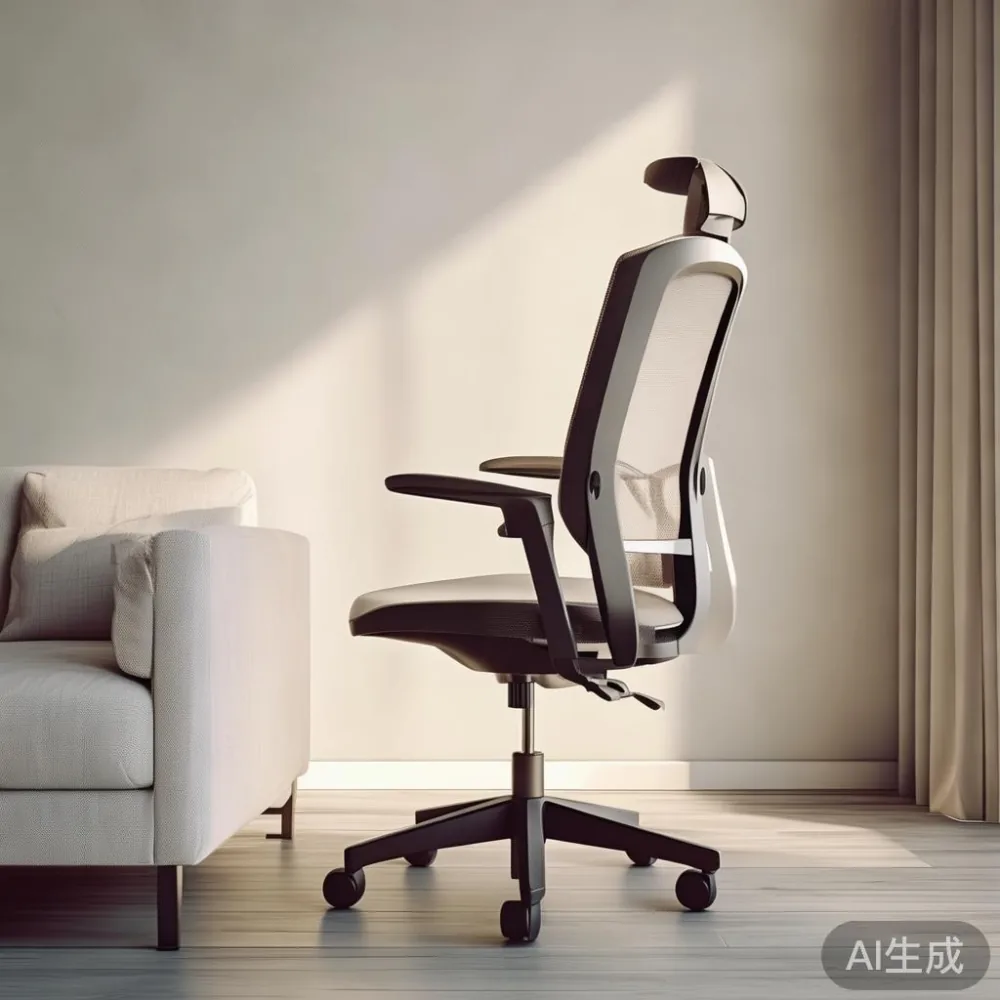
Yes, and you should not compromise on this one. Working from a kitchen stool or a dining chair is how people end up at a physio clinic in Orchard Road paying SGD 120 a session for lower back pain. A proper ergonomic chair does not need a corner the size of a small bedroom. A 70 cm by 70 cm footprint is enough for a task chair with a 65 cm diameter base, and you can place a 120 cm by 50 cm desk against a wall or float a 100 cm by 50 cm wall-mounted folding desk that disappears when you clock off.
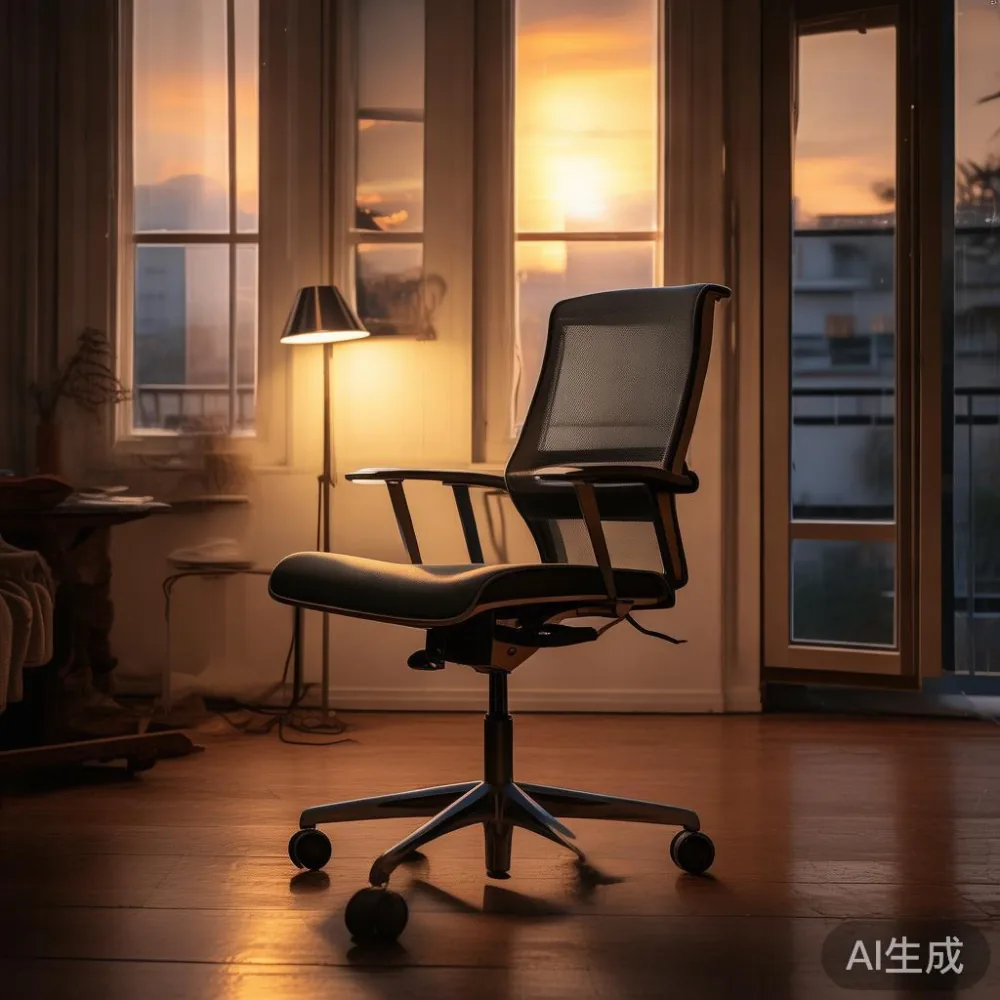
For a small Singapore flat, an ergonomic chair should have a seat height range of 45 cm to 55 cm, adjustable lumbar support, armrests that slide in by 5 cm so the chair can tuck fully under a 50 cm desk, and a mesh or breathable weave back because the flat runs at 24 to 26 degrees year-round. A solid ergonomic chair weighs between 14 kg and 18 kg, which means it can come up in the lift in its own carton without splitting. If you are choosing a desk, a solid oak top at 120 cm by 50 cm by 2.5 cm thick will weigh around 11 kg, and you can pair it with steel A-frame legs that bolt on inside the room. The combination will cost roughly SGD 350 to SGD 650 for the chair and SGD 220 to SGD 90 for the legs, depending on brand, and will fit through any HDB lift without disassembly.
One small note on chair materials: a fabric ergonomic chair in a Singapore flat will absorb humidity and start to smell within 18 months unless you run a dehumidifier. Mesh holds up better, and leather — even bonded leather — peels by year three. If you can, choose a chair that allows you to machine-wash the seat cover at 30 degrees and replace the armrest pads separately. That way your chair stays presentable for the seven to ten years you will actually sit in it. MIDHILL's showroom in Foshan has a small display of ergonomic chair options with replaceable textile panels, which is one of the practical details I appreciated when I visited last quarter.
Should I choose Scandinavian or Minimalist pieces for my small flat?
Both work, and the difference is mostly tonal. Scandinavian leans warm — pale oak, ash, linen, wool, soft white walls, and one or two accent pieces in muted blue or rust. Minimalist leans cooler — matte white, black steel, pale grey, and very few accessories. In a small HDB flat with limited natural light — many Bedok and Jurong blocks face the afternoon sun only on one side — Scandinavian tends to make the room feel brighter and friendlier. Minimalist can feel austere unless the room already gets strong daylight from a window facing the corridor void deck.
If you are building a wish list, the practical approach is to pick one Scandinavian anchor piece — usually the bed frame or the dining table — and one Minimalist accent piece — usually the desk, the floor lamp, or the ergonomic chair. That gives you warmth where you sleep and clarity where you work, without committing to one look across every surface. For a guest room that doubles as a study, you can also lean Scandinavian for guest room — pale ash bed frame, two slim nightstands, a small reading chair, and a single pendant — and let the rest of the flat carry a slightly different personality. The two styles share a common ancestor in post-modern light luxury, which is the broader design language that pairs natural materials with restrained silhouettes and avoids heavy ornamentation.
Finally, if you are trying to prioritise your budget across the top ten must-have Minimalist pieces for a starter flat, here is a realistic order based on what actually gets used daily: bed frame, mattress, ergonomic chair, dining table, wardrobe, sofa, two nightstands, desk, floor lamp, and a single accent piece such as a marble side table or a piece of framed art. Spend roughly 22 percent of your furniture budget on the bed, 18 percent on the ergonomic chair, 14 percent on the dining table, 12 percent on the wardrobe, 10 percent on the sofa, and the remaining 24 percent across the other five items. That distribution reflects actual hours of use per year and will keep your flat feeling calm rather than crowded.
What about delivery, returns, and warranty when ordering from overseas?
For Singapore buyers, ordering solid wood furniture from a Foshan maker such as MIDHILL involves sea freight that runs between 14 and 22 days from order to door, depending on whether you choose LCL (less than container load) consolidation at the Singapore warehouse or a dedicated courier. Customs duty for furniture under HS code on duty is zero for personal imports below SGD 400 in CIF value, and 8 percent GST applies above the SGD 400 threshold. Many suppliers, including MIDHILL, will consolidate your order to keep the declared value within the duty-free window while still shipping the full set.
Returns matter because solid wood is heavy. A 14-day return window is realistic only if the supplier pays return shipping from Singapore to China, which costs between SGD 220 and SGD 380 per carton for a sofa or wardrobe. That is why lifetime refinishing and a ten-year structural warranty matter more than a generous return policy. If a joint loosens in year three, or the finish dulls in year six, you want the supplier to send replacement parts or arrange refinishing, not to ask you to ship the piece back. Ask any overseas supplier three questions before paying: what is the structural warranty, is refinishing included, and what is the actual delivery time to a Singapore address with GST included. The answers will sort the reliable suppliers from the rest very quickly.
What small styling moves make the biggest visual difference?
Three moves, in order of effect. Pull your sofa 8 cm away from the wall instead of pushing it flush. That 8 cm creates a shadow line that makes the wall recede. Raise every piece of furniture on visible legs — sofa, bed frame, dining table, nightstands — at least 15 cm off the floor. Floor visibility is what makes a small room read as open. And limit your palette to three materials across the whole flat: one solid wood (oak or ash), one soft textile (linen or cotton), and one accent (marble, blackened steel, or brushed brass). When those three materials repeat across the sofa, bed frame, dining table, wardrobe, nightstand, and marble table, the flat looks intentional rather than assembled.
One last thing. If you have a Wuhan-based supplier such as Wuhan Lingzhan on your shortlist, do compare their lead times and warranty terms against a Foshan maker, because Foshan's export infrastructure for solid wood has been built over twenty years and the logistics from Shenzhen or Nansha ports to Singapore are faster and more frequent. The difference is not the wood. The difference is the shipping lane.
With those measurements, those proportions, and those three materials, a 65 sqm three-room HDB or a 90 sqm four-room flat can hold a solid wood sofa, a real bed frame, a proper dining table, a wardrobe that closes, two nightstands, a marble accent table, and one good ergonomic chair — without anyone feeling crowded. That is the promise of light luxury in a small space: nothing excessive, nothing missing, and everything in proportion.