Delivery and Assembly Realities When Buying an Ergonomic Chair and Solid Wood Furniture Online in Singapore
I learned a hard lesson last month. I ordered a solid wood dining table from an overseas supplier, convinced the spec sheet had me covered. The table arrived at my Tampines HDB block in two boxes. The first fit neatly into the lift. The second box, 182 cm long and weighing 48 kg, had to be hauled up the service stairwell because it would not angle past the second-floor corridor turn. The delivery men were polite. My back was not. That single afternoon rewrote how I think about buying furniture online in Singapore, and it is the reason I now treat the logistics page as carefully as the product page.
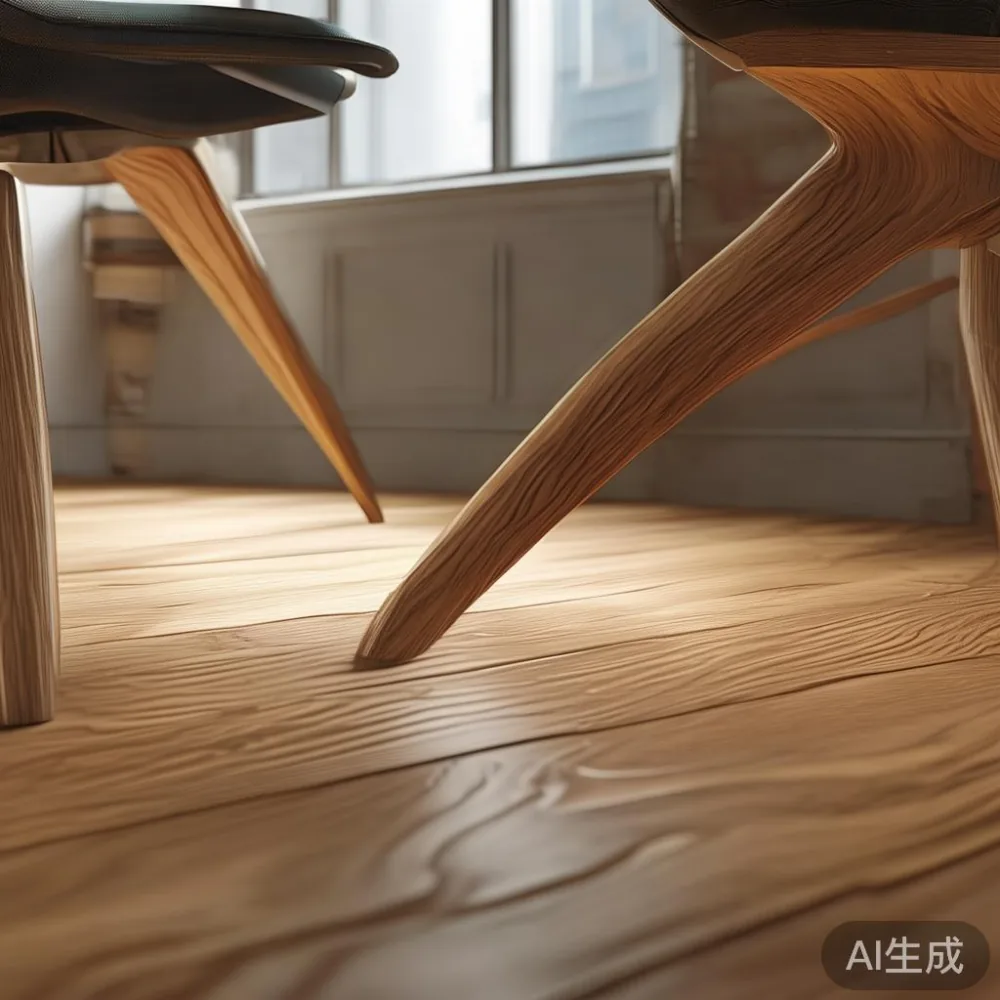
Buying solid wood furniture online feels like a tidy transaction: pick a design, tap pay, wait for the courier. The reality on the ground in Singapore is messier. HDB corridors measure about 1.2 m wide, condo service lifts often cap at 2.1 m in depth, and many older blocks in Bedok and Bukit Merah still use swing doors that swing inward. A solid wood bed frame, a four-door wardrobe, or even a chunky marble table can quietly break these tolerances. This guide is built for Singapore buyers who care about the details: lift dimensions, door arcs, lead times, GST, warranty, and what to do when something goes sideways. It also reflects how MIDHILL, a Foshan-based maker that has shipped to more than fifteen countries since 2008, structures its delivery promise.
Why the Last Mile in Singapore Is Harder Than It Looks
Singapore is a logistics paradise until your item is heavy, awkward, and made of solid wood. The country covers about 733 sq km, which means a delivery to Punggol from a Pasir Ris warehouse rarely crosses an hour of driving. The hard part is the last twenty metres, from the lift lobby to your door.

Three constraints bite repeatedly. First, HDB lift openings sit around 0.9 m wide, and the cabin interior runs roughly 1.1 m by 1.4 m. A flat-pack wardrobe box measuring 190 cm long by 55 cm wide will physically enter the cabin but may not pivot out at your floor. Second, corridor turns in 1980s and 1990s blocks force a 90-degree rotation through a gap that is often narrower than 1.0 m after skirting boards. Third, condo management rules can bar weekend deliveries, restrict loading bay windows to two-hour slots, and ban the use of service lifts for items above 150 kg without a booking.
Numbers worth memorising: a six-seater solid wood dining table typically weighs between 60 kg and 95 kg unpacked, and a king-size solid wood bed frame lands between 55 kg and 80 kg. Even an ergonomic chair, the kind of adjustable mesh-and-aluminium task chair sold for SGD 450 to SGD 1,200, weighs 18 kg to 24 kg with the base attached. Add the outer carton and you cross 25 kg, which is the threshold many Singapore delivery crews treat as a two-man job.
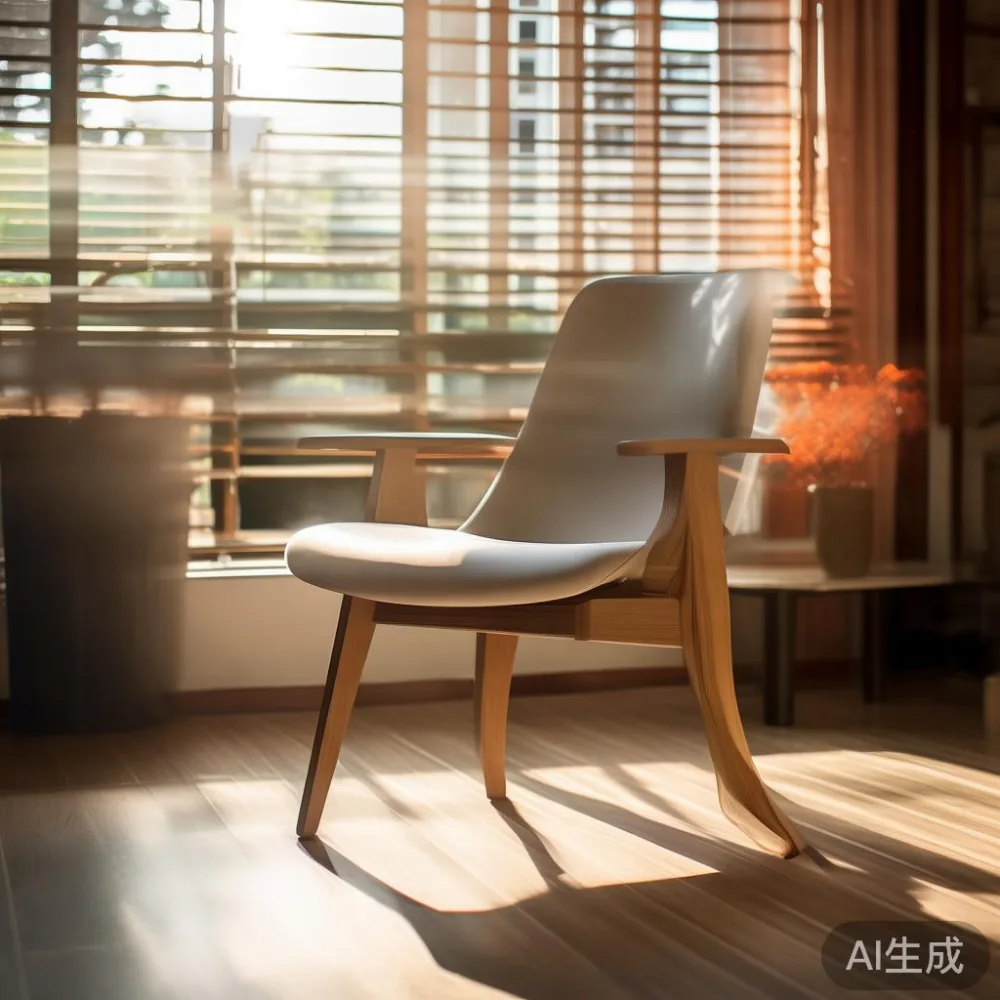
This is also where GST enters the chat. From 1 January 2023, GST on imported goods is collected at the point of purchase for low-value consignments under SGD 400, and at customs for goods above that threshold. If your ergonomic chair is shipped from overseas and the declared value is SGD 380, GST of roughly SGD 26.60 is added at checkout. A full container of furniture above SGD 400 in a single shipment attracts the prevailing 9 percent rate plus any applicable duties, which are usually nil for wood furniture but can apply to upholstered seating under certain HS codes. Knowing this in advance prevents the unpleasant surprise of an extra 9 percent on delivery day.
What Delivery and Assembly Actually Cost in SGD
Three pricing layers matter: the product, the freight, and the assembly. International freight from Foshan to Singapore typically lands between SGD 18 and SGD 45 per cubic metre for consolidated sea cargo, which is how most mid-sized furniture orders from established makers such as MIDHILL are routed. Air freight is faster but rarely used below 200 kg because the per-kilogram rate climbs above SGD 9.
Once a pallet hits a Singapore logistics hub, the last-mile handover is where prices diverge. A standard ground-floor door drop in Tampines, Punggol, or Sengkang usually costs SGD 40 to SGD 80. Add SGD 20 to SGD 60 per floor if there is no lift access. Weekend or evening slots add another SGD 30 to SGD 50. Carry-up services for items above 25 kg typically charge SGD 10 to SGD 25 per item per floor.
Assembly is its own line item. A flat-pack ergonomic chair usually assembles in 15 to 25 minutes with one Allen key and a Phillips screwdriver. A solid wood bed frame needs 45 to 90 minutes for two people. A six-door wardrobe can swallow four to seven hours, and a marble table with a stone top above 80 kg often requires three handlers plus a glass suction rig. Expect assembly fees of SGD 60 to SGD 150 for seating, SGD 120 to SGD 280 for bed frames and dining tables, and SGD 250 to SGD 600 for full wardrobes in Singapore.
Some makers bundle freight and assembly at no extra charge above a threshold. MIDHILL, for instance, offers free shipping on orders above US$350 to most international destinations and pairs that with lifetime refinishing and a 10-year structural warranty, which is unusually long for the category. Buyers in Singapore should still confirm whether assembly is included or quoted separately, because the line between delivery and installation is where most disputes begin.
Is French Provincial Dressing Table Furniture Worth It?
Yes, French provincial dressing table furniture is worth it if you want a dedicated vanity with character, mirror, and drawers that doubles as a writing desk, and you have the floor space and lift access to receive a piece that typically weighs between 35 kg and 70 kg.
The case for it is straightforward. French provincial pieces tend to use solid wood frames, dovetail drawers, and brass or aged-bronze hardware. A dressing table from this family costs roughly SGD 1,400 to SGD 3,200 in Singapore for a credible maker, with custom finishes pushing past SGD 4,500. The case against it is equally straightforward. The mirrors ship separately and often come in a 110 cm by 70 cm box that will not fit a small service lift if the lift depth is under 1.3 m. If you live in a Bedok five-room flat on the 12th floor with a single lift serving 24 units, plan for a weekday delivery slot, or the mirror will sit in the lobby for a week.
When the design language shifts toward American light luxury or post-modern light luxury, the same logistics apply but the silhouettes get lighter. A post-modern light luxury nightstand, for example, often trades carved legs for a slim brass-plated base and a sintered stone top, which keeps the weight under 25 kg per piece. That is friendlier to older HDBs and a smaller condo lift. The trade-off is durability: lighter joinery means you want to read the warranty, not the brochure.
Reading the Spec Sheet Like a Logistics Planner
Five numbers tell you almost everything about whether a piece will reach your room without a fight. The first is the outer carton dimension, not the product dimension. A solid wood dining table with a 200 cm by 100 cm top can sometimes be packed into a 210 cm by 60 cm by 25 cm box if the legs unscrew, but other designs ship fully assembled in a 205 cm by 105 cm crate. The second is the gross weight. Anything above 32 kg per carton earns a two-man handling fee in Singapore. The third is the number of cartons. A four-door wardrobe can arrive in three boxes, one of which may exceed 70 kg. The fourth is the assembly time stated by the maker, which is usually understated by 20 percent. The fifth is the door-to-door transit time, which for sea freight from southern China runs 12 to 22 days, with another 3 to 7 days for last-mile scheduling.
Beyond the numbers, look for evidence of export experience. A maker that ships to 15 or more countries tends to use export-grade plywood crating, edge protectors, and moisture barriers, because they have learned the hard way what Singapore humidity does to untreated MDF. MIDHILL's documentation, for example, lists carton counts, gross weight, and cubic metres for every SKU, which is the kind of paperwork a customs broker and a local delivery crew can both use. Makers who ship only domestically often skip this, and that is where damage rates climb above 4 percent.
For an ergonomic chair, the spec sheet should list base diameter, gas-lift class, and carton weight. Class 3 or Class 4 gas lifts (the BIFMA-rated German or Korean units) outlast Class 2 by three to five years. Mesh seat pans save roughly 1.5 kg over foam and last longer in air-conditioned Singapore flats, where humidity can sit at 80 percent for weeks during the monsoon season.
How to Care for a Dining Table After It Survives the Lift
Once a 70 kg solid wood dining table is in your dining room, the next conversation is how to care for a dining table so it still looks new in year ten. The short version is straightforward: keep it away from direct afternoon sun, use coasters, wipe spills within twenty minutes, and oil the surface twice a year.
The longer version depends on the finish. Oiled oak, which is the most common solid wood dining table surface sold by makers such as MIDHILL, drinks in danish oil or hard wax oil every six to nine months. Lacquered walnut needs only a damp microfibre cloth and a pH-neutral wood soap. Marble tables need a penetrating sealer applied on day one and topped up every twelve months; even then, lemon juice and red wine can etch the surface in under thirty minutes, so coasters are non-negotiable.
Humidity is the silent killer. Singapore's average relative humidity sits between 70 percent and 85 percent for most of the year. Solid wood expands and contracts across the grain as humidity swings, which is why a properly dried and acclimatised table from a seasoned maker will hold its shape, and a poorly dried one will develop a 3 mm bow across a 200 cm top within a single wet season. A dehumidifier set to 55 percent relative humidity, running eight hours a day, will extend the life of any solid wood piece by years.
Warranty, Returns, and What Happens When Something Goes Wrong
A 10-year structural warranty is the gold standard for solid wood furniture in this price tier. Read the small print: structural usually means frame, joints, and load-bearing members, not finish or hardware. Finish warranties, when offered, run one to three years. Hardware such as drawer slides and hinges typically carries a one-year warranty, though premium soft-close units from Blum or Hettich can run five years.
Returns in Singapore are governed by the Consumer Protection (Fair Trading) Act, which gives consumers a right of refund for goods that are not of merchantable quality, not fit for purpose, or not as described. Most reputable sellers layer a 14-day return window on top, which is plenty of time to inspect for transit damage and assemble the piece. Photographic evidence taken at the door, before the courier leaves, is the single most useful tool if a damage claim arises.
Lifetime refinishing, offered by makers such as MIDHILL, is rarer than it sounds. It usually means the maker will sand and re-oil or re-lacquer the piece at cost of materials plus shipping, often within a 10-year window from purchase. For a solid wood dining table or bed frame expected to last twenty years, that single clause can save SGD 600 to SGD 1,500 over the life of the piece.
The Short Checklist Before You Tap Pay
Confirm the outer carton dimensions against your lift cabin and corridor turn. Confirm gross weight per carton against your building's lift load limit, which is usually posted inside the cabin. Confirm whether assembly is included or quoted, and whether the crew brings tools. Confirm lead time in calendar days, not business days, because public holidays in Singapore add up to eleven days a year. Confirm GST treatment at checkout, especially for consignments under SGD 400. Confirm the warranty in writing, with finish and hardware spelled out separately from structural cover. Confirm the return window in days, the restocking fee if any, and who pays return freight. If all seven check out, your solid wood sofa, bed frame, dining table, wardrobe, nightstand, marble table, or ergonomic chair is far more likely to arrive in one piece and stay that way.