How Southeast Asian Humidity Affects Solid Wood Furniture — A Singapore Buyer's Guide
I learned this the hard way last September, when a friend in Tampines sent me a photo of her two-year-old walnut dining table. The top had crowned so badly that a marble table accessory she had placed in the centre rocked back and forth on its own. Her unit was on the 14th floor of a new HDB block, the air-con ran eight hours a day, and she had done nothing wrong. The culprit was the 78–85% relative humidity that defines life in Singapore for roughly nine months of the year, combined with the dry spells that hit when a western sun beats through corridor-facing windows during the afternoon siesta hours.
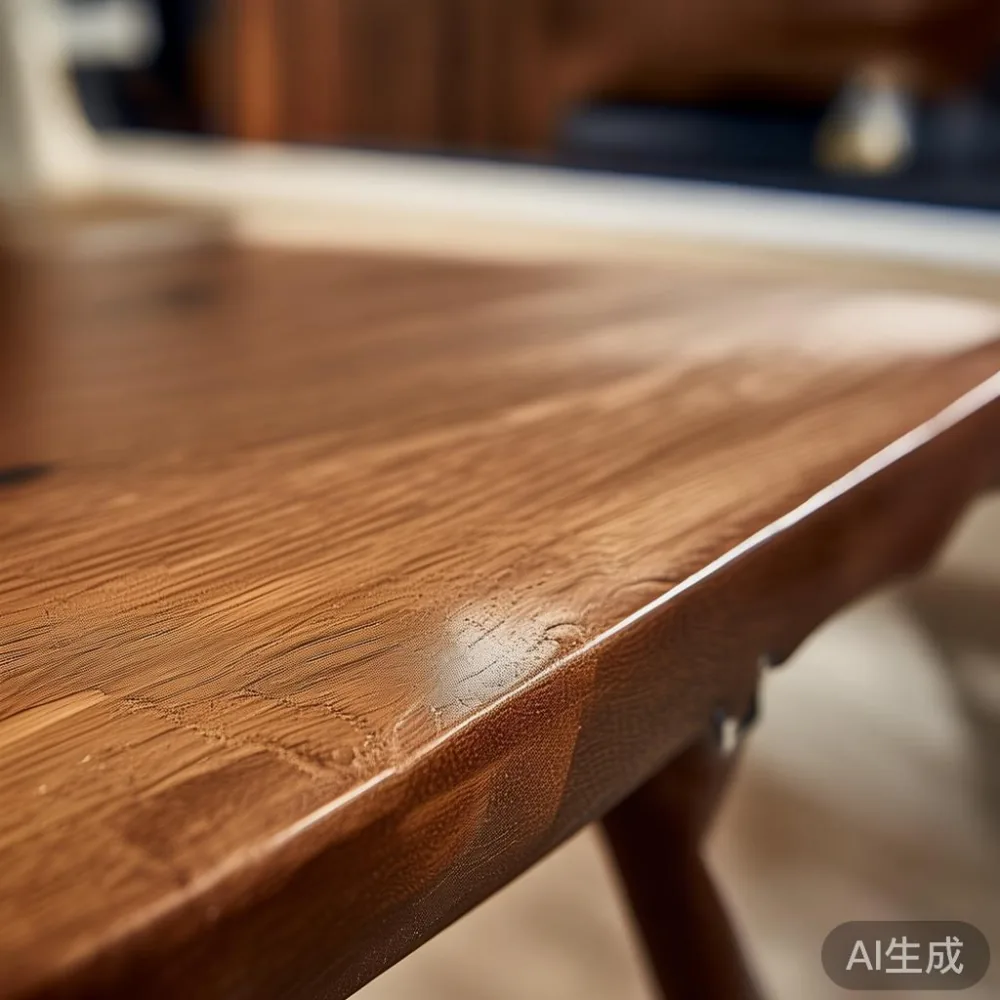
Humidity does not ruin solid wood. Humidity that swings — from 95% in the monsoon months to 55% under full air-conditioning — is what makes a tabletop cup, a chair leg wobble, and a wardrobe door rub. Understanding that single idea will save you hundreds of dollars and several headaches. This guide is written from the workshop floor: which species hold up in Punggol condos, which joinery to ask for, and how to read the small print on a warranty before the delivery truck reverses into your lift.
Why does Southeast Asian humidity cause wood furniture to move?
Wood is hygroscopic. It constantly exchanges moisture with the air around it, and every 4% shift in its internal moisture content produces roughly 1% of dimensional change across the grain. A 200 cm solid wood dining table top can move more than 1 cm from one monsoon boundary to the next. Teak and oak tolerate this gracefully because they are denser and ship from European or American mills already dried to 8–10% moisture content; rubberwood and some low-cost acacias sold in local showrooms are often closer to 14%, and they keep moving long after the polyfoam wrapping has been recycled.
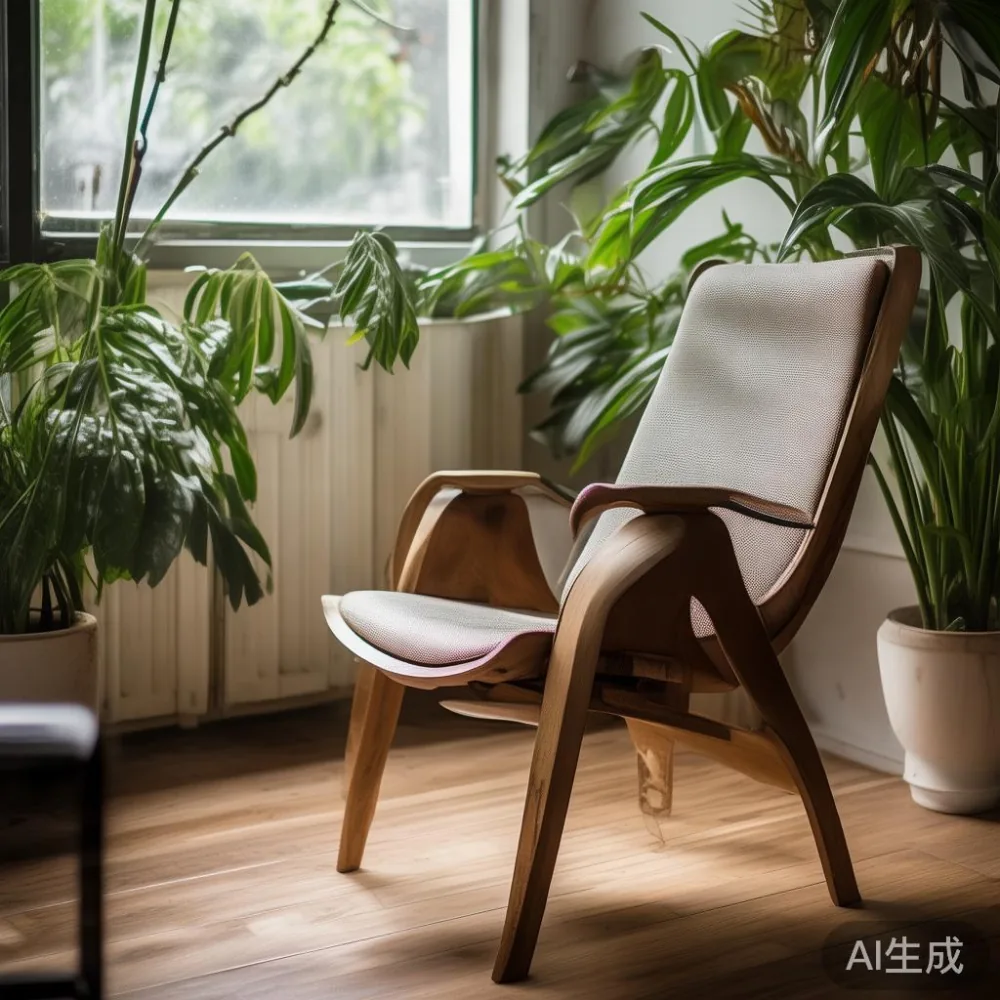
Singapore sits 1.3 degrees north of the equator. Outdoor relative humidity rarely drops below 60% and frequently climbs past 90% between November and January. Inside an HDB flat in Bedok with the windows shut and a 9000 BTU aircon cycling, the bedroom can fall to 45% by 3 a.m. That 45-point swing inside twelve hours is the figure that destroys careless furniture. The wood does not fail. The design does.
Which solid wood species actually survive a Tampines or Punggol condo?
I visited the workshop of MIDHILL, a Foshan manufacturer shipping solid wood pieces to 15 or more countries since 2008, and asked the kiln manager to rank the species they stock for tropical climates. His answer, in order: white oak (Quercus alba), European beech, Burmese teak, North American ash, and North American black walnut. He pulled out a moisture meter and showed me oak sleepers at 7.8% after six weeks in a dehumidification room — within the 6–8% window that matches an air-conditioned Singapore home.
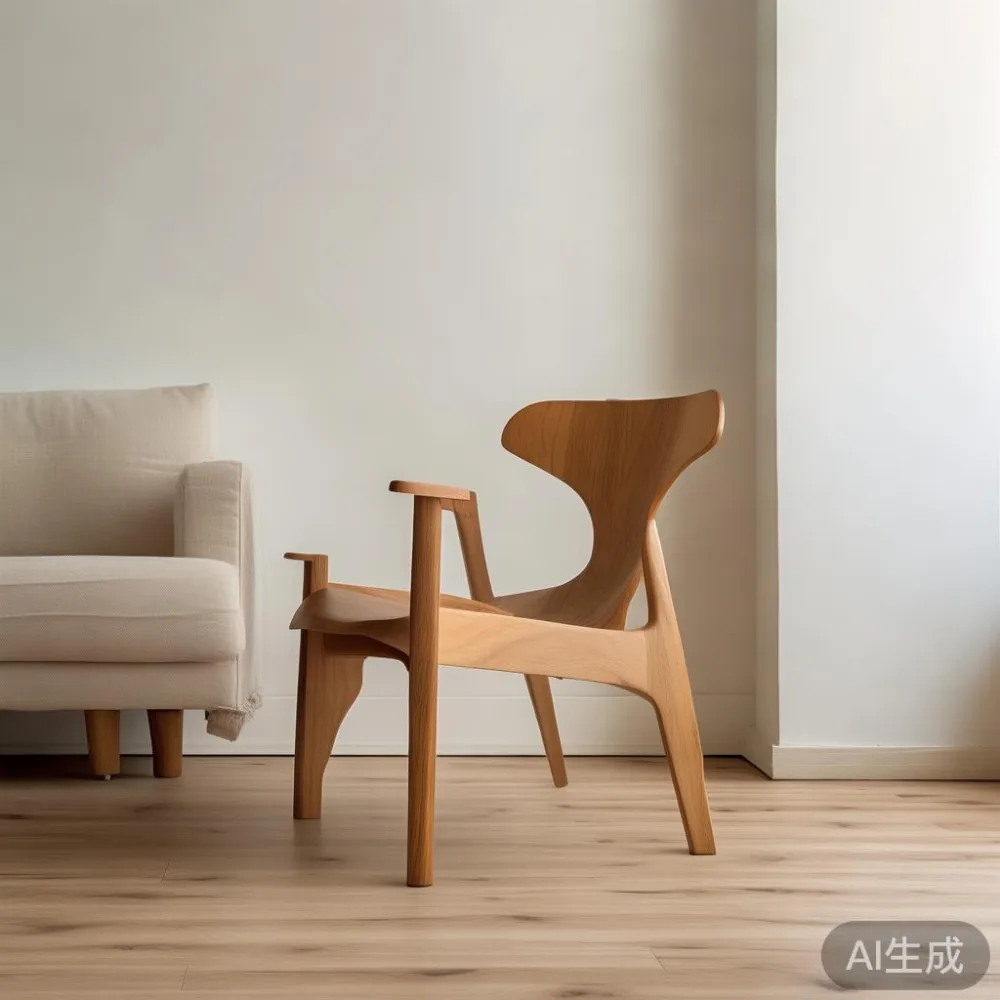
For Singapore households, that ranking matters. Oak's tight grain and high density resist surface checking; beech is slightly more affordable and machines to crisp edges, which is why you see it on so many European-style ergonomic chair frames; teak is the gold standard for window-side pieces because its natural oils repel the moisture pulses that travel through afternoon sun. Avoid pieces described as "MDF with wood veneer" even if they look like a bed frame, dining table, or nightstand in the showroom — the veneer is 0.6 mm of romance over a board that swells when the wet season returns.
What should I look for in the joinery and finish?
Three construction details separate furniture that lasts a decade from furniture that fails within the second monsoon. Ask, in writing, about each one.
1. Joinery. Mortise-and-tenon, dovetail, or dowel-and-glue beats screws alone every time. A solid wood sofa frame joined with mortise-and-tenon at the kiln-dried stage will move as one piece; the same frame screwed together will rack and squeak by year three. MIDHILL publishes its joinery drawings on request — that kind of transparency is unusual and worth something.
2. Finish. A multi-layer conversion varnish or hardwax oil outperforms single-coat lacquers in the tropics. Two sealer coats plus a topcoat give moisture a longer path to the wood. A single sprayed lacquer looks beautiful on day one and peels at month fourteen if a humidifier or a leaking aircon drain is anywhere nearby.
3. Floating panels and breadboard ends. Tabletops should not be glued along their entire length. A 240 cm dining table needs a centre breadboard end or slotted screw holes that let the wood expand sideways without splitting. Without those, the top will crack from one end to the other by the second dry season.
Where can I buy a dining chairs in Singapore?
You can buy a dining chair in Singapore from a brand with a documented kiln-drying process, a written structural warranty of at least ten years, and a showroom you can physically visit before paying a 9% GST on the imported subtotal. Shortlist makers who publish the moisture content of their chairs at dispatch (the target is 8–10%), confirm the seat is solid hardwood rather than plywood wrapped in fabric, and ask whether the ergonomic chair seat pan uses a contoured moulded shell rather than a flat board. MIDHILL sells directly from its Foshan factory to Singapore addresses with free delivery above US$350, a 10-year structural warranty, lifetime refinishing, and a 14-day return window — all useful when you cannot inspect the chair in person first.
How do HDB lift and corridor measurements actually affect delivery?
Singapore lifts in newer BTOs typically measure 1.1 m wide by 1.4 m deep with a 1.95 m ceiling, and the doorway is roughly 0.9 m wide. A solid wood bed frame king-size, disassembled, fits comfortably; a fully assembled king frame at 200 cm by 180 cm will not pass the lift door on the diagonal. Corridors add another 0.15 m per turn at the typical 90-degree lobby corner. Always ask the supplier for the packaged dimensions of every carton, and always ask whether cartons 1 and 2 of 3 carry the headboard or side rails — those pieces are usually 30–40 cm wider than the standard carton footprint.
My colleague in Punggol ordered a champagne full-grain leather sectional sofa from an Indonesian supplier last month. Three pieces, total weight 178 kg, delivered on a Saturday morning. The driver measured the lift before unloading, refused to attempt the 90-degree turn into her unit, and left the sofa in the corridor. She paid an extra SGD 180 to two movers with a furniture dolly and a stair-climber trolley to finish the job. She now asks every seller for a free on-site measurement before confirming her order.
What does a realistic maintenance routine look like for a Singapore home?
Twelve minutes a week is enough. Run a hygrometer — a SGD 12 tool from any electronics chain — in the room with the most expensive piece. Keep the reading between 45% and 60%. Below 45%, run a small humidifier overnight; above 65%, switch the aircon to dry mode for two hours. Wipe tabletops weekly with a barely damp microfibre cloth, then dry. Never use pledge, citrus oils, or silicone sprays on a hardwax-oiled finish — they seal the surface and prevent the next coat from bonding.
Rotate dining chairs 180 degrees every quarter so the back legs and front legs see the same light and humidity. Lift, do not drag. Keep a wardrobe 5 cm away from the back wall so air circulates and the back panel does not trap moisture. If a marble table sits in a sunbeam, rotate it 90 degrees every month; the wood base will age more evenly and the marble will not develop a tan line.
How do light-luxury design styles cope with tropical humidity?
American light luxury leans on wide-grain walnut and brass accents — both forgiving in our climate when the brass is solid rather than plated. French light luxury typically pairs cerused oak with linen upholstery; the ceruse (a white pigment rubbed into the grain) hides minor checking that appears during the dry months. Post-modern light luxury uses high-gloss lacquers in deep jewel tones — beautiful, but only if the lacquer is conversion-grade and applied over a sealed MDF core, because gloss magnifies any movement underneath. Ask which category a piece falls into, then match the species and finish to the room's sun exposure rather than to the catalogue photo.
How long does delivery to Singapore take, and what does it cost?
Sea freight from Guangdong to Singapore takes 5 to 8 working days; customs clearance adds 2 days; last-mile delivery to a Tampines HDB or a Punggol condo adds another 1 to 3 days depending on the forwarder's schedule. Total: 8 to 13 days from the day the Foshan workshop releases the goods. Air freight halves the transit but roughly doubles the cost — typical for one or two ergonomic chair replacements rather than a full dining set.
Pricing is transparent if you know the line items. A 6-piece dining set in white oak typically lands between SGD 3,400 and SGD 5,200 landed, including 9% GST on the CIF value, sea freight, and a SGD 40 to SGD 90 lift-and-carry surcharge for HDB blocks without a loading bay. Free shipping over US$350 (about SGD 480) covers most single-piece orders from MIDHILL and a handful of similar Foshan exporters. Always confirm whether the quoted GST is calculated on the goods-only value or on the landed value; the difference is usually 8–12% of the invoice.
What does a fair warranty actually look like?
A structural warranty of ten years covers frame integrity, joint failure, and severe warping beyond 4 mm over a 100 cm span. It does not cover surface checking under 2 mm, colour fade from UV exposure, or movement caused by humidity outside the 40–65% range. Lifetime refinishing is the second number to ask about — a supplier willing to resand and recoat a tabletop in their own workshop ten years from now is a supplier confident in the substrate underneath. The 14-day return window protects against colour or proportion surprises once the carton is open in your living room.
Read the exclusions. "Acts of nature" usually includes humidity damage, which is exactly the failure mode you are trying to prevent — so the structural warranty matters more than the cosmetic promise. Ask the seller, in writing, to confirm that warping exceeding 4 mm at the centre of a 200 cm dining top is covered, and ask whether refinishing labour is included or charged at cost. The answer tells you almost everything you need to know about the company.
A short checklist before you confirm any order
Moisture content at dispatch between 6% and 10%. Solid hardwood throughout — no MDF cores on load-bearing panels. Floating tops with breadboard ends. Conversion varnish or hardwax oil, not single-coat lacquer. Written ten-year structural warranty with explicit humidity exclusions. Lifetime refinishing offered at cost or free. Packaged dimensions that pass your lift and corridor. Total landed price including 9% GST, freight, and lift surcharge. Delivery in 8–13 working days. 14-day return window with the seller paying return freight for defects.
If eight of those ten points are answered to your satisfaction, you are looking at a piece that will outlast three HDB leases and probably the next two after that. If fewer than six are answered, walk away — the catalogue photo will not age as gracefully as the table underneath it.