Lacquered Furniture Care in Singapore's Climate: A Maintenance Guide
For homeowners in Singapore, from the HDB corridors of Tampines to the high-rise condos of Punggol, our climate presents a unique set of challenges for home maintenance. The constant heat, high humidity, and intense sunlight can affect everything from the paint on our walls to the wood beneath our feet. This is especially true for furniture with a fine lacquered finish, a popular choice for its glossy, durable, and elegant appearance. A well-cared-for lacquered surface can be the centerpiece of a room, reflecting a sense of refined taste. However, neglecting it in our tropical environment can lead to dullness, white spots, or even peeling. This guide provides practical, step-by-step advice on how to protect and maintain your lacquered pieces, ensuring their beauty lasts for years to come.
Understanding Your Lacquered Finish
Before diving into care routines, it's helpful to understand what 'lacquer' actually is. Lacquer is a clear, hard, durable coating applied over wood to create a high-gloss, mirror-like finish. Unlike simple varnishes or oils, lacquer forms a tough, plastic-like film on the wood's surface. This film provides excellent protection against minor scratches and stains. However, this same rigidity makes it vulnerable to environmental changes. In Singapore, where temperatures can hover around 32°C and humidity levels often exceed 80%, the wood beneath the lacquer can expand and contract. This movement, combined with direct UV exposure, can stress the lacquer film, potentially leading to cracks or a cloudy appearance. Understanding this helps us tailor our care to the specific needs of the finish in our local climate.
How Humidity and Heat Affect Lacquer in Singapore
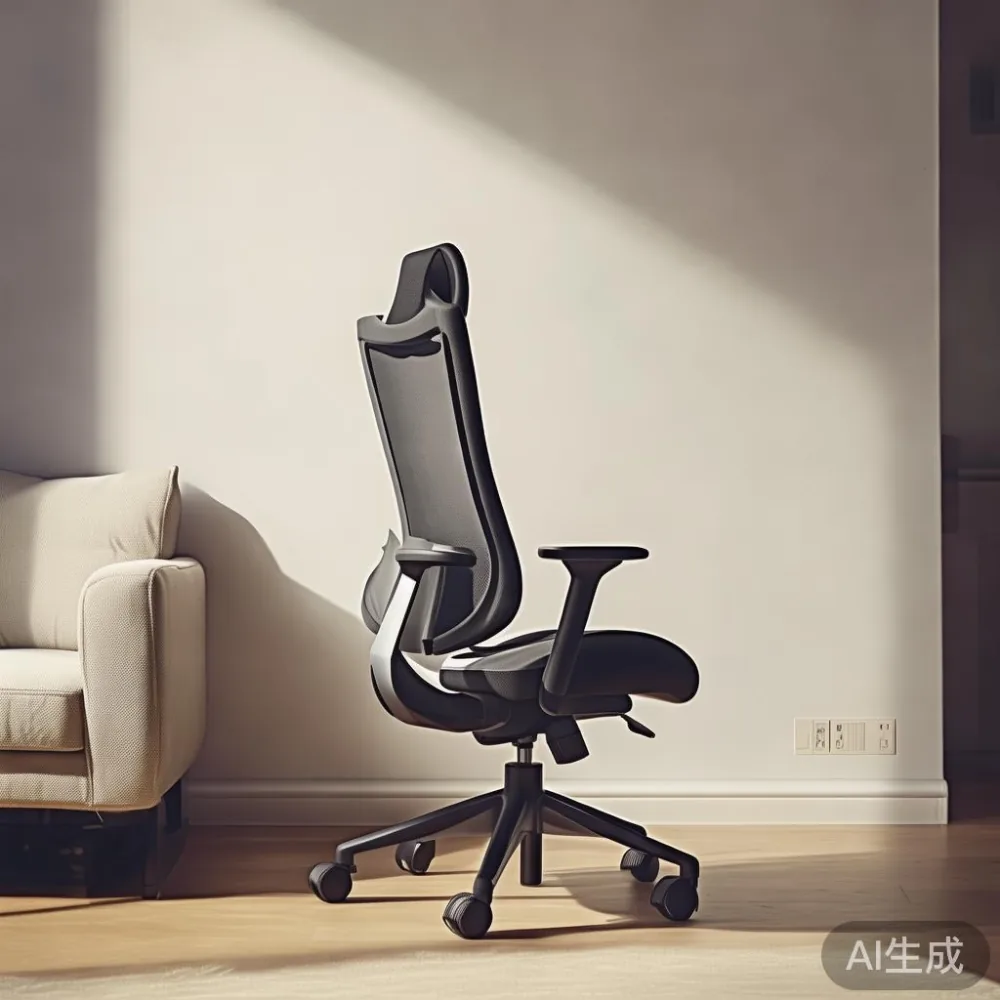
The Singapore climate is the single most significant factor affecting lacquered furniture. High humidity causes the wood substrate to absorb moisture, causing it to swell. When the humidity drops, the wood contracts. This constant cycle of expansion and contraction puts immense pressure on the rigid lacquer layer. Over time, this can result in fine cracks, known as 'checking,' or a loss of adhesion between the lacquer and the wood, leading to peeling. Also, the intense tropical sun, especially through large windows common in condos like those in Bedok, can cause the lacquer to fade or develop a yellowish tint. The UV rays break down the polymers in the lacquer, dulling its once-brilliant shine. For an ergonomic chair with a lacquered backrest, this can be particularly noticeable as it's often in direct line of sight. Protecting your furniture from these elements is the first step in proper care.
What Cleaning Products Should I Use on My Lacquered Table?
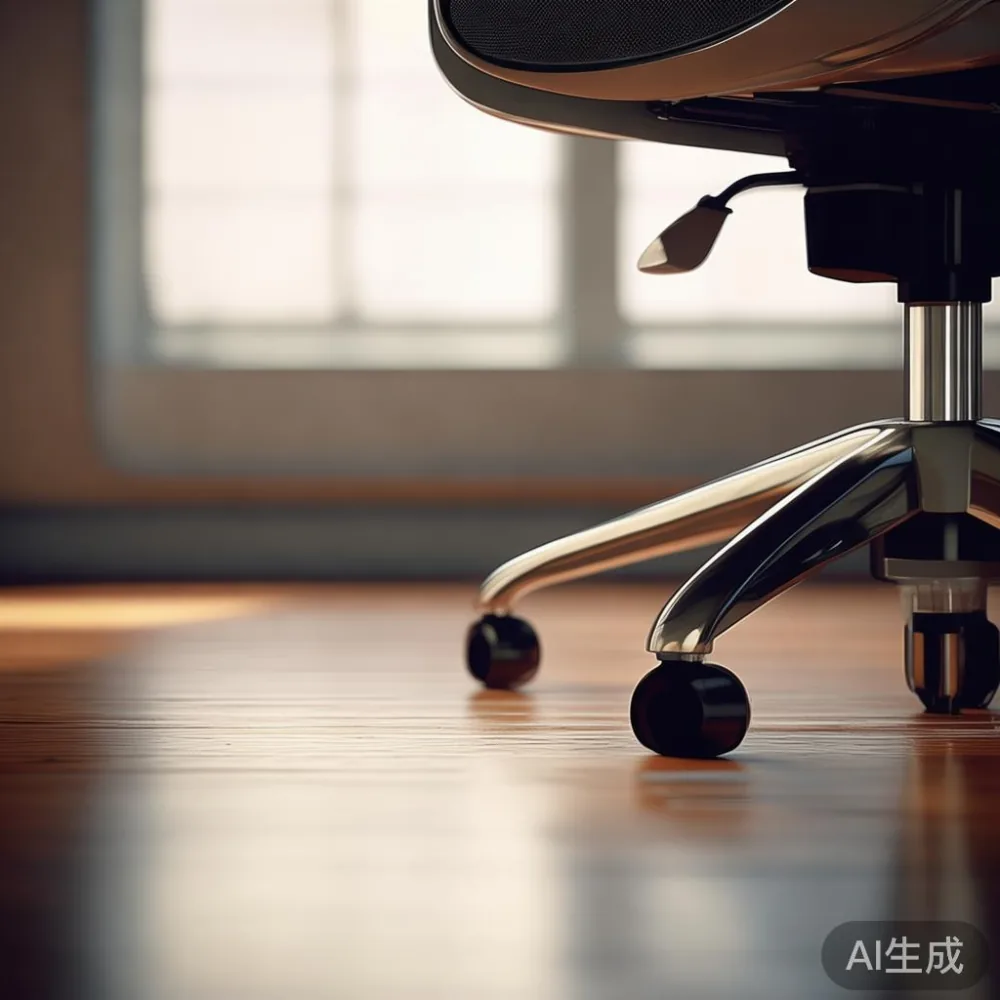
This is a common question, and the answer is simpler than you might think: less is more. For regular dusting, a soft, lint-free microfiber cloth is your best friend. A simple wipe-down once a week is sufficient to remove dust particles that could otherwise scratch the surface when rubbed. For light cleaning, such as wiping up a small spill, use a barely damp cloth with clean water. Wring the cloth out thoroughly until it is almost dry; excess moisture is the enemy of wood and lacquer. Never use harsh chemical cleaners, all-purpose sprays, or abrasive scouring pads. These can strip the protective layer of lacquer, leaving the wood exposed. For a deeper clean, you can use a specialized wood cleaner formulated for lacquered surfaces. Apply a small amount to the cloth, not directly onto the furniture, and wipe gently. The key is to be gentle and avoid introducing any harsh chemicals that could react with the finish. A colleague of mine recently tested a popular generic cleaner on a small, inconspicuous area of his dining table and was horrified to see it leave a permanent, hazy mark. Always test any new product in a hidden spot first.
Placement and Protection: Shielding Your Furniture
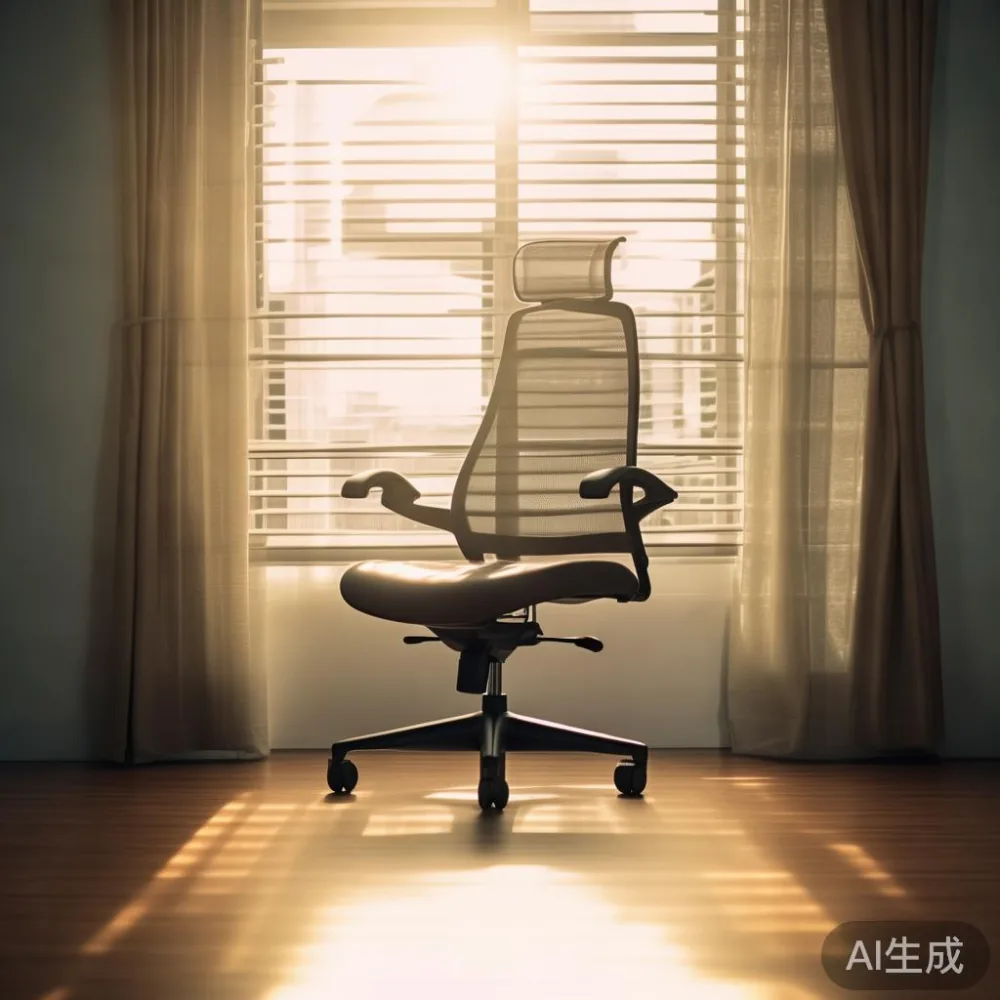
Where you place your furniture is just as important as how you clean it. In an HDB flat, the space between the lift and your front door might be tight, but it's worth the effort to position your prized pieces away from direct sources of heat and sunlight. Avoid placing lacquered furniture directly in front of air-conditioning units, as the cold, dry air blowing onto the surface can cause it to crack. Similarly, keep them at least one meter away from heaters or strong lamps. For those sunny afternoons, use curtains or blinds to filter the harsh UV rays. Placing a coaster under a hot mug or a placemat under a serving dish is non-negotiable. The heat from a cup of coffee can create a white, cloudy ring on the lacquer that is difficult to remove. For larger surfaces like a dining table or a solid wood sofa, consider using a table runner or a decorative cloth to protect the central area from daily wear and tear. This simple habit can prevent countless minor scratches and heat marks.
Dealing with Spills and Stains Immediately
Accidents happen, but how you respond can make all the difference. The golden rule for any liquid spill on a lacquered surface is to act immediately. Grab a soft, absorbent cloth and blot the spill gently. Do not rub, as this can spread the liquid and push it into the seams or around the edges of the lacquer. For water spots, which often appear as white cloudy rings, the first step is to apply a small amount of baking soda to a damp cloth and gently rub the spot in a circular motion. If that doesn't work, you can try a specialized wood polish or a very mild solution of white vinegar and water, applied sparingly with a soft cloth. For stubborn stains like wine or ink, blot as much as possible and then use a cloth dampened with a small amount of isopropyl alcohol, again testing first on a hidden area. The goal is to lift the stain without damaging the protective lacquer finish. A quick response can often prevent a permanent blemish.
The Long-Term Care Regimen: Polishing and Maintenance
While regular cleaning is important, a periodic polishing routine will help restore the shine and protect the lacquer over the long term. Every 3 to 6 months, depending on how heavily the furniture is used, you should apply a high-quality furniture polish or wax specifically designed for lacquered or high-gloss finishes. Apply a small amount to a soft, clean cloth and rub it onto the surface in gentle, circular motions. Let it sit for the time recommended by the product instructions, usually a few minutes, and then buff the surface with a separate, clean, lint-free cloth until it shines. This process fills in microscopic scratches and replenishes the protective layer. For items like an ergonomic chair that sees daily use, this monthly polish can be particularly effective in keeping the backrest and armrests looking new. This kind of maintenance is what defines the experience of owning a piece of 2026 light luxury furniture—it’s an investment in both aesthetics and longevity.
When to Seek Professional Help
Despite your best efforts, there may come a time when a professional touch is needed. If your lacquered surface has deep scratches, significant peeling, or stubborn stains that you cannot remove with home remedies, it's time to call in a professional furniture refinisher. Attempting to sand or strip the lacquer yourself is a risky endeavor that can easily ruin the piece. A professional can assess the damage and determine whether the piece can be repaired or if it needs to be completely stripped and refinished. For a high-value item like a marble table with a complex lacquered base or a wardrobe with a custom finish, this professional service is well worth the cost. Many reputable workshops, some even sourcing materials from Foshan Lingzhan, offer restoration services that can bring your furniture back to its original glory. Remember, a 10-year structural warranty, like the one offered by some manufacturers, covers structural integrity but not surface wear and tear, making professional care a separate consideration.
Choosing the Right Furniture for Your Singapore Home
Caring for existing furniture is one thing, but making smart choices when buying new pieces can prevent future headaches. When selecting furniture for your Singapore home, consider the climate from the start. Look for pieces with high-quality, multi-layered lacquer finishes, as they offer better protection against humidity and UV rays. Solid wood construction is always preferable, as it is more stable than veneers and less prone to warping. If you are furnishing a small apartment in a building like those in Punggol, you might be looking for European light luxury for small living room solutions. A Mid-century modern dressing table with clean lines and a durable finish can be a perfect fit, offering both style and practicality. When comparing options, consider the difference between a light luxury sofa vs French provincial sofa; the former often features more modern, durable finishes suited to contemporary urban living. Investing in a well-made piece from a reputable maker, one that understands the demands of the export market to over 15 countries, means you are buying furniture designed to last.
To close, maintaining the beauty of lacquered furniture in Singapore's tropical climate is a matter of consistent, gentle care. It involves understanding the unique challenges of heat and humidity, using the right cleaning products, protecting your furniture from its environment, and addressing spills promptly. A simple routine of regular dusting, occasional polishing, and mindful placement will keep your pieces looking magnificent for years. Whether it's a dining table that hosts family gatherings, a bed frame in your master bedroom, or an ergonomic chair for your home office, these pieces are investments in your comfort and your home's aesthetic. By following these guidelines, you can ensure that the glossy, reflective shine of your lacquered finish continues to be a source of pride in your Singapore home, through all seasons.