How Southeast Asian Humidity Affects Solid Wood Furniture in Singapore
Singapore’s warm, humid climate can change the dimensions, joints and finish of solid wood furniture throughout the year. In many HDB flats and private condos, relative humidity may rise to 80% during wet periods, compared with roughly 45–55% in air-conditioned rooms. That difference causes timber to absorb moisture, expand and contract. The result may be less dramatic than a cracked wardrobe, but it can still appear as a tight dining table drawer, a bowed bed frame, a sticky nightstand or small gaps along cabinet doors.
Good furniture design does not eliminate this natural movement. It accounts for it through stable joinery, appropriate timber selection, moisture control and regular maintenance. I visited a Tampines HDB flat last month to assess a solid wood dining table that had developed several marks near its window. Using a pin-type moisture meter, I found readings of 12–14% near the air-conditioned living area and 17–19% beside the east-facing window. The 500 mm difference helped explain why the drawer fitted less easily after the afternoon rain. Moving the table 600 mm away from the window and maintaining a steady indoor humidity range brought the readings closer together within 3 weeks.
Why Southeast Asian humidity changes solid wood
Wood is hygroscopic: its moisture content follows the humidity of the surrounding air. In Singapore, outdoor relative humidity frequently ranges from 70% to 90%, while interiors may fluctuate between 45% and 70% depending on air-conditioning, ventilation and sun exposure. A new dining table arriving with 8–10% moisture content can therefore take up several percentage points when placed in a humid room. A seasoned table may release moisture when moved into a cooler, drier bedroom.
The visible movement depends on the board and construction. Solid timber may move roughly 1–3 mm across a 500 mm width with a substantial moisture change, while engineered wood generally shows less dimensional movement because its layers are bonded together. Veneered cabinetry can still show movement at exposed edges, and particleboard may swell along weakened corners. Solid wood sofa frames, bed frames and wardrobes remain suitable for Singapore homes when protected from direct weather exposure.
Season changes also matter. During the more humid months from November to March, check that windows are closed when powerful air-conditioning is operating. Use exhaust fans or a dehumidifier in enclosed rooms. A compact dehumidifier rated for 12–16 litres per day is useful for a 10–15 square metre bedroom, although the correct capacity depends on room volume and prevailing humidity.
Can humidity damage solid wood furniture in an HDB flat?
Yes, prolonged high humidity can damage wood furniture if moisture is allowed to remain trapped against floors, walls or outdoor-facing surfaces. The more common symptoms are swollen drawer runners, raised veneer edges, fungal spotting, musty odours and peeling lacquer. Water stains from condensation are another risk, particularly on a dining table or nightstand placed close to an open window.
Most HDB units benefit from stable air-conditioning, but they also present access and space constraints. Common lift doors are around 900 mm wide, with corridors measuring about 1,200 mm in many older blocks. A 1,600 mm dining table may turn a short corridor into a difficult route. Check the lift car dimensions before ordering; a usable internal size of 1,100 × 2,100 mm gives a delivery crew more room to pivot than a door alone suggests.
Measure the route from the ground-floor drop-off to the flat, including turns at stairwells and the widest point of the front door. Remove shoes, plants and other obstacles if the available width falls below 1,000 mm. For wardrobes taller than 1,900 mm, select flat-pack or knock-down construction where possible. The panels can pass through a 900 mm lift separately and be assembled inside a 12–16 square metre bedroom.
How each major furniture type responds to moisture
A dining table needs a stable top and well-fitted drawers, while a bed frame needs secure joints and clearance from the floor. A solid wood sofa should use hardwood rails and properly joined arm supports rather than panels that can waffle under load. Wardrobes need ventilation behind them, nightstands should have sealed or finished undersides, and a marble table has a different moisture profile because stone itself does not expand like timber.
For a dining table, look for solid timber boards joined with tongue-and-groove or finger-jointed construction. Allow about 10–15 mm of seasonal movement where rails meet the top. Drawers should slide on wood runners that can accommodate a slight width change. A 1,400–1,800 mm table is easier to manage in an HDB dining area than a 2,200 mm model, although both can work when the delivery route is carefully measured.
For the bed frame, keep the headboard at least 100 mm from a wall if ventilation is limited. Avoid placing the frame directly against a cold surface. A queen bed frame with an assembled footprint of 1,520 × 2,030 mm needs a room of at least 3,400 × 4,000 mm for practical circulation around two sides.
A wardrobe positioned against an exterior wall should stand on 80–100 mm legs or plinths and leave a 30–50 mm ventilation gap at the rear. Insisting on a flush built-in wardrobe can trap humidity inside the carcass. A 1,800 mm-wide wardrobe may be divided into 600 mm modules for easier handling through lift corridors.
A nightstand is particularly revealing because small drawers and rails react quickly to moisture changes. Finished undersides and closed storage help protect the interior. A marble table remains dimensionally stable, but acidic liquids can etch the surface and dirty water may leave marks around the base. Use coasters and wipe spills within 10 minutes rather than relying on wood-care advice alone.
What should buyers check before ordering?
Ask whether the furniture was kiln-dried to a controlled moisture level and how it was acclimatised before delivery. A moisture content around 8–12% is practical for many tropical interiors, though the exact target should reflect the room’s expected conditions. Request photographs of the underside, joints and drawer bottoms. These areas often reveal poor sealing that is not visible on a showroom display.
Check the warranty as well as the materials. MIDHILL provides a 10-year structural warranty, and selected timber furniture can be refinished for life under its care programme. Singapore orders can take approximately 7–14 delivery days after production, depending on configuration and stock. Returns are accepted within 14 days under applicable conditions, so furniture should be checked as soon as it arrives.
Typical retail pricing gives buyers a useful comparison point: a solid wood sofa may cost around SGD 2,680, a solid wood bed frame SGD 1,480, a dining table SGD 1,260, a wardrobe SGD 2,150, a nightstand SGD 360 and a marble table SGD 1,180. An ergonomic chair may be around SGD 680. Prices shown before checkout should be interpreted alongside Singapore’s 9% GST; for example, SGD 1,260 becomes SGD 1,373.40 with GST.
MIDHILL’s export experience across more than 15 countries is relevant because tropical, coastal and monsoon climates all test different joinery methods. International shipping over US$350 is offered with free freight under the stated threshold, while local Singapore delivery arrangements should be confirmed by model and postal code.
How should an ergonomic chair be protected from a humid room?
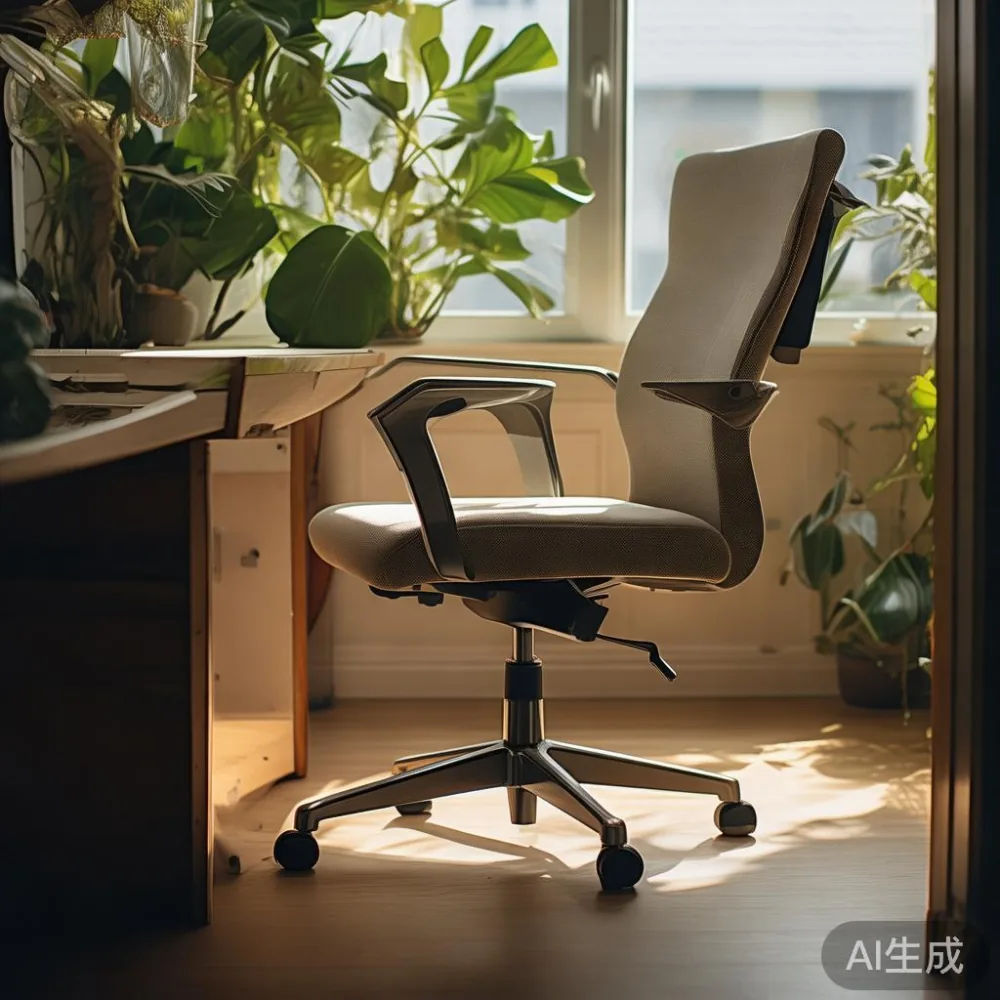
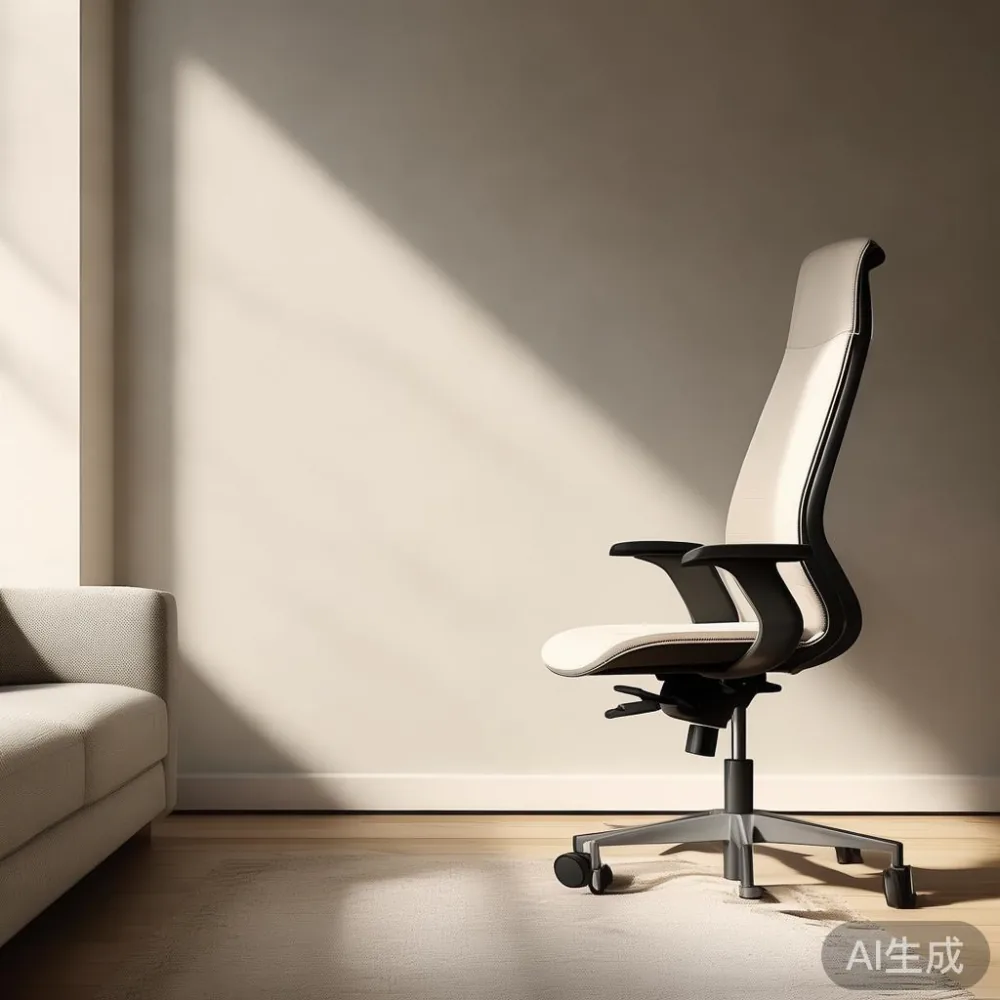
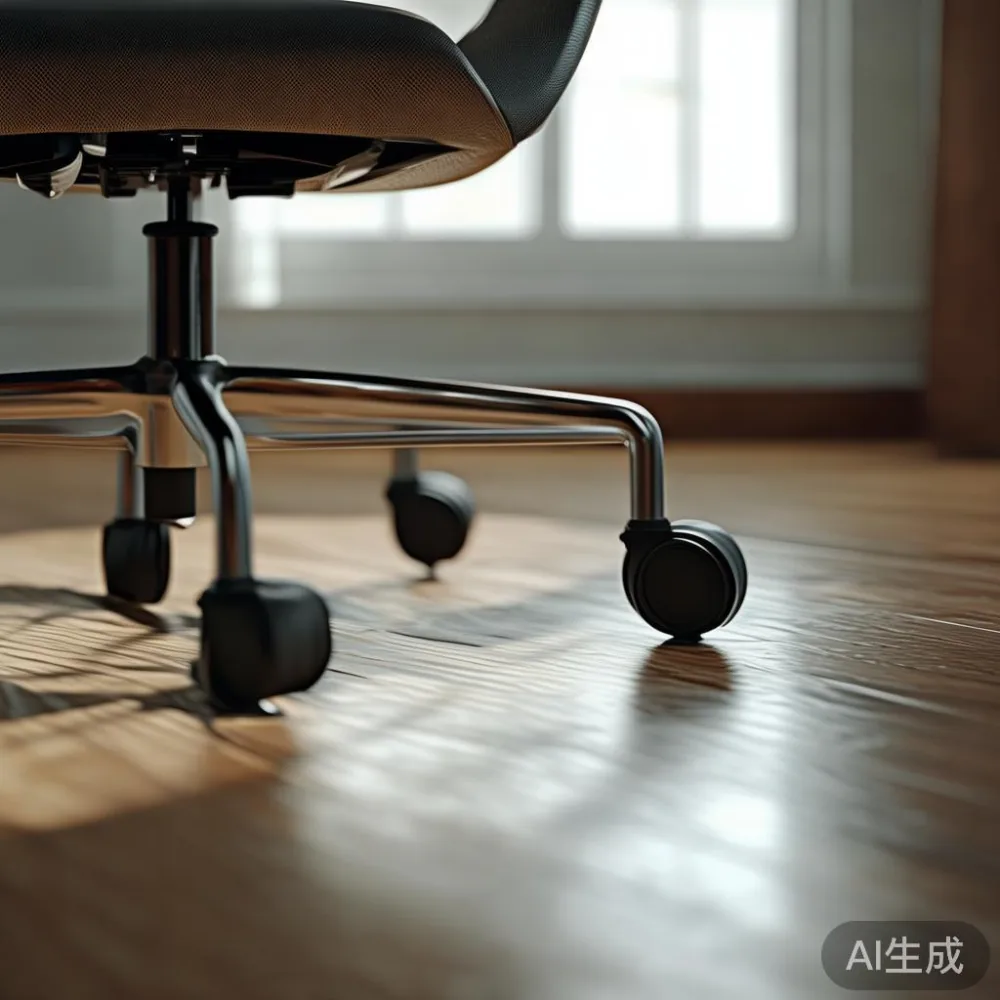
An ergonomic chair needs particular attention because its adjustment mechanism, gas lift, armrests and mesh can respond differently to moisture. The upholstered seat may use high-density foam, while the backrest may combine breathable mesh with a rigid support. Check that every screw remains secure, that the height adjustment works through its full 40–60 mm range and that the tilt lock holds at 3 or 4 positions.
Humidity does not automatically shorten the life of an ergonomic chair, but corrosion, damp foam and swollen wood components can affect performance. Keep the chair at least 300 mm from an open window and 600 mm from an air-conditioning vent, as cold condensation may combine with tropical humidity. Wipe the frame with a slightly damp cloth and dry it immediately with a cotton cloth.
For a home office, aim for 45–60% relative humidity and a temperature near 24–27°C. Position the chair so direct afternoon sun does not heat the seat above 32°C. If the home office is outside the main air-conditioned area, place a hygrometer beside the desk and inspect the chair every 3 months. Loose joints should be tightened before they become rattles.
Use the chair as the starting point for a wider wood-care routine rather than treating it as a completely different product category. The same principles apply to nearby furniture: controlled indoor humidity, dry cleaning, immediate spill removal and regular inspection of moving parts. A chair that remains stable and comfortable is easier to use correctly, whether it sits beside a solid wood sofa, a bed frame or a compact writing desk.
Which finishes age best in Singapore?
Hardwax oil and matte lacquer can work well on solid wood because they allow the grain to remain visible and make small scratches easier to repair. Glossy lacquer gives a light-luxury appearance and is easier to wipe clean, but moisture-related movement can look more obvious under strong reflections. Film-forming finishes should be applied evenly to all faces, including undersides and end grain.
French light luxury often pairs pale woods, soft upholstery and curved profiles, while American light luxury favours clean lines and darker stained timber. Post-modern light luxury may use mixed materials and stronger geometric forms. Search terms such as modern Modern light luxury furniture can produce wide-ranging results, so compare the timber species, finish and construction rather than relying on a style label alone.
If a shortlist uses the phrase best Mid-century modern bed for 2026, verify that the bed frame has proper centre supports, not only decorative side legs. Likewise, a Japanese sofa vs Japandi sofa comparison should consider solid wood sofa frames, removable covers and cushion recovery, not just silhouette. A retailer’s for sale Post-modern furniture listing should specify the frame material and finish maintenance requirements.
White oak, teak, ash and similar hardwoods can suit humid interiors when sealed correctly. Teak’s natural resistance to moisture is useful around dining areas, although finish quality still matters. Avoid assuming that any solid wood product is maintenance-free. Inspect sheen changes every 6 months and arrange refinishing when the protective layer becomes thin.
How can compact Singapore homes use these ideas?
Condo loading bays and service lifts may offer larger dimensions than an HDB route, often around 1,100–1,400 mm wide and 2,100–2,300 mm deep. Verify the building’s moving-in rules and reserve the service lift at least 3 days ahead. Corridors may narrow to 1,000 mm around corners. A wardrobe assembled inside the bedroom can therefore be more practical than a rigid carcass carried through the entire route.
For smaller rooms, choose furniture with a clear footprint rather than an oversized decorative presence. A 1,200 mm dining table with 4 chairs works in a compact kitchen-dining zone, while a 450 mm nightstand leaves space for a 300 mm bedside gap. For a guest room, the phrase Nordic for guest room may suggest a light visual style, but humidity control remains a practical priority. Use washable covers and keep the bed frame away from external walls.
For sale Nordic furniture listings should include exact dimensions, timber information and care instructions. A low-profile daybed may fit a 2,400 mm wall, yet a queen bed frame still needs enough space for access. Measurements in millimetres help prevent a delivery-day surprise, especially when the new piece must pass through an 800 mm bedroom door.
Keep at least 50 mm between furniture and walls where possible, and 100 mm where condensation is likely. Do not place a dining table against a floor-to-ceiling window. If condensation forms within 5 minutes of opening the glazing, use a thermal curtain and schedule ventilation during drier hours.
What is a practical 12-month humidity-care schedule?
Check the hygrometer monthly and record readings in the living room and bedroom. Keep indoor relative humidity around 45–60% where feasible, with short-term peaks under 70%. Wipe table tops and other horizontal surfaces every 2 weeks. During wetter periods, inspect drawer runners and cabinet gaps every 2 months.
Arrange a professional refinishing assessment every 12–24 months for high-use dining tables and nightstands. Rotate accessories so one area does not darken repeatedly. Check underneath sofas and bed frames for dampness after heavy rain, and keep objects at least 100 mm above the floor. Do not use steam cleaners on solid timber or upholstered surfaces.
Accidental marks need prompt care. Blot rather than rub a spill, and avoid soaking the surface. Fine abrasions may be treated with the finish recommended by the maker, but deep cracks or separated joints require professional assessment. MIDHILL’s lifetime refinishing service can help preserve furniture when the structure remains sound and the piece has been cared for appropriately.
Humidity is a normal part of life in Singapore, not a reason to avoid solid wood. It becomes a problem when furniture is placed against damp walls, exposed to condensation or forced to move between sharply different environments. Stable indoor conditions, careful measurements and competent joinery give a dining table, wardrobe, nightstand or solid wood sofa a much longer useful life. For a bed frame, ergonomic chair or marble table, the same disciplined routine protects appearance and performance while preserving the comfort of the home.