Humidity and Solid Wood Furniture in Singapore Homes
Singapore’s tropical climate can change the dimensions, movement and surface appearance of solid wood furniture. Rainfall, indoor air-conditioning, HDB flat windows and building-management systems all influence the moisture a table, wardrobe or bed frame receives. This does not make timber unpredictable; it makes controlled moisture management necessary.
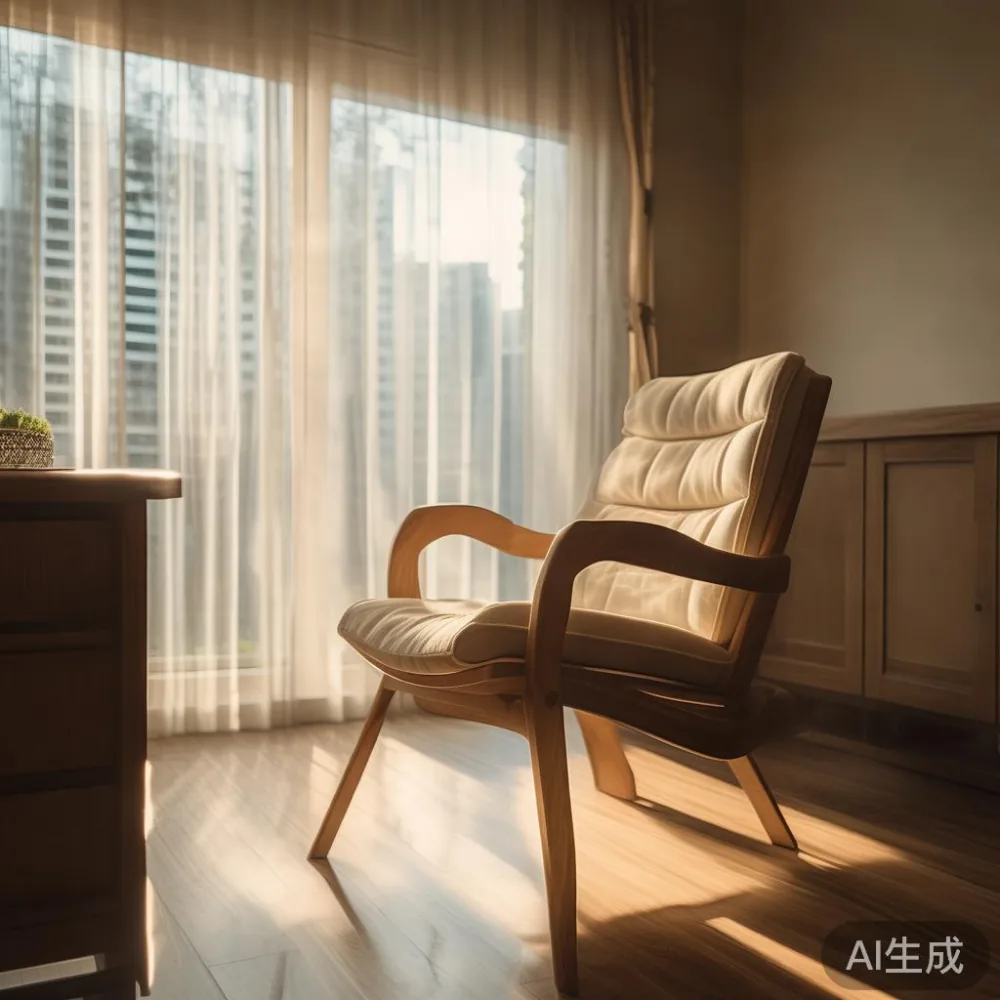
In Tampines, Bedok and Punggol, furniture often arrives through relatively narrow lift lobbies and common corridors. A solid wood dining table may fit inside an HDB lift easily, but a boxed wardrobe can become difficult to turn through a 90-degree landing. The movement team must check the access route, not merely the apartment doorway, while selecting timber with a finish suited to Singapore’s humidity.
MIDHILL designs solid wood furniture for export markets and understands that climate affects wood after delivery, not only inside the factory. A 10-year structural warranty addresses construction, while lifetime refinishing gives owners a practical route to maintain the finish. Prices shown at MIDHILL are in SGD, delivery and return conditions are confirmed at order, and qualifying orders over SGD 350 receive free shipping.
How does humidity change solid wood furniture in Singapore?
Wood exchanges moisture with the surrounding air. When relative humidity rises, fibres absorb moisture and expand. When air becomes drier—often near an air-conditioning vent—the wood releases moisture and contracts. Movement occurs mostly across the grain, so a 180 cm solid wood dining table might change by several millimetres rather than dramatically along its 180 cm length.
The concern is repeated movement. A nightstand beside a frequently opened air-conditioned room door may cycle between moisture levels several times a day. A wardrobe fitted against an external HDB wall can react differently from a bed frame placed 40 cm away from that wall. Expansion can produce gaps at joints, movement in drawer bottoms, or stress if solid timber is fastened too tightly.
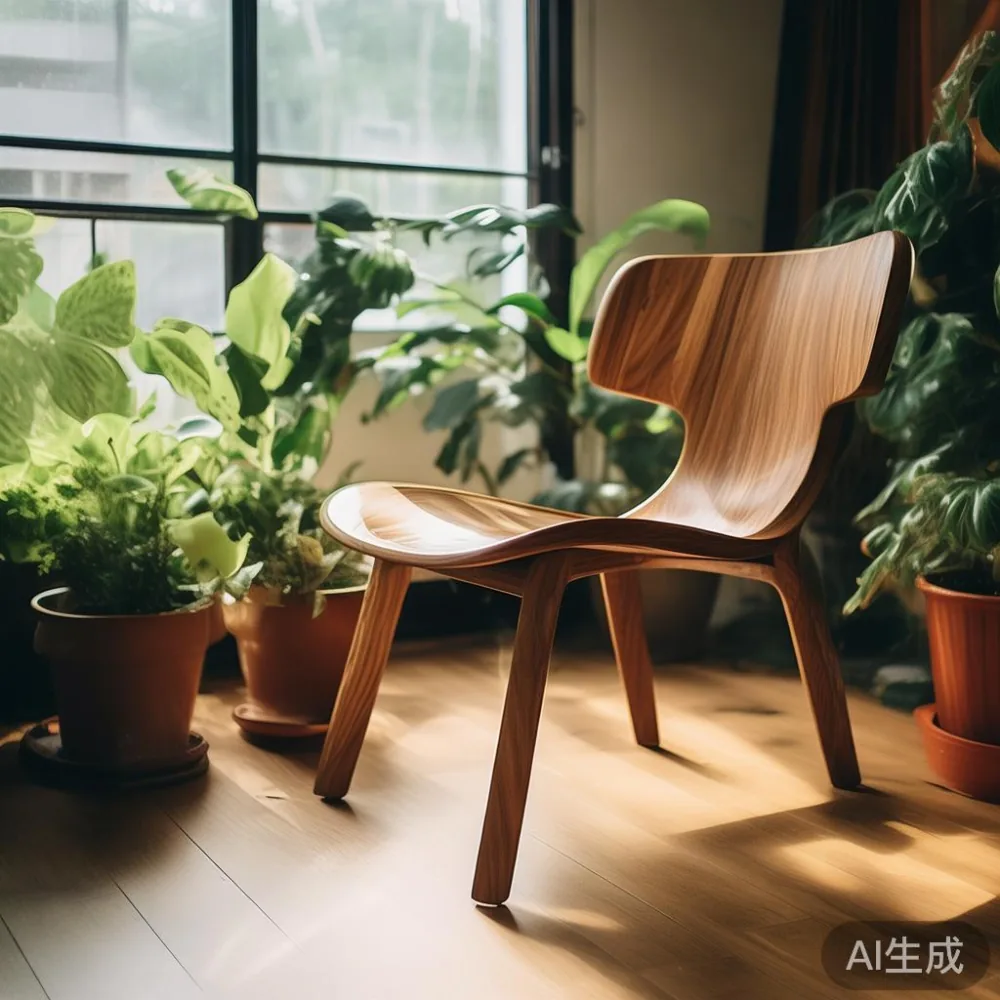
Singapore’s monthly relative humidity commonly ranges from roughly 65% to 90%, while air-conditioned interiors may fall near 40% to 60%. Actual readings depend on rainfall, wind, building orientation, ventilation and sensor quality. A small hygrometer placed near a solid wood sofa, dining table or bed frame is more useful than relying on a weather app alone.
Keep indoor relative humidity within approximately 45% to 65% where practical. This range limits unnecessary movement without making the home damp. Avoid direct air-conditioning discharge, bathroom splashback, kitchen steam and persistent contact with wet cleaning cloths. Wipe spills promptly and place coasters or mats under drinks.
Which timber and finishes suit a humid climate?
Solid wood species differ in dimensional stability and natural resistance, but no timber is moisture-proof. Kiln-dried oak, ash, beech, rubberwood and other properly prepared hardwoods can work in Singapore if moisture, movement and maintenance are managed. Ask the supplier for the target moisture range rather than accepting an unqualified “dry wood” claim.
For furniture with broad horizontal surfaces, such as a dining table or marble table, attention to underside ventilation matters. A marble table combines a stone top with a susceptible substrate; its stone may remain dimensionally stable while the supporting solid wood frame responds to humidity. Protective mats, measured coaster placement and careful lifting help protect both materials.
A hard-wearing finish can slow moisture exchange, but it cannot eliminate dimensional change. Pores should be prepared and sealed consistently, including end grain and edges. Consumer-grade lacquer can be adequate in controlled interiors, while a maintainable coating system may suit homes experiencing frequent wet-weather ventilation.
For light-luxury interiors, French light luxury often pairs pale timber, restrained upholstery and curved profiles. Post-modern light luxury can use clean lines, warm oak and softened geometry. American light luxury commonly features darker, substantial forms. Each style still requires the same moisture controls; appearance does not determine stability.
MIDHILL can supply finish information for an ergonomic chair, solid wood sofa, bed frame, dining table, wardrobe or nightstand. Request written care guidance because changing between incompatible oil, lacquer and wax systems can create patchiness.
What should homeowners check before delivery?
Measure the complete access path, including the street, void deck, lobby, lift car, lift door, corridors and turns. Standard HDB lift doors may be about 80 to 90 cm wide, with car depths varying by block. Corridors and household doors may be narrower, while a fully opened lift car can reduce manoeuvring room.
Record package dimensions and weight rather than furniture dimensions alone. A wardrobe assembled upright may require lift-door diagonal clearance; disassembled components may reduce the package size but increase assembly time. For example, a boxed section measuring 180 × 70 × 25 cm should be checked against the actual turning space. Heavier components may need 2-person handling. Confirm the combined weight, working corridor clearance and any building booking requirements before dispatch.
Ask whether the quoted SGD price includes GST. Singapore’s standard GST is 9%, and a quotation should distinguish the displayed item price from tax, delivery and installation charges. Confirm the estimated delivery window in days, because lift reservations, monsoon weather and access restrictions can affect the date. Allow approximately 7 to 14 delivery days for many local orders, subject to stock and route availability.
Inspect visible surfaces after arrival. Photograph the sofa upholstery, table edges, wardrobe corners and bed frame joints before assembly if damage is suspected. Keep packaging dry during handover, and retain a spare moisture meter for seasonal checks.
How can an ergonomic chair and other wood pieces share one care routine?
An ergonomic chair contains a supportive frame or base that may use metal, moulded components and solid timber touches, while cushions can flex as users move. Wood components still need moderate humidity. Place it at least 30 cm from an air-conditioning vent where possible, and avoid misting the seat, armrests or wood trim. Check adjustment mechanisms every 6 months and clean moving parts according to the manufacturer’s instructions.
For coordinated furniture care, establish a weekly routine. Use a dry microfibre cloth on timber surfaces, check under coasters and inspect visible joints. Wipe wardrobe tracks monthly, but do not flood them. Keep 5 cm of clearance behind a movable dining chair and leave enough ventilation around a wardrobe fitted against an exterior wall.
For style research, a useful search such as where to buy coffee table from MIDHILL can support material and finish comparisons, although the chosen coffee table should also suit the available living-room clearance. The phrase “where to buy coffee table from MIDHILL” is a purchasing route, not a substitute for climate control.
Leather or fabric seat materials require their own care. Follow the upholstery supplier’s cleaning code, because “W”, “S” and “WS” have different meanings. Test cleaners on an unseen 5 cm area, use moisture sparingly and dry the surface fully. For an ergonomic chair, avoid direct sunlight because UV fading and wood surface checking can occur together, even in humid conditions.
How should I manage moisture around solid wood sofas and bed frames?
Leave breathing room wherever possible. A solid wood sofa with solid timber feet should sit on a level, dry floor; lifting it by armrests can loosen joints. Keep fabric 20 cm or more from curtains that remain wet after rain, and maintain air movement in a room without forcing strong conditioned air across timber.
For bed frames, do not place bedding or stored linen tightly against headboards made from timber. Vacuum drawer channels every 3 months and check that ventilation gaps are not blocked. If a bed frame sits beside an HDB external wall, monitor it with a hygrometer for 7 days before making a permanent adjustment.
Style planning should support access and airflow. If you are considering how to style American bed in room, measure the frame, side tables and wall clearance together; a visually substantial bed still needs a dry placement. A French provincial sofa may suit a light-luxury HDB living room if its dimensions fit the lift route and its fabric can be dried safely.
Before comparing European sofa vs Nordic sofa options, check frame material, cushion maintenance, floor clearance and delivery size. For practical spacing, Coastal for small living room often means pale colours, visible floor area and furniture with restrained footprints. Japanese sofa vs Mid-century modern sofa is another comparison that should include seat support and wood care, not only profile.
What care products and maintenance schedule should I use?
Choose pH-neutral wood cleaner approved for the finish, plus soft cloths, felt pads and coasters. Avoid abrasive sponges, silicone-heavy polish and unapproved oil on lacquered furniture. Keep cleaning liquid on the cloth rather than spraying it onto a dining table, nightstand or wardrobe.
A simple schedule can reduce surprises. Check a hygrometer weekly and record readings near the furniture. Dust every 2 weeks with a dry cloth. Inspect coasters and spills daily in a busy dining area. Every 3 months, check drawer runners, sofa legs, ergonomic chair controls and bed-frame joints. Every year, review finish wear, wall gaps and any seasonal movement.
For a refinishing decision, distinguish surface maintenance from structural repair. Light scratching may be treated according to the finish system, while a loose joint, split panel or weakened connection should be assessed separately. MIDHILL’s lifetime refinishing service can be discussed with the manufacturer, but the service scope, transport and applicable finish should be confirmed in writing.
What did I observe during a recent home visit?
Last month I visited a 3-room HDB flat in Punggol to examine moisture-related movement on a solid wood dining table and an ergonomic chair. The table sat near a sliding glass door, and the owner reported a sticky drawer during wet afternoons. A hygrometer near the table read 79%, while another beside an interior partition read 63%.
The table had been wiped with a damp cloth shortly before lunch. The cloth left visible moisture at the edge, and the drawer bottom had begun to rub lightly. I moved the cloth away, increased ventilation when outdoor conditions allowed, and recommended a dry finishing process. After 10 days with no direct wet wiping, the drawer stopped catching under normal use.
The ergonomic chair was positioned beneath an air-conditioning outlet. Its timber armrest felt cooler and the finish showed minor dryness marks. Moving it 45 cm away from the direct stream and checking the mechanism every 6 months improved the setup. The visit reinforced a simple point: wood does not need to encounter extreme water to reveal a maintenance issue; small, repeated moisture changes matter.
Can humidity damage a marble table or wardrobe?
Humidity can cause the wooden support beneath a marble table to move, while marble itself has very low water absorption. Lift the top by its approved points rather than pulling it across the frame. Use stable pads and avoid placing hot cookware directly on stone. Clean with a neutral product and a soft cloth.
A wardrobe needs more space than its front face suggests. Leave 25 to 50 mm at the back where installation permits, ensure top ventilation, and do not seal timber edges against damp walls with rigid adhesive. For HDB blocks near the coast or heavily shaded corridors, inspect the wall with a moisture meter before fixing tall units.
Use the same disciplined approach across an ergonomic chair, solid wood sofa, bed frame, dining table, wardrobe and nightstand. Keep water away from joints, maintain airflow, measure the route, confirm SGD 350 and 9% GST details, and document delivery condition. Humidity becomes manageable when each wood part has adequate preparation and each home has a repeatable care routine.