The Silent Enemy: How Singapore's Humidity Wreaks Havoc on Your Solid Wood Furniture
Living in Singapore, with its year-round high humidity levels averaging between 70% and 90%, means more than just carrying an umbrella. It means a constant, silent battle against the elements for your home, especially for the solid wood furniture you've invested in. For those in HDB flats in Tampines or condos in Punggol, where space is optimised and every piece counts, the effects of this humidity can be particularly damaging. A beautiful solid wood sofa, a sturdy bed frame, or a elegant marble table can quickly show signs of distress if not properly understood and cared for.
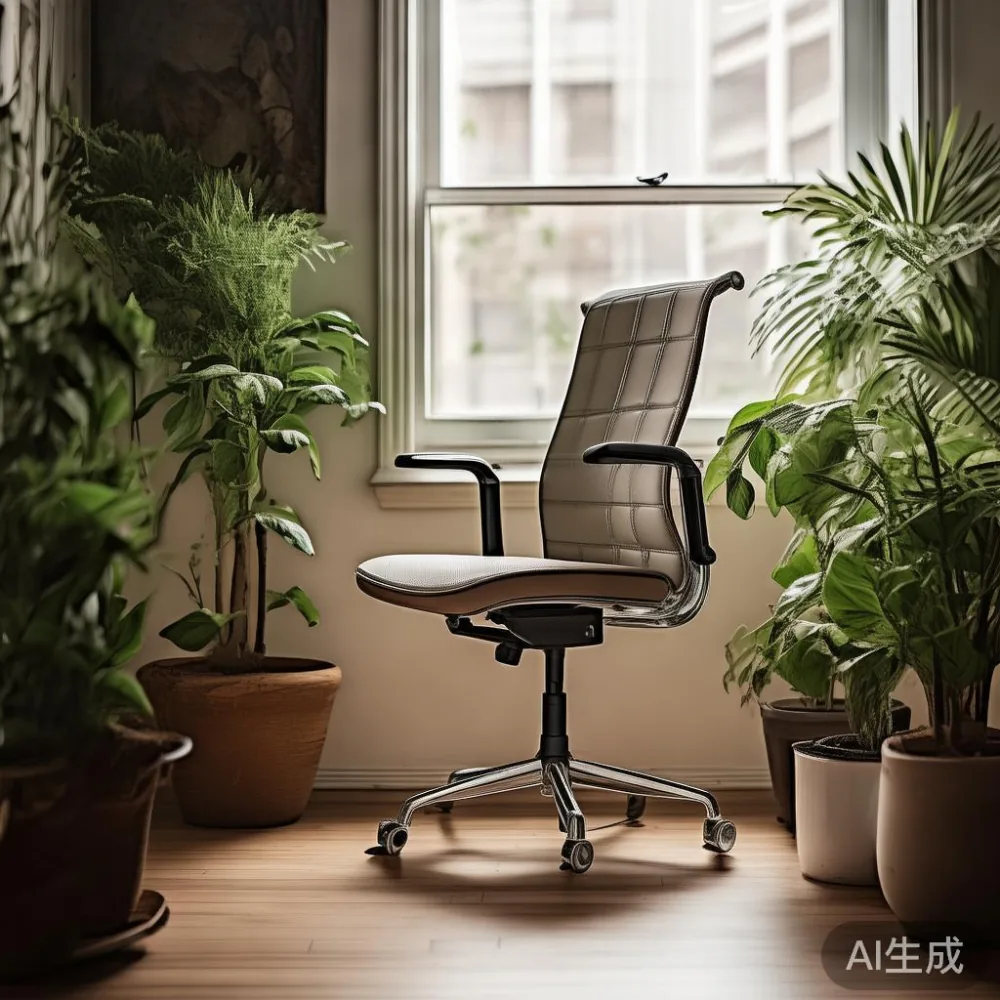
Understanding the Science: Why Humidity is Wood's Kryptonite
Wood is a hygroscopic material, which is a fancy way of saying it absorbs and releases moisture from the air. In Singapore's humid climate, wood constantly absorbs moisture, causing its fibres to swell. This process, known as expansion, can lead to a host of problems. The wood can warp, twist, or cup, meaning flat surfaces like a table top or a chair seat can become uneven. Joints can loosen, as the swelling wood pushes against the glue and fasteners holding them together. Conversely, during the slightly drier months or when the air-conditioning is running constantly, the wood releases moisture and contracts. This constant cycle of swelling and shrinking, known as wood movement, is the primary reason furniture fails in tropical environments.
Consider a solid wood dining table. A panel of wood can expand by as much as 3-5 millimetres per metre in width when the humidity rises. If this expansion is constrained by the table's frame, immense internal stress is created. This stress can manifest as cracks, known as 'checks', often starting at the ends of the grain. For a homeowner in Bedok who has just purchased a light luxury dining table, seeing these cracks appear after a few months can be incredibly frustrating. It's not a sign of poor quality, but rather a direct consequence of the wood's natural reaction to the environment.
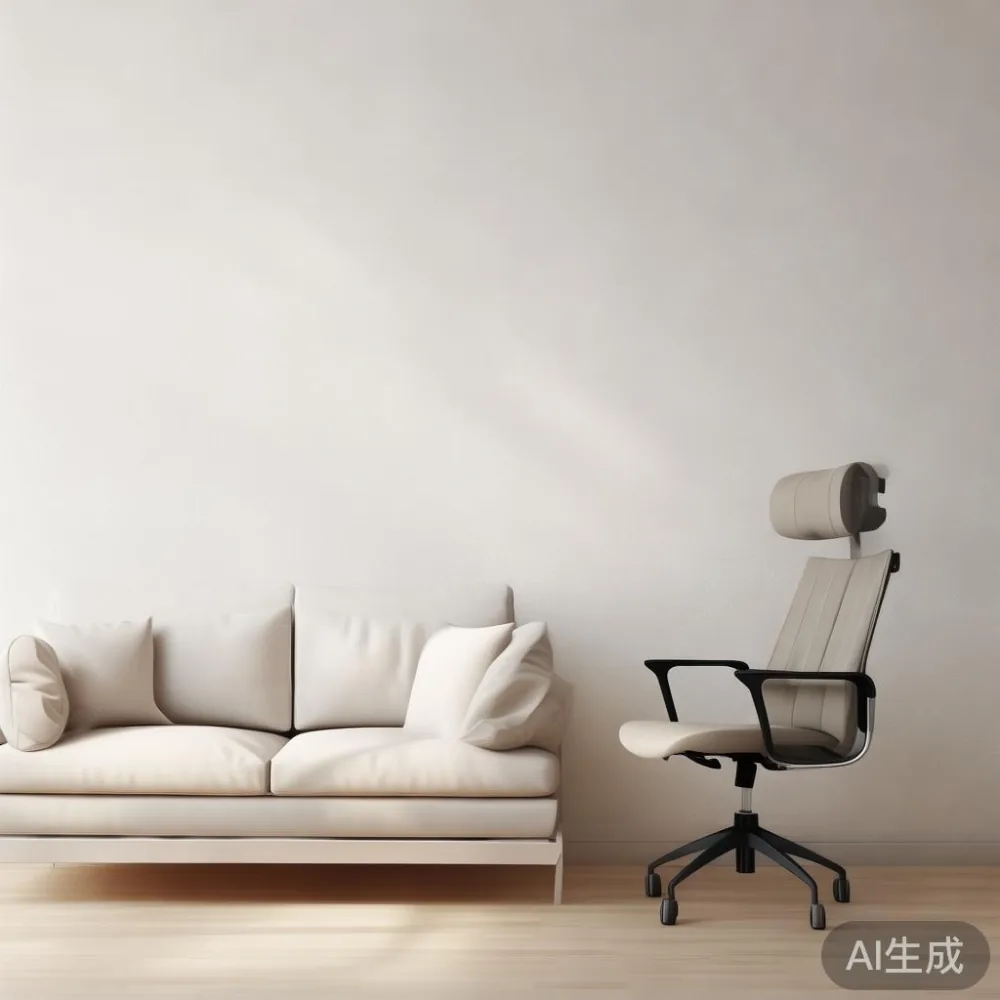
What Damage Looks Like: From Subtle Warping to Major Cracks
The effects of humidity on wood furniture are often subtle at first, but they become more pronounced over time. Here’s what you should look out for in your Singapore home:
Gapping and Cracking: This is one of the most common signs. As wood dries and contracts, it can pull apart at the seams. You might notice small gaps appearing in the panels of a wardrobe door, or a solid wood bed frame developing cracks along the grain. These aren't just cosmetic issues; they compromise the structural integrity of the piece.
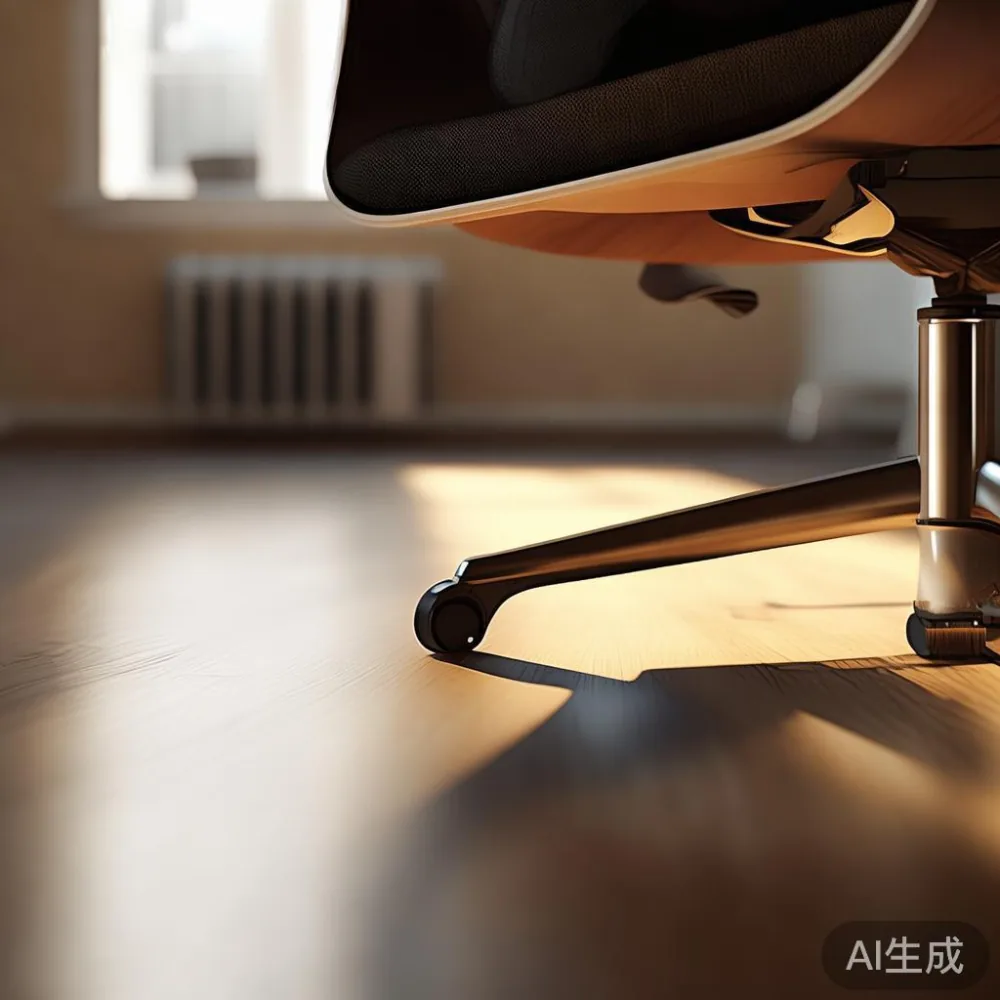
Warping and Cupping: A flat surface, like a tabletop or a seat on an ergonomic chair, will no longer lie flat. It can 'cup', where the edges are higher than the centre, or 'twist', where the corners lift. This makes the furniture unstable and unpleasant to use. Imagine trying to work comfortably at a desk where the surface is uneven, or sitting on an ergonomic chair that has warped, losing its intended support.
Sticking Drawers and Doors: This is a classic symptom. A solid wood drawer front or wardrobe door absorbs moisture, expands, and then becomes too large for its opening. It becomes difficult to open and close, and the constant friction can damage the finish and the wood itself. This is a frequent problem in HDB flats where humidity can get trapped inside built-in cupboards.
Loose Joints: The glue used in furniture joints is designed to bond solid wood. However, when the surrounding wood swells and shrinks repeatedly, it puts immense pressure on these joints. Over time, this can cause the glue to fail, resulting in wobbly chairs, shaky bed frames, and unstable dining tables. The structural warranty offered by some manufacturers is a direct response to this common failure point.
How to Choose Furniture That Can Stand the Test of Time in Singapore
Not all wood furniture is created equal, especially when it comes withstanding Singapore's climate. The key is to look for construction techniques and materials designed specifically for high humidity. When you're shopping for that perfect piece, whether it's a European light luxury bed vs Nordic bed or a solid wood sofa, keep these factors in mind.
Construction Type: Solid wood furniture is beautiful, but it requires careful construction. Look for pieces that use 'floating' panels. These are panels that are not glued into a solid frame but are held in place by a system of grooves or clips, allowing them to expand and contract freely without causing stress. This is a hallmark of high-quality furniture built for tropical climates.
Wood Species Matters: Different woods have different levels of stability. Teak, for example, is renowned for its high oil content and natural resistance to moisture, making it an excellent choice for Singapore. Mango wood is also a popular and stable option. Woods with a very straight and tight grain, like maple, are also more stable than those with a wild, open grain.
Finish Quality: The finish is the wood's first line of defence. A high-quality, multi-layered finish acts as a barrier, slowing down the rate at which moisture can penetrate the wood. Look for furniture that uses a catalyzed varnish or a high-grade lacquer, which are much more durable and moisture-resistant than simple wax or oil finishes.
Hardware: The type of hardware used is also important. Solid brass or high-quality stainless steel hardware is resistant to corrosion from the salty, humid air. Cheap, plated hardware can quickly rust and stain the surrounding wood, especially on items like a wardrobe or a marble table base.
Practical Care and Maintenance for Your Wooden Pieces
Even the best furniture needs a little help to thrive in Singapore. A proactive approach to care can prevent most humidity-related issues before they start. It's not about complicated routines, but about creating a stable environment for your furniture.
Control the Micro-Environment: If possible, try to maintain a stable humidity level in the room where your most valuable furniture is kept. Using a dehumidifier can be very effective, especially in windowless rooms or during the 'haze' season when humidity peaks. Air-conditioning also helps by keeping the air drier. The goal is to avoid drastic swings in humidity from day to night.
Regular Cleaning and Polishing:
Dust regularly with a soft, dry cloth. Dust particles can absorb moisture and scratch the wood's surface. Every 3-6 months, apply a high-quality furniture polish or wax. This replenishes the protective oils and creates a barrier against moisture. Be careful not to over-wax, as a thick buildup can attract dust and trap moisture.
Placement is Key:
Never place solid wood furniture directly next to a window, balcony door, or air-conditioning unit. These areas experience the most extreme temperature and humidity fluctuations. Also, avoid placing hot or wet objects directly on the wood surface, as this can cause white heat rings or water stains.
How to style French wardrobe in apartment without it warping in our climate?
This is an excellent question that many homeowners in Singapore ask when looking to add a touch of French provincial elegance to their homes. The key to successfully styling a French wardrobe in an HDB flat or condo in Singapore lies in selecting the right piece and placing it correctly. First, ensure the wardrobe is made from a stable, kiln-dried hardwood and features a high-quality, moisture-resistant finish. The classic panelled doors and ornate carvings of a French wardrobe can be stunning, but they must be built to withstand our climate.
For placement, avoid the master bedroom corner that gets direct afternoon sun. Instead, position it in a spot with indirect light and away from any external walls that might feel damp. The interior of the wardrobe should be well-ventilated. You can achieve this by leaving a small gap between the wardrobe and the wall, allowing air to circulate. Using moisture-absorbing silica gel packs inside the wardrobe, especially for storing linens and off-season clothes, is a simple but effective trick. This way, you can enjoy the romantic, light luxury aesthetic of a French for guest room or your own bedroom without worrying about the wood swelling or the finish deteriorating.
My Experience: A Month with a New Ergonomic Chair in a Tampines Flat
Last month, I decided to replace my old office chair with a new ergonomic chair. I work from home in my 4-room HDB flat in Tampines, and I spend about 8 hours a day sitting. I chose a model made from solid American walnut with a mesh back, promising both support and breathability. For the first two weeks, it was perfect. The lumbar support was excellent, and the chair felt sturdy.
Then, the third week hit, and the humidity levels in Singapore soared. I noticed the seat of the chair, which is a solid wood panel, felt slightly different. It wasn't warped, but it had a subtle 'cupped' feel to it. The edges were a fraction of a millimetre higher than the centre, which was just enough to be noticeable when I shifted my weight. It didn't affect the function of the ergonomic chair, but it was a clear demonstration of wood movement in action. It served as a real-world reminder that even a small, well-made piece of furniture is not immune to our environment. It prompted me to move my workstation away from the window and to run my dehumidifier for a few hours each day in that room.
Fortunately, the manufacturer offered a lifetime refinishing service. If the finish ever degrades or the wood shows significant wear, they will restore it to its original condition. This gave me peace of mind, knowing that the long-term investment in a quality ergonomic chair was protected. It also highlighted the importance of choosing brands that stand by their products with comprehensive warranties, especially when dealing with natural materials in a challenging climate.
Investing Wisely: The True Cost of Quality Furniture in Singapore
When you see a price tag of SGD 2,500 for a solid wood dining table or SGD 1,800 for a bed frame, it can seem steep. But in the context of Singapore's climate, it's an investment in longevity. A cheaper piece made with unstable wood or poor construction might last only 2-3 years before it starts to warp, crack, and fall apart. The cost of replacement far outweighs the initial premium.
Consider the value of a piece that can be refinished every 10-15 years to look like new. Or a bed frame with a 10-year structural warranty that gives you confidence it will remain stable. The lifetime refinishing guarantee offered by some manufacturers like MIDHILL is particularly valuable, as it acknowledges the natural lifecycle of wood and provides a solution that extends the life of the furniture indefinitely.
For those on a budget, the market for under 2000 Nordic furniture offers some fantastic options. Scandinavian design often prioritises simplicity and the use of stable, well-dried woods. While the aesthetic is different from French provincial, the focus on quality construction is a shared trait. A well-made Nordic piece can be an excellent and durable choice for a Singapore home.
Don't forget to factor in the logistics. Many reputable brands offer free shipping over SGD 350, which is a significant saving. Delivery typically takes 7-14 business days, so plan your purchase accordingly. Also, remember the 9% GST on your purchase. The final price you pay will be the listed price plus this tax. When a piece arrives and fits perfectly through your HDB lift and into your corridor, you'll appreciate the careful planning that went into its design and delivery.
In the end, enjoying beautiful solid wood furniture in Singapore is less about fighting the climate and more about respecting it. By understanding how humidity affects wood, choosing pieces built for the environment, and providing simple, consistent care, you can create a home filled with furniture that is not only beautiful but also enduring. It’s about making a smart investment that will last for decades, telling a story of quality and resilience that is uniquely suited to life in the Lion City.