The Anatomy of Solid Wood Furniture Pricing: A Singapore Perspective
Walking through a furniture showroom in Singapore, the price difference between two seemingly similar chairs can be staggering. One might be priced at SGD 890, while another, looking almost identical, costs SGD 2,500. For homeowners working through the narrow corridors of their HDB flat in Tampines or a compact condo in Punggol, understanding what justifies this cost is not just about budgeting; it's about making a wise, long-term investment in their living space. The term 'solid wood' is often thrown around, but it's a broad category that hides a world of complexity. Let's pull back the curtain on the actual factors that drive the price of solid wood furniture, from the forest floor to your living room floor.
Is Solid Wood Furniture Just Expensive Wood? The Material Story
The most fundamental component of any solid wood piece is, of course, the wood itself. However, the type of wood is where the first major price divergence begins. Solid wood furniture can be made from a vast array of species, each with its own characteristics, availability, and cost.
Common, more affordable options like rubberwood or acacia are popular choices for pieces like dining tables and bed frames. A solid rubberwood dining table for a 4-person setting might start around SGD 1,200. These woods are durable and sustainable, making them excellent value for money. On the other end of the spectrum, you have premium hardwoods like American white oak, European walnut, or teak. A solid American white oak dining table of similar dimensions could easily command a price of SGD 3,500 or more. The difference lies in density, grain pattern, longevity, and origin. Imported woods, especially those from North America or Europe, carry significant import duties and logistical costs, which are factored into the final price. For instance, a single plank of European walnut can cost a manufacturer SGD 80-120 per square foot before it's even cut and shaped.
For those seeking a touch of French light luxury, the material choice becomes even more specific. Pieces from this aesthetic often feature woods like walnut or oak, combined with materials like brushed brass or linen upholstery. A solid wood sofa in this style, for example, might use premium oak for its frame and high-density foam for cushions, contributing to a price point of SGD 5,000 and above. The material isn't just a functional element; it's the very definition of the product's character and perceived value.
Why Does a Wardrobe Cost More Than a Nightstand? The Mathematics of Size and Complexity
It might seem obvious, but the sheer volume and complexity of a piece of furniture are primary drivers of its cost. A simple nightstand, perhaps 40cm wide by 40cm deep, requires a small amount of wood and involves relatively straightforward joinery. A wardrobe, however, is a completely different beast. A standard 150cm wide wardrobe standing at 200cm tall involves multiple large panels, intricate drawer systems, internal shelving, and potentially a hanging rod.
The cost of materials scales with size, but the labour cost increases exponentially. A wardrobe requires precision cutting of many large pieces, complex assembly of drawers and doors, and extensive finishing. The difference in labour hours between crafting a nightstand and a wardrobe can be 10 to 1, directly impacting the price. A solid wood nightstand might cost SGD 450, while a comparable solid wood wardrobe could be priced at SGD 2,800. This is why a marble table, even with a smaller surface area than a wooden dining table, can be so expensive. The slab of marble itself is a significant material cost, and the process of polishing, edging, and securing it to a base is highly specialised.
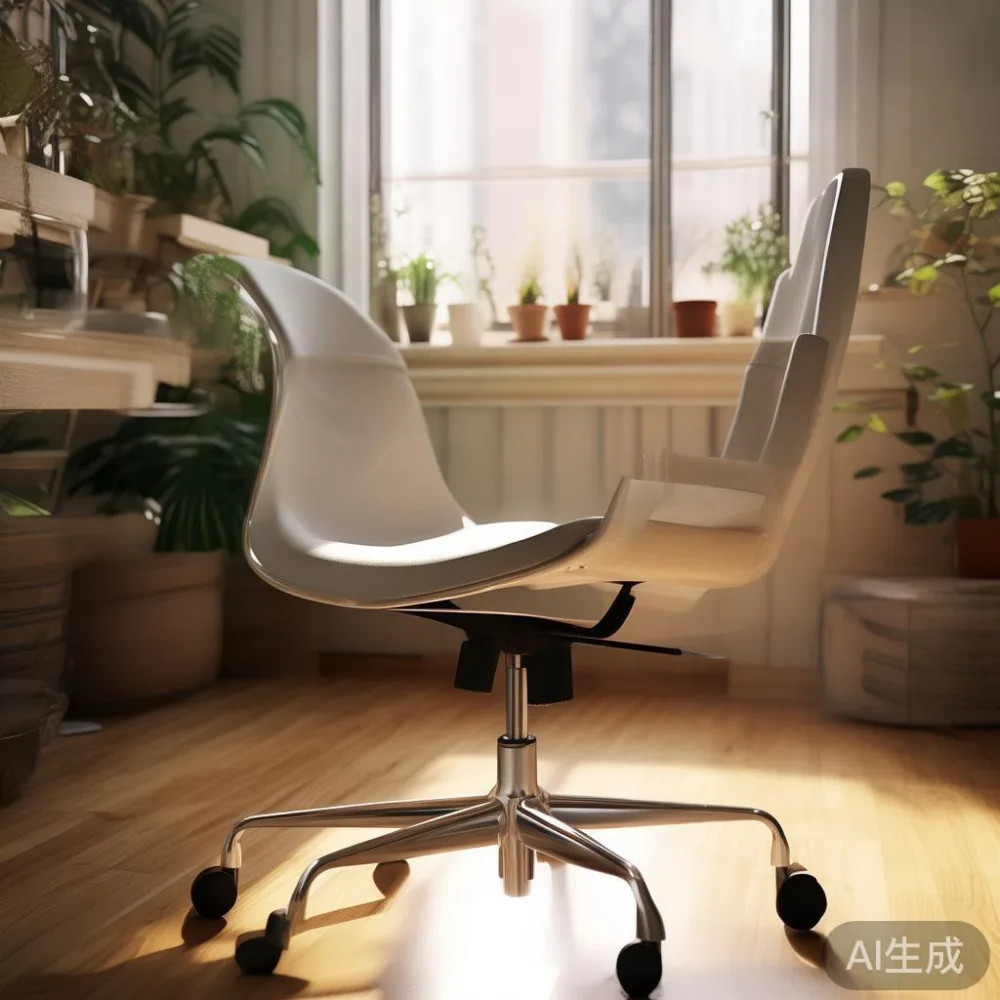
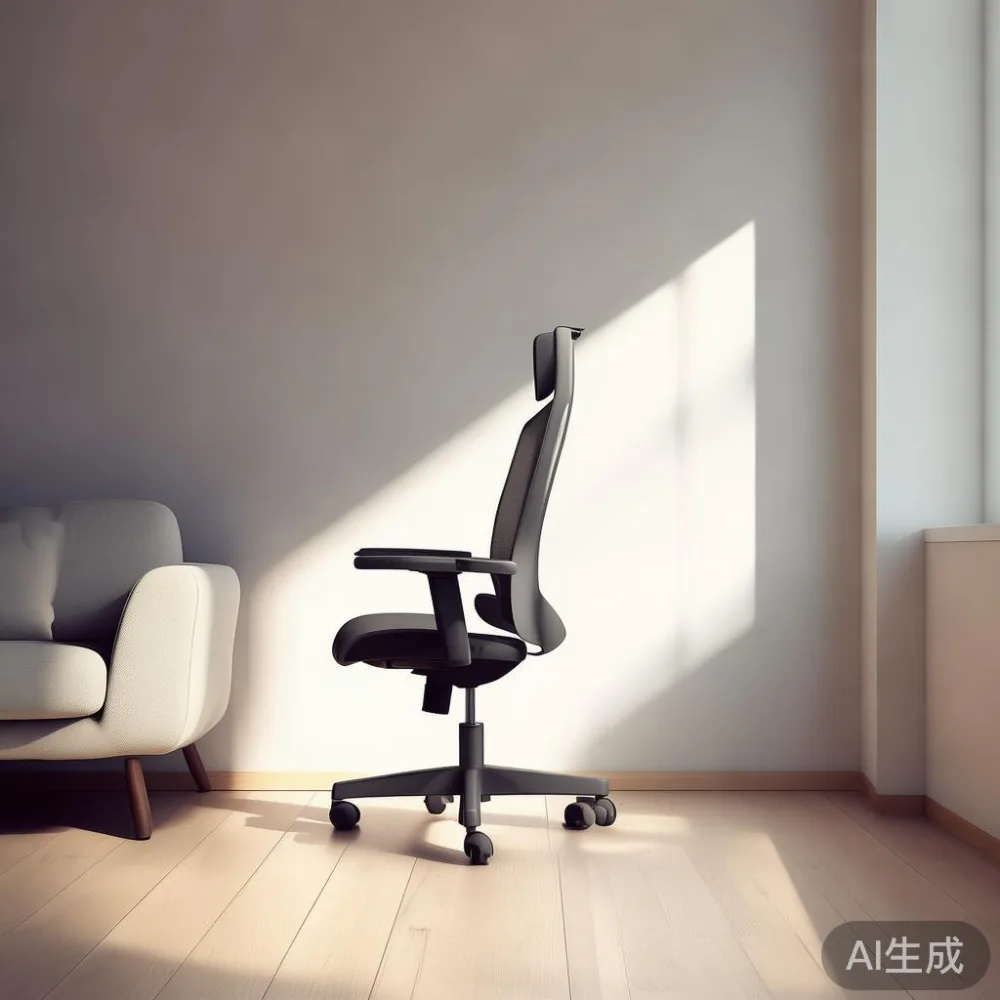
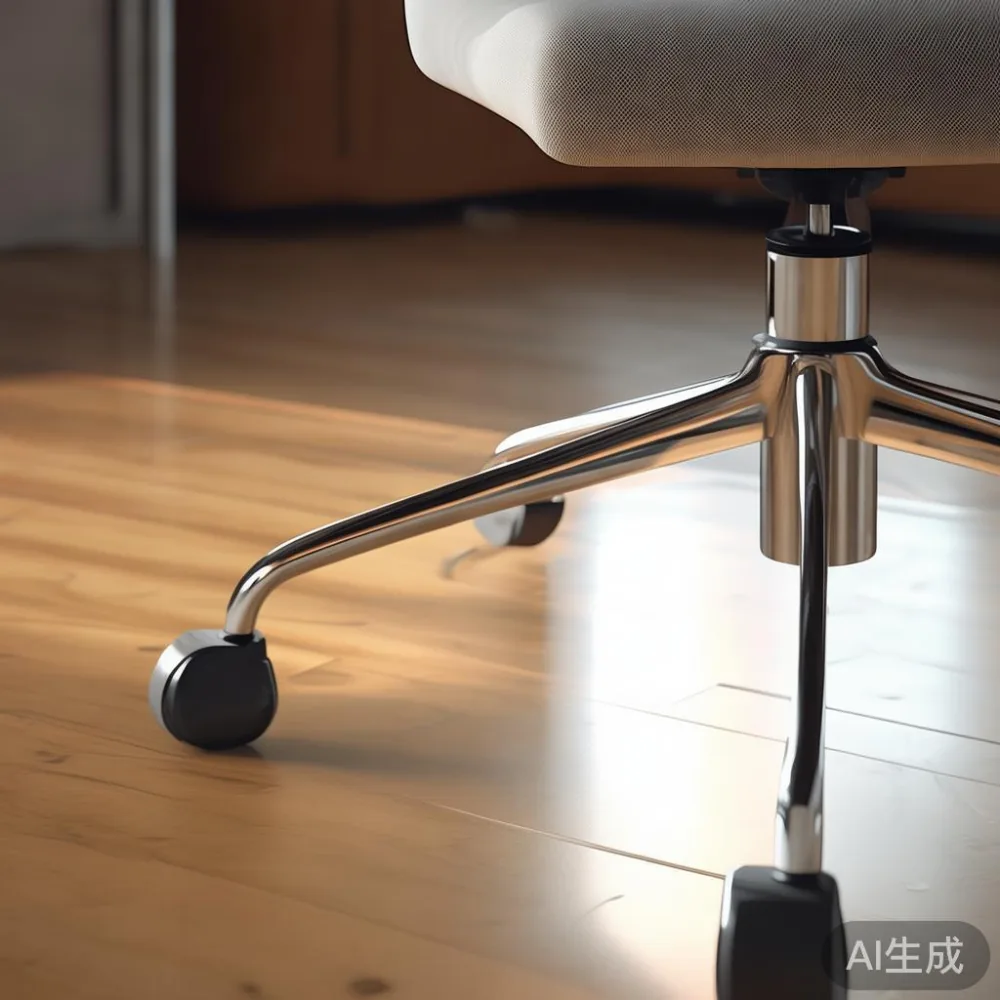
This principle applies directly to ergonomic chairs as well. A basic office chair might have a simple plastic back and a standard gas lift. A high-end ergonomic chair, however, features a complex mechanism with multiple points of adjustment, a fully synchronised tilt system, and a moulded seat and backrest made from a single piece of plywood or polymer. The engineering and assembly required for this chair are far greater, justifying its higher price point.
The Invisible Hands: Craftsmanship and Labour Costs
Behind every smooth finish and tight joint is the skill of the craftsman. This is where the 'Made in Foshan' origin of many quality pieces like those from MIDHILL comes into play. Foshan has become a hub for skilled furniture manufacturing, combining traditional techniques with modern efficiency. A master carpenter with 15 years of experience commands a higher wage than an unskilled labourer, and their expertise is reflected in the final product.
Consider the process of creating a solid wood bed frame. It's not just about nailing pieces together. It involves techniques like mortise and tenon joints, which interlock pieces of wood without nails or screws, creating an incredibly strong and durable connection. This requires precision cutting and fitting, skills that take years to master. The finishing process is equally labour-intensive. A piece might be sanded by hand up to five times with progressively finer grits before the first coat of oil or lacquer is applied. Between each coat, it must be left to cure for 24-48 hours. A complex piece like a solid wood sofa with button-tufted upholstery involves the work of both a woodworker and an upholsterer, each adding their own layer of skill and time to the final cost.
Last month, I visited a partner workshop in Foshan to understand their process. I watched a craftsman hand-carve the legs for a dining table. Each leg took him over two hours to shape, ensuring the curves were perfect and symmetrical. This level of detail is something machines cannot replicate and is a key reason why hand-finished or hand-finished elements command a premium price.
How Singapore's Unique Living Spaces Influence Furniture Design and Price
In a country like Singapore, where space is a premium, the design of furniture is not just about aesthetics; it's about functionality and suitability for the local environment. This directly impacts the price. A wardrobe for a typical HDB flat in Bedok needs to be tall and slim to fit into a niche, often with custom dimensions to match the exact wall space. A wardrobe for a condo in Punggol might need to be more modular to fit different layouts. This customisation requires additional design time and flexible manufacturing processes, which add to the cost.
Also, Singapore's climate plays a role. High humidity can cause some woods to warp or crack. Reputable manufacturers use woods that are more stable in humid conditions or apply specific types of finishes that create a more moisture-resistant barrier. This attention to detail for the local climate is an added value that is baked into the price of quality furniture. The logistics of getting a large piece of furniture into an HDB flat also add a layer of cost. Lift widths in older estates can be as narrow as 80cm, requiring furniture to be disassembled and reassembled on-site. This specialised delivery and assembly service is often included in the price of higher-end pieces but adds a significant operational cost for the manufacturer.
What About the Warranty and After-Sales Support?
When you see a 10-year structural warranty and a lifetime refinishing promise, you are not just buying a piece of furniture; you are buying peace of mind. These commitments are a significant part of the product's value and, therefore, its price. A company offering such guarantees stands behind the quality of its materials and construction. They are confident that their ergonomic chair will not break under normal use for a decade and that the wood will not degrade over decades.
Providing this level of support requires a solid infrastructure. It means having a dedicated customer service team, a network of repair technicians, and a system for sourcing replacement parts years down the line. This ongoing operational cost is factored into the initial price of the furniture. A company that offers no such warranty has a lower overhead, but the consumer takes on all the risk. The price difference between a product with a 1-year warranty and one with a 10-year warranty is a direct reflection of the manufacturer's confidence in their product and their commitment to the customer.
For example, a brand that offers free shipping over SGD 350 is absorbing the cost of logistics for most orders. This is a customer-centric policy that simplifies the purchasing process, but it's a service that has to be paid for. Similarly, a 14-day return policy gives the buyer a safety net, but it creates administrative and logistical work for the company. These services, while beneficial to the consumer, are part of the total value proposition and contribute to the price structure.
Why Does That Ergonomic Chair Cost So Much? A Final Breakdown
Let's bring it all together with a concrete example. Consider a high-end ergonomic chair priced at SGD 1,800. What are you actually paying for?
Material: The chair might use American white oak for the frame and a high-grade mesh or leather for the seat and back. The wood itself, imported and milled, might cost SGD 300. The premium mesh and components could add another SGD 200. Materials: SGD 500.
Design and Engineering: The chair's synchronised tilt mechanism, lumbar support adjustment, and armrest height controls are the result of extensive research and development. The design team spent months perfecting the ergonomics. This R&D cost, spread across the production run, might add SGD 150 to the price of each chair.
Labour and Craftsmanship: A skilled assembler takes approximately 2.5 hours to put the chair together, ensuring all mechanisms are functioning correctly. The wood components are hand-finished and sanded. At an average labour rate, this adds SGD 250 to the cost.
Overheads and Margin: This includes the factory's rent in Foshan, salaries for management and quality control staff, marketing costs, shipping logistics, and the profit margin for the company. This portion is typically the largest, often accounting for 40-50% of the retail price. For this chair, that's SGD 800-900.
When you add it up: SGD 500 (materials) + SGD 150 (R&D) + SGD 250 (labour) + SGD 900 (overheads) = SGD 1,800. The price is no longer arbitrary; it's a detailed breakdown of value, from the raw materials to the post-purchase support. Understanding this breakdown helps you see that a higher price often means a better investment in quality, durability, and long-term satisfaction. For someone working from home in a small Punggol apartment, investing in a quality ergonomic chair isn't a luxury; it's a practical decision for health and comfort, and now, you know exactly what that investment covers.