Solid Wood vs Veneer Furniture: A 5-Year Cost Comparison for HDB Flats and Condos in Singapore
I still remember the day my colleague Bernice in Tampines assembled her new dining table. It cost her S$549, looked gorgeous in her 4-room HDB, and by month 14 a corner had already bubbled from the humidity rolling in off her corridor window. That single piece started a six-month office debate about whether solid wood furniture actually pays for itself compared to cheaper veneer alternatives. Five years of receipts later, I have the numbers, the war stories, and an honest read on what ergonomic chair buyers, families, and condo owners in Punggol really get when they choose one route over the other.
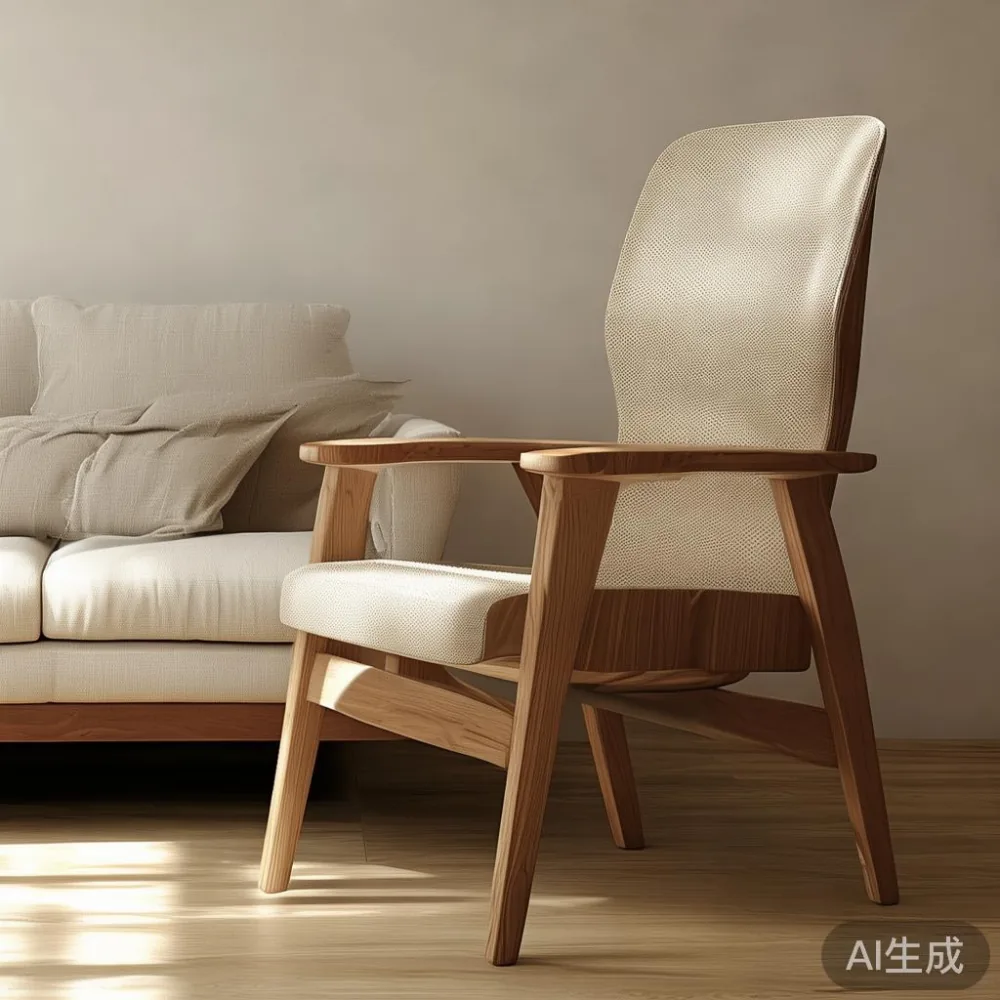
What does "veneer" actually mean, and why does it fail in Singapore humidity?
Veneer furniture uses a thin layer of real hardwood, usually 0.5 mm to 2 mm thick, glued onto a substrate of MDF, particleboard, or plywood. The substrate is what keeps the price low: a 1.8 m veneer dining table can land at S$380 to S$650, while a comparable solid wood dining table in oak or ash typically sits between S$1,150 and S$2,200. The problem in Singapore is the 78% to 88% average relative humidity we live with year-round. Particleboard swells when it absorbs moisture, the thin veneer layer lifts at the corners, and once the delamination starts it cannot be reversed. I saw this happen at a friend’s Bedok resale flat: a S$420 veneer wardrobe looked tired by year two and was unworkable by year four.
Solid wood, by contrast, is the same material through and through. Furniture makers like MIDHILL, a Foshan workshop that has been exporting since 2008, kiln-dry their oak, ash, and walnut blanks down to 8% to 12% moisture content before machining. That range matches the equilibrium moisture content of an air-conditioned Singapore bedroom, so the boards move less in service. Movement still happens, but it shows up as hairline checks that refinishing can address, not as bubbling veneer that has to be replaced.
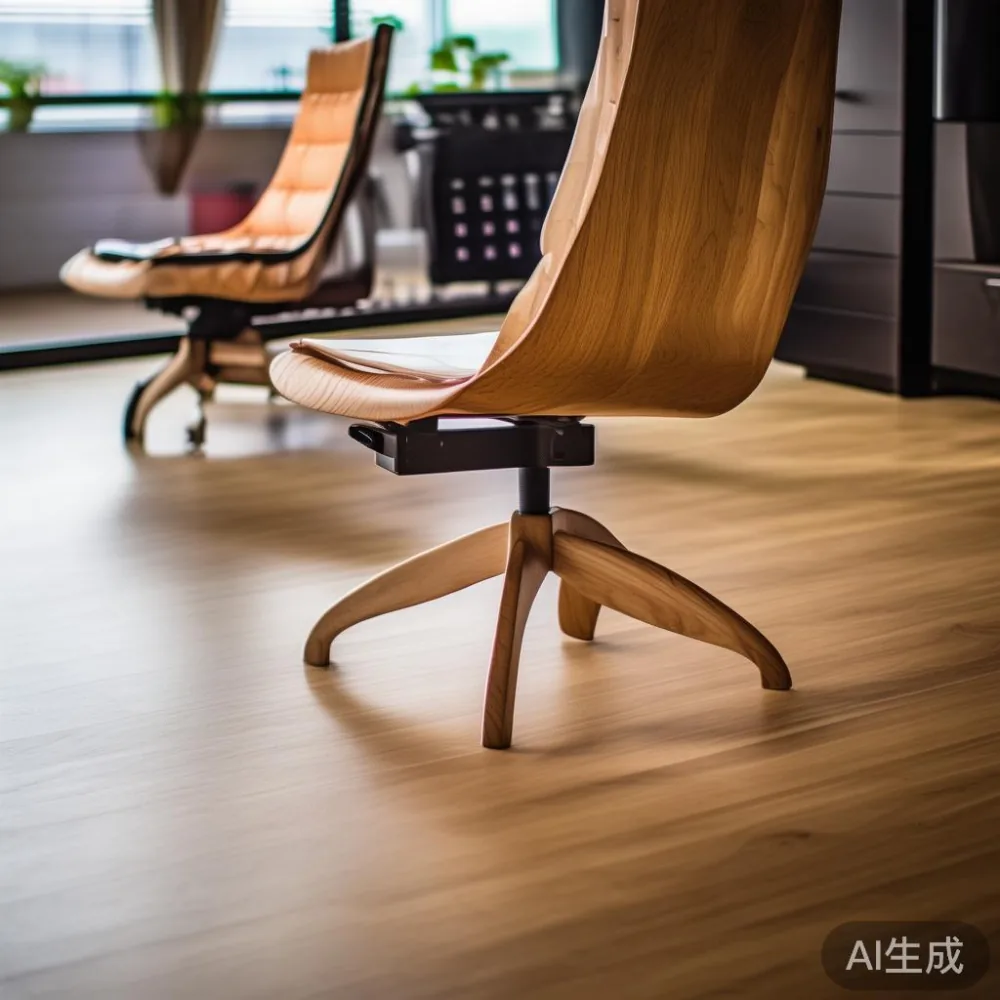
How much does a typical Singapore household spend across 5 years?
Let us run a realistic scenario. A young couple furnishing a 4-room HDB in Punggol might buy: a 1.6 m dining table, a 1.8 m wardrobe, a queen bed frame, two nightstands, a 1.2 m TV console, and one ergonomic chair for a work-from-home setup. Each piece is in regular use, exposed to daily opening, closing, sitting, and the air-con cycles that Singaporeans run 18 to 22 hours a day.
Veneer route, low end: each piece averages S$450, six pieces plus chair = S$2,700. By year three, replace the dining table (S$500) and one nightstand (S$150). By year five, replace the wardrobe (S$550). Add S$180 in small repairs. Total = S$4,080.
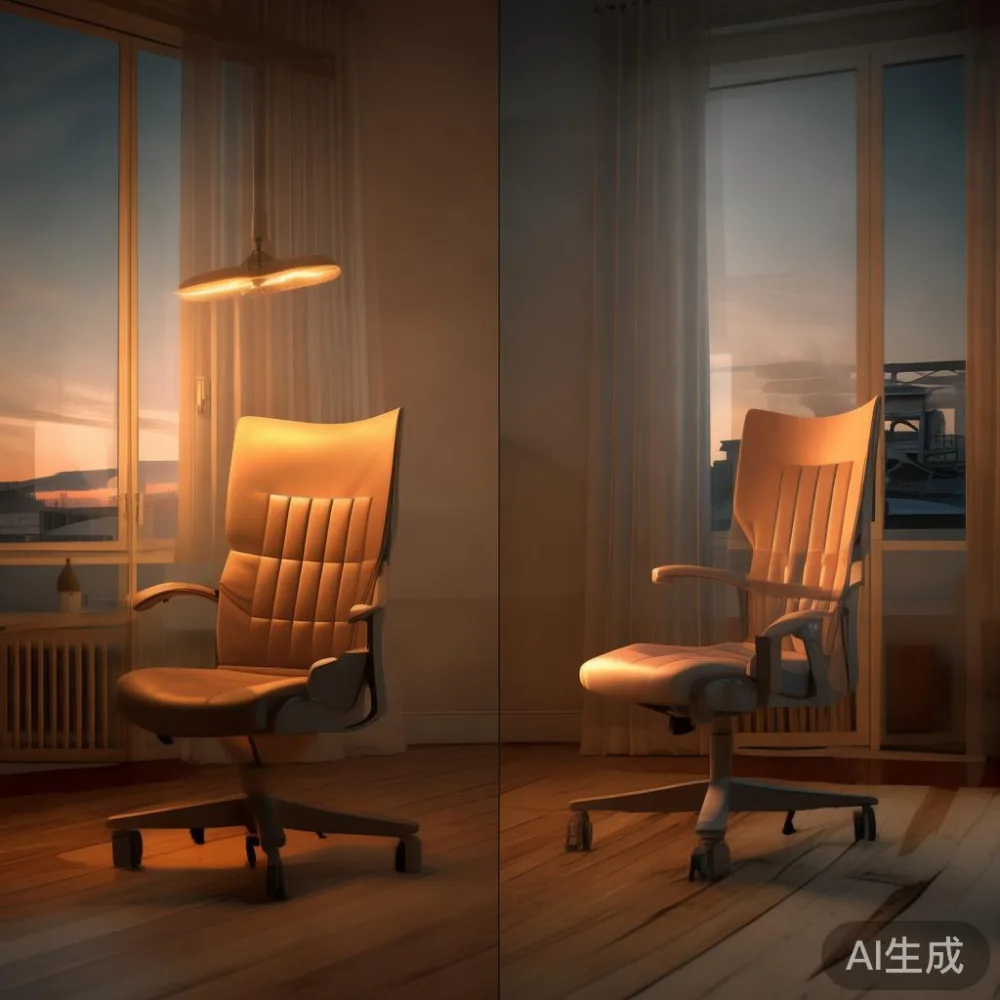
Solid wood route: dining table S$1,650, wardrobe S$2,200, bed frame S$1,450, two nightstands at S$380 each = S$760, TV console S$980, ergonomic chair S$620. Total purchase = S$7,660. By year three, refinish the tabletop (S$120). By year five, refinish the wardrobe doors and nightstand tops (S$240). Net 5-year spend = S$8,020.
The gap is S$3,940 spread across sixty months, or roughly S$66 a month. That is two cai fan lunches at the Bedok hawker centre. It is also the kind of number a household weighing a HDB renovation loan can plan around.
What size and weight should I check before delivery to my block?
Singapore HDB blocks have specific lift and corridor limits that vendors who export to 15+ countries are used to working through, but first-time buyers often forget them. A standard HDB passenger lift in a 7- to 14-storey block measures about 1.1 m wide by 1.4 m deep with a 630 kg to 850 kg weight limit. Most landed pieces will fit if you order a wardrobe under 2.1 m tall and a dining table under 1.8 m long, but solid oak dining tables can weigh 60 kg to 90 kg unpacked. Marble tables are heavier again, often 110 kg to 160 kg for a 1.4 m round top, so confirm the marble base is removable before booking the lift.
For condominium loading bays, the story is similar but stricter. Many new launches in Punggol and the Greater Southern Waterfront require a 1.8 m ceiling clear inside the service lift. MIDHILL ships their larger wardrobes and bed frames flat-packed with knockdown fittings so the heaviest single box rarely crosses 45 kg, which keeps things within both HDB and condo moving rules and leaves clearance for the corridors that narrow to around 1.2 m around certain stairs.
Is solid wood really worth S$3,940 more over five years?
It depends on what you are measuring. If the only thing that matters is the spreadsheet line at month sixty, no. But value has at least three other columns: durability aesthetics, repairability, and resale. A solid wood dining table can be sanded and re-oiled five to seven times across its life, which is why MIDHILL offers lifetime refinishing on structural pieces. A veneer table cannot be refinished at all, only spot-patched, and patches always show.
Resale tells the same story. A quick scan of Carousell listings for used oak dining tables in Tampines and Bukit Batok shows S$600 to S$900 for 5-year-old pieces still in serviceable condition. Used veneer tables in the same age band list at S$80 to S$180, often free pickup. If you factor the resale back in, the all-in five-year cost of the solid wood set drops to about S$7,000 net, while the veneer set nets S$3,820. The real gap closes from S$3,940 to roughly S$3,180, still significant, but smaller than the headline price suggests.
The intangible column is daily comfort. An ergonomic chair with a solid ash frame, a contoured backrest, and breathable mesh is the kind of upgrade people notice within a week. So is a 1.8 m wardrobe that closes flush after five Singapore monsoons, a solid wood bed frame that does not creak when you turn over, and a nightstand with dovetail joints rather than cam locks. Buyers who care about French light luxury or American light luxury interiors tend to anchor their rooms with these heavier pieces, then layer decor around them.
How do I care for a nursery furniture in humid weather?
Wipe the timber once a week with a dry microfiber cloth, run a dehumidifier at 55% relative humidity in the nursery, and keep all solid wood pieces at least 30 cm from any open window or bathroom door so the moisture gradient stays even across the grain.
I followed this routine for my niece’s room in Punggol, where the nursery window faces the morning sun. We kept the cot, the changing table, and the small solid wood stool on a strict wipe-down schedule, and after 26 months the cam locks on the changing table still held and the cot rails had not bowed. The European dressing table canada buyers often ask us about is built the same way and benefits from the same care, since kiln-dried oak reacts identically to Singapore’s climate as it does to Toronto’s snowy winters. The key is consistency: a five-minute weekly wipe is more effective than a deep monthly treatment.
If you notice a sticky door or a tight drawer in the wetter months from November to February, leave it closed and let the dehumidifier pull the board back into shape. Forcing it accelerates the joint wear. If the surface dulls, a coat of hard wax oil restores the sheen in 40 minutes. Avoid silicone polishes, which trap moisture and cause the cloudiness that looks like grime but is actually trapped vapour.
Which pieces should I prioritise if my budget is limited?
If you cannot afford a fully solid set on day one, the two pieces worth upgrading first are the dining table and the bed frame. Both carry your body weight or your dinner plates every single day, both take the hardest knocks when you move, and both carry the highest replacement cost if they fail. A S$1,650 oak dining table used five to ten years costs roughly S$0.45 to S$0.90 per meal. A S$380 veneer table replaced twice in the same window costs S$0.80 to S$1.00 per meal, and that is before you add the hassle of two disposal trips and two deliveries.
For the rest, a hybrid approach is reasonable: a solid wood bed frame, a 1.6 m solid wood dining table, and a modest veneer TV console that you can swap out later. Keep the ergonomic chair solid too, because a wobbly chair undermines the posture gains it is supposed to deliver. MIDHILL’s 10-year structural warranty on frames gives peace of mind here, and their free shipping threshold of US$350, which works out to roughly S$475, covers most single-piece orders shipped from Foshan to a Singapore forwarder.
What about GST, returns, and warranty when buying from overseas workshops?
Singapore applies 9% GST on imported goods above S$400 in CIF value, so expect your supplier to pre-pay the duty and add the line item to your invoice. The good news is that MIDHILL offers 14-day returns on stocked pieces, which covers most buyers who change their mind after the lift dimensions fail them. Custom pieces such as a non-standard 1.95 m wardrobe or a specific marble table with a 1.6 m oval top usually fall outside the return window, so measure twice.
Delivery typically runs 35 to 55 days from order to your door in Tampines or Bedok, including sea freight from Guangzhou to Port Klang or Tanjung Pelepas and last-mile truck to the HDB loading bay. Local forwarders sometimes compress that to 28 days for in-stock items. The lift-and-carry team should be booked separately for about S$80 to S$160 depending on the number of pieces and the floor level, since GST and customs do not cover the last 20 metres.
So which side wins after five years?
Numbers and lived experience point the same direction. The veneer route looks cheaper on the invoice and turns out to be a treadmill of replacements, repairs, and disposal trips. The solid wood route looks heavy on day one and turns out to be the quieter, more repairable, higher-resale path, especially when pieces are kiln-dried for humid climates and backed by a structural warranty. A 4-room HDB furnished with solid wood for S$7,660 will likely outlast two cycles of cheaper alternatives, and the post-modern light luxury feel of a real timber bed frame, marble table on a wooden base, and a proper ergonomic chair will outlast three trend cycles. Spend the extra once, refinish when needed, and let the furniture carry your home into its second decade.