A Practical Guide to Long-Lasting Lacquered Furniture
Humidity, sudden rain, salty coastal air and constant air-conditioning can make a lacquered surface look tired faster than its owners expect. In a Singapore home, that may mean a solid wood dining table beside a HDB kitchen window, a bed frame in a Bedok condo, or an ergonomic chair positioned near the balcony doors of a Punggol apartment. Good care does not require specialist machinery; it requires a measured routine, the right products and restraint.
MIDHILL designs and manufactures lacquered furniture in Foshan, China, where humid conditions are a familiar manufacturing consideration. The company has exported to more than 15 countries since 2008 and offers a 10-year structural warranty, lifetime refinishing, delivery on orders above US$350 and a 14-day return period. For customers ordering from Singapore, prices are confirmed in SGD, GST is added as applicable, and delivery normally takes about 7–14 days after production, subject to stock and final inspection.
Why lacquer needs special care in a tropical home?
Lacquer is valued for its clean lines, deep colour and resistance to ordinary stains. It also has a weakness: heat, standing water and harsh chemicals can cause clouding, blistering or peeling. Singapore’s relative humidity often ranges from about 65% to 85%, while air-conditioned rooms may fall to 50%–60%. These shifts matter because wood expands and contracts as it takes up or releases moisture. A lacquer film is more rigid than the timber beneath it, so repeated movement can create fine cracks around edges, joints and drilled areas.
A useful first step is to identify the finish before cleaning it. Some lacquered furniture has a clear water-based film; others use a harder polyurethane or conversion-cure coating. Gloss and matt finishes also behave differently: fingerprints show more clearly on gloss, while matte surfaces can be damaged by abrasive pads because they polish the coating flat. When uncertain, ask the supplier for the finish specification and test any cleaner on a concealed 5 cm × 5 cm area for 24 hours.
Position furniture away from direct rain and persistent dampness. A dining table should sit at least 30 cm from an open window, and an ergonomic chair should not be dragged into a balcony corner merely for a better view. For HDB flats in Tampines, where corridors and common corridors can be narrow, delivery teams should also be given accurate lift and access measurements before a large bed frame, wardrobe or dining table is brought upstairs.
What is the best way to clean a lacquered surface?
Use a soft, lint-free microfibre cloth, clean lukewarm water and a small amount of mild pH-neutral dish soap. Mix roughly 1 teaspoon of detergent with 500 ml of water, dampen the cloth rather than the furniture, and wipe in the direction of the grain. Then use a second damp cloth to remove residue and a dry cloth to finish. This routine is suitable for an occasional weekly clean, but it should not be sprayed directly onto lacquer, joints or edges.
Never use ammonia, bleach, concentrated alcohol, acetone, nail-polish remover, oven cleaner, steel wool or rough scouring pads. They can soften the film, dull its sheen or leave a ring. Citrus cleaners may also become sticky when residue remains on a warm surface. Avoid silicone-based sprays because their greasy film can interfere with later refinishing.
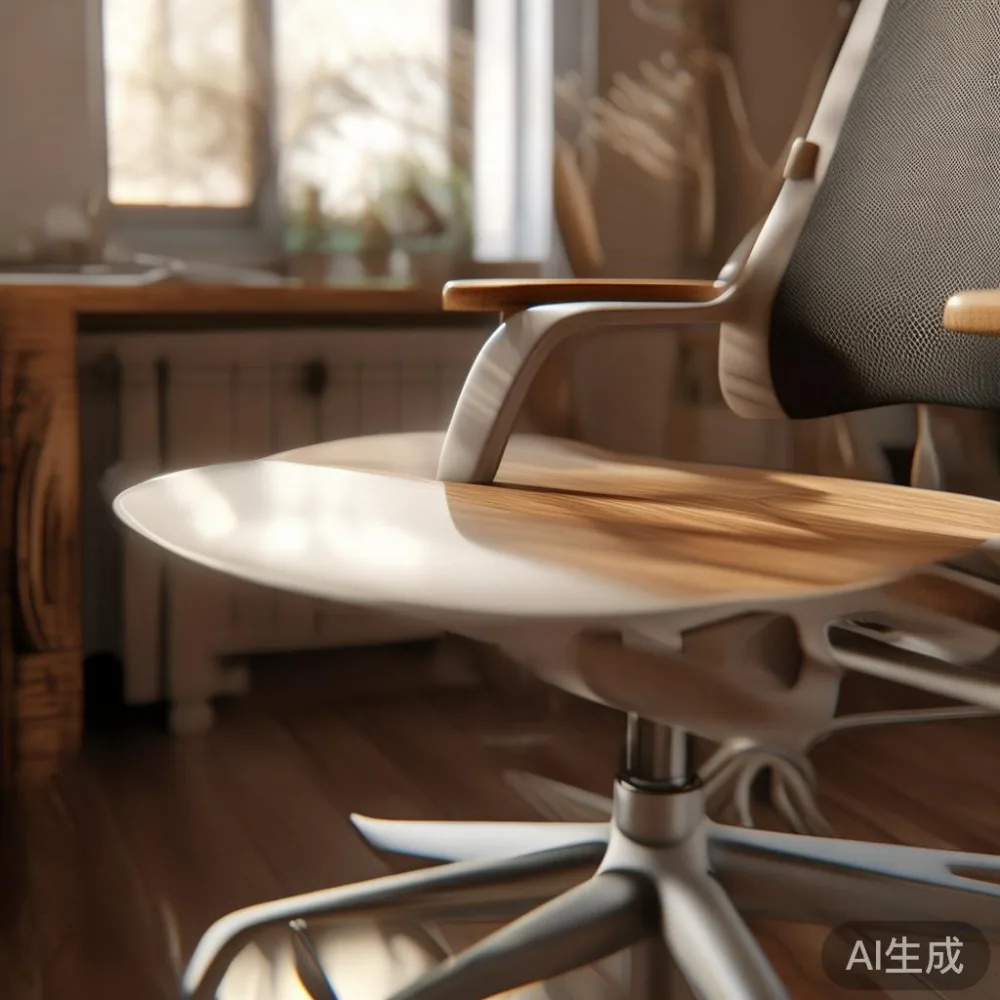
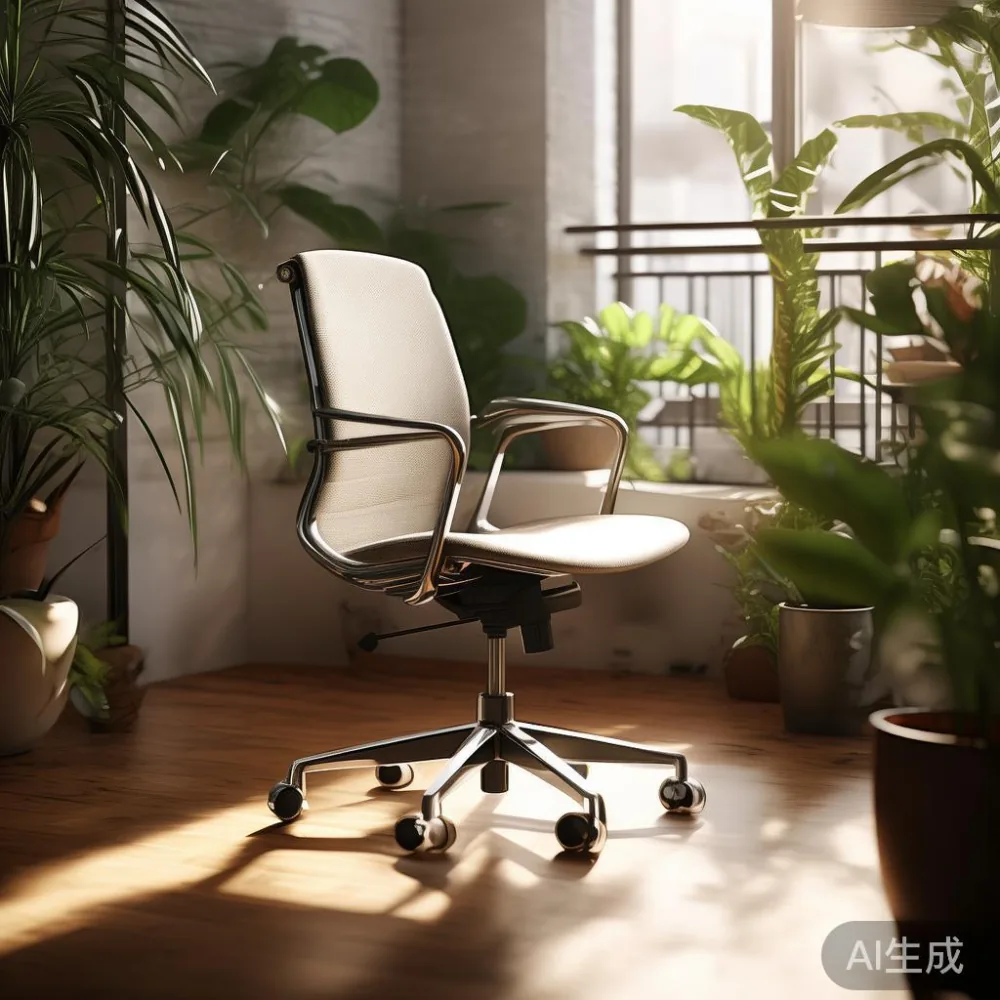
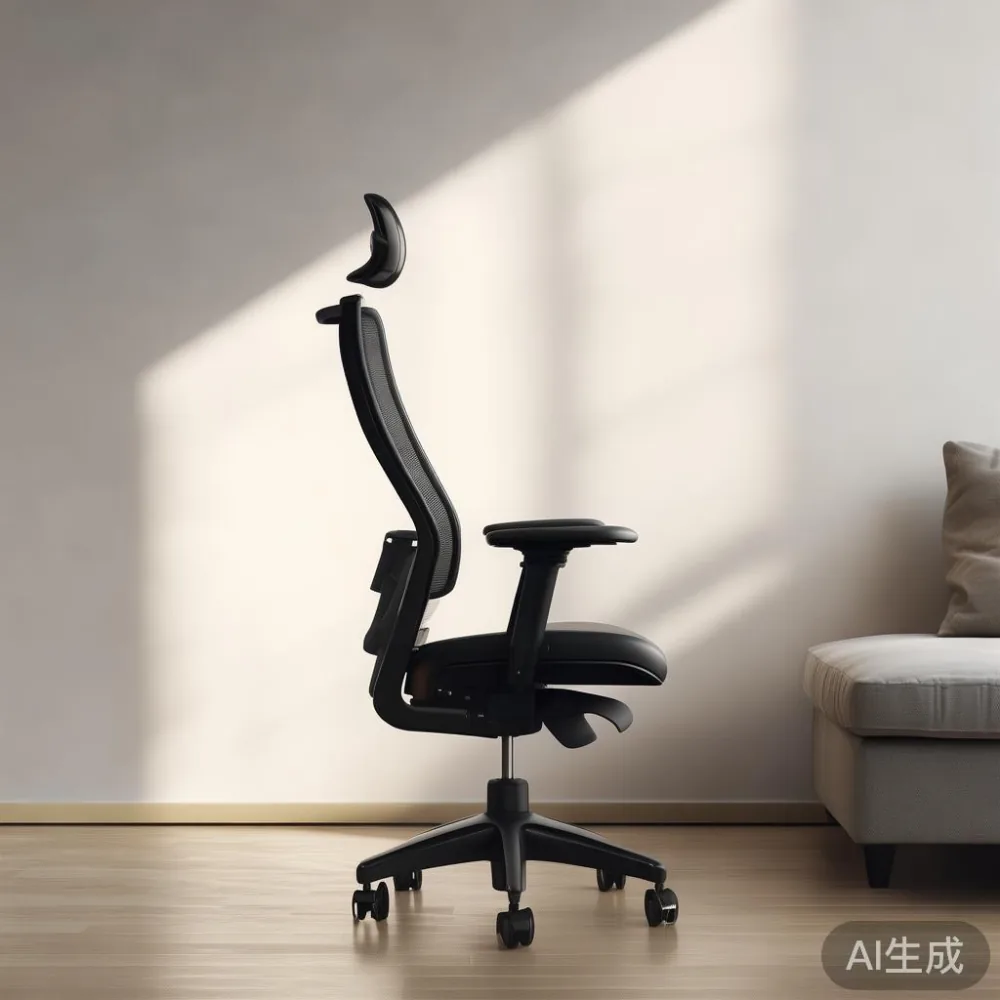
For an ergonomic chair, remove the seat and backrest cushions if the design permits, vacuum seams with a brush attachment and clean the lacquered armrests separately. Do not soak the mechanism, controls or gas lift. A small spill should be held with clean paper for 30–60 seconds; it should not be rubbed, because that drives moisture into lacquered edges.
How often should I wipe my lacquered furniture?
A reasonable Singapore routine is to dust high-contact surfaces twice a week and clean them properly every 2–4 weeks. Dining tables deserve attention after meals, while an ergonomic chair needs weekly care because hands, forearms and clothing oils contact the arms and back. Bed frames can be wiped monthly, but the headboard and bedside areas should be checked every 2 weeks for insects or damp marks. Wardrobes and nightstands should be checked quarterly along their tracks and lower edges.
Do not create a rigid schedule that ignores the room. A coastal Punggol unit facing the sea may need a damp wipe every 10 days, while a dry, air-conditioned Bedok condo may only require it every 4 weeks. Place a hygrometer near the furniture and aim for about 45%–60% relative humidity. Keeping the reading between 45% and 60% reduces swelling and protects hinges, drawer runners and lacquer adhesion.
Water rings should be addressed immediately. Dab the mark with a clean cloth, then apply a little mild detergent solution and dry around the perimeter. Avoid applying heat with a hair dryer above 40°C; concentrated heat may soften the finish or make a repair harder.
Can sunlight fade a lacquered finish?
Yes. Direct ultraviolet exposure can fade pigment and create uneven gloss. In Singapore, UV levels are strong even on overcast afternoons. Use curtains, blinds or UV-filtering film that blocks at least 99% of UV rays, and keep furniture at least 60 cm from windows where possible. Do not place a dark lacquered nightstand directly beneath a west-facing window, especially between 12 pm and 5 pm.
Rotate movable pieces, such as an ergonomic chair, every 2–3 weeks so one side does not receive constant light. Rotate the dining table only if it is safe and leaves no obvious marks. Open blinds before the strongest afternoon sun reaches a glossy bed frame or marble table, and close them before the room cools in the evening. Stable indirect light gives more even ageing.
Can I repair scratches, bubbles or chipped lacquer myself?
Small scratches can often be treated with a lacquer-safe repair colour. Clean the area, select a matching touch-up pen and test it on a hidden spot for 24 hours. Apply 1 thin coat rather than 3 thick coats, allowing each coat to dry for the time stated on the product. A fingernail should not catch the repaired area after 24 hours, but a perfectly invisible result is unlikely without sanding and recoating the full panel.
Do not pop bubbles or cut into a lifting edge. A bubble can signal moisture trapped beneath the film, and opening it may enlarge the damaged area. Stop using the affected section and arrange an inspection. Edge peeling, broad cloudy patches and lifting across 5 cm or more usually require professional treatment rather than a home repair.
MIDHILL’s lifetime refinishing service is intended to help preserve furniture over the long term, but eligibility and scope should be confirmed before purchase. Keep photographs, the order record, finish samples and maintenance notes. Refinishing may restore colour and sheen but cannot repair water-rotten timber or structural failure. The 10-year structural warranty covers qualifying structural issues, not accidental coating damage or exposure to standing water.
Should I polish lacquered furniture every month?
No. Most modern lacquer does not need routine polishing, and adding oil or wax can make dust stick. If the supplier recommends a specific maintenance product, use it sparingly at 3- to 6-month intervals and follow the stated curing time. Apply polish to the cloth rather than the furniture, test first and avoid the undersides of tables and bed frames where it can collect grit.
For customers researching modern Italian light luxury furniture, the finish should be considered as carefully as the silhouette. French light luxury often favours pale woods, cream upholstery and restrained ornament; post-modern light luxury may pair lacquer with clean geometry. Whatever the style, maintenance advice should be specific to the actual coating.
The same care standard can extend across the home. For a solid wood sofa, keep leather or fabric dry and lift cushions rather than dragging them. For a dining table, use felt pads beneath tableware and coasters beneath hot vessels. For a bed frame, inspect fixings every 6 months. For a wardrobe and nightstand, check lower edges for swelling and keep liquids away from the base.
How should new lacquered furniture be acclimatised?
Lacquered furniture should arrive dry and acclimatise before intensive use. Keep it in its packaging for 24–48 hours in a ventilated room, away from direct sun. Remove the outer carton only after checking for moisture, dents or movement. Do not install a wardrobes directly against an exterior wall that may experience condensation; leave a gap of at least 5 cm where ventilation is possible.
Check an ergonomic chair for movement after the first 24 hours, then tighten accessible fixings according to the maker’s instructions. A dining table should remain level within about 3 mm across its length. A bed frame should be checked at the centre rail and both ends after 7 days. These small inspections catch transport issues before they become structural problems.
Customers often compare styles such as a Japanese sofa vs French provincial sofa and browse french sofa gallery photos before choosing a finish. Those references are useful for shape and colour, but a photograph cannot reveal the coating’s chemical resistance. Request a finish sample, care instructions and a photograph of the actual piece in daylight.
A buyer searching for the top 10 French provincial furniture may focus on carved edges and cream tones, while someone considering whether an is Italian light luxury bed worth it may ask about longevity and maintenance. In a tropical climate, the finish specification and service terms deserve equal attention. A decorative French bed can age well only if moisture and heat are managed, while an Italian-style bed with a durable film may suit a busy family room more closely.
What should I do before ordering large furniture for an HDB flat?
Measure the route rather than only the room. Record the lift door width, lift car depth, corridor width, turning radius and the height of any staircase handrails. Add 5 cm of working clearance for turns wherever possible. The route should be checked from the lorry to the flat, not merely from the void deck to the lift. Photos of the doors, mirror corners and narrow corridors are more useful than approximate dimensions alone.
Also check the delivery price in SGD and confirm whether GST is included. Overseas production time commonly takes 25–45 days for made-to-order pieces, followed by about 7–14 days for shipping and delivery to Singapore. Standard wooden dining tables and solid wood sofas may be available sooner, while a fully upholstered ergonomic chair or a made-to-order Italian-style bed can take longer. Furniture must be dry, inspected and properly protected before it enters the home.
For a marble table, allow for greater weight: tops may range from roughly 35 kg to 120 kg depending on size and construction. A solid wood dining table may weigh 45–90 kg, and a large bed frame can exceed 70 kg. These figures explain why lift dimensions and corridor clearances matter. Professional handling reduces impact on lacquered panels and handrails.
MIDHILL’s 14-day return period should be checked against the product category, condition and delivery terms. Keep the packaging, because a return assembled in a corridor may not be accepted. If a finish arrives with a visible defect, photograph it beside a ruler, record the date and contact the supplier before using the piece.
What is the simplest maintenance routine for year-round protection?
Use a 4-step habit: keep the surface dry, dust it gently every 7 days, clean high-contact areas every 2–4 weeks, and inspect edges every 3 months. Wipe spills within 60 seconds, keep furniture 60 cm from strong sunlight and maintain indoor humidity near 50%. This is enough for most lacquered pieces in Singapore and avoids unnecessary chemicals.
For dining room inspiration, rustic for dining room schemes can work well with lacquered furniture, provided the heavy character of the timber remains separate from the more reflective lacquer surfaces. Clean the table after each meal, protect it from hot pans and keep flower water off the top. In a compact HDB flat, one well-maintained dining table can also function as a work surface, so coasters and clean edges should be treated as part of daily use rather than optional decoration.
Finally, inspect the whole setting every 6 months. Look for lifted veneer, swollen drawer bottoms, tarnished hardware and marks around the neck of an ergonomic chair. Send photographs to the maker if the issue appears to involve the coating, and separate the affected item from damp textiles or leaking walls. Consistent early care costs less time and preserves the intended appearance far better than repairing severe heat or water damage.