Maintaining Lacquer Chairs in Singapore’s Climate
Living in Singapore means treating furniture finishes as part of the home’s climate-control system. Humidity can rise quickly during the monsoon periods, while direct sun and rain remain familiar features of HDB flats and private condos in Tampines, Bedok and Punggol. Lacquered furniture can remain handsome for years, but it needs a deliberate care routine that accounts for heat, condensation, cleaning products and the movement of humid air through a high-rise home.
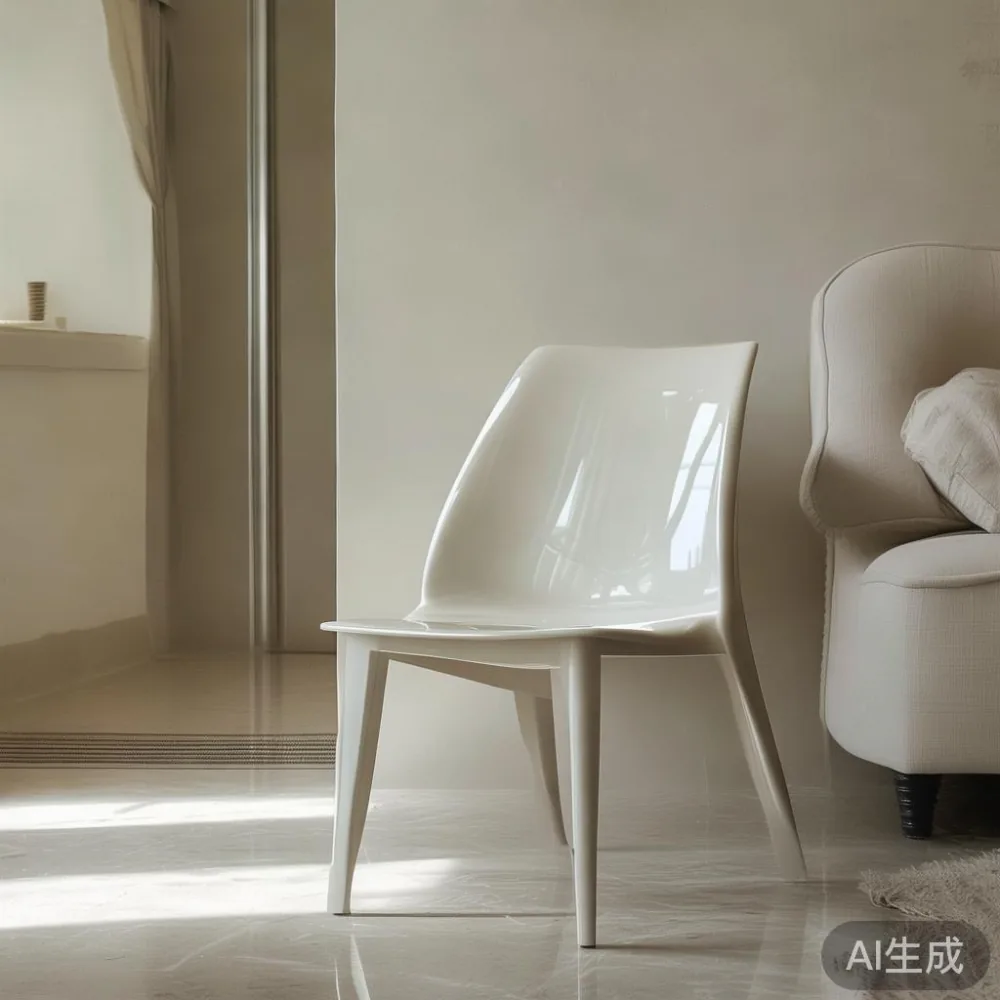
MIDHILL’s solid wood pieces—particularly lacquered dining tables, bed frames, nightstands and wardrobes—are made for demanding spaces, but even a carefully finished surface benefits from sensible habits. The same practical care can apply to an ergonomic chair, whether its lacquered frame has been fitted with a breathable mesh back or upholstered in a light-coloured fabric.
This guide focuses on lacquered surfaces: how to clean them, which habits prevent damage, and how to adapt care to local conditions. A useful comparison is the question of how to style European wardrobe in bedroom: colour, handles and surrounding furnishings may shape the mood, but the finish around the doors still requires protection from humidity.
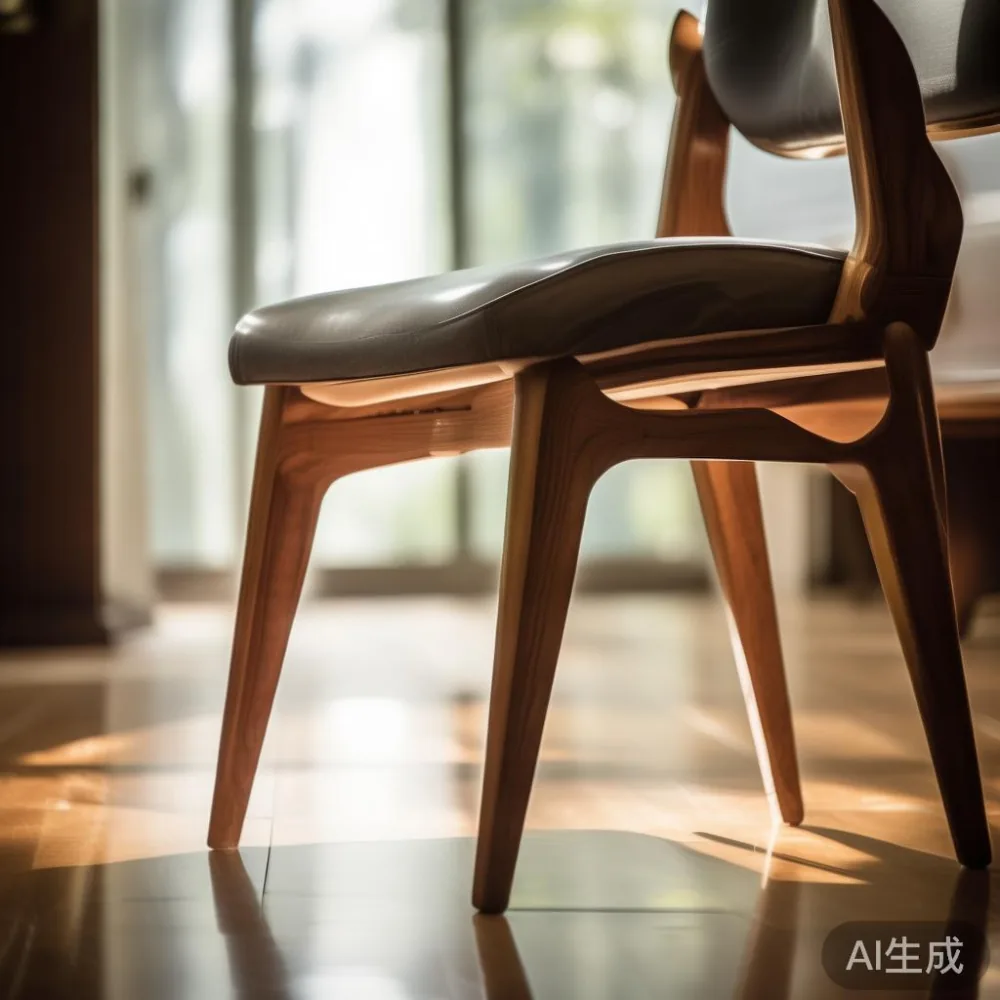
Why does lacquer need special care in Singapore?
Lacquer creates a thin, attractive layer over a prepared timber or metal surface. It can add depth to colour and make furniture easier to wipe down, yet it remains sensitive to several conditions. Relative humidity above roughly 70% can encourage swelling or movement beneath the finish, while sharp changes between a cool lift and a warmer flat can create condensation on cold surfaces.
Singapore’s outdoor humidity commonly ranges from about 65% to 85%, with heavier moisture during the northeast monsoon from November to March. Indoor levels may be lower in a well-ventilated unit, yet a condo facing the afternoon sun can become hot enough for a lacquered top to feel warm by 3 p.m. Keep at least 30 cm between tall furniture and exterior walls where possible, and avoid placing lacquered pieces where an air-conditioner vents directly onto them.
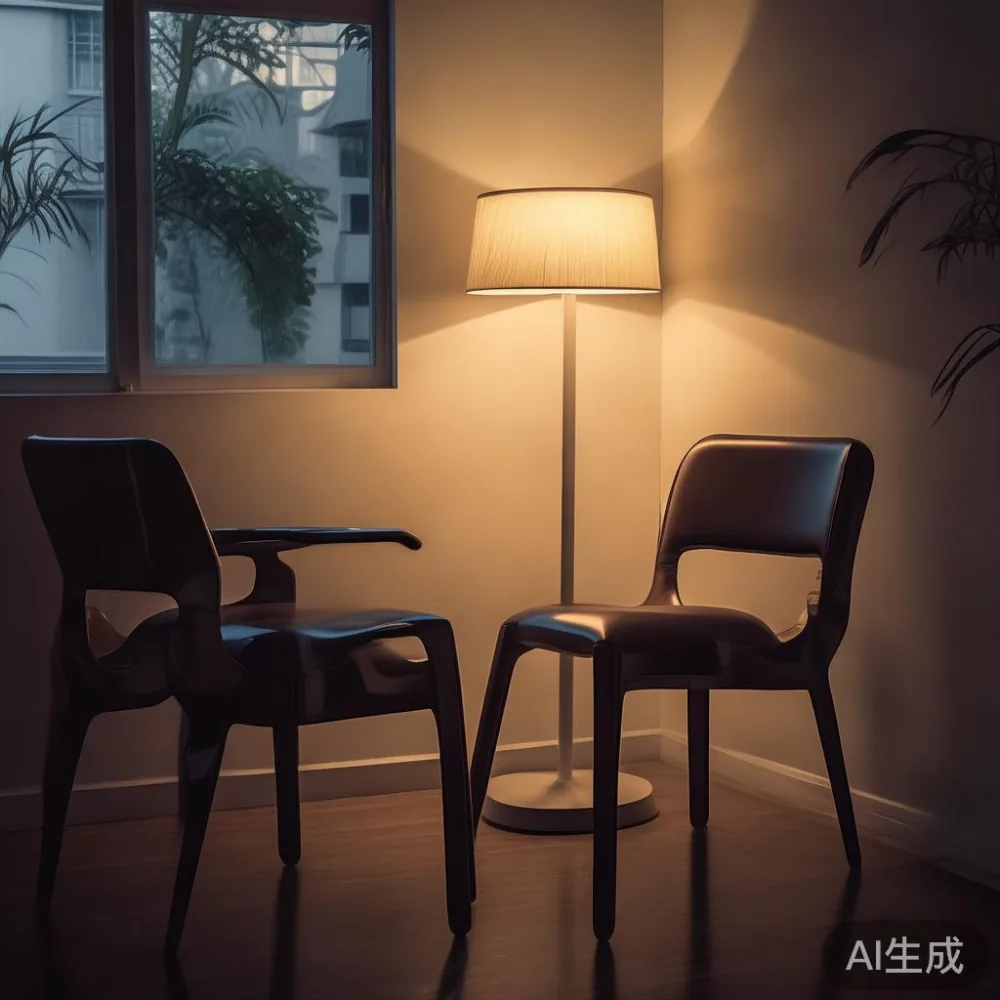
Air movement matters too. A compact corridor may be only 90–120 cm wide, so moving a wardrobe or dining table without a protective blanket can scratch its edge against a door frame. I last month helped my colleague inspect a newly delivered dining table in a Tampines HDB flat. The route from the service lift to the dining area included a 105 cm corridor turn and a 90 cm doorway. We padded the corners with moving blankets and used 4 cm felt sliders, which prevented the lacquer from contacting the metal skirting.
Position furniture away from windows that receive direct afternoon light, or use a sheer curtain that filters at least 50% of the glare. Keep room temperature near 24–27°C when practical and target 45–60% indoor relative humidity. These figures reduce stress on lacquer, solid wood joints and an ergonomic chair’s frame at the same time.
How should I clean a lacquered surface safely?
Clean lacquer gently, using a soft microfibre cloth barely dampened with warm water. Wring the cloth until it cannot drip, test it on an inconspicuous 10 cm area, and wipe in the direction of the grain. Then use a second clean cloth to remove moisture. This two-cloth method leaves fewer streaks and avoids allowing water to collect around joints or edges.
For weekly care, a mild solution is 1 teaspoon of clear, unscented dish soap in a 500 ml bowl of warm water. Dip the cloth rather than spraying the table, because overspray can reach an ergonomic chair’s adjustment mechanism, a bed frame’s slats or the inside of a nightstand drawer. Rinse with a separate damp cloth and dry immediately.
Do not use abrasive pads, wire wool, scraping tools or “oil” polishes on lacquer. Avoid acidic cleaners, bleach, ammonia-based products and alcohol-heavy glass cleaners. These can dull the sheen, soften the coating or leave a patchy finish. Test any commercial cleaner on a 10 cm hidden section for 24 hours before applying it to the full surface.
Spills should be removed promptly. Blot liquid rather than rubbing it, lift sticky residue with a cloth lightly dampened with soapy water, and dry the area. Coffee, tea and red wine can stain within 30–60 minutes, so prompt action is easier than correction. For fingerprints on a lacquered wardrobe or nightstand, the same barely damp cloth is usually enough.
When caring for an ergonomic chair, vacuum or brush the seat and back before wiping the frame. A soft brush attachment on a vacuum set to low suction removes dust without pulling fibres. Keep liquids away from the tilt control, lift mechanism and gas lift. Wipe the lacquered arms with separate cloths, and never flood the seat mechanism.
How often should I wax or polish lacquered furniture?
Most modern lacquer does not need frequent waxing. Polishing can create a temporary shine, but it may also leave residue that attracts dust. If the surface feels dry, apply a lacquer-compatible care wax no more than once every 6–12 months, following the product label and testing a small area first. Use a thin, even layer and buff with a clean, soft cloth.
For a high-use dining table, assess the finish every 3–4 months. Look for dull patches, fine scratches or stickiness rather than relying on a fixed calendar. A lacquered bed frame can be inspected twice a year, and a lacquered nightstand every 3 months. Clean the top and underside, because humidity and trapped debris can affect both surfaces differently.
Solid wood beneath lacquer may move by small amounts as temperature and humidity change. Do not clamp a moving dining table permanently between tight walls. Maintain around 3–5 cm of breathing space where the design allows, especially near a sun-facing window. For wall-fixed wardrobes, check fixing points every 12 months and ensure ventilation gaps remain unobstructed.
Care routines should complement, not replace, good placement. If a wardrobe stands against an exterior wall that is consistently damp, improve airflow before reaching for a stronger polish. Leave 5–8 cm behind a freestanding unit where space permits, and use a moisture-reading device near the base. A reading above 70% calls for better ventilation or controlled dehumidification.
What are the safest habits for a tropical home?
Use coasters and placemats even when the finish appears resistant. A ceramic coaster should measure at least 8 cm across for a water glass and 12–15 cm for a mug or small bowl. Felt pads beneath table legs protect floors, but they should not compress under heavy furniture. A round dining table with a 120 cm diameter may support 4 people comfortably; a 150–180 cm model serves 6, giving each person roughly 60 cm of edge space.
Do not place hot cookware directly on lacquer. A 90°C pan can create a visible ring or soften the finish within seconds. Use a trivet with at least 1 cm of thermal separation, and let hot vessels cool before moving them. Similarly, keep paper shopping bags, wet towels and laundry baskets off a lacquered bed frame, where moisture may remain trapped for hours.
Cleaning during a humid evening is not ideal. A flat may already contain more moisture than usual, so choose late morning or early afternoon, when indoor conditions are usually more stable. Open windows only when outdoor humidity is lower than the indoor reading; otherwise, ventilation can add moisture. A dehumidifier set to 50–55% is more useful than opening doors into a humid corridor.
For stylistic planning, Italian light luxury for bedroom can pair a lacquered wardrobe with warm timber, cream textiles and restrained metal details. The restrained palette suits both HDB interiors and larger condos without making a small room visually crowded. For a dining area, the phrase Coastal for dining room evokes pale woods and soft blue-grey tones, while lacquer remains practical on a frequently used table.
Can scratches or dull patches be repaired without replacing the furniture?
Small marks can sometimes be reduced rather than fully removed. First determine whether the lacquer or colour has been breached. Run a fingernail lightly across the mark: a surface scratch that does not catch can often be treated with a lacquer-safe polish, while a deeper break exposing wood needs a repair kit matched to the original colour.
For a shallow scratch, clean the area, apply a very small amount of compatible polish with a microfibre cloth, then wait 15 minutes and buff gently. Test the method on an unseen section first. A deep scratch, dent or lifted edge should be handled by a refinishing professional. Trying to sand lacquer by hand can create a flat, cloudy patch that is more noticeable than the original line.
Damage near an edge deserves particular care because it exposes the layered structure. Keep furniture away from the route used by delivery workers. If a corridor is only 100 cm wide, specify a blanket-and-wrapping service when ordering furniture, and check that the packaging fits inside the lift. Measure the lift door, cabin height and any right-angle turn before delivery day.
Protection also matters for seating. The castors of an ergonomic chair can scratch a lacquered table if the chair is moved across it. Fit 2–3 mm silicone or rubber castor sleeves, or lift the chair when repositioning it. Do not drag a solid wood sofa or bed frame across a tiled floor; the frame may be durable, but the lacquered or finished feet can still mark.
How do I choose furniture that is easier to maintain?
Choose finishes with the room’s use in mind. A dining table in a family flat should have a sealed lacquer with a smooth surface that can be wiped quickly. A wardrobe near a bathroom entrance should have protected edges and ventilated panels. A nightstand should have a stable top that accepts a coaster without wobbling. For seating, an ergonomic chair should have removable or cleanable upholstery and accessible adjustment controls.
Measure before ordering. Allow 75–90 cm for a comfortable walkway, 90–120 cm in a main circulation route and 150–180 cm between a dining table and nearby furniture where chairs need to be drawn back. A lift lobby may require the furniture to turn through 90 degrees, so check the longest rigid dimension against the lift’s usable door width and depth.
Colour affects maintenance visually. Dark lacquer shows fingerprints and dust, while a pale finish can reveal yellowing from heat and sunlight. Medium warm neutrals often make small Singaporean rooms easier to maintain. If comparing a French provincial bed in apartment with a more geometric design, consider the finish on the headboard and footboard as well as the silhouette. A French provincial with storage solution can be practical in a bedroom, provided drawer gaps are checked against the actual wall and skirting dimensions.
Ask for the finish specification and care instructions at purchase. MIDHILL has supplied furniture since 2008 and exports to more than 15 countries, so understanding tropical care matters for international use as well. Its 10-year structural warranty addresses structural integrity, not accidental lacquer damage, while lifetime refinishing provides a clear route for restoring major wear through the appropriate service.
What should I do before furniture delivery?
Prepare the route and the room. Photograph the lift, corridor and floor, and record any existing marks. Confirm whether the building requires a loading-booking slot, protective floor covering or a service-lift deposit. For orders above US$350, MIDHILL’s shipping offer applies, but local building rules, lift reservations and delivery to the door still need arranging.
Protect the finished pieces during transit. Use corner guards, foam blankets and 4 cm felt sliders under heavier units. For a dining table, remove detachable leaves and store them separately if the manufacturer permits. For a wardrobe, assemble it in the room rather than carrying fully built panels through a narrow corridor whenever possible.
Singapore’s GST is added to eligible purchases, so include it in the final budget. A piece priced at SGD 1,680 before GST becomes SGD 1,848 after 10% GST. Delivery timing should be confirmed in writing; allow approximately 7–14 delivery days for stocked or standard configurations, though made-to-order pieces may take 6–10 weeks. Buffers of 2–3 days around a weekend or public holiday are sensible.
After delivery, check lacquer under neutral light and in daylight. Inspect table edges, wardrobe corners and the finish around an ergonomic chair’s armrests. Keep packaging until every check is complete, then remove paper and film because trapped moisture can mark a surface. The first care wipe should occur after 7 days, followed by routine cleaning every 1–2 weeks in high-use areas.
How do different furniture types need adjusted care?
A solid wood sofa requires attention at the junction between upholstery and lacquered timber. Lift cushions and vacuum seams monthly, and keep damp cloths away from the frame. A bed frame should be checked for condensation around the headboard and footboard, especially in an east-facing bedroom. For a dining table, rotate coasters and check for heat rings after each busy meal. A wardrobe needs airflow behind or around it, plus checks for swollen runners every 12 months. A nightstand should be kept clear of damp towels and used with a tray for cosmetics.
A marble table introduces a different caution: water does not stain most sealed marble, but acidic liquids can etch it. Wipe spills quickly and use pH-neutral soap. Marble should not be treated as an absorbent surface, and coasters remain useful for preventing scratches from ceramic bases or metal hardware.
Light-luxury design can coexist with careful upkeep. French light luxury often uses warm cream, muted oak and delicate moulding; American light luxury favours clean lines and pale upholstery; post-modern light luxury accepts restrained geometric contrast. In all three approaches, lacquered surfaces work best when colour and texture remain simple enough for daily wiping.
The phrase Mid-century modern TV console can help when planning a living room around a low, long cabinet, but its top should be treated like any other lacquered horizontal surface. Keep drinks on trays, check items every 3 months and avoid placing a damp router or game console directly above it.
Good care is measured in small, repeatable actions: a 500 ml bowl of diluted soap, a barely damp cloth, 3–5 cm of breathing space and a 30-minute monthly inspection. These habits protect lacquer while supporting the longevity of solid wood furniture, seating and storage in Singapore’s changing humidity.