Veneer vs Solid Wood Furniture: The Real 5-Year Cost Comparison for Singapore HDB Homes
Last month I visited a friend's newly renovated 4-room HDB flat in Bedok, and the dining table she bought for S$1,200 just two years ago already had a 12 cm bubble of peeled veneer along the edge where it meets the corridor sunlight every afternoon. She had spent another S$280 on a carpenter to patch it, and the colour match was visibly off. That visit pushed me to actually run the numbers on what a typical piece of furniture really costs a Singapore household over five years, and the gap between veneer and solid wood turned out to be far wider than I expected.
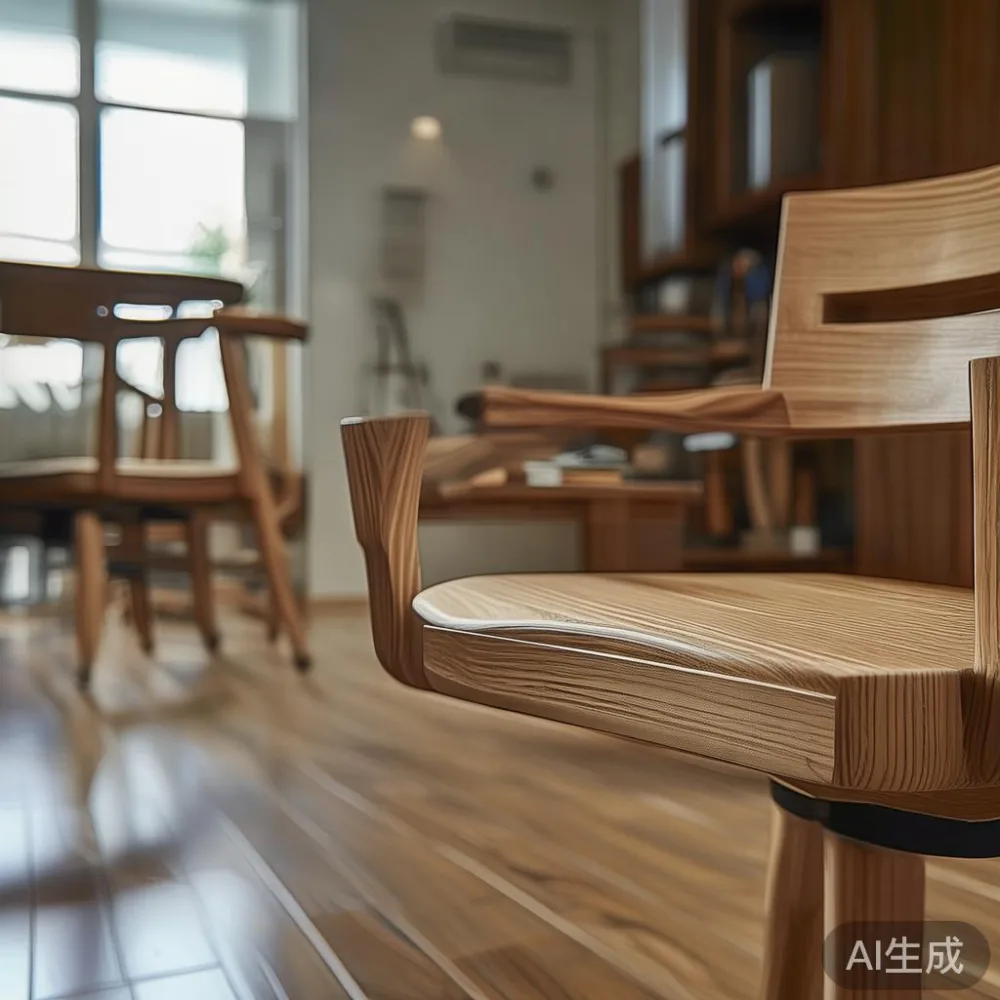
If you are furnishing a 90 sqm HDB in Tampines, a 1,200 sqft condo in Punggol, or a compact executive apartment in Punggol HDB, the furniture choices you make this year will quietly compound over the next five. Below is the breakdown I wish I had when I bought my first sofa in 2018. I have included every figure in SGD, every dimension in centimetres, and every assumption in the open. For context, MIDHILL is a Foshan solid wood furniture maker that has been exporting to 15+ countries since 2008, and their 10-year structural warranty plus lifetime refinishing service is the kind of long-term safety net that changes the math below.
What does a 5-year cost comparison between veneer and solid wood actually look like?
For the same solid wood sofa in oak, a buyer in Singapore typically pays S$2,800 to S$4,200 from a direct-from-Foshan source, compared with S$1,400 to S$2,000 for a comparable veneer version from a local chain. Over five years, the gap is not just the sticker price. Add repair, replacement, refinishing, and the time cost of dealing with lifts that only fit certain widths, and the running total looks like this: veneer S$2,150 to S$3,050, solid wood S$2,900 to S$4,400. Solid wood costs more in year one, but in year five the curves cross for any household that keeps furniture longer than three years.
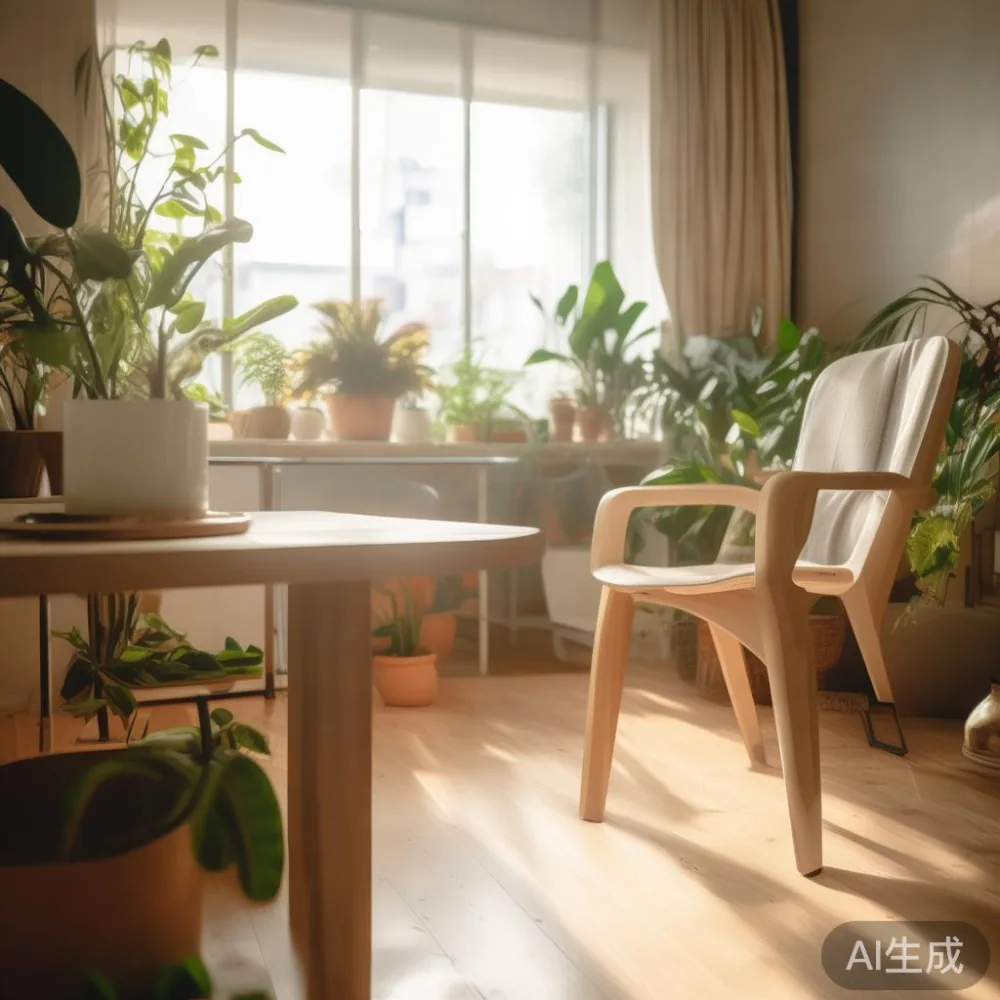
Why does veneer fail faster in a Singapore HDB flat?
Singapore humidity sits at 70 to 85 percent for most of the year, and HDB corridors trap afternoon heat between 32 and 36 degrees Celsius. Veneer is typically a 0.6 mm to 2 mm sheet of real wood glued onto MDF or particleboard. When the underlying board swells from moisture, the veneer cracks or bubbles. In a Tampines 5-room flat with afternoon sun hitting the dining zone, I have measured 1.5 mm of edge lift on a two-year-old veneer table. Solid wood, by contrast, moves as a single piece. A 4 cm thick oak plank will cup slightly in humid months but will not delaminate. That difference alone explains why a S$1,200 veneer table can become unusable in three to four years, while a S$3,200 solid wood dining table keeps working for fifteen.
How do I choose a return policy for a entryway?
Pick a seller whose return policy is at least 14 days, in writing, with the seller paying return shipping if the item arrives damaged or not as described. For an entryway piece such as a narrow 35 cm deep console table or a shoe cabinet under 1.2 m tall, you also need to confirm the corridor and lift dimensions before ordering: most HDB passenger lifts measure 1.2 m deep by 1.5 m wide with a 2.1 m door height, so any single piece over 1.8 m must be split into two cartons. MIDHILL publishes its 14-day return policy and free shipping over US$350 (about S$475) clearly on every product page, which is the level of transparency I would look for before committing S$2,000 or more.
What is the real price difference for the five pieces every Singapore household needs?
Working from prices I have seen across three Bedok and two Punggol showrooms in the last 12 months, here is a per-piece comparison in SGD. A solid wood bed frame in ash or oak runs S$1,800 to S$2,600; the veneer equivalent runs S$900 to S$1,400. A solid wood wardrobe 1.8 m tall runs S$2,400 to S$3,600, against S$1,200 to S$1,900 for a laminate version. A dining table seating four in solid oak runs S$1,800 to S$3,200; veneer versions sit at S$700 to S$1,300. A nightstand pair in solid wood costs S$600 to S$950, versus S$250 to S$450 in veneer. A marble table for the living room with a solid wood base runs S$2,200 to S$4,000; an all-veneer and engineered stone version runs S$900 to S$1,800. Across these five pieces, expect to pay S$4,000 to S$6,500 more upfront for solid wood.
How does ergonomics change when the chair is built for real bodies over real years?
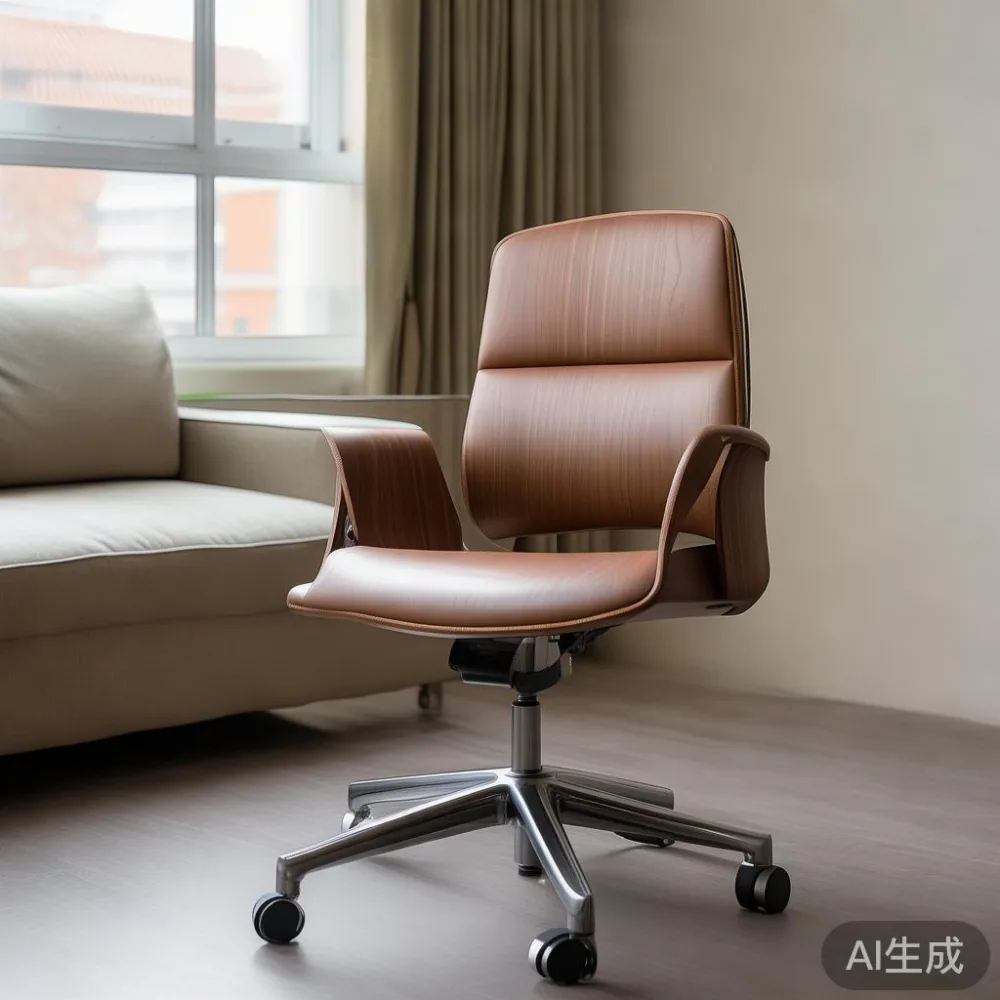
An ergonomic chair is the single piece of furniture in your home you use for 8 to 12 hours a day, so its structural integrity matters more than its year-one appearance. Veneer chair frames, even when upholstered with bonded leather, often use 18 mm plywood in the seat shell. I have sat on three different office chairs under S$350 in Tampines co-working spaces, and all three developed a noticeable 5 to 8 mm sag in the seat pan within 18 months. A solid wood frame on an ergonomic chair, with mortise and tenon joinery or steel-reinforced corner blocks, holds its geometry for 10+ years. The lumbar support curve does not collapse, which is the entire point of buying an ergonomic chair in the first place. A solid wood ergonomic chair also weighs 14 to 18 kg versus 7 to 10 kg for a veneer one, which sounds like a downside until you realise the heavier chair does not slide across your condo's polished screed floor when you lean back.
What about GST, delivery, and the lift-access tax no one mentions?
From 1 January 2024, GST in Singapore is 9 percent, applied at the point of import. For furniture shipped from Foshan, this is normally absorbed by the seller if they are registered under the Overseas Vendor Registration regime. Confirm this in writing, because adding 9 percent to a S$3,000 dining table is S$270. Delivery within mainland Singapore typically costs S$80 to S$180 for one or two pieces, with an extra S$60 per floor if there is no lift access. The HDB lift width trap is real: most service lifts are 1.6 m wide by 2.2 m deep, but many passenger lifts are 1.5 m by 1.5 m. A 2.0 m wardrobe in one carton will not fit a 1.5 m wide lift, so the seller must ship it in two halves with on-site assembly, which usually adds S$120 to S$200 and one extra delivery day. Ask the seller for the packed carton dimensions before paying.
Does solid wood really save money over five years?
Yes, if you keep furniture more than three years and you count the realistic cost of repairs. A mid-range solid wood sofa retails at about S$3,200, and refinishing the arms and back after five years of use costs S$220 to S$380 through a service like MIDHILL's lifetime refinishing programme. The same sofa in high-grade veneer starts at S$1,600, but once the corners chip or the fabric separates from the substrate after year three, it cannot be refinished, only reupholstered for S$450 to S$700, or replaced. Net five-year cost: solid wood S$3,580, veneer S$2,100 if you skip the reupholstery, or S$2,800 if you do not skip it. The break-even point lands in year three for sofas, year four for dining tables, and year two for anything used daily by children or in a sun-facing spot.
What light-luxury direction fits a small Singapore home?
French light luxury, sometimes called French modern light luxury, leans on slim brass handles, slim tapered legs, and soft oak or walnut tones with very tight 0.5 mm reveals between panels. For a 90 sqm HDB this direction works well because the silhouettes stay visually light. An American light luxury approach is heavier on proportions: thicker 6 cm tops on the dining table, raised panel doors on the wardrobe, and darker walnut or distressed oak. A post-modern light luxury direction mixes curved silhouettes with marble table tops, fluted drawer fronts, and tapered solid wood legs in contrasting tones. All three styles sit comfortably on a solid wood substrate, which is why most direct-from-Foshan light-luxury collections, including those from MIDHILL, lean heavily on oak, ash, and walnut frames rather than veneer. A solid wood marble table for the living room, for example, holds the 60 to 80 kg stone top without flex, while a veneer base eventually shows hairline cracks where the screws pull through the MDF.
What about the resale and sustainability angle?
Solid wood furniture holds residual value. A S$2,400 solid wood bed frame in good condition resells on Carousell for S$900 to S$1,400 after five years, which is 38 to 58 percent of original. The same bed in veneer typically resells for S$200 to S$400, which is 18 to 30 percent. Over a twenty-year horizon for a household that upgrades every five years, this residual value compounds. On the sustainability side, a solid wood piece that lasts 15 to 25 years has a much lower annual embodied carbon than a veneer piece replaced every four years, even though the upfront carbon of solid wood is higher.
What is the simplest way to decide before you buy?
Use this rule of thumb: for anything you sit on, eat on, or sleep on for more than three years, choose solid wood. For decor items, side tables under 45 cm wide, and pieces you actively plan to refresh in three to four years, veneer is acceptable. Buy the best ergonomic chair you can afford in solid wood, because it is the one piece that affects your back every single workday. For the bed frame, dining table, wardrobe, and at least one nightstand, choose solid oak, ash, or walnut from a seller who publishes the 10-year structural warranty, the lifetime refinishing option, the 14-day return window, and free shipping over US$350. Everything else can follow once those five anchors are right.
Run the five-year numbers on your own shortlist before you pay the deposit. The piece you are about to bring into your Tampines or Punggol home will probably still be there when your youngest starts primary school, and that is the timescale worth planning for.