How to Care for a Lacquered Ergonomic Chair in Singapore’s Tropical Climate
Lacquer gives an ergonomic chair a refined, light-luxury finish, but Singapore’s heat, humidity, salt-laden air and frequent handwashing can gradually dull the surface. In an HDB flat in Tampines, a chair may sit near an open balcony; in a Bedok condo, it may receive strong afternoon light reflected from a corridor window. Even in Punggol, where homes are newer and more compact, a dining table and chair can be positioned close to an air-conditioning vent or kitchen entrance.
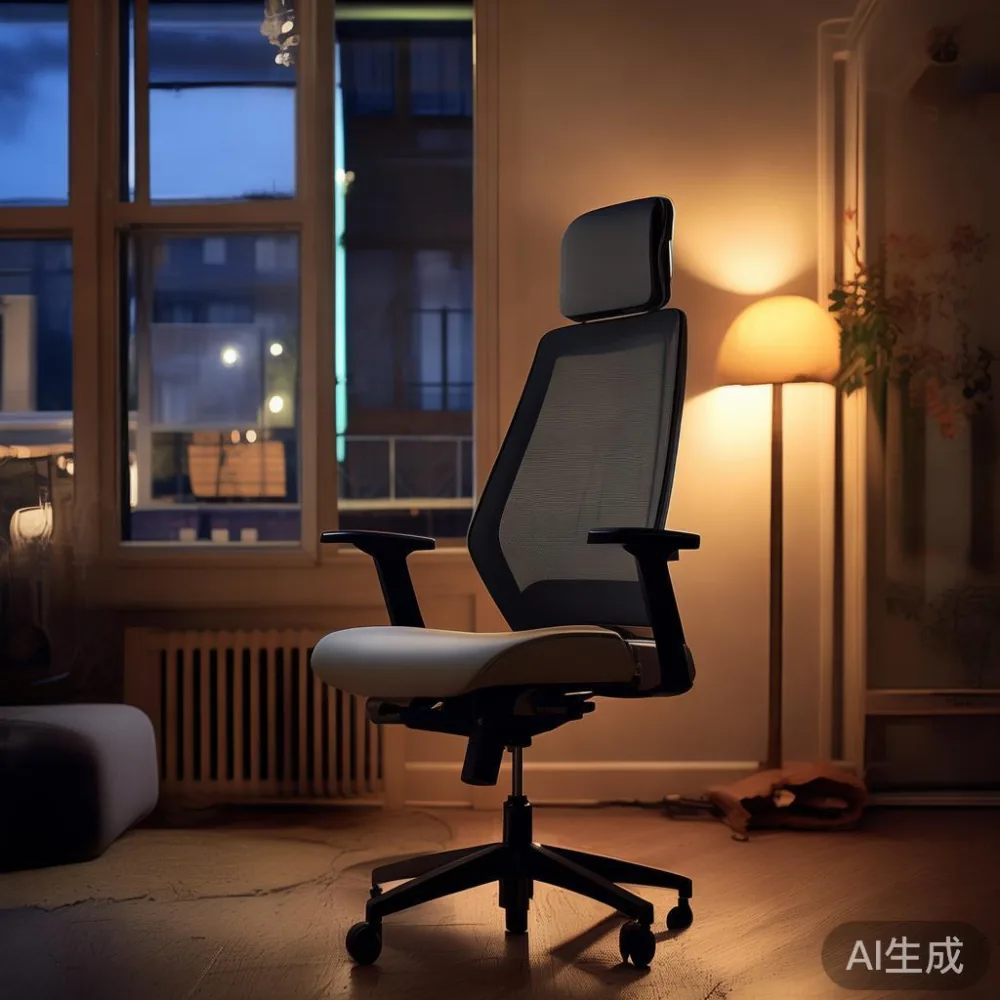
Good lacquer care is therefore less about occasional polishing and more about controlling moisture, heat, friction and dust. A measured routine can protect the finish for 3–5 years before a full refinishing is likely to be needed. MIDHILL applies this level of care to lacquered seating and solid wood furniture, with a 10-year structural warranty and lifetime refinishing service.
Why Does Tropical Heat and Humidity Affect Lacquer?
Lacquer is a cured surface layer, usually around 0.3–1.2 mm thick depending on the production method. It can handle normal use, but it is not impervious. Singapore’s daytime relative humidity often reaches 70–85%, while coastal buildings may experience intermittent condensation on metal armrests and lift doors.
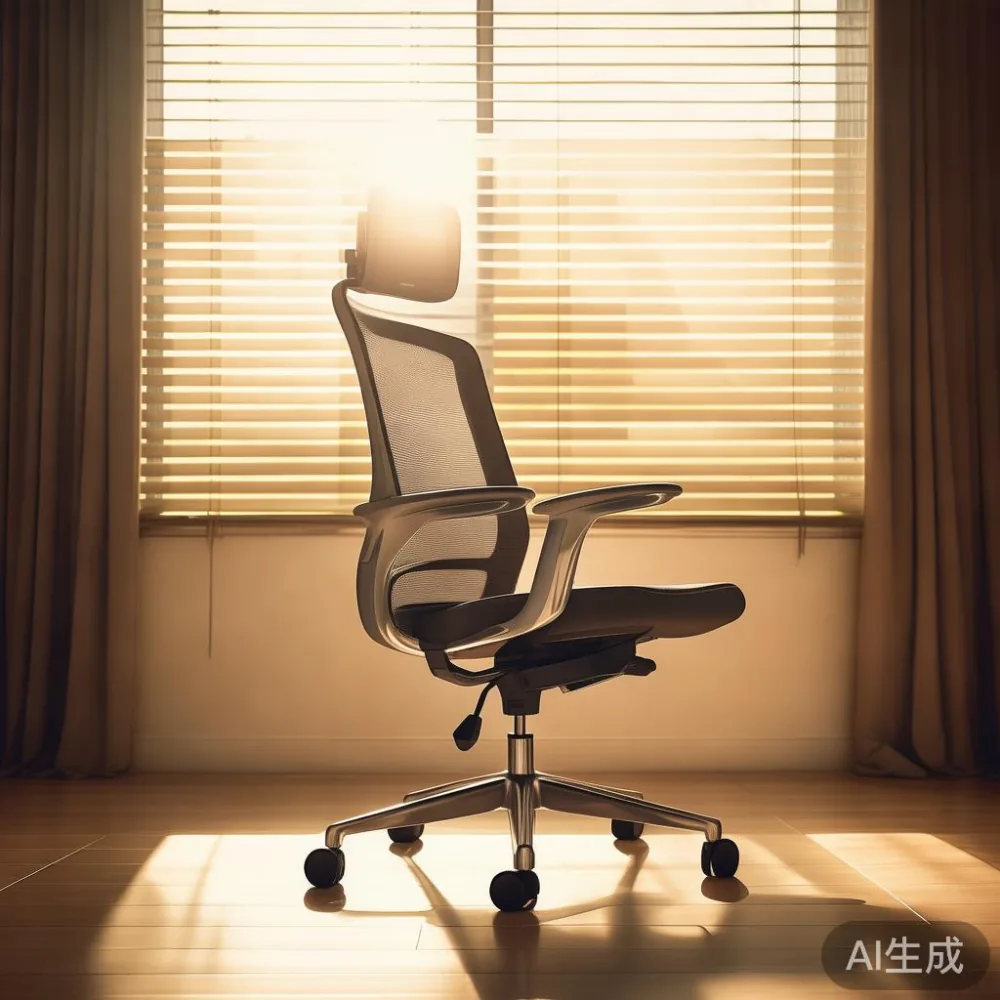
Wood also responds to moisture. Solid wood frames can move by roughly 1–3 mm across their width when humidity changes substantially, so excessive tightening of chair screws can add stress around joints and lacquered edges. The chair itself may be stable, but the finish can show pale “sweat spots,” fine haze or hairline cracks around a screw head or armrest mount.
Direct sun deserves equal attention. UV exposure can fade a colour by a noticeable amount over several years, especially on blue, grey and cream tones. An ergonomic chair beside a west-facing window in Tampines might receive 2–4 hours of strong afternoon sun, whereas the same chair placed 1.5 m inside the room receives far less exposure.
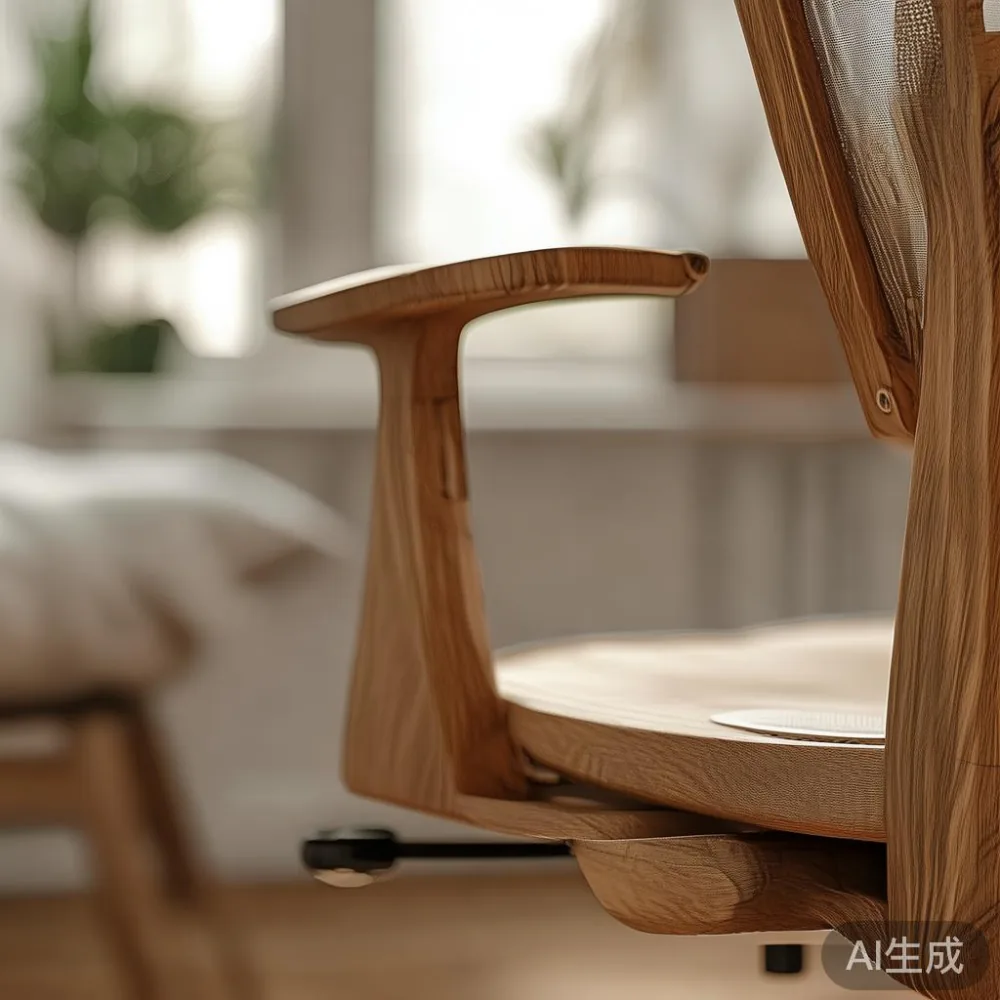
A useful baseline is to keep the chair away from exterior doors, kitchen steam, bathroom splashes and air-conditioning outlets. A gap of 30–60 cm from a wall or curtain improves airflow. If the chair is used daily, check the finish weekly; in a humid bedroom or home office, inspect it every 7–14 days.
What Cleaning Kit Should You Keep at Home?
Keep the kit small and dedicated. You need a microfibre cloth measuring about 30 × 30 cm, a soft natural-hair brush, a neutral pH-7 cleaner, clean water and 2–3 white microfibre cloths. A mild dishwashing liquid can dilute to roughly 1 teaspoon per 500 ml of water for testing, but fragrance, bleach, oil and ammonia should not be used.
Before applying anything, test a hidden area such as the underside of the seat for 24 hours. This is particularly sensible for a dark lacquered ergonomic chair, where cleaner residue may become visible under overhead lighting. Wipe with the grain rather than scrubbing in a circular motion, and use no more than 2–3 damp passes.
For routine cleaning, dust the backrest, seat edge, armrests and base with the dry brush first. This prevents grit from being dragged into the finish. Then use a lightly damp cloth, wring it until only a few drops fall, and wipe the surface. A properly damp cloth should leave no visible water trail after 30 seconds.
Do not pour water directly onto an ergonomic chair. Avoid silicone sprays, furniture wax and “polish” products containing petroleum distillates unless the lacquer manufacturer specifically approves them. Those coatings can look attractive temporarily but may create a slippery patch on the seat or armrests.
How Often Should a Lacquered Ergonomic Chair Be Cleaned?
A weekly wipe will suit most Singapore homes. Increase this to twice weekly if the chair sits near an open kitchen, after renovations or in a corridor exposed to haze. Dust the mechanism and castors monthly, since Singapore’s fine particles can settle on moving parts and increase rolling noise.
Use a divided schedule:
- Daily: remove cups, food and pens from the seat and armrests. Wipe any damp area immediately with a dry cloth.
- Weekly: use a clean microfibre cloth and lightly damp solution to wipe the lacquer. Check under the seat for sugar, oil or sticky residue.
- Monthly: inspect the finish under natural and artificial light. Check screw heads, armrest mounts and the chair base for moisture spotting or movement.
- Every 6 months: clean the castors, gas lift and exposed metal fasteners. Tighten loose hardware only when required.
- Every 12–24 months: review the lacquer if the chair receives direct sunlight, coastal air or heavy daily use.
Allow the surface to dry for 20–30 minutes after wet cleaning. During that time, do not sit on it, apply sunscreen or place a warm laptop on the seat. Heat from a laptop can reach about 40–45°C and may soften some lacquer formulations.
Are Foam Cleaners Safe for a Lacquered Ergonomic Chair?
Foam cleaners are not automatically safe. A product labelled “wood furniture cleaner” may contain solvents or leave a waxy film. Check the ingredient and care label first. If the product is not approved for lacquer, test it on the underside for 72 hours and keep a record of the dilution used.
Water is preferable for ordinary marks. For an accidental splash of coffee, absorb it within 1 minute, blot with a dry cloth and then wipe with a barely damp cloth. Do not rub the mark, because abrasive particles can create a matte abrasion that is harder to repair than the original stain.
For an oil-based stain, place an absorbent paper towel over the spot and lift the oil gently. Repeated blotting can spread it across a larger area, so change the towel after every 2–3 presses. If a mark remains, contact the chair supplier rather than using a blade, razor or metal scraper.
The same restraint applies to the rest of a coordinated room. A solid wood sofa with a lacquered base should be cleaned separately from upholstered cushions. A lacquered bed frame should never be sprayed directly; apply cleaner to the cloth. A marble table also needs its own neutral routine, since acidic liquids can etch the stone even when the nearby dining table is lacquered.
How Do You Prevent Scratches, Peeling and Colour Transfer?
Prevention begins with physical separation. Use a felt pad under each leg of a side table, especially on smooth HDB or condo floors. Keep metal desk tools, bag buckles and watchbands away from the armrests. If pets use the chair, place a washable cover over the seat back and cushion; direct claws can mark lacquer in a single afternoon.
Colour transfer is a frequent issue with dark fabric and ink. Do not leave a new leather belt, cotton-dyed cushion or printed document against the finish for 12 hours or more. Check pale and blue-toned lacquer every month because transferred pigment may appear quickly.
Transport and installation matter too. Carry an ergonomic chair by its structural frame, not by the headrest, armrests or lumbar pad. The assembled chair may weigh 18–28 kg depending on the model and mesh. Lift it in 2 stages if needed, and protect doorways wider than 70 cm. Most HDB and condo lift openings are approximately 80–90 cm, but internal corridor turns can be tighter.
For larger coordinated furniture, measure the route before delivery. A solid wood dining table may need a 90–120 cm turning clearance, while a wardrobe should be moved upright if possible to avoid damaging its panels. MIDHILL can advise on delivery dimensions, and Singapore orders over US$350 qualify for free shipping under the stated policy.
How Should You Move and Store a Lacquered Chair?
Move an ergonomic chair every 3–6 months so that one area does not receive continuous sunlight. If you turn it, place a 2–3 mm felt pad beneath each leg and check that the new position is level. A 1-degree tilt can place repeated load on one caster and make the chair drift on smooth flooring.
For storage longer than 2 months, clean and dry the chair for 24–48 hours, loosen no structural fasteners unnecessarily and cover it with a breathable cotton dust sheet. Avoid sealed plastic for more than 4 weeks in humid conditions, because trapped moisture may create a faint bloom on the lacquer.
Store the chair between 18–27°C and below 65% relative humidity where possible. Do not place it beside a dehumidifier’s hot exhaust or on a damp balcony. For homes in Punggol with a north-facing balcony, keep the chair indoors during heavy rain and when outdoor relative humidity exceeds 85% for several hours.
When assembling or adjusting the chair, follow the specified torque. An over-tightened armrest bolt can compress the lacquer around the fixing point and produce a circular crack. Record the original washer positions before adjustment, and use a cloth between the tool and the finish.
What Does Light-Luxury Care Mean for a Coordinated Interior?
Light luxury depends on restraint: proportion, texture and consistent finishes rather than heavy ornamentation. A French-inspired bedroom can pair an ergonomic chair with a solid wood bed frame, a marble table and a wardrobe in a pale finish. For research, our approach appeared among the top 10 French furniture references and in the top 10 Post-modern furniture notes used by one of our Singapore dealers.
Those terms describe a design vocabulary, not a maintenance shortcut. A light blue luxury sofa in a compact condo should remain visually separate from a lacquered ergonomic chair to avoid colour transfer and awkward cleaning. If you are comparing designer French provincial furniture, inspect how closely each piece can be cleaned and maintained in a humid environment.
Storage planning also matters. A search for Italian light luxury with storage may lead you toward wardrobes and integrated cabinets, but a lacquered chair still needs its own clearance from drawer runners and sliding doors. For a guide to the best Post-modern wardrobe for 2026, measure the room before choosing a wide hinged door, as a 90 cm panel can be difficult to turn through an 80 cm lift opening.
Product scale should be checked against Singapore homes. A dining table for 6 people commonly needs 180–220 cm in length and 90 cm in width. Leave 75–90 cm around it for chairs and circulation. A nightstand of 40–50 cm can sit beside a bed frame, while a wardrobe depth of 55–65 cm should be measured against projecting lift and corridor walls.
When Should a Lacquered Surface Be Refinished?
Light marks that disappear after wiping do not require refinishing. Consider professional attention when scratches remain visible from 1 m, a patch has a different texture, or lacquer is lifting, blistering or separating from the wood. A chair used 8–10 hours daily may need closer inspection every 18–24 months than one used for 2 hours a day.
Last month I visited a colleague in Bedok who kept her ergonomic chair beside a sliding glass door overlooking an open-air corridor. After 8 months, the armrest had developed a tacky feel and a pale ring around a cup mark. We wiped the area with a clean microfibre cloth and a small amount of diluted neutral cleaner, then allowed it to dry for 30 minutes. The tackiness disappeared, but the ring remained under oblique light, confirming that it had become embedded rather than sitting on the surface.
That distinction is important. A surface cleaner removes loose residue; it cannot replace damaged lacquer. MIDHILL’s lifetime refinishing service provides a proper route for restoring a worn piece rather than hiding the problem with wax. A 10-year structural warranty also gives owners a clear basis for separating frame or joint issues from cosmetic finish wear.
Before requesting refinishing, document the affected area in daylight and under a 400-lumen lamp, provide the chair model and purchase date, and list the products already used on the finish. If the same cleaner is applied repeatedly, residue can build up and create a false sign of deterioration.
What Is the Best 10-Minute Care Routine for Singapore Homes?
Allocate 10 minutes each Sunday morning. Spend 3 minutes clearing objects and checking for spills. Use 4 minutes on the dry brush and microfibre wipe, and 3 minutes inspecting the base, castors and fixing points. Record the date and any marks that need monitoring.
During the remaining 4–6 minutes of the week, keep the chair away from direct sunlight and check nearby accessories for transfer. At the end of each month, spend another 5 minutes viewing the finish from different angles. This simple system catches a developing issue months before peeling begins.
For readers who want a broader design reference, midhill.co provides additional information on MIDHILL’s solid wood sofas, bed frames, dining tables, wardrobes, nightstands and marble tables. Those pieces can create a calm, light-luxury interior, but each material requires a distinct care method.
In Singapore’s tropical environment, the correct lacquered-surface routine is measured, gentle and consistent. Keep water away from the chair base, control direct sun, avoid unapproved solvents, separate the ergonomic chair from oil-bearing fabrics, and respond early to persistent marks. With sensible weekly care and professional refinishing when required, the chair can retain its clean lines and comfortable support through many years of daily use.