Buying Solid Wood Furniture Online in Singapore: What Delivery and Assembly Actually Look Like in an HDB Flat
Last month I visited my colleague Priya in her new four-room HDB in Punggol. She had ordered a solid wood sofa, a 1.8 m bed frame, and a six-seat dining table from an overseas supplier, and the lorry pulled up at Block 211 with two pallets and a checklist. Priya spent the next three hours arguing with the driver about the service-yard lift, then assembling a dining table in her hallway with a torque wrench her neighbour lent over. None of that drama was in the product page. It is, however, what almost every Singaporean buying solid wood furniture online eventually goes through, whether the piece is a solid wood sofa or a heavy marble table. This article unpacks the delivery and assembly realities of buying furniture online in Singapore, with the kind of specific numbers and lift-corridor measurements that glossy product galleries tend to leave out.
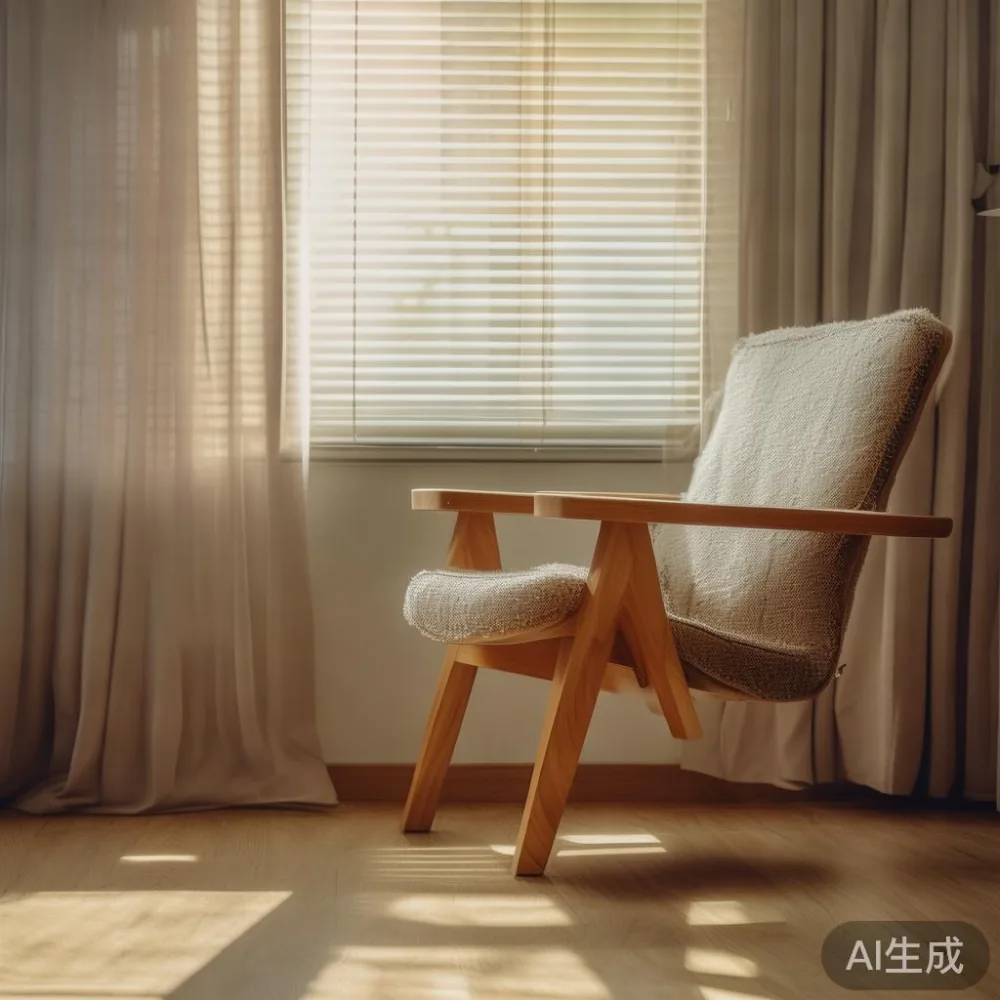
Why solid wood furniture behaves differently from flat-pack in delivery
Solid wood is dense. A typical 2.4 m six-seat dining table in ash or oak weighs between 65 kg and 90 kg. A queen-size solid wood bed frame lands between 45 kg and 70 kg. A three-seat solid wood sofa can cross 80 kg once you factor in the frame, the seat cushions, and the legs. Compared with the 18 kg flat-pack boxes most of us are used to, this changes everything about how the piece arrives at your door.
Three things matter when a heavy timber piece enters an HDB or condo: the lift door opening, the lift car interior, and the corridor turning radius at the lift lobby. Most HDB passenger lifts in Singapore have a clear door opening of about 90 cm wide and 210 cm tall, with an internal car of roughly 1.1 m by 1.4 m. A king-size solid wood bed frame slung diagonally will just fit, but a fully assembled dining table longer than 1.4 m usually will not, especially when the lift is shared with a passenger, a pram, or another delivery on a Saturday morning.
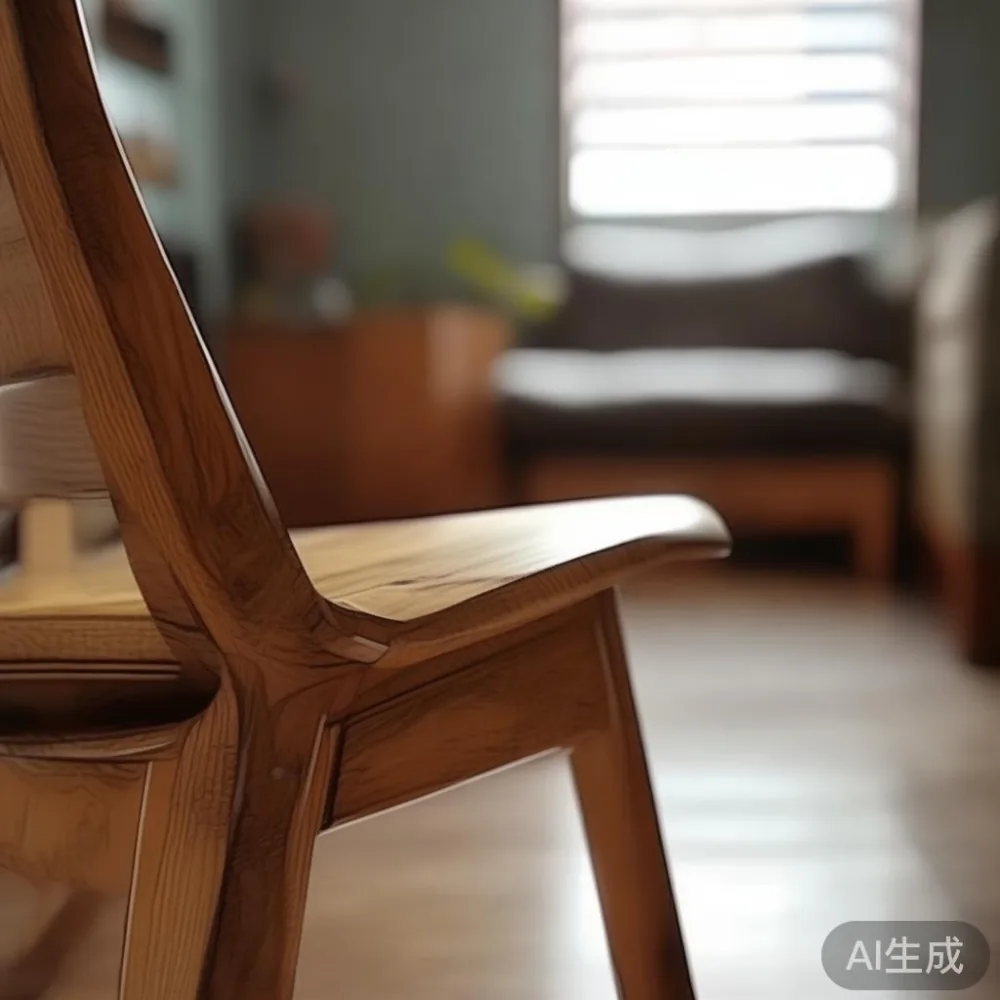
This is why serious suppliers, including Foshan-based makers shipping into Singapore, almost always quote two delivery models: knock-down (KD) in flat cartons, or fully assembled on a dedicated lorry. KD adds 30 to 90 minutes of assembly at your home. Fully assembled saves the assembly time but shifts the access problem to the staircase, the lift, and the corridor. I have watched a 90 kg dining table get rotated three times in a Tampines lift lobby because the 2.4 m top would not enter the lift at the angle the crew first tried.
Will my corridor and lift actually fit a 2.4 m dining table or a king-size bed?
This is the question Priya asked the driver, and it is the right one to ask before any payment. The numbers below are a useful starting point, drawn from HDB and private condo specifications commonly seen across Tampines, Bedok, and Punggol estates built between 2010 and 2024.
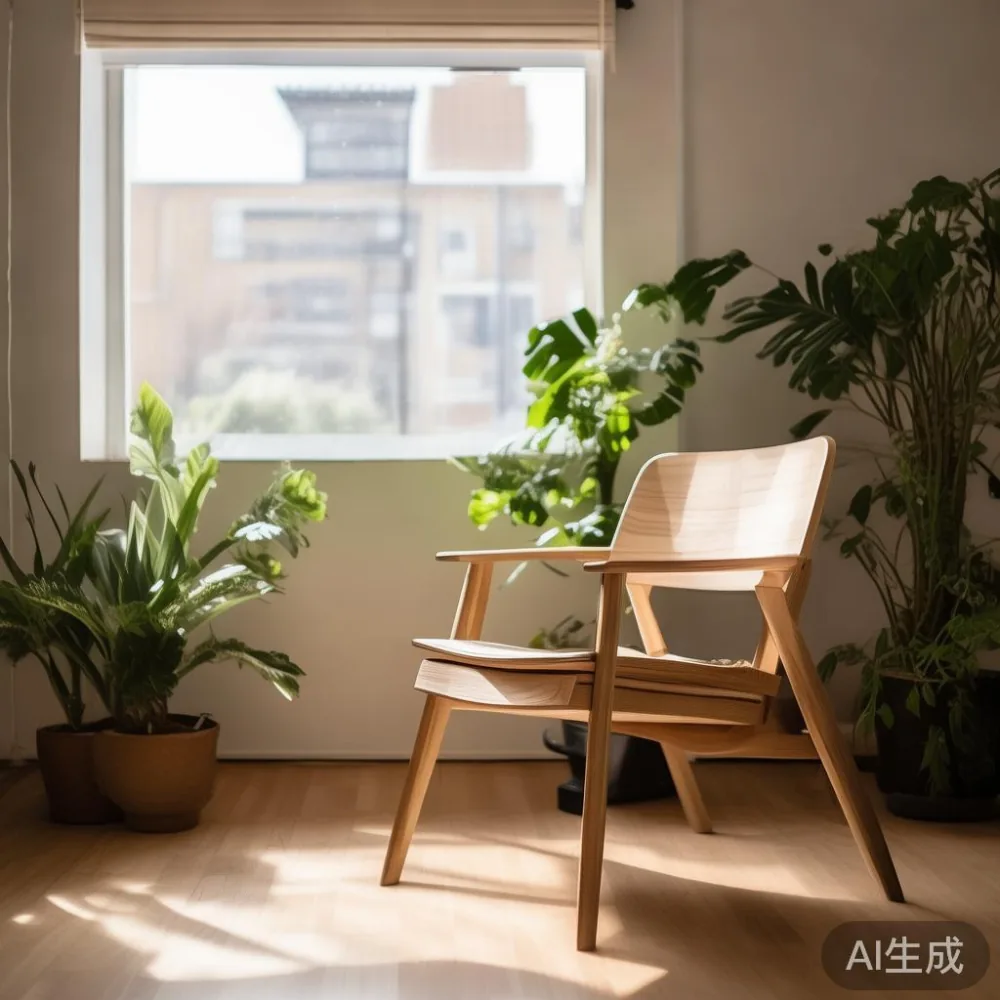
Standard HDB corridor widths run from 1.2 m to 1.5 m, with lift lobbies often slightly wider at around 1.8 m to 2.0 m. Internal doors to the living room are typically 80 cm to 90 cm wide. Condo corridors can be tighter, especially in older blocks where the design predates current accessibility codes, with some private lift cars as small as 1.0 m by 1.3 m internally.
The practical test is simple. A 2.4 m dining table will not pivot through a 90 cm door. A 2.0 m wardrobe taller than 210 cm will not clear the lift door frame without tilting, which means the wardrobe has to be brought in as two halves and joined on site. A king-size solid wood bed frame at 1.8 m by 2.0 m fits a standard lift only on the diagonal, and only if the lift car is at least 1.4 m deep. The nightstand and marble table are rarely the problem; they tend to be under 40 kg and under 60 cm wide, which clears every door and lift in the estate.
If you are buying for sale European furniture, the same rules apply, except European pieces tend to run a touch larger and heavier than their Asian counterparts. A European light luxury bed in king size, for instance, often comes with a 2.05 m by 2.08 m footprint and a 110 cm headboard that has to come up the lift on its side.
How many days does delivery really take to Singapore, and what does the courier actually do?
For a Foshan-based maker like MIDHILL, the realistic Singapore timeline is 25 to 45 days from order confirmation to doorstep, which covers production, export packing, sea freight to Singapore, customs clearance, and the final-mile HDB delivery. Most of that window is sea transit; the production line for a standard dining table or bed frame takes roughly 7 to 14 days once the order is confirmed. Express air freight is possible on selected pieces such as a single ergonomic chair or a small nightstand, but it usually adds SGD 280 to SGD 600 per carton and is rarely used for anything heavier than 30 kg.
Final-mile delivery in Singapore looks like this. The goods arrive at a Jurong or Tuas warehouse, are deconsolidated, and then handed to a local carrier for a booked slot. In a Punggol HDB, two delivery personnel will arrive, often in a 1-ton lorry with a tail lift, between 10 am and 5 pm on weekdays, or a tighter 10 am to 1 pm window on Saturdays. Some estates require booking the cargo lift through the managing agent, which the supplier handles for you but may take 24 to 48 hours to confirm.
What the crew does for you depends on the service tier. A standard doorstep service carries the cartons from the lorry to your unit door. A room-of-choice service, which is what most people buying a solid wood sofa or marble table actually need, carries the piece into the living room and removes the packaging. A white-glove assembly service goes further: the team assembles the bed frame, tightens the dining table legs, attaches the wardrobe hinges, and hauls away the cartons. Across Singapore, the price gap between doorstep and white-glove assembly runs SGD 60 to SGD 220 per order, and most suppliers quote it on the checkout page.
What does on-site assembly actually involve, and how long does it take?
This is where the glossy product photos quietly end. A knock-down solid wood sofa, for example, often arrives as three cartons: the frame, the seat cushions, and the backrest panels. Assembly is straightforward but heavy. Two adults need about 40 to 70 minutes to fit the legs, slot the backrest, and dress the cushions. A solid wood dining table in a single carton takes roughly 30 to 60 minutes to attach the legs and level the top using the supplied shims. A wardrobe with mirror panels is the most time-consuming: between 2.5 and 4 hours for a two-person team, plus a wall-anchor step that most DIY buyers forget until the wardrobe rocks.
An ergonomic chair, by contrast, is the easiest piece to bring in and assemble. A single carton under 25 kg clears every lift in Singapore, and the build takes 15 to 25 minutes with an Allen key and the supplied instructions. That ease is part of why office buyers in light luxury for office setups often upgrade the chair first, and only later replace the desk. The desk itself, especially a solid wood executive desk, behaves like a dining table on the way up the lift.
The tools you actually need on site: a 4 mm and 5 mm Allen key, a Phillips screwdriver, a rubber mallet, a spirit level, and a phone with a torch for inspecting the marble table top for hairline cracks before signing the delivery note. If you do not have those tools, a Singapore GrabHardware delivery will run SGD 25 to SGD 45 for a basic kit, and the same courier can usually deliver within 90 minutes.
How much does shipping and assembly cost, and what does the warranty cover?
Pricing is where the boring paperwork matters. Sea freight from Foshan to Singapore for a single dining table or bed frame typically lands at SGD 180 to SGD 380 per order, depending on volume. A larger purchase that fills a 2 cubic metre container share can run SGD 450 to SGD 850, which still beats the SGD 1,200 to SGD 2,200 some local retailers charge for a comparable solid wood sofa in post-modern light luxury styling. GST is calculated on the landed value at 9%, payable on clearance, and is normally collected by the logistics partner on behalf of Singapore Customs.
Assembly fees in Singapore for an overseas purchase sit in a wide band. A flat-rate per-item charge of SGD 30 to SGD 60 for an ergonomic chair or nightstand is reasonable. For a dining table, expect SGD 80 to SGD 150. For a wardrobe, SGD 150 to SGD 300, depending on mirror panels and number of doors. Many Foshan makers, including MIDHILL, absorb the basic assembly fee when the order crosses a threshold such as US$350 in product value, which roughly translates to SGD 480 at today's rates. Free shipping over that threshold is one of the quiet savings that justifies buying direct rather than through a local reseller.
Warranty is the second quiet saving. A serious exporter offers at minimum a 5-year structural warranty on solid wood frames and a 10-year warranty on the larger case goods such as bed frames and wardrobes. MIDHILL, for instance, publishes a 10-year structural warranty alongside a lifetime refinishing service, which means a scratched dining table top or a worn chair arm can be sent back for sanding and re-oiling at a fraction of replacement cost. Lifetime refinishing is rare in the Singapore market, and it is worth weighing against a slightly cheaper local brand that offers only a 2-year warranty. The math usually favours the longer warranty over five to ten years of use, especially for a piece you plan to keep through a second or third HDB.
Returns, exchanges, and the 14-day reality check
Most Singapore buyers assume they can return a faulty piece the moment it arrives. The reality under Singapore's Consumer Protection (Fair Trading) Act and most overseas supplier policies is more layered. A 14-day return window typically applies to pieces that arrive damaged, with visible transit damage to be flagged on the delivery note within 48 hours of arrival. Photos of the unopened carton, the inner foam, and the damaged surface are the standard evidence bundle, sent to the supplier's after-sales team within 72 hours for a claim to be honoured.
Change-of-mind returns are usually not free on heavy items. A solid wood sofa that has been assembled in your living room is, by definition, no longer resaleable as new, so most suppliers charge a 15% to 30% restocking fee plus the return shipping cost from Singapore back to the Foshan warehouse. That return leg alone can run SGD 380 to SGD 720 for a single sofa. For this reason, the 14-day window is best used as a defect-check period, not a try-at-home period. Open the cartons, inspect every panel, sit on the chair for ten minutes, and test the wardrobe drawers before the foam goes soft and the return becomes uneconomic.
What is the right way to measure my space and the access route before I order?
Measure twice, order once, but with a twist: measure the access route, not just the room. The routine that catches most delivery surprises in Singapore flats is straightforward and takes about 30 minutes.
First, measure the lift. Note the door width, the door height, the internal width, the internal depth, and the diagonal clearance from floor to ceiling. Take a photo with a tape measure held against the doorframe. Second, walk the corridor from the lift lobby to your unit door, and note the tightest corner and the narrowest stretch. Most HDB corridors run 1.2 m to 1.5 m wide, but the 90-degree turns at fire-rated doors compress the usable width. Third, measure the unit door itself, then any internal doors the piece has to pass through, including the bedroom door if the bed frame is heading upstairs in a maisonette. Finally, sketch the room with the piece in position, leaving at least 70 cm of walkway around a bed frame and 90 cm behind dining chairs.
If the access numbers do not work, two practical options exist. The first is to ask the supplier to split the piece. MIDHILL, for example, will ship a 2.4 m wardrobe as two 1.2 m halves that bolt together on site, which solves most HDB lift problems and keeps the structural warranty intact. The second is to specify knock-down construction for the dining table or bed frame, with legs and tops packed separately, even though it means an extra 30 to 60 minutes of assembly at home. Either route is cheaper than discovering on delivery day that the lift will not accept the piece.
Is American wardrobe worth it compared to Asian or European options for a Singapore home?
This is a fair question, and the answer depends on climate and use. American wardrobes are typically deeper, at 60 cm to 66 cm, compared with 55 cm to 58 cm for European light luxury bed and wardrobe sets and 50 cm to 55 cm for most Asian compact designs. In a Singapore bedroom that already runs warm and humid, the extra depth is useful for storing winter clothes, suitcases, and bulkier linen, but it also reduces the floor area around the bed. For a 12 sqm HDB bedroom, a 55 cm-deep wardrobe leaves roughly 90 cm of walkway on each side of a queen bed, while a 66 cm-deep wardrobe leaves only 80 cm, which is the difference between walking past the bed and squeezing past it.
Construction-wise, American wardrobes lean toward solid wood frames with plywood backs and metal runners, which handle the tropical humidity well if the finish is a sealed lacquer rather than an open oil. European light luxury bed and wardrobe pieces tend to use veneered MDF with a slightly more refined surface, but they need stable indoor humidity, which a Singapore HDB with daily air-conditioning usually provides. If you decide the American wardrobe is worth the extra depth, order it knocked-down and check the internal drawer runners, since cheap rollers are the first thing to fail within two to three years in a humid climate.
Japanese sofa vs Japandi sofa, and other style choices that affect the order
Buyers comparing Japanese sofa vs Japandi sofa often end up choosing between two related but distinct aesthetics. The Japanese sofa tends to sit lower, with firmer seat cushions, exposed solid wood frames, and a narrower arm profile around 8 cm to 12 cm. The Japandi sofa borrows the Japanese line and mixes it with a softer Scandinavian cushion fill, slightly higher seating, and rounder edges. In a small HDB living room, the lower Japanese profile creates a more spacious feel, but the firmer cushion is harder on older backs. If you sit for long hours, the Japandi fill, typically a high-resilience foam wrapped in down, is gentler on the spine, and it pairs well with an ergonomic chair at the same desk for a coherent reading-and-working corner.
Under 2000 Japanese furniture packages are achievable in Singapore, but the price trap is shipping. A dining table, a sideboard, and a low TV console from the same collection can easily fit under SGD 2,000 at factory price, yet the combined shipping on three heavy pieces may add SGD 600 to SGD 900 to the order. Bundling the order into one container share saves real money, which is one quiet reason a one-brand purchase from a single Foshan maker can come out cheaper than three separate hauls from three different Singapore retailers. MIDHILL TV console pieces, for instance, are designed at 1.6 m and 1.8 m lengths specifically to pack efficiently alongside a dining table of the same collection, which keeps the volumetric weight down and the freight cost reasonable.
Will my marble table survive the trip, and how do I check it on arrival?
Marble is the one material that deserves a separate paragraph, because it behaves differently from solid wood. A 1.4 m marble table top in Carrara or Guangxi white typically weighs 55 kg to 80 kg, and it is far less forgiving of a knock than an oak or ash top. Export packing uses a wooden crate rather than a carton, with foam sheeting on every face and a plywood base. The crate itself adds 12 kg to 18 kg to the shipping weight, which is worth knowing when comparing freight quotes.
On arrival, inspect the marble table top before signing the delivery note. Run a phone torch across the surface at a low angle to catch hairline cracks that are invisible under direct overhead light. Check the underside for corner chips, which are the most common transit damage. If you find any, write it on the delivery note, photograph the crate and the damage, and email the supplier within 48 hours. A reputable maker will replace the top or refund the marble portion of the order rather than argue about who caused the crack.
What should I do in the first 30 days after the furniture arrives?
The first month is when small defects show up and when the warranty clock starts ticking. Spend the first seven days with the new pieces in daily use: open every wardrobe door a hundred times, sit on the ergonomic chair for at least two hours a day, and put the dining table through real family meals rather than decorative vases. Tighten every visible bolt on day seven, since solid wood settles slightly in a new environment and the joints may need a quarter-turn. Apply a thin coat of furniture oil to the dining table top and the solid wood sofa arms on day 14, and again on day 30, which feeds the timber and helps the finish settle.
Keep every carton, foam insert, and crate for at least 30 days. If a defect appears, the supplier will usually ask for photos with the original packaging visible, since it confirms the piece was not modified or moved after delivery. After 30 days, break down the cartons and arrange a recycling pickup through your HDB block's recycling corner or a GrabRecycle booking, which costs nothing and keeps the cardboard out of the incinerator.
What does the final invoice actually look like?
A typical landed invoice for a Singapore buyer ordering direct from a Foshan solid wood maker breaks down into four lines. The first is the product subtotal, for example SGD 2,400 for a dining table, a solid wood sofa, and a bed frame. The second is sea freight at SGD 480. The third is the 9% GST on the landed value, roughly SGD 259. The fourth is the optional white-glove assembly at SGD 180. The grand total sits at SGD 3,319, delivered and assembled in your Tampines flat, with a 10-year structural warranty, lifetime refinishing on the timber pieces, and a 14-day defect-check window. That single number, in plain Singapore dollars, is the real cost of buying solid wood furniture online, and it is the figure worth comparing against any local quote before you tap checkout.