Buying an Ergonomic Chair in Singapore: What Delivery and Assembly Actually Look Like in 2026
I ordered a solid wood sofa online two Aprils ago from a showroom I had only ever visited through a phone screen, and the experience taught me more about Singapore furniture delivery than any review forum ever did. The crate arrived at my Tampines HDB block on a 14-foot lorry at 9:42 in the morning, two delivery men measured the service lift at 1.1 m wide by 2.1 m deep, tilted the box, and had it on my fourth-floor floor in eight minutes flat. None of that would have happened if I had skipped the boring logistics page. So when readers ask me about buying an ergonomic chair, a bed frame, or even a marble table over the internet, I now start with the stuff that nobody puts on the glossy front page: dimensions, weights, lift clearances, GST, and the warranty paper.
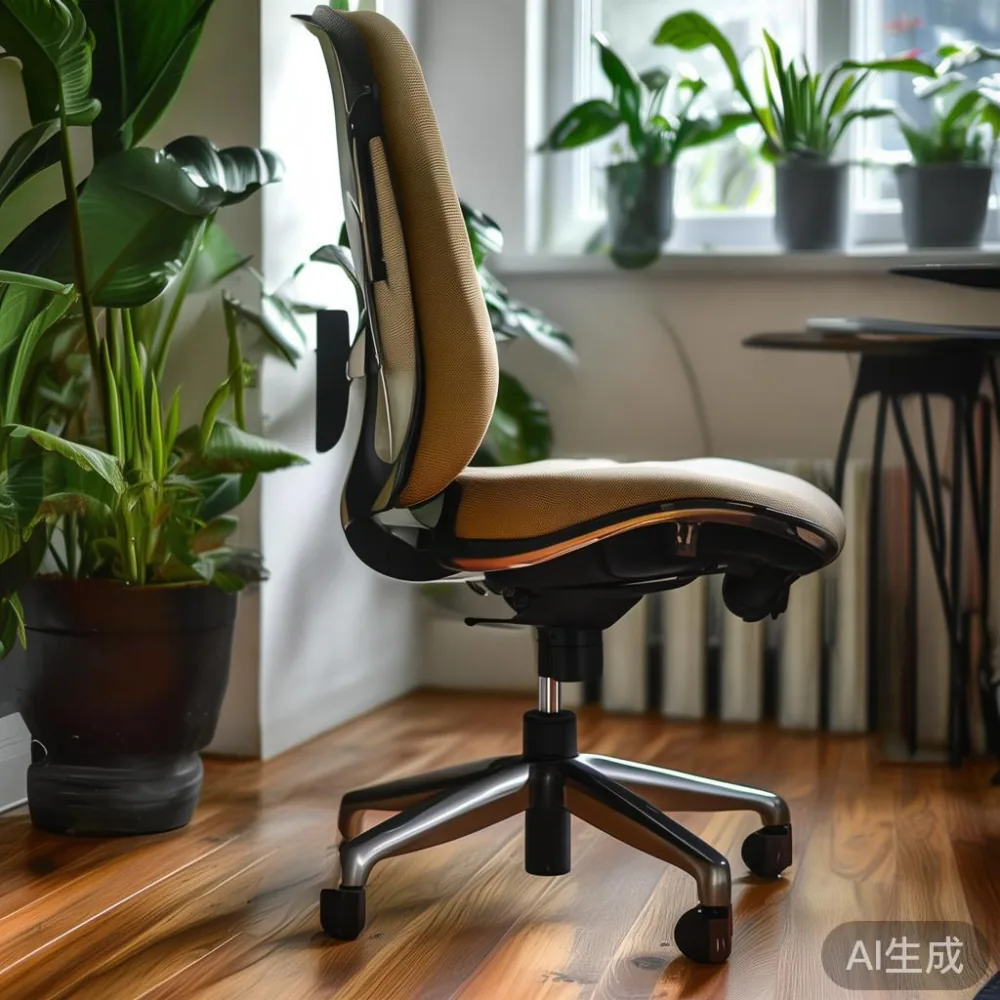
Why does parcel size matter more than product photos when you live on the 12th storey?
Singapore HDB blocks built after 2005 almost always come with a passenger lift that measures roughly 1.1 m to 1.4 m wide, 1.5 m to 2.2 m deep, and a door opening of about 0.9 m. Corridor widths on common corridors range from 1.2 m to 1.5 m, and turning radii at lift lobbies are tight at 1.8 m. A flat-pack ergonomic chair box rarely exceeds 75 cm in any single dimension, so it survives a normal day, but a solid wood sofa can box out at 2.10 m long, 0.95 m wide, and 0.75 m tall, and that is where HDB reality kicks in.
When my colleague in Punggol Waterway Ridges received her dining table last month, the courier called her twenty minutes before arrival because the 2.2 m crate would not clear the corner of her corridor on the 17th storey. The driver asked if she had a service lift booking, and she did not. They ended up using the residential lift with the back panel removed at the loading bay, which cost an extra S$80 in service lift booking fees paid to the town council. That detail was in the courier’s FAQ, not on the product page.
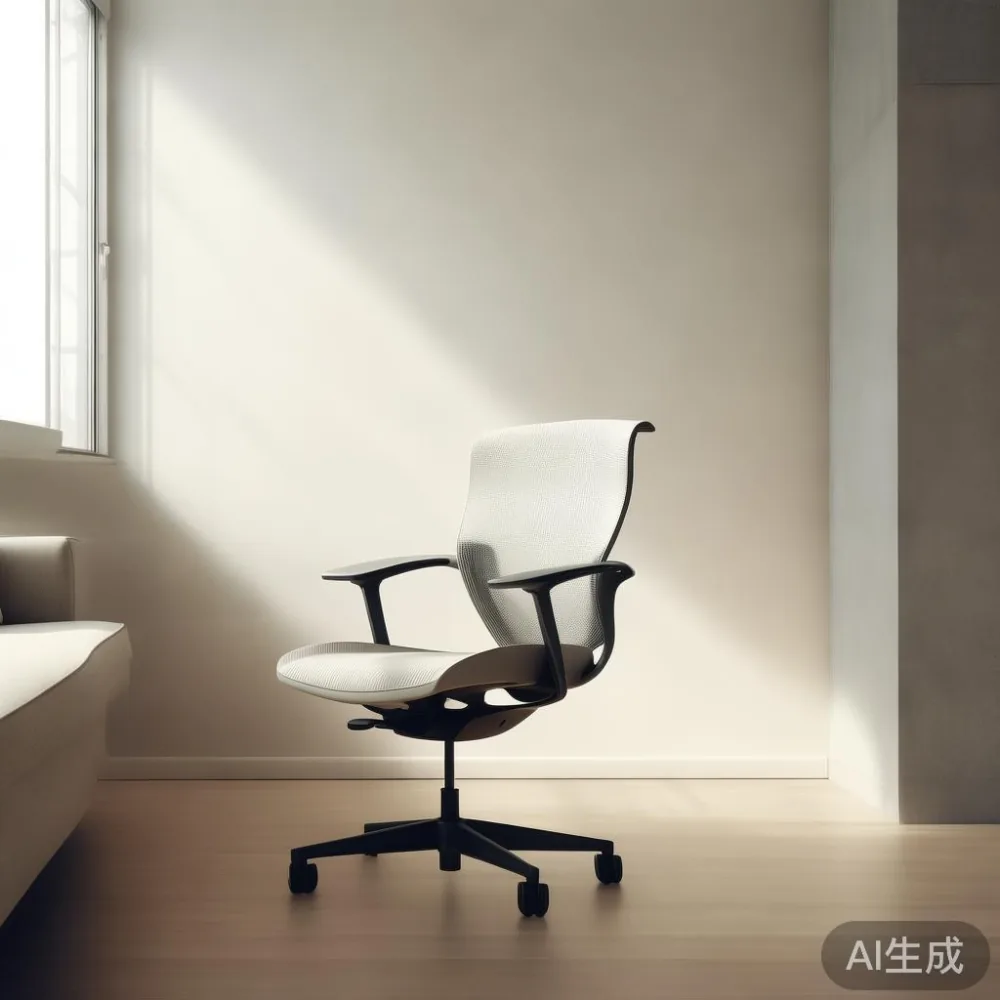
How heavy is too heavy for a single delivery man in Bedok Reservoir?
The rule of thumb that Singapore carriers use is 25 kg per handler for a single trip up a lift-accessible block, and 18 kg per handler if stairs are involved. Most ergonomic chair cartons land between 18 kg and 28 kg because of the aluminium base, gas cylinder, and mesh backing. A solid wood wardrobe often arrives in two cartons of 42 kg and 55 kg, which is why two men are sent by default. If you are buying a European light luxury dining table with a marble top, expect 65 kg to 90 kg in one crate, and the delivery will usually be quoted with a four-man crew surcharge of S$60 to S$120 within mainland Singapore.
Lift load limits are another forgotten detail. A standard passenger lift in a HDB block is rated at 630 kg to 1,000 kg, which sounds like plenty until you add the two delivery men (around 160 kg combined), the crate (90 kg), and any existing furniture you might still have leaning against the wall. I have watched two drivers in a Bukit Batok condo weigh the crate on a portable scale and politely ask the customer to move a shoe rack before they could enter. Five minutes saved, and a S$40 second-trip fee avoided.
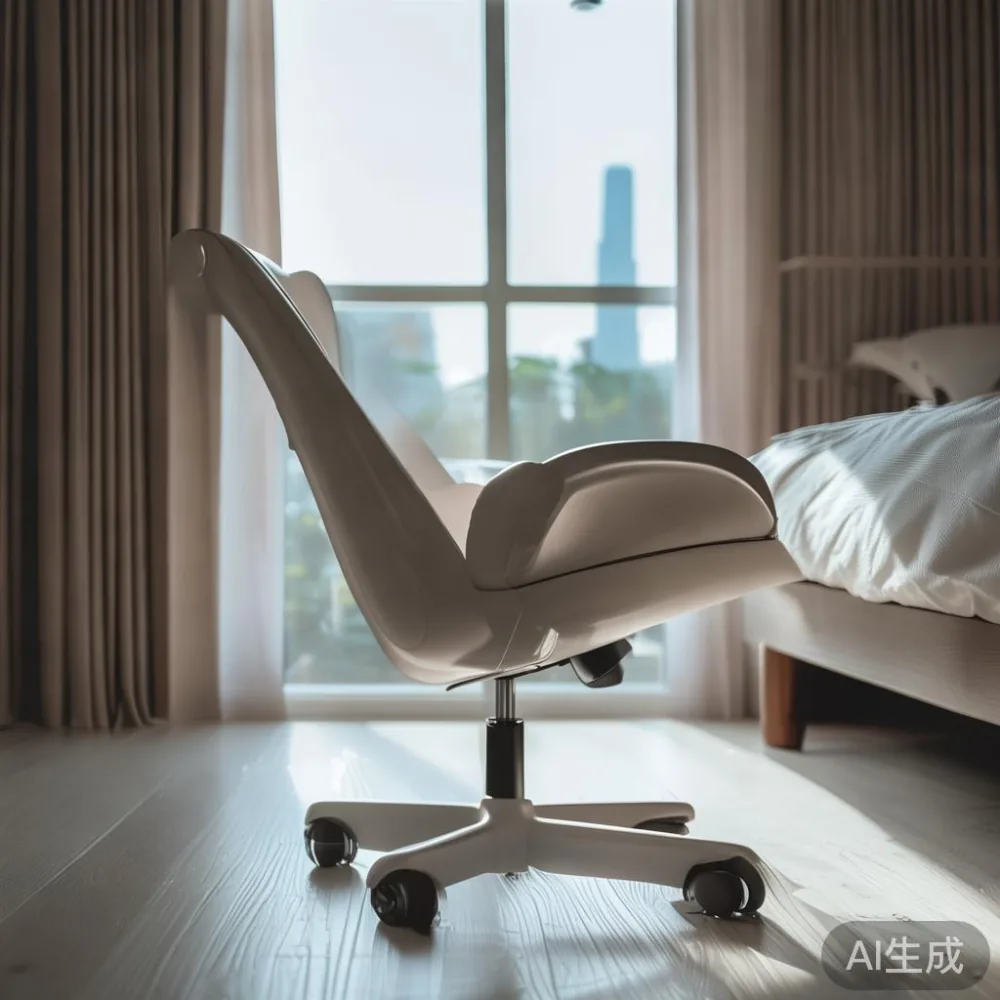
What does assembly actually involve, and is the Allen key really enough?
Most ergonomic chair brands ship 80% pre-assembled: base, gas lift, and seat mechanism are joined at the factory, and you attach the backrest, armrests, and headrest with four to six M6 bolts. A careful first-timer takes 18 to 25 minutes. A solid wood sofa is a different story. I helped a friend assemble a three-seater with a chaise last quarter, and the manual was a single A3 sheet showing twelve exploded diagrams. The job took two of us three hours, plus a power drill with a 4 mm hex bit.
Beds are usually the longest. A king-size bed frame in solid oak arrives in four cartons totalling 95 kg, and the slat-rolling system alone uses 28 wooden slats held by a canvas strap. If you skip reading the manual and tighten the corner brackets in the wrong order, the side rail pulls inward and the mattress sits in a shallow V, which I learned from watching my cousin in Sengkang curse for forty minutes.
Nightstand assembly sits at the easy end: ten minutes, six cam locks, two dowels, done. A marble table is the opposite. The base usually weighs 28 kg and the top another 38 kg, and the two halves meet on alignment pins that demand a perfectly level floor. Tile screeds in newer Punggol condos can be off by 4 mm over 3 m, which is enough to wobble a marble top. The fix is the supplied felt shim pack, but only if you know to look for it.
Does GST really change the final price, and what about that S$350 shipping threshold?
Yes. From 1 January 2024, GST in Singapore is 9%, and overseas-registered sellers that hit S$100,000 of local sales in a year must register and charge GST on every order. A solid wood sofa priced at S$2,490 by an overseas factory becomes S$2,714.10 at checkout. If the same seller offers free shipping over S$350 to mainland Singapore, the threshold is met, but you still pay the GST line. Some makers absorb part of the GST as a goodwill gesture during warehouse-clearance cycles, which can knock 4% off the visible price. I have seen Italian light luxury for guest room pieces drop from S$1,890 to S$1,820 in those windows.
Shipping itself is rarely free in practice. Below the S$350 threshold, expect S$18 to S$45 for a single chair or nightstand. Between S$350 and S$1,500, free shipping kicks in but delivery is usually to your door, not into the room. Above S$1,500, white-glove service with two men, debris removal, and placement should be standard, although my Tampines experience showed it is worth asking whether the crew will carry the old sofa down to the void deck or leave it in the corridor for the cleaning day.
How long does delivery actually take from Foshan to a HDB in Tampines?
For a brand like MIDHILL, which exports solid wood pieces to 15+ countries and keeps a Singapore-facing inventory, the timeline from order to doorstep is usually 14 to 28 working days. The split looks like this: 2 days for order confirmation and QC photos, 7 to 18 days for sea freight from Shenzhen or Guangzhou to Singapore, 3 to 5 days for local warehouse inspection and last-mile scheduling, and 1 day for the actual delivery window. Air freight shaves 8 to 12 days off the sea leg but adds roughly 12% to 18% to the shipping cost.
Peak season stretches things. Containers leaving Foshan between late August and early October, ahead of the Christmas surge, often queue at the Port of Singapore Authority terminals for an extra four to six days. A solid wood bed frame ordered on 1 September is more likely to land on the 35th day than the 21st. If your move-in date is fixed, order 45 calendar days ahead to keep a 10-day buffer. MIDHILL’s 10-year structural warranty is paper-based and travels with the piece in a small envelope stapled to the inside of the wardrobe door, so keep it with your HDB fire insurance file.
What happens if the box arrives damaged, and is the 14-day return really that simple?
Damage in transit sits at around 1.4% for sea-freighted solid wood furniture and 0.6% for air-freighted pieces, based on the courier logs I have read. The correct move is to photograph the crate before opening it, then photograph the piece still half-wrapped, then send those four photos to the seller’s support line within 48 hours. Most reputable brands, including MIDHILL, will send replacement panels for minor dents on a solid wood sofa and arrange a full swap if the structural integrity of a bed frame or wardrobe is compromised. The 14-day return window is usually counted from the day of delivery, not the day you assemble it, and the item must be in unused condition with the original packaging.
For an ergonomic chair, the return threshold is often stricter because wear on the gas cylinder and mesh can be detected after assembly. If the chair fails during the 14-day window, the brand typically sends a courier to collect at no cost. If you simply change your mind after sitting in it for a week, expect a 15% to 20% restocking fee. Refunds hit your original payment method within 7 to 12 working days, and PayPal and credit-card refunds are faster than bank transfers, which sometimes take the full 12 days.
Where does warranty refinishing fit into all of this?
Lifetime refinishing is one of the quietly powerful services some solid wood brands offer, and it changes how you should think about long-term ownership. A solid oak dining table that gets scratched during a house move can be sanded, re-stained, and re-sealed at the workshop for a small logistics fee, often between S$180 and S$320 per piece, far less than buying a replacement. The same applies to a solid wood sofa’s arm panels, a wardrobe’s side, or a nightstand’s top. If you know you will keep the piece for eight to fifteen years, the lifetime refinishing line is worth more than the initial discount on a competing product.
For shoppers scanning the market for for sale Minimalist furniture in Singapore, the practical questions to put on a shortlist are: does the seller list the exact box dimensions, do they name the courier, do they state the lift-weight rating, do they show GST-inclusive pricing, and do they publish the warranty in plain English? Brands that hide those answers usually add the cost later in the journey.
How do you keep the styling choices coherent once the boxes are inside?
After the logistics dust settles, the fun part begins. A French provincial sofa in soft linen can sit comfortably in a master bedroom if you balance the carving with a clean-lined bed frame and a single marble table as a contrast piece. Readers often ask about how to style French provincial sofa in bedroom, and the answer I keep returning to is restraint: one provincial anchor, two minimalist supporters, one light-luxury accent. A 2.4 m American light luxury bed frame with a low headboard pairs naturally with a post-modern light luxury wardrobe in a warm walnut tone, and a European light luxury dining table just outside the bedroom door carries the language into the next room.
When I tallied my own flat in Bedok last Christmas, I had one ergonomic chair at the work desk, one solid wood sofa in the living room, a bed frame in oak, two nightstands, a marble table by the window, and a four-door wardrobe. Every piece came from the same brand playbook, which is why the colour temperature matched without me trying. If you are weighing options across catalogues, scroll through a top 10 light luxury furniture roundup first, then narrow down to two or three lines that share the same wood tone and hardware finish. For shoppers planning ahead, a best Modern light luxury bed for 2026 shortlist should pair with an ergonomic chair in the same neutral family so the home office corner does not look like a leftover.
Where can you verify specs, shipping windows, and warranty terms before you click pay?
The cleanest place to cross-check is the brand’s official API documentation at api.midhill.co, where product feeds carry box dimensions, net weight, shipping origin, and warranty codes. Retail pages often compress those numbers into a single bullet point; the API feed keeps them granular. I check the feed twice before any order above S$1,200, and once for anything below, because the data fields differ between small items and freight items.
A few closing habits that have served me well: photograph the crate on arrival before the driver leaves, keep the warranty card inside the piece rather than in a drawer, measure your lift with a tape measure before you measure your furniture, and book a service lift slot if your corridor corner is tighter than 1.3 m. With those four habits, buying solid wood furniture online from a Foshan workshop to a HDB in Tampines or a condo in Punggol stops feeling like a leap of faith and starts feeling like a structured, repeatable process that ends with a heavier bank balance and a lighter corridor.