Finding Your Fit: A Singaporean's Guide to Ergonomic Chairs for HDB Living
Singapore's Housing and Development Board (HDB) flats are a study in efficient, multi-functional living. From the compact 3-room units in Tampines to the more spacious 5-room layouts in Punggol, every square centimetre counts. The living room, often the central hub of family life, must serve as a space for relaxation, entertainment, and sometimes even work. When furnishing this critical area, selecting the right pieces is paramount. One of the most important, yet often overlooked, pieces is the chair. Not just any chair, but an ergonomic chair designed for both comfort and support, especially if you work from home. Choosing the wrong size can lead to a cramped, uncomfortable space that feels more like a constraint than a retreat. This guide will walk you through the specific measurements, spatial considerations, and style choices to help you select the perfect ergonomic chair for your Singapore HDB living room.
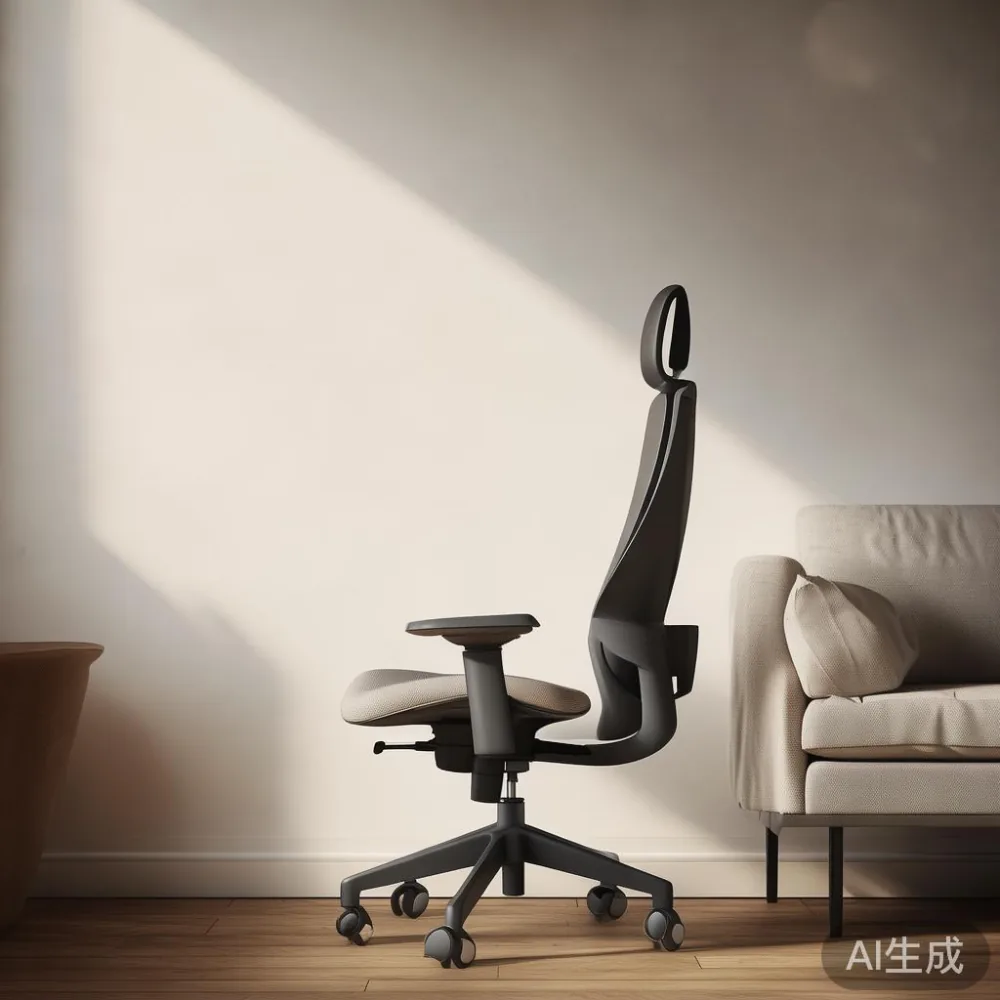
Why Ergonomic Chair Size Matters More in an HDB Flat
In a landed property, you might have the luxury of a sprawling living room where a chair's footprint is less of a concern. In an HDB flat, the reality is different. Standard corridor widths in older estates like Bedok are typically 120 cm, while newer developments might have wider corridors of up to 150 cm. This means moving a large piece of furniture, even a single chair, requires careful planning. An ergonomic chair that is too wide will not only dominate the visual space of your living room but can also impede movement, making the area feel smaller and more cluttered. Also, an ergonomically designed chair that doesn't fit your body correctly defeats its purpose. A seat that is too deep can cause you to perch on the edge, straining your lower back. Armrests that are too wide can prevent you from getting close to your desk or dining table, promoting poor posture. The goal is to find a chair that complements your body and your space, creating a harmonious environment where you can sit comfortably for extended periods without feeling confined.
Measuring Your Space: The Singapore HDB Living Room Reality Check
Before you even think about the chair's dimensions, you need to measure your living room accurately. Grab a measuring tape and a notebook. Start by measuring the length and width of the room at its widest points. Next, identify the fixed elements: the television console, the main sofa, any existing dining table, and the main walking paths. Remember, you need at least 60 cm of clear space around your main sofa to allow for comfortable movement. Now, identify where you plan to place the ergonomic chair. Will it be in a corner for reading? Next to a window for a view? Or perhaps pulled up to a small desk for work? The location dictates the available space. A common mistake is to only measure the empty floor space. You must also consider the vertical clearance. A high-back ergonomic chair with a headrest needs at least 90 cm of clearance from the ceiling to avoid a cramped feeling. For reference, standard HDB ceiling heights are 2.6 metres, so this is rarely an issue, but it's good practice to check. Finally, factor in the delivery process. A chair arriving from a local store might fit through your HDB's standard 80 cm wide lift, but a larger piece from a specialist brand might require specific arrangements. Always confirm the product's dimensions and your building's access points.
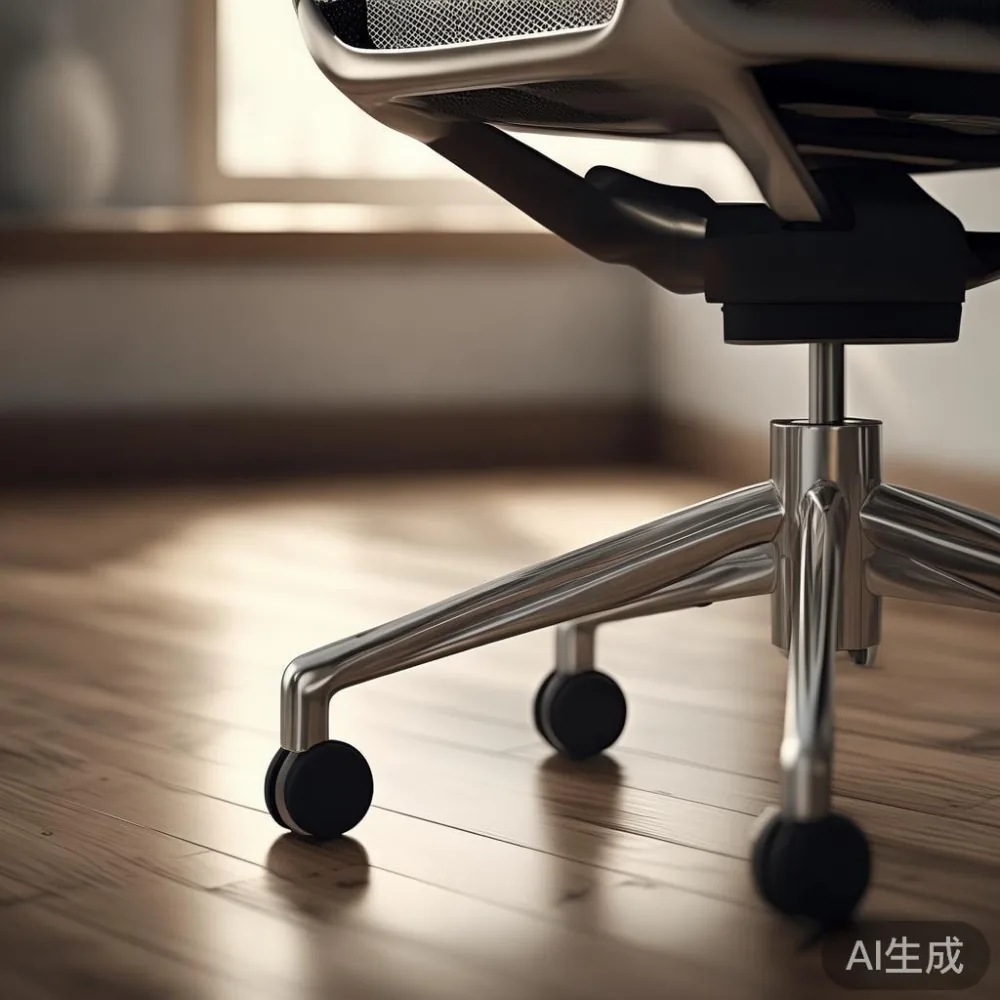
What to Look for in an Ergonomic Chair: Dimensions That Fit You
Once you have a clear picture of your available space, you can focus on the chair itself. An ergonomic chair is designed to support the body, so its dimensions should correspond to your body's measurements. Here are the key areas to consider:
Seat Height: This is the distance from the floor to the seat surface. The ideal range is 41 cm to 48 cm. Your feet should rest flat on the floor with your thighs parallel to the ground and your knees at a 90-degree angle. This promotes good circulation and reduces pressure on the back of your legs. Many ergonomic chairs come with a pneumatic height adjuster, allowing you to fine-tune the fit to your exact needs.
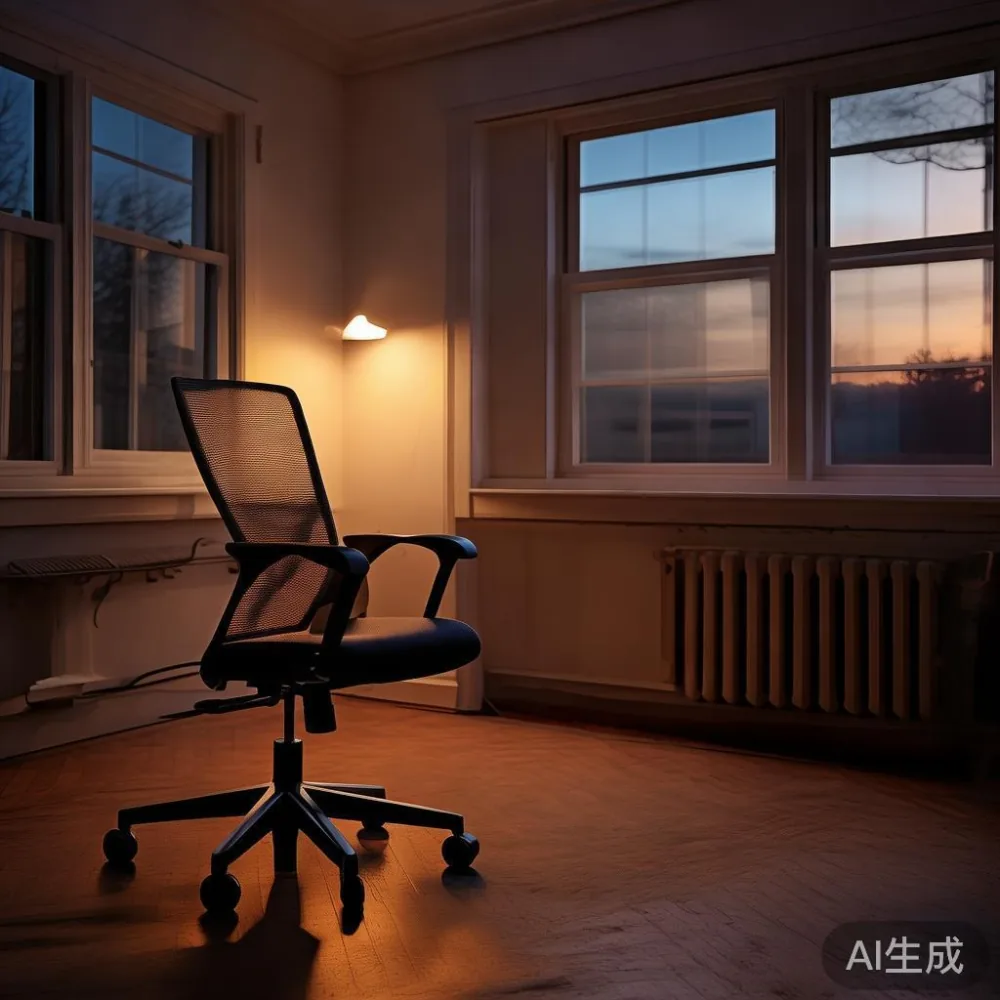
Seat Depth: This is the measurement from the front of the seat to the back, where it meets the backrest. A standard seat depth is around 43 cm to 48 cm. To test if this is right for you, sit in the chair and ensure there is about a 5 cm gap between the back of your knees and the front edge of the seat. If the seat is too deep, you will have to either slouch forward or use a cushion to fill the gap, both of which undermine the chair's ergonomic benefits.
Seat Width: For an ergonomic chair, width is about stability and comfort. A width of 48 cm to 56 cm is generally sufficient for most adults. This provides enough space to sit comfortably without feeling squeezed. Wider chairs are available, but in an HDB context, a narrower profile is often more practical.
Backrest Height and Width: The backrest should support the natural curve of your spine. A backrest height of 60 cm to 70 cm is common. For lumbar support, ensure the chair's curve aligns with the small of your back. The width of the backrest should be wide enough to support your shoulders, typically around 45 cm to 55 cm.
How to Choose Mid-century Modern Wardrobe? Wait, No, Let's Talk Chair Style!
While functionality is the priority for an ergonomic chair, style is still important. The chair should complement your existing decor. For a light luxury aesthetic, you might consider a French-inspired ergonomic chair. These often feature elegant, curved lines, plush upholstery in neutral tones like beige or grey, and exposed wooden legs in a light oak or walnut finish. This style adds a touch of sophisticated comfort to a space. Alternatively, an American light luxury ergonomic chair might favour a more substantial, structured look with rich leather or high-performance fabric, clean lines, and a more powerful presence. For a post-modern light luxury feel, look for chairs that play with shapes and materials, perhaps combining a sleek metal base with a soft, sculptural shell seat. The key is to ensure the style doesn't compromise the ergonomic features. A beautiful chair that causes you back pain after 30 minutes is not a good investment. Last month, I visited a client in a Punggol apartment who had purchased a stunning-looking chair online. It was beautiful, but the seat was far too deep for her 1.65m frame. She spent more time perched awkwardly on the front edge than relaxing, completely defeating the purpose of having a dedicated reading nook. It's a common story that highlights the importance of prioritising fit over form.
Practical Considerations: Budget, Delivery, and Returns for Singapore
After narrowing down your choices based on size and style, the final step is to consider the practicalities of purchasing furniture in Singapore. Price is a key factor. A good ergonomic chair is an investment in your health and comfort, and prices can range from SGD 300 for a basic model to over SGD 2,000 for a high-end, fully adjustable piece from a premium brand. It's wise to set a budget and explore options within that range. When comparing prices, remember to factor in the Goods and Services Tax (GST), which is currently 9% in Singapore. This can add a significant amount to the final cost, so ensure you are comparing the final, all-in price.
Delivery is another critical consideration. Many local and international brands offer free shipping for orders above a certain value, which is a great way to manage costs. For example, some brands offer free shipping for orders over SGD 350. Check the delivery timeline as well. Standard delivery might take 7 to 14 working days, but express options may be available for an additional fee. Be sure to confirm if the delivery includes assembly and removal of packaging. In a smaller HDB flat, managing large cardboard boxes can be a challenge.
Finally, always check the return policy. A 14-day return policy is standard and gives you peace of mind. If the chair arrives and doesn't fit your space or your body correctly, you should be able to return it without a significant hassle. Reputable brands will often arrange for a pickup, though you may be responsible for the return shipping cost if the reason for return is not a product defect. This policy allows you to test the chair in your actual living room environment, which is the only true way to know if it's the right fit for your Singapore HDB home.