The 5-Year Financial Reality Check: Veneer vs. Solid Wood Ergonomic Chairs in Singapore
In the context of Singaporean living, where space is a premium and a home office is often a corner of the bedroom, the choice of furniture extends beyond aesthetics. It is a long-term investment in comfort, durability, and value. The ergonomic chair, a cornerstone of any productive workspace, presents a critical decision point: the initial allure of a veneer model versus the enduring promise of solid wood. This article provides a detailed, data-driven comparison over a five-year period, examining not just the price tag but the hidden costs, longevity, and value proposition of each material for the Singaporean homeowner.
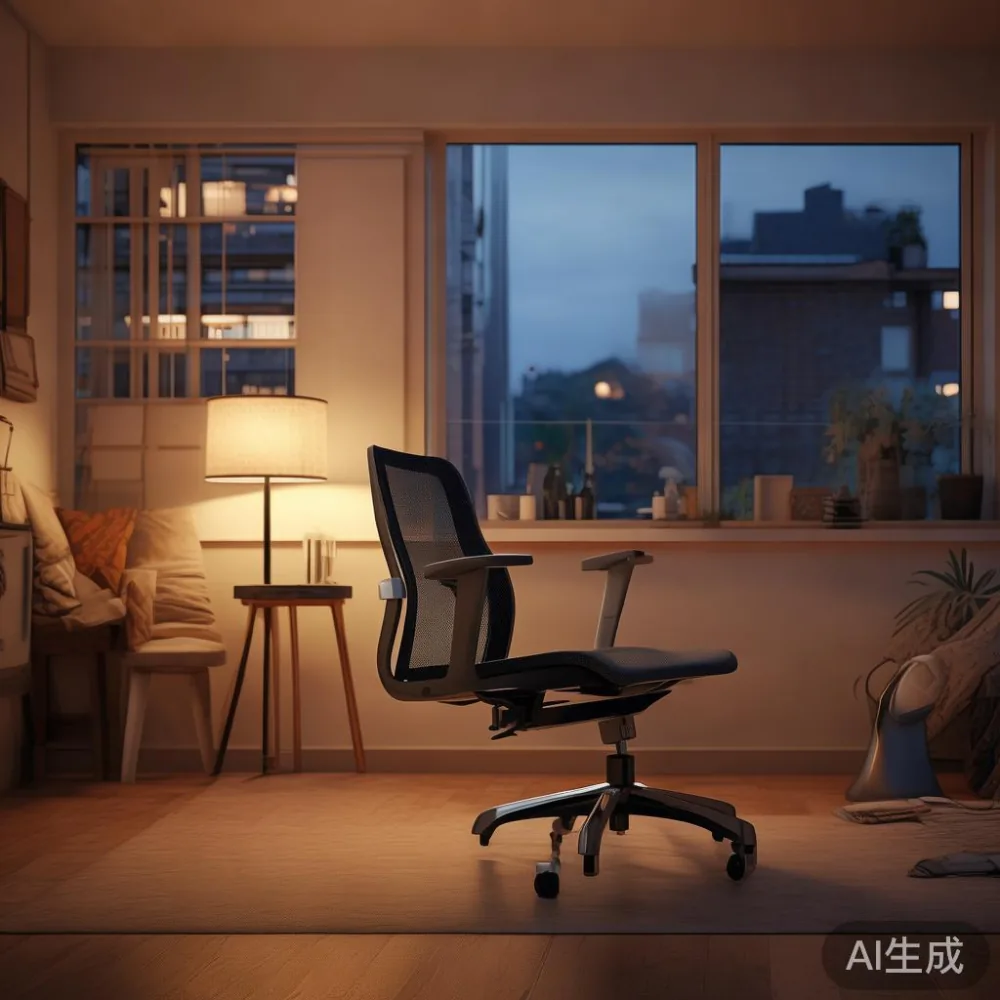
Understanding the Materials: Veneer and Solid Wood in the Singapore Context
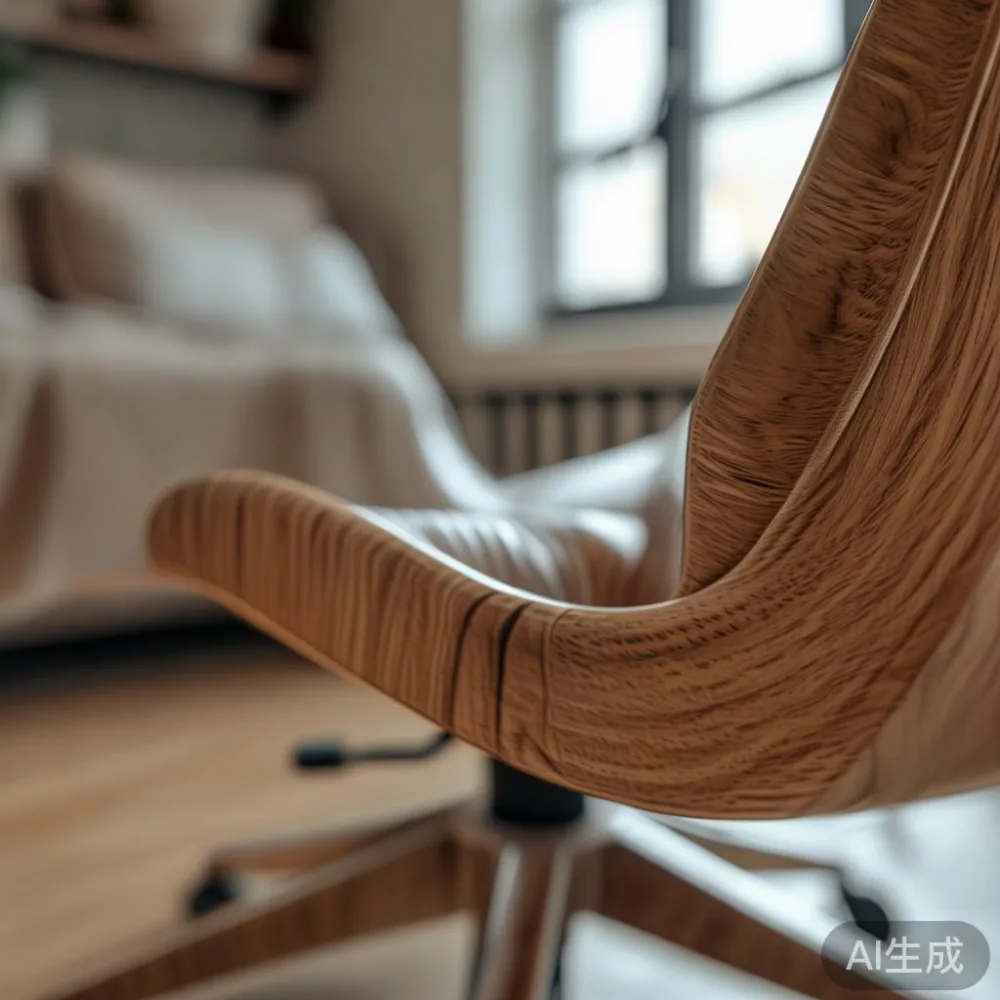
To make an informed decision, one must first understand the fundamental difference between these two materials. Solid wood furniture, like that crafted by brands such as MIDHILL, is made from a single, solid piece of lumber, such as oak, walnut, or ash. The entire structure, from the frame to the armrests, is carved from this natural material. This results in a piece of furniture with a unique grain pattern, a substantial weight (often 15-25 kg for a standard chair), and a natural warmth that develops a rich patina over time. For a resident in a Punggol condo working through a 120 cm wide corridor, the solid heft of a solid wood chair is a tangible sign of quality.
Veneer, on the other hand, is a thin layer of real wood (typically 0.6 mm to 2 mm thick) applied over a core panel, which is usually a composite material like Medium-Density Fibreboard (MDF), particleboard, or plywood. This core is significantly lighter, with a veneer chair weighing around 8-12 kg. The process allows manufacturers to create a consistent, uniform look at a lower production cost. A veneer chair might fit through a standard 80 cm wide HDB corridor lift with ease, but its long-term behaviour under Singapore's fluctuating humidity (which can range from 60% to 90%) is a key concern. The MDF core is susceptible to swelling and warping when exposed to moisture, a common occurrence in our climate.
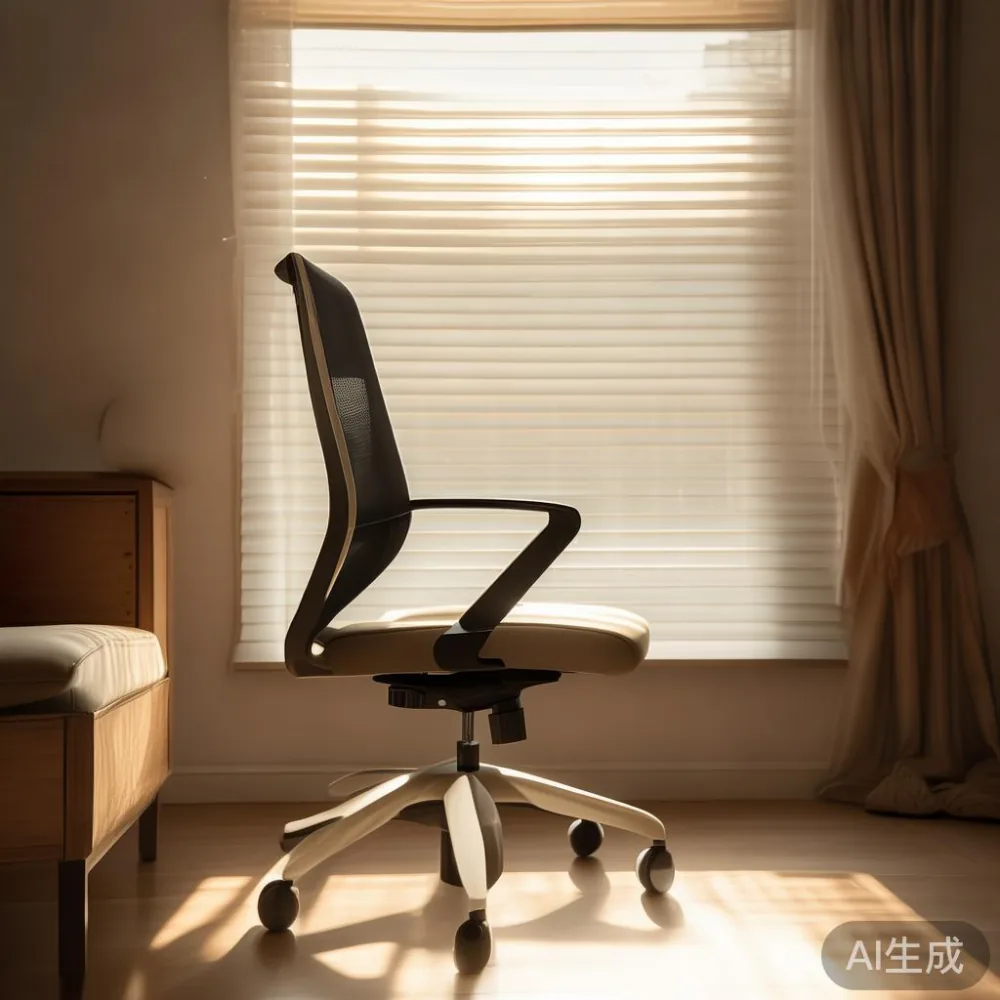
Upfront Costs and GST: The Initial Investment
The most immediate difference between veneer and solid wood ergonomic chairs is the price point. In Singapore, this difference is further amplified by the 9% Goods and Services Tax (GST). Let's compare two comparable ergonomic chairs with similar design and features, one with a solid wood frame and the other with a veneer finish.
A well-regarded ergonomic chair with a solid oak frame, manufactured by a company like MIDHILL, typically retails for approximately SGD 1,800. This price reflects the high-quality timber, skilled craftsmanship, and solid construction. Adding the 9% GST brings the final cost to SGD 1,962. Delivery, often included for orders over SGD 350, would be handled by a specialist team familiar with working through Singapore's housing estates, from the lifts in Tampines to the service corridors in Bedok.
In contrast, a comparable ergonomic chair with a walnut veneer finish on an MDF frame is generally priced around SGD 800. The lower cost is due to the less expensive composite core and the efficiency of the veneer application process. Applying the 9% GST brings the final price to SGD 872. While the initial saving is significant at over SGD 1,000, this is only the beginning of the financial story. The true cost of ownership is revealed over time.
Year-by-Year Cost of Ownership: A 5-Year Projection
The initial purchase is just the first installment. The long-term value of a chair is determined by its maintenance, repair, and replacement needs. A five-year projection provides a realistic picture of the total expenditure.
Year 1-2: The honeymoon phase
Both chairs perform adequately. The solid wood chair requires minimal care—perhaps an occasional wipe with a soft, dry cloth to maintain its lustre. The veneer chair also looks good, requiring similar surface-level cleaning. No major expenses are incurred for either.
Year 3: The first signs of wear
For the veneer chair, the first issues may begin to surface. The high humidity of a Singaporean rainy season can cause the MDF core to absorb moisture, leading to a slight bubbling or peeling of the veneer at stress points like the armrests or the base of the seat post. A small repair kit might cost SGD 50, but it often provides a temporary fix at best. The solid wood chair remains largely unaffected, its natural fibres having expanded and contracted with the humidity changes without compromising its structural integrity.
Year 4: The tipping point
This is where the financial divergence becomes stark. The veneer chair's issues escalate. The bubbling may have worsened, and the joints, held by screws in a composite material, may start to loosen. The gas lift mechanism, a critical component of any ergonomic chair, may also begin to fail. A replacement gas lift can cost SGD 150 to SGD 250, plus SGD 100 for a technician's visit to install it. If the chair's structure is compromised, repair becomes impractical. The owner is now faced with the cost of a replacement chair, bringing the total cost for the four-year period to SGD 872 (initial) + SGD 250 (repair) + SGD 872 (replacement) = SGD 1,994.
The solid wood chair, however, continues to perform. Its sturdy frame, likely backed by a 10-year structural warranty from the manufacturer, shows no signs of failure. The only potential cost might be for professional refinishing if the owner wishes to restore its original finish, but this is an optional service, not a necessity for functionality. A deep clean and re-oiling might cost SGD 100, but this is a preservation cost, not a repair cost.
Is a Solid Wood Ergonomic Chair Really Worth the Higher Initial Price?
This is the question on every Singaporean's mind when facing a price difference of over SGD 1,000. The answer lies in the concept of Total Cost of Ownership (TCO). By the end of five years, the financial picture has reversed.
The veneer chair scenario, assuming one replacement, has a five-year TCO of approximately SGD 1,994. The solid wood chair, with its initial purchase of SGD 1,962 and a minimal maintenance cost of SGD 100, has a five-year TCO of SGD 2,062. The difference is now only SGD 68. However, this calculation does not account for the value of the solid wood chair at the five-year mark. The veneer chair from the first purchase is long gone, likely in a landfill. The solid wood chair, having aged gracefully, retains a significant portion of its value. It can be sold second-hand for perhaps 40-50% of its original price, or SGD 700 to SGD 900. When this residual value is factored in, the net cost of the solid wood chair drops dramatically to SGD 1,162 to SGD 1,362, making it the clear financial winner over the long term.
Beyond the numbers, there is the intangible value. A solid wood ergonomic chair becomes a piece of personal history. It is a constant in a home that may see other furniture, like a marble table or a solid wood sofa, come and go. It offers a sense of permanence and quality that a mass-produced, disposable item cannot match. For those exploring styles like the post-modern light luxury aesthetic, the natural grain and tactile feel of solid wood provide an authenticity that veneer simply cannot replicate.
A Personal Testimony: From Veneer to Solid Wood
Last month, I visited a colleague at her new condo in Tampines. She had set up a beautiful home office with a sleek, modern desk and a high-tech monitor. The centrepiece was a brand-new ergonomic chair she had bought online for SGD 750. She was proud of her bargain. A month later, she called me in frustration. The chair's armrests had started to delaminate, and the chair wobbled alarmingly. She was already looking at a replacement, her initial savings completely wiped out by the poor quality. Her experience is a common one, a proof of the hidden costs of chasing the lowest price.
My own experience has been the opposite. My ergonomic chair, a solid ash piece I purchased five years ago, has been a silent, reliable partner through countless work hours. It has supported my posture, adjusted smoothly, and shown no signs of wear. Its colour has deepened into a warm honeyed tone, a record of the years spent in it. The peace of mind that comes from owning a well-made, warrantied piece of furniture is an investment in one's daily well-being that no spreadsheet can fully capture.
Conclusion: An Investment in Your Home and Your Health
The choice between a veneer and a solid wood ergonomic chair is not merely a financial decision; it is a reflection of one's values and priorities for their living space. While veneer furniture may offer a lower barrier to entry, its lifespan in the demanding environment of a Singaporean home is limited. The cycle of repair and replacement quickly erodes the initial savings, leading to a higher long-term cost and the environmental burden of discarded furniture.
On the other hand, a solid wood ergonomic chair represents a commitment to quality, durability, and timeless design. Its higher initial cost is an investment in a piece of furniture that will not only serve you faithfully for a decade or more but will also retain its value and beauty. It is a statement that your comfort and the integrity of your home are worth the investment. When considering the purchase of a new workstation, it is prudent to view the ergonomic chair not as an expense, but as a foundational element of your health and productivity, one that pays dividends in comfort and reliability for years to come.