How to Choose the Right-Sized Ergonomic Chair for a Singapore HDB Living Room
Choosing furniture for a Singapore HDB flat is rarely about finding the largest possible piece. It is about balancing seat comfort, walking clearance, lift access, and visual proportion within rooms that may measure only 3.2 by 4.5 metres. The same compact planning applies across Tampines, Bedok, and Punggol, although older HDB blocks and newer BTO layouts can differ in corridor turns and internal door widths.
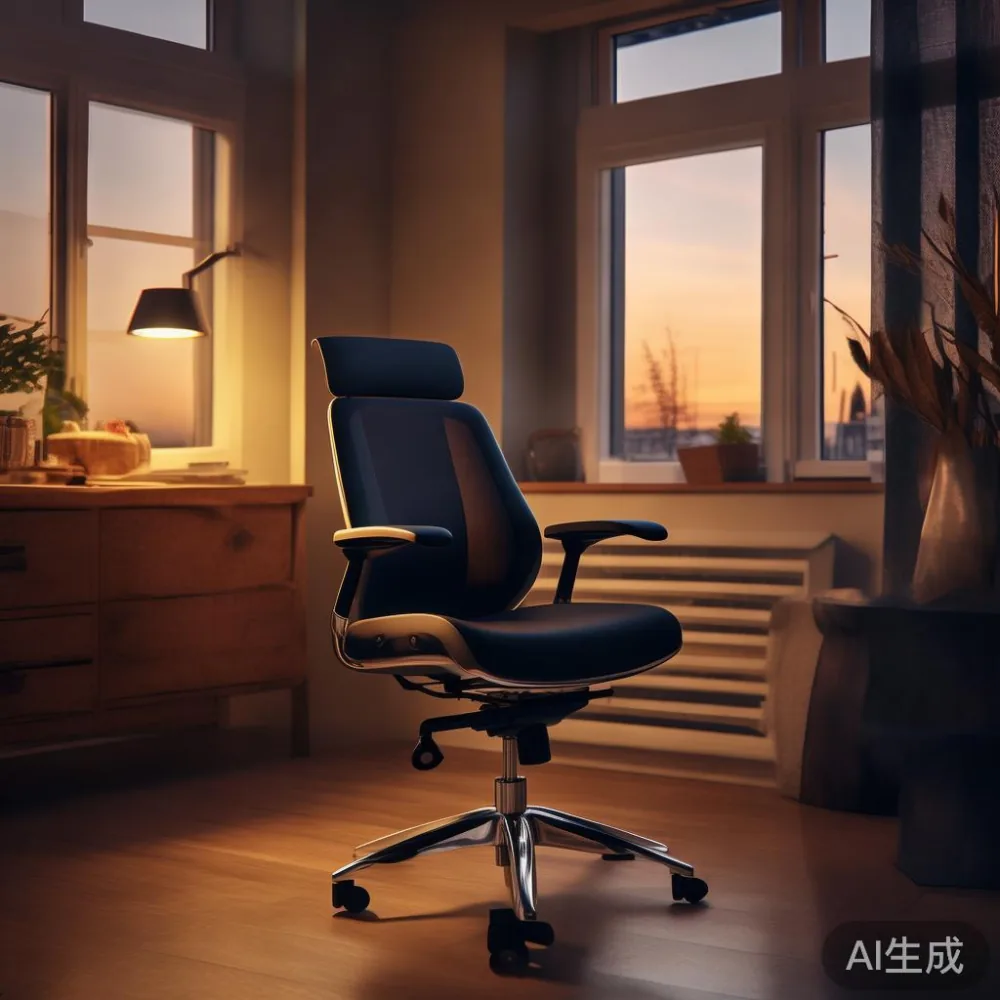
For a living room, the right ergonomic chair should support the body without making the room feel crowded. A 58 cm-wide model may suit a 2.7 by 3.4 metre sitting area, while a 65 cm-wide model with projecting armrests may need more breathing space. This guide explains how to measure, compare, position, and purchase furniture that works with a Singapore home rather than a generic showroom.
What dimensions should I measure before choosing an ergonomic chair?
Begin with a paper floor plan and record the narrowest usable living-room dimension. Do not simply measure the wall length: subtract 5 cm for skirting or wall unevenness, 75 to 90 cm for the main circulation route, and 30 cm for items positioned near a balcony door. In a compact HDB living room, this may leave a seating zone of only 150 by 180 cm.
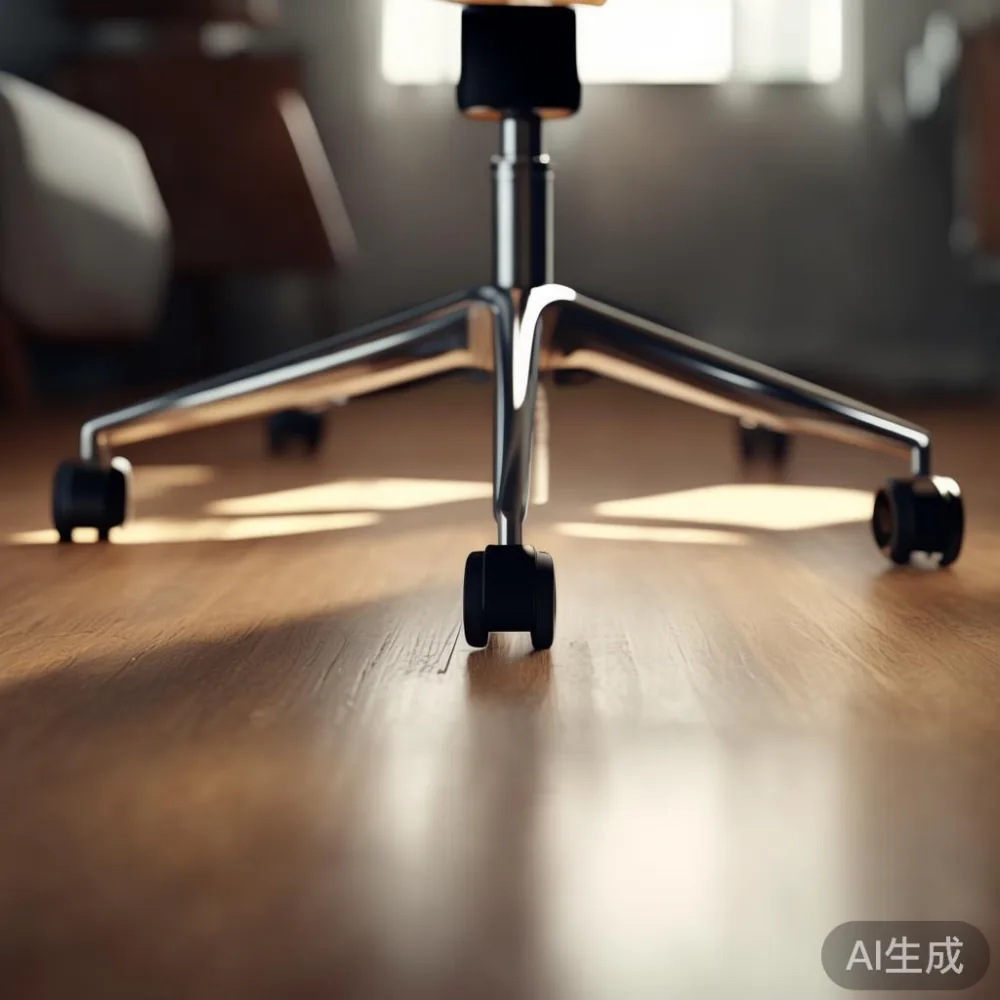
Measure the completed chair as well. Product dimensions should include the total width, depth, height, armrest projection, and rear tilt allowance. A chair advertised as 60 cm wide may reach 69 cm when reclined. Record the seat width separately from the width, because broad outer arms do not necessarily create a better sitting experience for a smaller user.
For delivery, check the building's lift car dimensions and the entrance opening rather than relying on lobby space alone. A common HDB lift interior may be approximately 110 cm wide and 140 cm deep, with a door opening near 90 cm. A boxed chair wider than 95 cm may fit diagonally, but a rigid 75 cm-wide package can still be difficult to turn towards the flat entrance. Ask the supplier for the packed dimensions and weight before ordering.
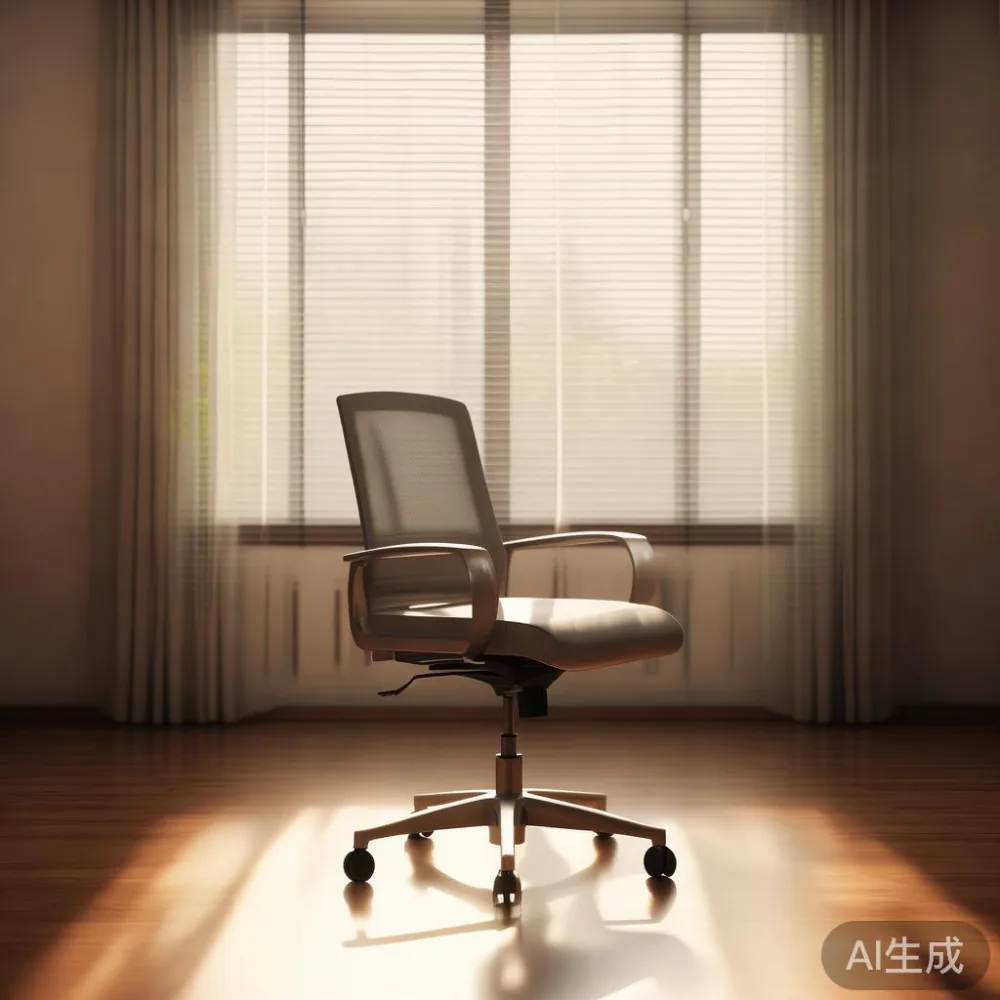
Record these figures:
- Wall-to-wall width: 280 cm.
- Clear walkway after the chair is placed: 80 cm.
- Chair total width: 62 cm.
- Seat width: 48 cm.
- Total depth with rear tilt: 70 cm.
- Maximum user weight: 120 kg.
- Packed weight: 18 kg.
These measurements make comparisons far more useful than a list of fashionable materials. For a related compact surface, search for a MIDHILL coffee table with a top no wider than 80 cm and a low shelf positioned where it will not interfere with the chair's foot movement.
Which ergonomic chair size suits a typical HDB living room?
For a compact HDB living room, a medium ergonomic chair is usually the sensible starting point. Look for a total width of 58 to 64 cm, a seat width of 45 to 50 cm, and a seat height of 42 to 48 cm. The chair should leave at least 75 cm of clear passage along the main route from the entrance to the balcony or kitchen.
A narrow model between 55 and 58 cm is useful beside a desk or in a living-dining combination, particularly where a sofa already projects into the room. A 62 to 68 cm chair offers broader armrests and a more generous seat, but it may visually dominate a 2.8 by 3.2 metre space. The choice should reflect the primary user rather than the largest person in the household.
Seat height offers a quicker test. Sit with the feet flat and the knees at roughly 90 degrees. If the feet cannot rest flat, add a suitable footrest rather than raising the chair by 6 cm and compressing the thighs. If the user's height is below 150 cm, check that the lowest seat setting still supports the lower back. For users above 185 cm, pay attention to headrest adjustment, lumbar travel, and the full seat-depth range.
Capacity matters too. A chair rated to 100 kg may feel different from one rated to 120 kg because of its adjustment mechanism and frame. Confirm the supplier's stated limit, warranty coverage, and replacement-part availability. A 10-year structural warranty is useful, but it should apply to the base, column, frame, and load-bearing joints rather than merely the chair shell.
How should an ergonomic chair fit with a solid wood sofa and dining table?
The chair should fit into the furniture arrangement, not become an isolated object in the room. A compact solid wood sofa with an width below 185 cm leaves room for a 60 cm-wide ergonomic chair in a 2.7 by 3.4 metre living area. Place the chair at a 30 to 45 degree angle towards the sofa rather than directly in the main walkway.
Keep the chair's front edge about 20 to 30 cm from the coffee table. A 90 by 45 cm table may work in a medium room, while a 70 cm round option is better where circulation is tight. Maintain approximately 30 cm between the seated user's knees and the table edge. This prevents the chair from looking pushed into the arrangement and allows legs to change position.
If the dining table sits within the same open-plan area, allow 90 cm behind each occupied chair for pulling out and standing up. A 120 by 70 cm dining table seats four people in about 270 cm of width; a 140 by 80 cm table needs closer to 310 cm. Check whether the dining chairs can be moved when guests arrive. This planning also benefits from considering a dining table in solid wood and Japanese for dining room principles: low visual clutter, simple proportions, and materials that feel calm at smaller scales.
Other pieces should follow the same dimensional discipline. A bed frame with a 160 cm mattress usually needs a room width of at least 280 cm for bedside access, while a wardrobe depth of 55 to 60 cm should not block the living-room door. A nightstand of 35 to 45 cm is often more useful than a bulky 55 cm unit. A marble table can be visually striking, but its edges should not create a collision risk in a narrow route.
Can I move a large chair through the lift and corridors?
Yes, if the packaged chair can fit through the route and the supplier can handle the heavier parts. Before purchase, ask for three figures: boxed dimensions, boxed weight, and whether the chair ships assembled or in sections. Many ergonomic chairs arrive as a seat, backrest, base, and gas lift, which can reduce the largest package to approximately 65 by 60 by 25 cm.
For a chair weighing 18 kg, two-person delivery is safer than one, particularly around stairs. If the building has a short flight of 12 steps, protect corners and confirm that the box can rest on a landing. For lift access, compare the package's narrowest side with the lift door and car depth. Diagonal placement sometimes helps, but do not assume that a 110 by 140 cm car will accept a long rectangular package.
Corridor turns can be more restrictive than the lift. A typical HDB common corridor may be 120 to 150 cm wide, with turns near the stairwell. Measure the diagonal of any right-angled turn, and check whether service doors project into the route. In Punggol or Tampines estates with newer barrier-free access, the route may be wider but still shared with bicycles and prams, so delivery should avoid peak hours.
Useful delivery targets are 7 to 14 working days for made-to-order stock in Singapore, with a written dispatch estimate. Confirm the delivery fee in SGD, whether lift or doorstep delivery is included, and what happens if the first attempt fails. Free shipping over US$350 may apply to international orders, but local SGD pricing should show the complete amount rather than relying on an overseas threshold.
How do I match an ergonomic chair to French or American light luxury?
Light luxury is about proportion, finish, and visual restraint rather than adding ornament to a small room. A slim ergonomic chair in warm oak, walnut, muted cream, or soft taupe can pair with a solid wood sofa without competing with it. Choose fewer, stronger materials and allow at least 20 cm of visible floor around freestanding pieces.
French light luxury often uses curved profiles, gentle upholstery colours, and occasional reflective details. A rounded chair back can soften a straight-lined HDB room, but the arms should remain narrow enough for the measured footprint. If searching broadly for cheap Italian light luxury furniture, check the actual material and dimensions because low price alone does not indicate sound construction.
American light luxury tends towards generous scale, clean geometry, and durable natural finishes. Those cues can work in a larger condo living room of 3.6 by 4.2 metres, but the same chair may feel oversized in a smaller HDB flat. Post-modern light luxury offers another route: simple forms with controlled colour contrast, such as an ivory seat against a dark solid wood frame.
For mixed-style homes, browse for sale Nordic furniture to compare pale timber and restrained silhouettes, while keeping the chair's ergonomic specifications central. The chair must still provide lumbar support, adjustable height, firm armrests, and a stable five-point base. Appearance comes after those performance checks.
What should I do before the ergonomic chair arrives?
Prepare the route and test the chair before it becomes part of the daily arrangement. Wipe the floor area, remove movable stools, and identify a clear landing space of at least 100 by 100 cm. Check the route during daylight, since a package that fits a dim corridor can still catch on a bright corner or an open unit door.
Last month I visited a colleague in Bedok to assess a 66 cm-wide chair for her 2.8 by 3.3 metre living room. The chair looked manageable in the corridor, but its rear tilt projected 12 cm beyond the marked footprint. We moved it 18 cm towards the balcony and placed a 75 cm round table. The result preserved an 82 cm passage and gave her feet more room. That experience reinforced how important it is to measure the chair in its tilted position.
On delivery day, inspect the box before signing. Photograph the packaging and check for dents, tears, and water marks. Assemble the chair on the protected floor area, tighten the base and column according to the instructions, and test every adjustment through 10 repetitions. Sit for 10 to 15 minutes before deciding whether the lumbar support and seat depth suit you.
Singapore's 9% GST may be shown separately or included, so compare the final payable SGD amount. Check the seller's return policy against a 14-day return period, and confirm how a chair returned with assembly or packaging is handled. A 10-year structural warranty should have a straightforward claim process, while refinishing support can be useful for solid wood components that may develop surface marks over time.
Which size should I choose for my Tampines, Bedok, or Punggol home?
Choose a medium ergonomic chair if your living room is around 2.7 to 3.2 metres wide, the main route needs 75 cm, and your height falls within the chair's adjustment range. Look for an width near 60 cm and a seat width near 47 cm. In a larger condo room above 3.6 metres wide, a 63 to 68 cm model can provide more shoulder clearance without crowding the plan.
For the visually minded, the chair can support several styling directions. A fabric seat with light oak arms can complement guidance on how to style a Japanese sofa in bedroom by carrying over the same neutral palette and uncluttered layout. A shaped upholstered back can also inform how to style a French provincial sofa in room, provided the curves and colour remain restrained. For the bedroom itself, use the same discipline when considering how to style a French provincial bed in bedroom: measure the frame, preserve side access, and avoid adding a wide nightstand that reduces circulation.
The most reliable specification is therefore a compact adjustable chair with a documented 58 to 64 cm width, 45 to 50 cm seat, 42 to 48 cm seat-height range, 100 to 120 kg capacity, and a rear tilt depth of no more than 68 to 72 cm. Confirm the packed size, delivery window, GST treatment, return terms, and structural warranty before paying. Those practical numbers will protect both comfort and the usable space in a Singapore home.